

If you have a cat, you probably want to keep them safe and healthy. One important way to do that is by making sure they get their rabies shots on time.
But how often do cats really need these vaccinations? You might feel unsure about when to schedule the next visit or worry about missing important shots. You’ll discover exactly how often your cat needs rabies shots, why it matters, and what could happen if you don’t stay on top of it.
Keep reading to make sure your furry friend stays protected for years to come.

Credit: millsanimalhospital.com
Rabies And Its Impact On Cats
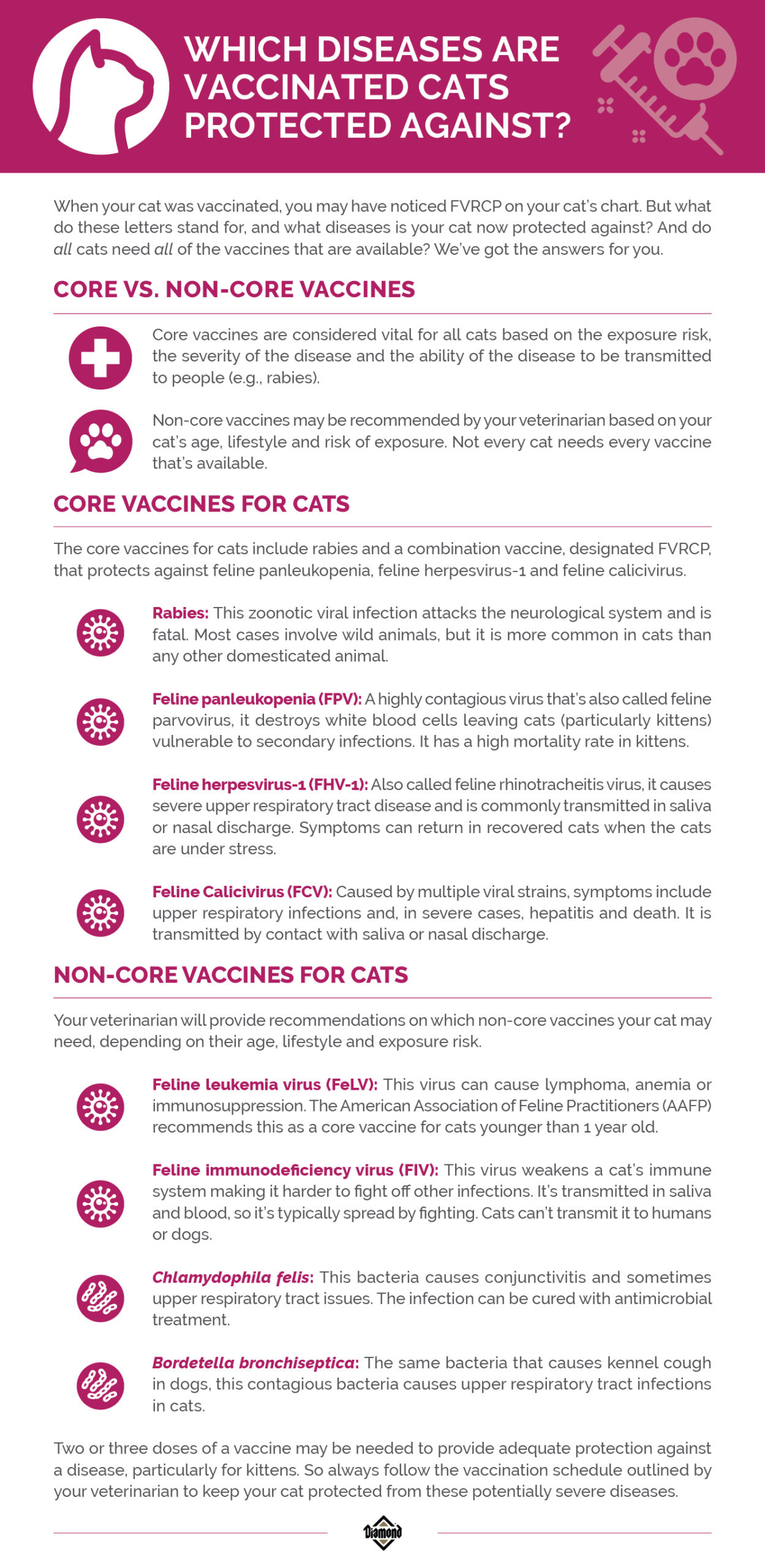
Rabies is a deadly virus that affects the brain and nervous system. Cats are at risk if they come into contact with wild animals carrying the virus. Rabies spreads through bites or scratches from infected animals. This disease is fatal once symptoms appear, making prevention crucial.
Vaccinating cats against rabies protects them from infection. It also helps prevent the spread to humans and other animals. Understanding rabies and its impact on cats guides pet owners in keeping their cats safe.
What Is Rabies?
Rabies is a viral disease caused by the rabies virus. It attacks the brain and spinal cord. The virus spreads through saliva from infected animals. Symptoms include aggression, paralysis, and confusion. The disease almost always leads to death in cats without treatment.
How Do Cats Get Rabies?
Cats usually catch rabies through bites from wild animals. Common carriers include raccoons, bats, skunks, and foxes. Outdoor cats face a higher risk. The virus enters the cat’s body through broken skin or mucous membranes. Once infected, the virus travels to the brain.
Signs Of Rabies In Cats
- Sudden behavior changes
- Excessive drooling
- Difficulty swallowing
- Weakness or paralysis
- Seizures or tremors
- Unusual aggression or fearfulness
These signs appear weeks after infection. Immediate veterinary care is necessary if symptoms show.
Why Rabies Vaccination Is Essential
Rabies vaccination protects cats from this fatal disease. It reduces the risk of transmission to humans and pets. Many regions legally require rabies shots for cats. Vaccination saves lives and supports public health efforts.
Importance Of Rabies Vaccination
Rabies vaccination plays a crucial role in protecting cats and humans. This deadly virus spreads through bites and scratches. Without vaccination, cats can contract rabies and become dangerous to others.
Vaccinating cats helps stop the virus from spreading. It keeps your pet healthy and safe. Rabies vaccination is a legal requirement in many places. It also prevents costly medical treatments and quarantine if your cat is exposed to the virus.
Protecting Your Cat’s Health
Rabies can cause severe brain damage and death in cats. Vaccination shields them from this fatal disease. It is the best defense to keep your cat safe.
Safeguarding Human Health
Rabies spreads from animals to humans. Vaccinated cats lower the risk of transmission. Protecting your family and community starts with your pet’s vaccine.
Legal Requirements For Vaccination
Many states and countries require rabies shots for cats. Following these laws avoids fines and legal issues. It ensures public safety and animal control compliance.
Preventing Disease Spread
Vaccination reduces rabies cases in the environment. It stops outbreaks among wild and domestic animals. This helps maintain a healthy ecosystem.
Rabies Vaccination Schedule
Understanding the rabies vaccination schedule is key to keeping your cat safe and healthy. Rabies is a serious disease that affects both animals and humans, so timely vaccinations are crucial. Knowing when and how often to vaccinate your cat helps you stay ahead of risks and ensures your pet is protected.
Initial Vaccination
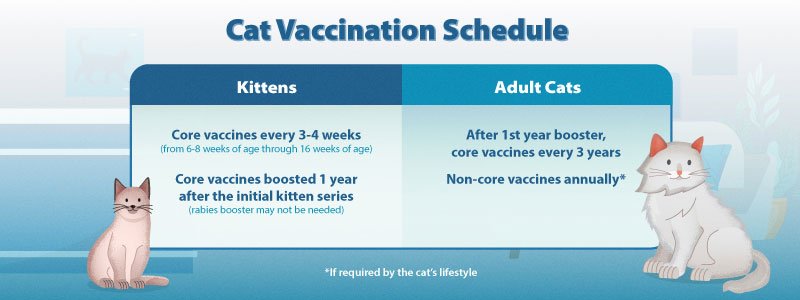
The first rabies shot is usually given when your kitten is between 12 and 16 weeks old. This initial vaccine jumpstarts your cat’s immune system to fight off the rabies virus effectively. Missing this early vaccination can leave your cat vulnerable during their most curious and active months.
Have you noticed how kittens explore everything? That curiosity increases their risk of exposure. Getting the initial shot on time is a simple step to reduce this risk dramatically.
Booster Shots
After the initial vaccination, booster shots are necessary to maintain immunity. Typically, your cat will need a booster one year after the first shot. Following that, boosters are usually required every one to three years, depending on local laws and your vet’s advice.
Some states have strict rules about booster frequency, so it’s worth checking your area’s regulations. Also, your vet will consider your cat’s lifestyle—indoor or outdoor—and health status when recommending the booster schedule. Keeping a vaccination record can help you never miss a booster and keep your cat protected consistently.
Factors Influencing Vaccination Frequency
Understanding how often your cat needs rabies shots depends on several key factors. These factors influence the vaccination schedule your veterinarian will recommend. Knowing them helps you protect your cat effectively without unnecessary visits.
Indoor Vs. Outdoor Cats
Your cat’s lifestyle plays a major role in vaccination frequency. Outdoor cats face higher risks of encountering rabid animals, which means they often need more frequent vaccinations. Indoor cats, on the other hand, have a lower risk but are not completely safe from exposure.
Think about your cat’s daily routine. Does your cat roam freely outside or stay mostly inside? Outdoor cats may require annual rabies shots, while indoor cats might follow a three-year schedule depending on local guidelines and vet advice.
Regional Regulations
Local laws and regulations significantly affect how often your cat must get a rabies vaccine. Some regions have strict yearly requirements, while others allow vaccinations every three years. Knowing your area’s rules ensures you stay compliant and avoid fines.
Have you checked your municipality’s pet vaccination laws recently? This step can save you from unexpected penalties and keep your cat legally protected. Always ask your vet about regional requirements—they often have the latest updates.
Recognizing Rabies Symptoms In Cats
Recognizing rabies symptoms in cats is crucial for protecting your pet and those around them. Rabies is a deadly virus that affects the nervous system, and early signs can sometimes be subtle. Knowing what to watch for can make all the difference in seeking prompt veterinary care and preventing tragedy.
Physical Signs Of Rabies In Cats
Rabies often starts with changes in your cat’s behavior and physical condition. You might notice excessive drooling or foaming at the mouth due to difficulty swallowing. Paralysis or weakness, especially in the legs or face, can also appear as the virus attacks the nervous system.
Look for sudden changes like:
- Unexplained wounds from biting or scratching
- Stiffness in the neck or body
- Seizures or tremors
Behavioral Changes To Watch For
Your once friendly cat may become unusually aggressive or fearful. Rabies can cause confusion, restlessness, and irritability. Some cats become unusually shy or hide away, while others may roam more than usual.
Ask yourself: Has your cat’s temperament changed without a clear reason? Are they reacting oddly to familiar people or places?
Stages Of Rabies Infection In Cats
Rabies progresses in stages, each with distinct symptoms. The first stage, called the prodromal phase, shows subtle signs like fever and anxiety. Next, the furious stage brings aggression and hyperactivity.
Finally, the paralytic stage causes weakness and paralysis, often leading to coma. Knowing these stages can help you identify the disease early and seek immediate help.
When To Contact Your Veterinarian
If your cat shows any combination of these symptoms, don’t wait to get professional advice. Rabies is a medical emergency and must be handled quickly. Your vet can perform tests and recommend treatments to protect your cat and others.
Have you noticed anything unusual in your cat’s behavior lately? Don’t hesitate to reach out to your veterinarian—it could save your cat’s life.
Safety And Side Effects Of Rabies Vaccines
Rabies vaccines are crucial for protecting cats from a deadly disease. Pet owners often worry about the safety of these vaccines. Understanding their safety and possible side effects helps in making the best choice for your cat’s health.
Most cats tolerate rabies vaccines well. The benefits of vaccination far outweigh the risks. Vaccines help prevent rabies, which can be fatal for both cats and humans.
How Safe Are Rabies Vaccines For Cats?
Rabies vaccines undergo strict testing to ensure safety. Millions of cats receive these vaccines each year with few problems. The vaccines are made to trigger an immune response without causing illness.
Vets use vaccines approved by regulatory agencies. These vaccines meet high standards for safety and effectiveness. Rare allergic reactions can happen but are uncommon.
Common Side Effects Of Rabies Vaccines
Most side effects are mild and short-lived. Common reactions include:
- Soreness or swelling at the injection site
- Lethargy or mild fever for a day or two
- Loss of appetite temporarily
These symptoms usually disappear within 48 hours. They do not require medical treatment in most cases.
Rare But Serious Side Effects
Severe side effects are very rare. Watch for signs like:
- Severe swelling of the face or neck
- Difficulty breathing or vomiting
- Collapse or seizures
These symptoms need immediate veterinary care. Quick action can save your cat’s life.
How To Minimize Side Effects
Inform your vet about your cat’s health history. Avoid vaccinating sick or stressed cats. Follow your vet’s advice on vaccination schedules. Monitor your cat after vaccination for any reactions.
Consulting Your Veterinarian
Consulting your veterinarian is essential for your cat’s rabies vaccination schedule. Every cat has unique health needs. A vet can provide the best advice on timing and frequency. They keep track of your cat’s medical history and environment. This helps them recommend the safest and most effective vaccination plan. Regular visits to the vet ensure your cat stays protected against rabies and other diseases.
Tailoring A Vaccination Plan
Veterinarians customize rabies shots based on your cat’s age, health, and lifestyle. Indoor cats might need fewer boosters than outdoor cats. Your vet evaluates risks like local rabies cases and your cat’s exposure to wildlife. They decide the best vaccine type and schedule. This personalized plan keeps your cat safe without unnecessary vaccinations.
Regular Health Check-ups
Routine vet visits allow early detection of health issues. The vet checks your cat’s overall condition before each rabies shot. This avoids vaccinating if your cat is sick or stressed. Regular check-ups also update other vaccinations and parasite control. Keep these appointments to maintain your cat’s long-term health and protection.
Credit: www.diamondpet.com
Credit: www.whiskas.com.ph
Frequently Asked Questions
How Often Should Cats Get Rabies Shots?
Cats typically need rabies shots every 1 to 3 years. The exact schedule depends on local laws and vaccine type. Annual boosters are common in some areas. Always follow your veterinarian’s advice for your cat’s vaccination timing.
Why Are Rabies Shots Important For Cats?
Rabies shots protect cats from a fatal virus that affects the brain. Vaccination also prevents transmission to humans and other animals. Rabies is required by law in many regions to ensure public and pet safety.
Can Indoor Cats Skip Rabies Vaccinations?
Even indoor cats need rabies vaccines. Accidental exposure can happen through open windows or other pets. Many regions legally require all cats, indoor or outdoor, to be vaccinated against rabies.
What Happens If A Cat Misses A Rabies Shot?
If a cat misses a rabies shot, consult your vet immediately. They will recommend a catch-up vaccination schedule. Delayed shots can increase the risk of infection and may have legal consequences.
Conclusion
Cats need rabies shots regularly to stay healthy and safe. Most vets recommend a booster every one to three years. This schedule depends on your cat’s age, health, and local laws. Keeping vaccinations up to date protects your cat and people around them.
Don’t wait for signs of illness. Regular shots prevent serious diseases before they start. Talk to your vet to create the best plan. Your cat’s health is worth the effort. Stay informed, stay prepared.
