

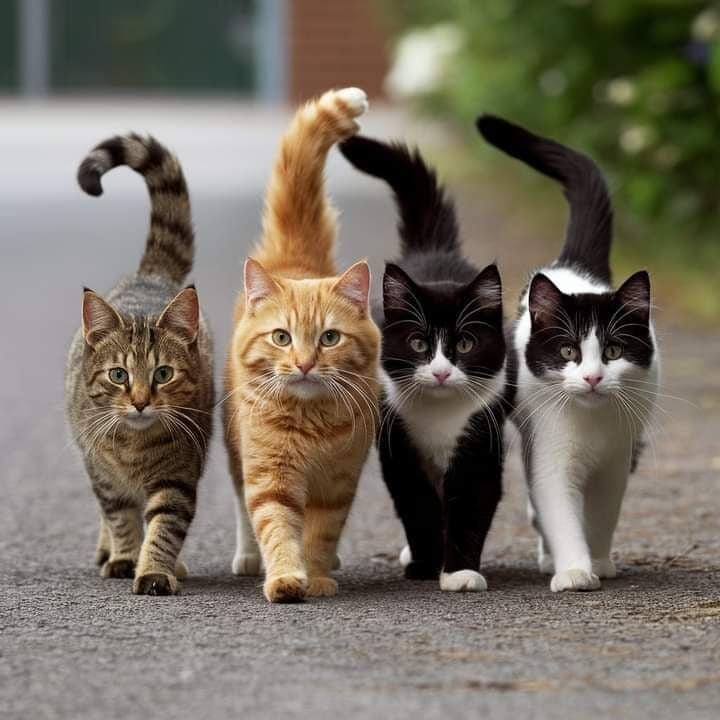
Have you ever wondered what you call a group of cats? It’s not as simple as “a pack” or “a bunch.” The name for a collection of cats is surprisingly unique, and it might just change the way you see these curious creatures.
Whether you’re a cat lover or just curious, learning this little-known fact will add a fun twist to your next conversation. Keep reading, and you’ll discover the fascinating term that perfectly captures the spirit of a group of cats.
Credit: engoo.com
The Fascination With Collective Nouns
Collective nouns have a special way of capturing our imagination. They turn everyday groups into something memorable and unique. When you think about a group of cats, what do you call them? This question opens the door to a world of curious and often surprising names that make language playful and vivid.
The Charm Behind Collective Nouns
Collective nouns give personality to groups. Instead of just saying “a group of cats,” you can say “a clowder of cats” or “a glaring of cats.” These words paint pictures in your mind, making language more colorful and fun.
Have you ever wondered why some animals have such unusual group names? It’s not random. Many of these names come from old traditions or specific animal behaviors. This makes learning them both educational and entertaining.
How Collective Nouns Shape Our Connection With Animals
Using unique collective nouns helps you think differently about animals. It encourages you to see them as more than just creatures—they become characters in a story. Saying “a prickle of porcupines” highlights their spiky nature instantly.
When you use a special collective noun, it can also spark curiosity. You might ask yourself why that particular word fits the group. This curiosity leads to deeper interest and knowledge about the animal world.
Why You Should Care About Collective Nouns
Knowing collective nouns makes your language richer and more precise. It’s a small skill that impresses in conversations and writing. Plus, it can make your storytelling about animals more engaging and vivid.
Next time you see a group of cats, try calling them by their proper collective noun. Does it change how you picture the scene? This simple shift can make your everyday language more playful and interesting.
A Clowder Of Cats
Have you ever wondered what to call a group of cats? The term “clowder” might surprise you. It’s the official word used to describe a pack or group of cats gathered together.
Knowing this term can make your conversations about cats sound more interesting and informed. Imagine telling your friends you saw a clowder of cats lounging in the sun. Doesn’t that paint a vivid picture?
A Clowder Of Cats: What It Means
A clowder refers to three or more cats living or moving together. Unlike solitary cats, clowders often form naturally when cats share a common territory or food source.
This term is useful when you see a bunch of cats interacting, whether in your neighborhood or in a shelter. It emphasizes the social nature of cats, which many people don’t realize.
How Many Cats Make A Clowder?
Technically, two cats are called a “pair,” but once you have three or more, it becomes a clowder. This distinction helps animal lovers and researchers describe cat groups more accurately.
For example, if you spot four cats hanging out in your backyard, you’re actually looking at a clowder. It’s fun to think about how these cats might be communicating or establishing their social order.
Why Knowing This Term Matters
Understanding terms like clowder can deepen your appreciation for cat behavior. It encourages you to observe how cats interact in groups rather than just as individuals.
Next time you see multiple cats together, try to notice their body language and interactions. You might discover patterns that explain how clowders survive and thrive.
Origins Of ‘clowder’
The term “clowder”to describe a group of cats isn’t something you hear every day. It has a curious origin that ties back to old English language and animal naming traditions. Understanding where this word comes from can give you a fresh appreciation for how language evolves around animals we share our lives with.
Historical Roots Of ‘clowder’
The word “clowder” dates back to Middle English, around the 15th century. It originally referred to a group of cats or sometimes even a group of cattle. The exact origin is uncertain, but it likely comes from the Old English word cludder, meaning “a ball of wool,” which might relate to the fluffy appearance of a bunch of cats huddled together.
How ‘clowder’ Became Associated With Cats
Language often borrows and shifts meanings over time. “Clowder” transitioned from a general term for a cluster or lump to specifically naming groups of cats. This shift likely happened because cats often gather in tight, cozy groups, much like a “clod” or “cluster.”
Have you ever noticed how your cats naturally form a snug circle when they rest together? That image might be why the word felt so fitting.
Other Collective Nouns For Cats
- Glaring:When cats look at something together, especially in an intense way.
- Kindle:Specifically for a group of kittens.
- Pounce:Describes cats ready to leap into action.
“Clowder” remains the most popular term for adult cats gathered in a group. It’s fascinating how each word captures a different aspect of feline behavior.
Other Animal Collective Nouns
Animal groups often have unique and interesting collective names. These names describe a number of animals gathered together. Some sound strange, others poetic. They show how humans connect with nature. Learning these names adds fun to animal facts.
Below are some famous examples of animal collective nouns. Each name reflects something special about the animal or its behavior.
Murder Of Crows
A group of crows is called a “murder.” This name feels dark and mysterious. It may come from old stories and legends. Crows often appear in myths about death and magic. Their black feathers and loud caws add to the spooky image.
Parliament Of Owls
Owls gather in a group called a “parliament.” This name suits their wise and watchful nature. Owls seem thoughtful, like old advisors. The term shows respect for their silent flight and sharp vision. It is also linked to stories where owls symbolize knowledge.
School Of Fish
Many fish swim together in a “school.” This name comes from their smooth, coordinated movement. Fish in a school look like a single unit. They swim close to protect themselves from predators. The word “school” reflects learning and unity among fish.
Unique Collective Nouns In Literature
Unique collective nouns add charm to literature. They bring life to groups of animals or things. Writers use these special terms to create vivid images. Collective nouns for cats show variety and creativity.
These nouns often reflect the character or behavior of the animals. They make stories more memorable and engaging. Some collective nouns for cats are rare and poetic. Others are playful or humorous.
Literary Collective Nouns For Cats
In literature, cats are sometimes called a “clowder” or a “glaring.” These words highlight the mysterious nature of cats. A “clowder” means a group of cats together. A “glaring” refers to cats staring with intensity.
Historical And Poetic Terms
Older texts use unique terms like “pounce” or “nuisance.” “Pounce” reflects a cat’s hunting skill. “Nuisance” hints at their mischievous side. Poets and authors select these words to add depth.
Creative Collective Nouns In Modern Writing
Modern writers invent new collective nouns. Some examples include “scribble” or “meow.” These fresh terms capture cats’ playful and vocal nature. They make stories fun and relatable.
- Clowder
- Glaring
- Pounce
- Nuisance
- Scribble
- Meow
Cultural Significance
Cats hold a special place in many cultures worldwide. Their presence and behavior have inspired stories, beliefs, and traditions. Understanding what a pack of cats is called reveals more than just a term. It connects us to cultural views and symbolic meanings that vary across societies.
Cats In Ancient Mythology
In ancient Egypt, cats were sacred animals. They symbolized protection and good fortune. A group of cats was seen as a powerful force. Egyptians believed cats could guard homes from evil spirits.
Folklore And Superstitions
Many cultures link cats with mystery and magic. A pack of cats often appears in stories as a sign of luck or bad omens. Some believe a group of cats can influence fate or fortune.
Cats In Modern Pop Culture
Today, cats are popular in movies, books, and art. Groups of cats often symbolize independence and community. They remind people of freedom and curiosity.
Linguistic Evolution
The way we name groups of animals often reflects history and culture more than logic. The term used for a group of cats is no exception. Understanding the linguistic evolution behind these collective nouns offers insight into how language changes over time and adapts to social needs.
The Origins Of Collective Nouns For Cats
Collective nouns like “a pack of cats” have roots in medieval English hunting culture. Originally, terms such as “clowder” and “glaring” appeared in texts describing groups of cats. These words weren’t just random; they often described the behavior or appearance of the animals.
How Language Shapes Our Perception Of Cats
The words we use influence how we see animals. “Pack” usually refers to dogs or wolves, suggesting wildness and cooperation. Calling a group of cats a “pack” might change how you imagine their behavior, even if cats are more independent by nature.
Modern Usage And Variations
Today, “clowder” and “glaring” still exist but are less common in everyday speech. You might hear “a kindle of kittens” more often, which specifically refers to young cats. Language evolves as people prefer terms that feel familiar or descriptive.
Why Do These Terms Matter To You?
Knowing the correct term can make your writing or conversation more engaging and precise. It also connects you to the rich history behind the language. Next time you see multiple cats, ask yourself: how does calling them a “clowder” or “pack” change your view of them?

Credit: www.clickondetroit.com
Creating New Collective Nouns
Creating new collective nouns is a fun way to name groups of animals or people. It adds charm and character to language. Collective nouns often reflect traits or behaviors of the group. Inventing fresh terms can make writing more vivid and interesting. It also helps capture attention and makes communication clearer.
For a pack of cats, there is no single official collective noun. This gives us room to be creative. New collective nouns can be inspired by cat habits, sounds, or appearance. Choosing simple and catchy words helps others remember them easily. Here are some ideas and tips on creating new collective nouns.
Observing Unique Behaviors
Look closely at how cats act together. They often stalk, pounce, or curl up in groups. These actions can inspire new names. For example, a group of cats could be called a stalkor a curl. Pick words that describe what stands out most about cats as a group.
Using Sound And Movement
Cats make soft meows and quick movements. Collective nouns can reflect these sounds or motions. Words like whisperor fluttersuit a quiet group of cats. Think about how their behavior sounds or looks from a distance.
Drawing From Cat Features
Cats have sharp claws, soft fur, and bright eyes. Use these features to find new names. A group of cats might be called a glintfor their shining eyes or a swishfor their tails. Simple, clear words paint a vivid picture.
Testing For Simplicity And Appeal
- Choose words easy to say and remember.
- Make sure the word feels natural with “a” or “the” before it.
- Try the word in sentences to check how it sounds.
- Ask others for feedback on the new noun.
Creating new collective nouns can be playful and rewarding. It helps language grow and stay fresh. Try inventing your own name for a pack of cats today.
Credit: imgflip.com
Frequently Asked Questions
What Is A Group Of Cats Called?
A group of cats is called a “clowder. ” This term refers specifically to a cluster of three or more cats. It is the most common collective noun used for domestic cats in English.
What Do You Call A Pack Of Wild Cats?
A pack of wild cats is often called a “destruction. ” This term reflects their hunting nature and impact on prey populations. It applies mainly to wild species like bobcats or lynxes.
Are There Other Names For A Group Of Cats?
Yes, besides “clowder,” a group of cats can also be called a “glaring” when they stare together. A group of kittens is often called a “litter. ” These terms add variety to describing cat groups.
Why Is A Group Of Cats Called A Clowder?
The term “clowder” has historical roots in English, meaning a group or cluster. It was adapted to describe a collection of cats. This unique word helps differentiate cat groups from other animals.
Conclusion
A group of cats is called a “clowder. ” This word is not very common. Many people say “pack” or “group,” but clowder is the right term. Knowing this makes talking about cats more fun. Cats are special animals with unique names.
Next time you see many cats, you can use this word. It shows you know a little more about cats. Words like this add charm to language. Keep exploring interesting animal group names. It makes learning fun and easy.
