


If you have a cat, you probably wonder: how many shots does your furry friend really need? Keeping your cat healthy is important, but the world of vaccinations can feel confusing.
You want to protect your pet without overdoing it or missing essential vaccines. You’ll discover exactly which shots matter, when your cat needs them, and why timing is key. By the end, you’ll feel confident making the best choices for your cat’s health.
Keep reading to learn everything you need to know about your cat’s vaccinations.
Core Vaccinations
Core vaccinations are essential to keep your cat healthy and protected from serious diseases. These vaccines target the most common and dangerous illnesses that cats can catch. Understanding each core vaccination helps you make informed decisions about your cat’s health.
Feline Viral Rhinotracheitis
Feline Viral Rhinotracheitis (FVR) is caused by the feline herpesvirus. It mainly affects your cat’s respiratory system, causing sneezing, eye discharge, and nasal congestion. Vaccinating your cat against FVR can reduce the severity of symptoms and lower the risk of spreading the virus to other cats.
Did you know that some cats can carry the virus without showing signs? This makes vaccination even more important to protect your cat and others around it.
Calicivirus
Calicivirus is another common cause of respiratory infections in cats. It often leads to mouth ulcers, fever, and difficulty eating. Without vaccination, your cat is at risk of severe illness, especially in multi-cat environments.
My own cat once suffered a mild calicivirus infection, and I realized how quickly it can affect their appetite and mood. Vaccination helped prevent repeated infections and kept her comfortable.
Panleukopenia
Panleukopenia, also known as feline distemper, is a highly contagious and deadly disease. It attacks your cat’s immune system and digestive tract, causing vomiting, diarrhea, and severe dehydration. Vaccinating your cat against panleukopenia is crucial to avoid this life-threatening illness.
Think about it: missing even one vaccine could leave your cat vulnerable to a preventable disease. Protect your furry friend by staying up-to-date with all core vaccinations.
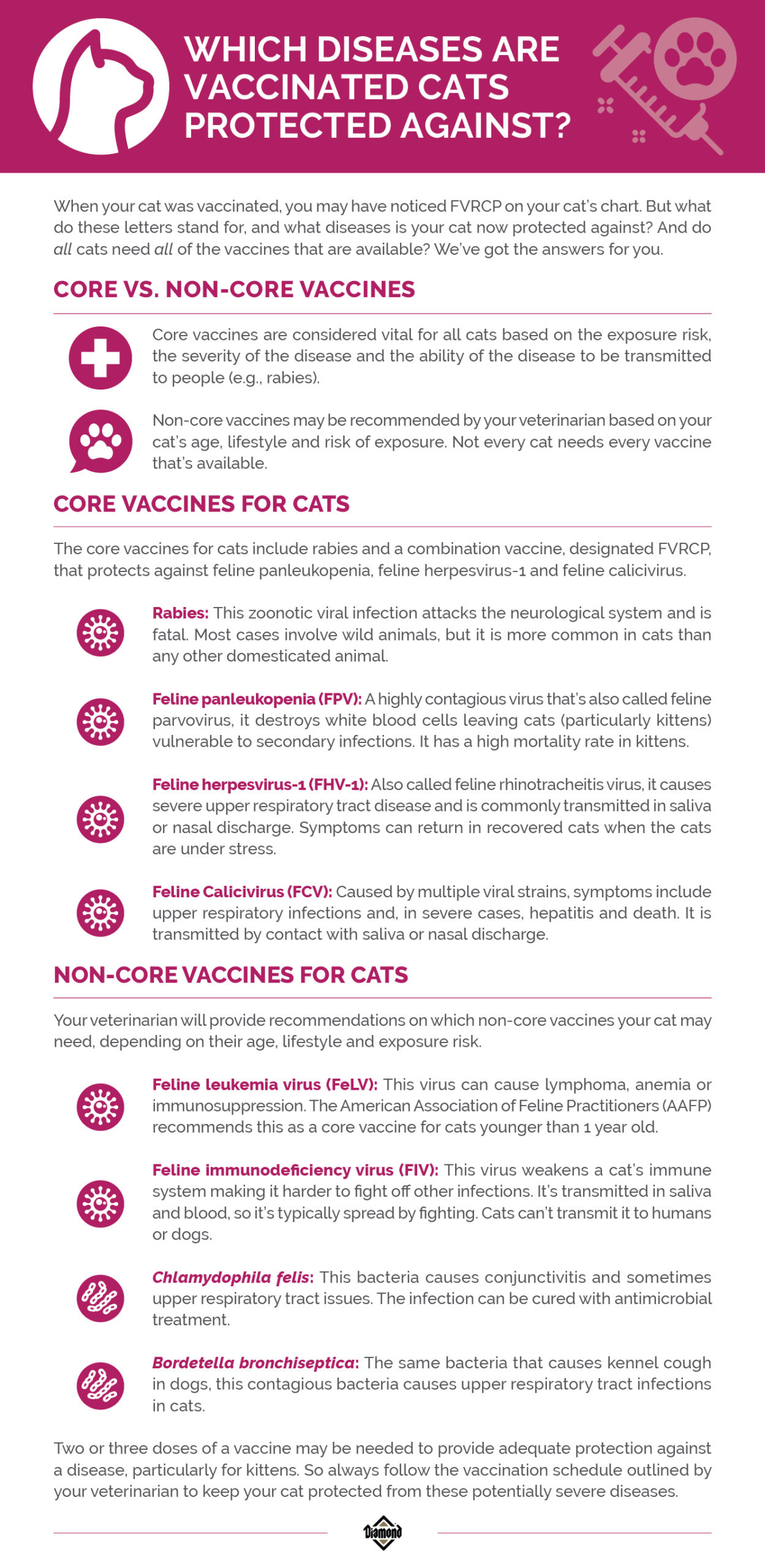
Credit: www.diamondpet.com
Non-core Vaccinations
Non-core vaccinations are not required for every cat. They depend on the cat’s lifestyle and environment. These vaccines protect against diseases that some cats might face due to their specific conditions.
Discussing non-core vaccines with a vet helps decide what shots your cat needs. These shots provide extra protection beyond the basic vaccines.
Feline Leukemia Virus
This vaccine protects cats from a serious virus called Feline Leukemia Virus (FeLV). Cats that go outdoors or live with other cats benefit most. The virus spreads through close contact, such as grooming or fighting. It can cause severe illness or even death. Usually, kittens get two shots, three to four weeks apart. Adult cats may need a booster depending on their risk.
Bordetella
Bordetella is a bacteria that can cause respiratory infections in cats. Cats in shelters, boarding, or catteries may need this vaccine. It helps reduce coughing, sneezing, and nasal discharge. The vaccine is given as a nasal spray or injection. Cats usually get one or two doses based on their risk. This vaccine is not for all cats but can prevent outbreaks in crowded places.
Chlamydia
The Chlamydia vaccine guards against a bacterial infection affecting the eyes and respiratory system. It is mainly for cats in multi-cat environments or shelters. The infection causes eye redness, discharge, and sneezing. Cats usually receive two doses, two to four weeks apart. Boosters may be needed yearly for at-risk cats. This vaccine is optional but helpful in certain settings.
Vaccination Schedule
Understanding the vaccination schedule for your cat is essential to keep them healthy and protected against common diseases. Vaccines are given in a series of shots at specific times to build immunity effectively. Knowing when and how many shots your cat needs helps you plan veterinary visits and ensures your furry friend stays safe.
Kitten Vaccination Timeline
Kittens usually start their vaccination series at around 6 to 8 weeks old. They receive a set of core vaccines, including those for feline distemper, calicivirus, and rhinotracheitis.
- 6-8 weeks:First round of core vaccines
- 10-12 weeks:Second round to boost immunity
- 14-16 weeks:Final round before they reach adulthood
Each shot builds on the last, so skipping any can leave your kitten vulnerable. I once delayed a booster for my kitten, and she caught a mild respiratory infection that could have been prevented. Don’t let a busy schedule put your kitten at risk.
Adult Cat Booster Shots
Once your cat reaches one year old, booster shots keep their immunity strong. These are usually given every 1 to 3 years, depending on the vaccine and your cat’s lifestyle.
- Annual check-ups to assess health and vaccination needs
- Booster for core vaccines like rabies and distemper
- Additional vaccines if your cat goes outdoors or is exposed to other cats
Do you know the last time your adult cat had a booster shot? Keeping a vaccination record can prevent accidental lapses. Talk to your vet about what’s best for your cat’s specific situation.
Factors Influencing Vaccination Needs
Understanding the factors influencing a cat’s vaccination needs helps ensure proper care. Vaccinations protect cats from serious diseases. Not all cats need the same shots or schedules. Several key elements affect how many shots your cat requires.
Indoor Vs. Outdoor Cats
Indoor cats have less exposure to germs and other animals. They often need fewer vaccines. Outdoor cats face more risks from fights, parasites, and infectious diseases. Their vaccination schedule may be more extensive and frequent.
Outdoor cats benefit from vaccines protecting against:
- Rabies
- Feline leukemia virus (FeLV)
- Upper respiratory infections
Indoor cats usually require core vaccines only. These include protection against:
- Feline distemper
- Rabies
Health Status And Age
Young kittens need a series of shots for full protection. Their immune system develops over time. Older cats may need boosters to maintain immunity. Cats with health problems might need tailored vaccination plans.
A sick or weak cat could react differently to vaccines. Vets may delay shots until the cat is healthier. Regular check-ups help adjust vaccine needs based on health changes.
Benefits Of Vaccinating Cats
Vaccinating cats is essential for their long-term health and well-being. Vaccines protect cats from harmful diseases that can cause severe illness or death. They also support a cat’s immune system, helping it fight infections more effectively.
Regular vaccinations keep cats safe and help maintain a healthy pet community. Understanding these benefits encourages responsible cat care and prevents avoidable health problems.
Disease Prevention
Vaccines shield cats from common and dangerous diseases. They protect against infections like feline leukemia, rabies, and distemper. Without vaccines, cats face high risks of serious health issues.
Vaccination reduces the chance of illness and helps cats live longer, healthier lives. It stops diseases from spreading inside your home and in outdoor areas where cats roam.
Community Health
Vaccinated cats protect other pets and people nearby. Many cat diseases can spread quickly between animals and sometimes to humans. Vaccination lowers the risk of outbreaks in neighborhoods.
A vaccinated cat population creates a safer environment for all animals. It reduces the need for costly treatments and emergency care due to contagious diseases.
Managing Vaccination Side Effects
Vaccinations are essential to keep cats healthy. After shots, some side effects may appear. Knowing how to manage these effects helps keep your cat safe and comfortable. Watch your cat closely during the hours and days after vaccination. Most reactions are mild and go away quickly. Proper care can reduce discomfort and prevent complications.
Common Reactions
Some side effects happen often but are not serious. They usually last one or two days. Signs include:
- Mild swelling or redness at the injection site
- Low energy or tiredness
- Loss of appetite
- Sneezing or mild coughing
- Soft stool or mild diarrhea
- Slight fever
These symptoms show the immune system is working. Most cats recover without treatment. Giving fresh water and a quiet space helps your cat feel better.
When To Contact A Veterinarian
Some reactions need quick medical help. Call your vet if your cat shows:
- Severe swelling that spreads
- Difficulty breathing or wheezing
- Vomiting or diarrhea lasting more than 24 hours
- High fever above 103°F (39.4°C)
- Seizures or collapse
- Continuous scratching or licking of the injection site
These symptoms could mean an allergic reaction or infection. Early treatment can prevent serious problems. Do not wait to get help if you see these signs.
Choosing The Right Veterinarian
Choosing the right veterinarian is crucial when determining how many shots your cat needs. The vet you trust will guide you through vaccination schedules, ensuring your cat stays healthy without unnecessary treatments. Finding someone who communicates clearly and understands your cat’s unique needs can make all the difference.
Questions To Ask
Before settling on a veterinarian, consider what questions you should ask to gauge their approach. You might want to know:
- How do you determine the vaccination schedule for cats?
- Are there risks associated with over-vaccinating?
- What signs should I watch for after vaccinations?
- Do you offer personalized care based on my cat’s lifestyle?
These questions help you understand if the vet prioritizes your cat’s health and tailors advice accordingly. Don’t hesitate to ask about their protocols for booster shots and how they handle vaccine reactions.
Assessing Their Experience
Experience matters a lot in veterinary care, especially for vaccinations. A vet familiar with feline health can better judge how many shots your cat truly needs based on age, health history, and risk factors.
Look for vets who have worked extensively with cats, not just general practice. You might ask about their training, years in practice, and any special certifications in feline medicine.
Remember, the right vet won’t just follow a standard schedule blindly. They’ll consider your cat’s specific situation to avoid unnecessary vaccines while ensuring protection.
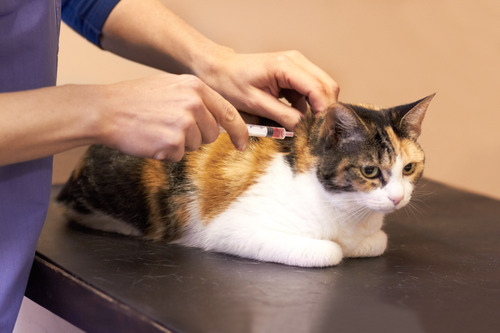
Credit: triangleanimalclinic.com

Credit: millsanimalhospital.com
Frequently Asked Questions
How Many Shots Does A Kitten Need Initially?
Kittens usually need a series of 3 to 4 shots starting at 6 to 8 weeks old. These core vaccines protect against common diseases and are given every 3 to 4 weeks until 16 weeks of age.
When Should Adult Cats Get Booster Vaccinations?
Adult cats typically receive booster shots annually or every three years. This depends on the vaccine type and the cat’s lifestyle. Regular boosters maintain immunity and protect cats from infectious diseases.
Which Vaccines Are Essential For All Cats?
Core vaccines include rabies, feline distemper (panleukopenia), calicivirus, and rhinotracheitis. These protect cats from serious, often fatal diseases. Non-core vaccines depend on the cat’s environment and risk factors.
Can Indoor Cats Skip Some Vaccinations?
Indoor cats still need core vaccines as diseases can enter homes. However, non-core vaccines might be optional based on exposure risk. Always consult a vet to tailor vaccinations to your cat’s lifestyle.
Conclusion
Cats need several shots to stay healthy and protected. Kittens usually get a series of vaccines in their first months. Adult cats might need booster shots yearly or as the vet advises. Vaccinations help prevent serious diseases and keep your cat safe.
Always follow your vet’s schedule for the best care. Staying up to date on shots means fewer health worries. Keep your cat’s health a priority with regular vaccinations. Simple steps can make a big difference in your cat’s life.
