

Are you wondering if your cat really needs annual vaccinations? You want to keep your furry friend healthy, but it’s easy to get confused about how often vaccines are necessary.
Understanding the truth about cat vaccinations can protect your pet from serious diseases and save you from unexpected vet bills. You’ll discover why yearly shots might be important, what risks they prevent, and how to make the best choices for your cat’s health.
Keep reading to find out exactly what your cat needs to stay safe and happy.

Credit: metrovetclinic.com
Importance Of Cat Vaccinations
Vaccinations play a crucial role in protecting your cat’s health. They guard against diseases that can be severe or even fatal. Understanding why these shots are necessary helps you make informed decisions for your furry friend’s well-being.
Protecting Against Common And Dangerous Diseases
Vaccines shield cats from illnesses like feline leukemia, rabies, and distemper. These diseases can spread quickly and are often hard to treat once contracted. By vaccinating your cat, you reduce the chance of these infections disrupting their life.
Keeping Your Cat Healthy And Active
When your cat stays vaccinated, they are less likely to fall ill. This means more playtime, less vet visits, and a happier pet overall. You want your cat to enjoy a full, energetic life, right?
Preventing The Spread To Other Pets And Humans
Vaccinated cats help stop the spread of contagious diseases in your home and community. Some illnesses can even jump to humans, posing serious health risks. Your choice to vaccinate protects everyone around you.
How Annual Vaccinations Fit Into Long-term Care
Vaccines don’t last forever; immunity fades over time. Annual shots refresh your cat’s defense system to keep protection strong. Skipping these can leave your cat vulnerable when you least expect it.
What Happens If You Skip Vaccinations?
Unvaccinated cats face higher chances of severe illness and complications. Treatment can be costly and stressful, both for you and your cat. Would you risk your cat’s health to save a single vet visit?
Core Vaccines For Cats
Core vaccines protect cats from serious diseases. These vaccines are essential for every cat’s health. They help prevent infections that can be deadly or cause severe illness. Understanding the main core vaccines helps owners keep their cats safe and healthy.
Feline Viral Rhinotracheitis
This vaccine protects against a virus that affects the cat’s nose and throat. It causes sneezing, eye discharge, and fever. Without vaccination, the infection can lead to severe respiratory problems. Vaccinating reduces the risk and severity of this disease.
Calicivirus
Calicivirus causes mouth ulcers, runny nose, and mouth sores. It spreads quickly among cats, especially in groups. Vaccination helps stop the spread and lowers symptoms. It keeps cats comfortable and prevents serious health issues.
Panleukopenia
Panleukopenia is a dangerous virus that attacks the immune system. It causes vomiting, diarrhea, and dehydration. Many cats can die without treatment. Vaccines provide strong protection against this deadly disease. Keeping this vaccine current is vital for your cat’s survival.
Non-core Vaccines
Non-core vaccines are not mandatory for all cats but can be crucial depending on your cat’s lifestyle and risk of exposure. These vaccines protect against diseases that are less common but potentially serious. Deciding which non-core vaccines your cat needs should be a conversation with your vet, based on where you live and how your cat interacts with other animals.
Feline Leukemia Virus
Feline Leukemia Virus (FeLV) is a serious disease that can weaken your cat’s immune system. Cats that go outside or live with other cats are at higher risk of catching FeLV. Vaccinating against FeLV can be lifesaving, especially if your cat spends time in environments where the virus might spread.
Have you ever thought about how your cat’s social habits affect their health risks? If your cat interacts with unknown cats, this vaccine is worth considering.
Bordetella
Bordetella is a bacteria that causes respiratory infections in cats. It’s more common in places where many cats gather, such as shelters or boarding facilities. If your cat often stays in such places, the Bordetella vaccine can reduce the chance of them getting sick.
Think about your cat’s day-to-day activities—are they often around other cats? This simple question can guide your vaccine choices.
Chlamydia
Chlamydia is a bacterial infection that affects the eyes and respiratory system of cats. It spreads quickly in multi-cat households and shelters. Vaccinating your cat for Chlamydia can prevent uncomfortable symptoms like eye discharge and sneezing.
Have you noticed your cat rubbing their eyes or sneezing more than usual? This might be a sign that the Chlamydia vaccine is something to discuss with your vet.
Risks Of Skipping Vaccinations
Skipping annual vaccinations for cats can lead to serious health risks. Vaccines protect cats from many dangerous diseases. Without vaccines, cats become more vulnerable to infections. These diseases can cause severe illness or even death. Protecting your cat with vaccines helps keep them healthy and safe.
Increased Risk Of Infectious Diseases
Unvaccinated cats face a higher chance of catching infectious diseases. Common feline diseases like rabies, feline leukemia, and panleukopenia spread quickly. These diseases can be fatal or cause long-term health issues. Vaccines reduce the chance of infection and stop the spread.
Higher Medical Costs
Treating vaccine-preventable diseases costs much more than vaccines. Hospital visits, medications, and special care add up fast. Vaccinations are a low-cost way to avoid expensive treatments. Prevention saves money and stress in the long run.
Risk To Other Pets And Humans
Unvaccinated cats can spread diseases to other animals. Some diseases, like rabies, can also infect humans. Protecting your cat helps protect your family and other pets. Vaccines create a safer environment for everyone.
Weakened Immune System Over Time
Without regular vaccinations, a cat’s immune defenses weaken. Older cats become more prone to infections. Annual vaccines boost immunity and keep cats strong. This helps them fight off illnesses more effectively.
How Vaccines Work
Understanding how vaccines work can help you appreciate why annual vaccinations are important for your cat. Vaccines prepare your cat’s body to fight off harmful diseases without causing the illness itself. This training of the immune system is a powerful way to keep your furry friend safe and healthy.
Immune System Response
Your cat’s immune system acts like a defense team, always on the lookout for invaders such as viruses or bacteria. When a vaccine is given, it introduces a harmless piece or a weakened form of the disease-causing agent. This prompts the immune system to produce antibodies, which are like targeted soldiers that remember the invader.
Next time your cat encounters the real disease, the immune system can respond quickly and effectively, often stopping the illness before it even starts. This memory response is why vaccines are so valuable—they give your cat a head start against infections. Have you noticed how your cat bounces back quickly from minor illnesses? That’s the immune system at work.
Types Of Vaccines
Not all vaccines are the same. There are several types designed to trigger immunity in different ways:
- Live attenuated vaccines:Contain a weakened form of the germ that can still replicate but doesn’t cause illness.
- Inactivated vaccines:Use a killed version of the germ, so it can’t multiply, but still teaches the immune system to respond.
- Subunit, recombinant, or toxoid vaccines:Include only parts of the germ or toxins it produces, focusing the immune response more precisely.
Choosing the right type depends on your cat’s health, age, and risk factors. Your vet tailors the vaccination plan to offer the best protection without unnecessary risks. How confident are you that your cat’s vaccinations match their lifestyle and environment?
Frequency Of Vaccinations
Vaccinations protect cats from many serious diseases. Knowing how often to vaccinate is important. The frequency depends on the cat’s age and health. Both kittens and adult cats need vaccines, but their schedules differ. Regular shots keep your cat safe and healthy over time.
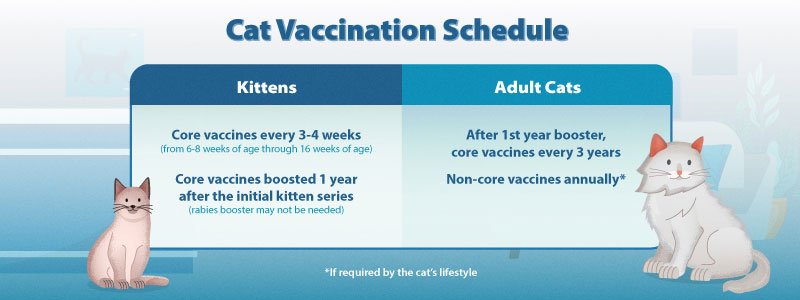
Kitten Vaccination Schedule
Kittens need several vaccines in their first months. This helps build strong immunity early. Usually, the schedule looks like this:
- 6 to 8 weeks: First vaccine dose
- 10 to 12 weeks: Second vaccine dose
- 14 to 16 weeks: Final kitten vaccine dose
These shots protect against common diseases like feline distemper and respiratory infections. Your vet may recommend extra vaccines based on risks.
Adult Cat Booster Shots
Adult cats need booster shots to keep protection strong. Most boosters are given every 1 to 3 years. The exact timing depends on the vaccine type and your cat’s lifestyle.
Indoor cats may need fewer vaccines than outdoor cats. Your vet will advise which boosters suit your cat best. Staying up to date prevents illness and saves vet bills.
Potential Side Effects
Vaccinations protect cats from many serious diseases. Still, some cats may show side effects after getting shots. These side effects usually last a short time and are mild. Knowing the signs helps cat owners keep their pets safe and healthy.
Common Reactions
- Mild fever and tiredness
- Swelling or soreness at the injection site
- Loss of appetite for a day or two
- Sneezing or coughing if given nasal vaccines
- Small lumps under the skin that fade over time
These reactions often disappear within 24 to 48 hours. Most cats recover without treatment.
When To Consult A Veterinarian
- Severe swelling or redness at the injection site
- Difficulty breathing or wheezing
- Persistent vomiting or diarrhea
- Extreme lethargy lasting more than two days
- Seizures or collapse
Contact a vet quickly if you see any of these signs. Early care can prevent serious problems.
Credit: paradepets.com
Cost Of Vaccinations
Vaccinations for cats come with a cost that varies by location and clinic. Understanding these costs helps pet owners plan better for their cat’s health care. Annual vaccinations protect cats from serious diseases, making the expense worthwhile.
The price depends on the type of vaccine and the vet’s fees. Basic vaccines usually cost less, while specialized ones may be pricier. Some clinics offer package deals that reduce overall costs.
Factors Affecting Vaccination Costs
- Type of vaccine needed
- Location of the veterinary clinic
- Age and health of the cat
- Additional veterinary services
- Clinic’s pricing policies
Typical Price Range For Cat Vaccinations
| Vaccine Type | Estimated Cost (USD) |
|---|---|
| Rabies | $15 – $30 |
| FVRCP (Feline Distemper) | $20 – $40 |
| FeLV (Feline Leukemia) | $25 – $45 |
Ways To Manage Vaccination Expenses
- Check for low-cost vaccination clinics
- Ask the vet about package deals
- Consider pet insurance plans
- Schedule vaccinations during wellness visits
- Look for community pet health events
Choosing A Veterinarian
Choosing a veterinarian is crucial for your cat’s health. The right vet ensures your cat gets proper care and vaccinations. Trust and communication matter. A good vet helps you understand your cat’s needs.
Questions To Ask
- What vaccines does my cat need annually?
- Are there any risks with the vaccines?
- How do you handle emergency care?
- What are your clinic hours and availability?
- Do you offer wellness plans or vaccination packages?
- What experience do you have with cats?
Evaluating Care Options
Check the clinic’s cleanliness and equipment. Observe how staff treat animals and owners. Ask about the vet’s approach to vaccinations and preventive care. Compare costs but focus on quality care. Look for vets who explain procedures clearly. A good vet builds a long-term relationship with your cat.
Myths About Cat Vaccinations
Many cat owners hesitate about annual vaccinations because of common myths that spread confusion. These myths can lead you to skip important vaccines, putting your cat’s health at risk. Let’s clear up some of the biggest misunderstandings so you can make informed choices for your furry friend.
Myth: Cats Don’t Need Vaccinations Every Year
Some believe that once a cat is vaccinated, they’re protected for life. This isn’t true.
Vaccines can lose effectiveness over time, and new strains of diseases emerge. Annual boosters help maintain strong immunity, keeping your cat safe year after year.
Myth: Vaccinations Cause More Harm Than Good
It’s easy to worry about side effects, but serious vaccine reactions are extremely rare.
Most cats experience only mild, short-lived side effects like slight soreness or tiredness. The benefits of preventing deadly diseases far outweigh these minor risks.
Myth: Indoor Cats Don’t Need Vaccinations
You might think indoor cats are safe from infections, but they can still be exposed.
Visitors, other pets, or even insects can bring germs inside. Vaccinations protect your cat from unexpected risks, no matter where they live.
Myth: Vaccinations Are Too Expensive And Unnecessary
While vaccine costs add up, consider the high price of treating preventable diseases.
Vaccinations save you money and heartache by avoiding costly vet visits and treatments for serious illnesses. Isn’t your cat’s health worth the investment?
Credit: petpettypaw.com
Frequently Asked Questions
Do Cats Really Need Annual Vaccinations?
Yes, annual vaccinations protect cats from serious diseases. They boost immunity and ensure long-term health. Regular shots prevent common infections and reduce the risk of outbreaks.
Which Vaccines Are Essential For Cats Yearly?
Core vaccines include rabies, feline distemper, and calicivirus. Your vet may recommend others based on lifestyle. Annual boosters keep these vaccines effective against evolving viruses.
Can Skipping Annual Vaccines Harm My Cat?
Skipping vaccines increases the risk of illness. Unvaccinated cats are vulnerable to contagious diseases. Regular shots help maintain herd immunity, protecting all cats around.
Are There Risks To Yearly Cat Vaccinations?
Vaccines are generally safe with minimal side effects. Mild symptoms like soreness or fatigue may occur briefly. Serious reactions are rare but vets monitor closely.
Conclusion
Annual vaccinations keep cats healthy and safe from diseases. They help protect your cat from serious illnesses. Regular shots support your cat’s immune system. Skipping vaccines can put your cat at risk. Talk to your vet about the best vaccine plan.
Staying updated means fewer health problems later. Vaccines are a simple step to care for your cat. Keep your furry friend happy and strong with yearly shots. It’s a small effort for big health benefits. Your cat deserves the best protection.
