


Have you ever wondered why cats have those long, delicate whiskers on their faces? You might think they’re just for looks, but whiskers are actually powerful tools that help your furry friend navigate the world.
Understanding what cats need whiskers for can change the way you see your pet’s behavior. You’ll discover surprising facts about these tiny sensors and why they’re so important for your cat’s daily life. Keep reading to unlock the secret life of your cat’s whiskers—you won’t want to miss this!
Whiskers As Sensory Tools
Cat whiskers are much more than just cute facial features. These specialized hairs act as highly sensitive sensory tools that help cats navigate their world. Understanding how whiskers function can change the way you see your feline friend’s behavior.
How Whiskers Detect Changes In The Environment
Whiskers, also called vibrissae, are deeply embedded in a cat’s skin and connected to nerve endings. This setup makes them incredibly sensitive to even the slightest air currents or vibrations.
When your cat moves through a narrow space or encounters an object, the whiskers pick up subtle changes in airflow, helping your pet judge distance and size without using sight.
Whiskers Help Cats “see” In The Dark
Ever wonder how cats move so confidently in low light? Whiskers act like radar, sensing obstacles before your cat physically bumps into them.
They provide spatial awareness, allowing cats to hunt or explore at night without relying solely on their eyes. This sensory input is crucial for survival and comfort in dim environments.
Whiskers As Communication Tools
You might notice your cat’s whiskers change position depending on their mood. Forward-pointing whiskers often indicate curiosity or excitement, while whiskers flattened back can signal fear or aggression.
These subtle signals help cats communicate feelings and intentions to other animals and even to you, their human companion.
Protecting Whiskers Is Protecting Your Cat’s Senses
Since whiskers are so vital, trimming or damaging them can disorient your cat. Imagine losing your sense of touch suddenly—your cat feels a similar loss without healthy whiskers.
Keep this in mind next time you groom your cat or play around its face. Gentle care preserves their sensory edge and overall well-being.

Credit: www.youtube.com
Navigation And Spatial Awareness
Cats rely heavily on their whiskers for navigation and spatial awareness. These long, sensitive hairs help them move safely through tight spaces and dark areas. Whiskers detect changes in the air, alerting cats to nearby objects without touching them.
Whiskers act like a natural measuring tool. They help cats judge whether their bodies can fit through openings. This sense prevents cats from getting stuck or injured.
Detecting Nearby Objects
Whiskers sense vibrations and air currents around the cat. This ability helps cats avoid obstacles quickly. Even in low light, whiskers guide cats without relying on sight.
Measuring Space And Distance
The length of whiskers matches the width of a cat’s body. This helps cats judge if they can pass through narrow gaps. They move smoothly without bumping into things.
Enhancing Movement In Darkness
In the dark, cats cannot see well. Whiskers provide crucial information about the surroundings. Cats rely on whiskers to navigate safely in dim places.
Communication And Emotion
Whiskers are not just sensory tools for cats; they play a crucial role in how cats express their feelings and communicate with others. These fine hairs help your cat share its mood without a single meow. Understanding whisker movements can give you deeper insight into your cat’s emotional world.
How Whiskers Show A Cat’s Mood
Your cat’s whiskers shift position based on how it feels. When a cat is relaxed, the whiskers will rest gently against the face. But if your cat feels alert or curious, the whiskers will push forward, almost like they’re reaching out to explore.
Have you ever noticed your cat’s whiskers flatten against its cheeks? This usually signals fear or aggression. Watching these subtle changes can tell you when your cat feels safe or threatened, even if it’s not obvious otherwise.
Using Whiskers To Communicate With Other Cats
Cats don’t just use whiskers to talk to humans—they use them to interact with other cats too. Whisker positions can signal dominance, submission, or a desire to play. This silent language helps avoid fights and builds social bonds.
For instance, a cat might flare its whiskers out wide to appear bigger and warn others to back off. Or it might pull them in tight when it wants to stay unnoticed. Recognizing these signs can help you understand your cat’s social behavior better.
Can You Read Your Cat’s Whiskers?
Next time your cat approaches you, watch the whiskers closely. Are they pointing forward, relaxed, or pulled back? This can help you decide whether your cat wants attention, is curious, or prefers to be left alone.
Try this: Spend a day observing your cat’s whisker movements in different situations. You might be surprised how much you learn about their feelings and communication style. What new whisker signals will you discover about your cat?
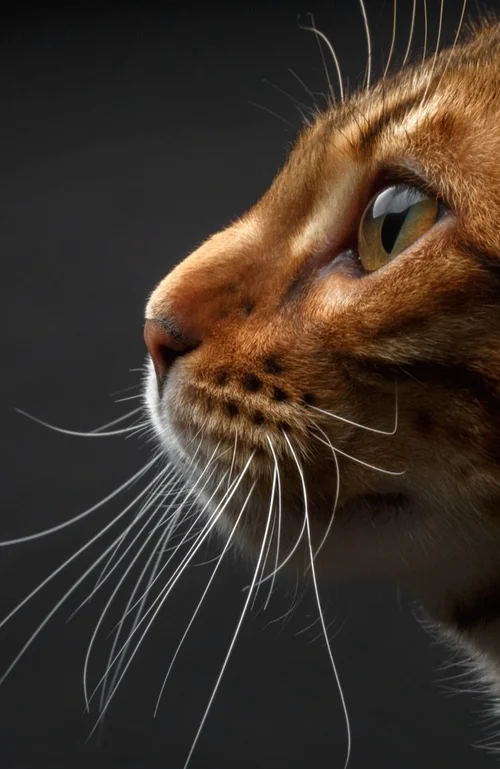
Credit: www.tappityapp.com
Whiskers And Hunting Skills
Cats rely on their whiskers as vital tools for hunting. These sensitive hairs help cats detect nearby objects and movements. Whiskers allow cats to measure spaces and judge distances precisely. This ability makes stalking and catching prey easier and more effective.
Whiskers also sense tiny changes in air currents. These changes can signal the presence of prey hiding nearby. With the help of whiskers, cats can hunt even in low light or darkness. They use this sensory input to move quietly and strike accurately.
Whiskers Detect Prey Movements
Whiskers pick up vibrations and shifts in the air. These signals help cats notice small animals nearby. Even the slightest movement can trigger a cat’s hunting response. Whiskers act like early warning systems during a hunt.
Measuring Distance With Whiskers
Cats use whiskers to estimate if they can fit through tight spaces. This skill helps during chases or when hiding. Knowing the right distance to jump or pounce improves hunting success. Whiskers give cats a clear sense of their surroundings.
Whiskers Guide Nighttime Hunting
In darkness, whiskers become the cat’s main sensory tool. They replace vision to detect obstacles and prey. Cats rely on whiskers to move silently and avoid dangers. This ability makes them skilled nocturnal hunters.
The Role In Balance And Coordination
Cats rely on their whiskers for more than sensing the environment. Whiskers play a vital role in balance and coordination. They help cats move gracefully and avoid obstacles. These special hairs act like tiny sensors that detect changes in the surroundings.
Whiskers send important signals to the cat’s brain about nearby objects and air currents. This information helps cats adjust their body position quickly. It is crucial when they jump, climb, or walk on narrow surfaces.
The Sensory Feedback Whiskers Provide
Whiskers detect even the smallest changes in air movement. This feedback helps cats know if they are close to walls or furniture. It allows them to move carefully without bumping into things.
How Whiskers Help In Jumping And Landing
Before a cat jumps, whiskers measure space and distance. They guide the cat to land safely by sensing the landing surface. This prevents falls and injuries.
Whiskers And Spatial Awareness
Whiskers create a mental map of the cat’s surroundings. This helps them navigate tight spaces with ease. Cats can move confidently in the dark or in cluttered areas.
Coordination During Hunting
Whiskers assist cats in catching prey by sensing movement and position. They help align the body for quick, precise strikes. This improves hunting success and survival.
Whisker Fatigue Phenomenon
Have you ever noticed your cat refusing to eat from a deep bowl or pulling away from a narrow space? This behavior might be linked to a surprising issue called whisker fatigue. Whisker fatigue happens when a cat’s sensitive whiskers get overstimulated, causing discomfort and stress.
Cats use their whiskers to sense the world around them. These delicate hairs are packed with nerves, making them highly sensitive to touch and changes in the environment. When whiskers brush against objects repeatedly or get pushed into tight spaces, it can overwhelm their senses.
Imagine wearing tight glasses that constantly press against your skin—after a while, you’d want to take them off. Your cat feels something similar when their whiskers are overstimulated. This can lead to changes in behavior that you might not immediately connect to whisker discomfort.
How Whisker Fatigue Affects Your Cat’s Behavior
Whisker fatigue can cause your cat to avoid certain foods, especially if their whiskers touch the sides of a deep or narrow bowl. You might notice them eating less or even refusing to eat from their usual dish.
Other signs include:
- Reluctance to enter tight spaces
- Pawing at their face or whiskers
- Increased irritability or withdrawal
Recognizing these signs early can help you make simple changes to improve your cat’s comfort.
How To Prevent And Manage Whisker Fatigue
You can reduce whisker fatigue by changing your cat’s feeding setup. Use shallow, wide dishes that don’t touch their whiskers during meals. Ceramic or stainless steel bowls are great options because they don’t retain smells like plastic can.
Also, avoid overcrowding their eating area with toys or other objects that might brush their whiskers. Give your cat space to explore without feeling whisker overload from tight spaces or cluttered corners.
Could Whisker Fatigue Be Affecting Your Cat’s Well-being?
Have you observed your cat’s eating habits or behavior closely enough to spot signs of whisker fatigue? Small adjustments can make a big difference in their comfort and happiness.
Next time you see your cat hesitate at their food bowl or avoid a favorite spot, consider whether whisker fatigue might be the cause. Paying attention to their whiskers could unlock a better understanding of their needs and improve your bond.
Care And Maintenance Of Whiskers
Whiskers are more than just charming features on your cat’s face—they are essential sensory tools that need proper care. Taking care of your cat’s whiskers ensures they stay sensitive and functional, helping your pet navigate the world safely. You might wonder how to keep these delicate hairs in top shape and what habits could unintentionally harm them.
Understanding The Importance Of Natural Wear
Cats naturally shed and regrow whiskers, so it’s normal to find a few around the house. Avoid trimming or cutting whiskers, even if they look long or messy. Your cat depends on them for balance and spatial awareness, and cutting them can cause confusion or stress.
Providing A Safe Environment For Whisker Health
Sharp edges or narrow spaces can harm whiskers. Watch your cat’s favorite spots—tight boxes or narrow feeders might bend or break whiskers. Offering wide, shallow food bowls can prevent whisker fatigue, a discomfort caused by whiskers touching the sides repeatedly.
Regular Grooming Without Disturbing Whiskers
While brushing your cat, be gentle around the whisker area. Use soft brushes and avoid pulling or tugging on the whiskers. This small care step keeps the whiskers intact and your cat comfortable during grooming sessions.
Recognizing Signs Of Whisker Damage
Does your cat seem hesitant in tight spaces or bump into furniture? These might be signs of whisker damage. Check for broken or missing whiskers, and if you notice unusual behavior, consult your vet to ensure your cat’s whiskers are healthy.
Feeding Tips To Support Whisker Function
- Choose wide, flat food and water dishes to prevent whisker stress.
- Keep feeding areas clean to avoid infections around whisker follicles.
- Observe if your cat avoids eating; it might be due to whisker discomfort.
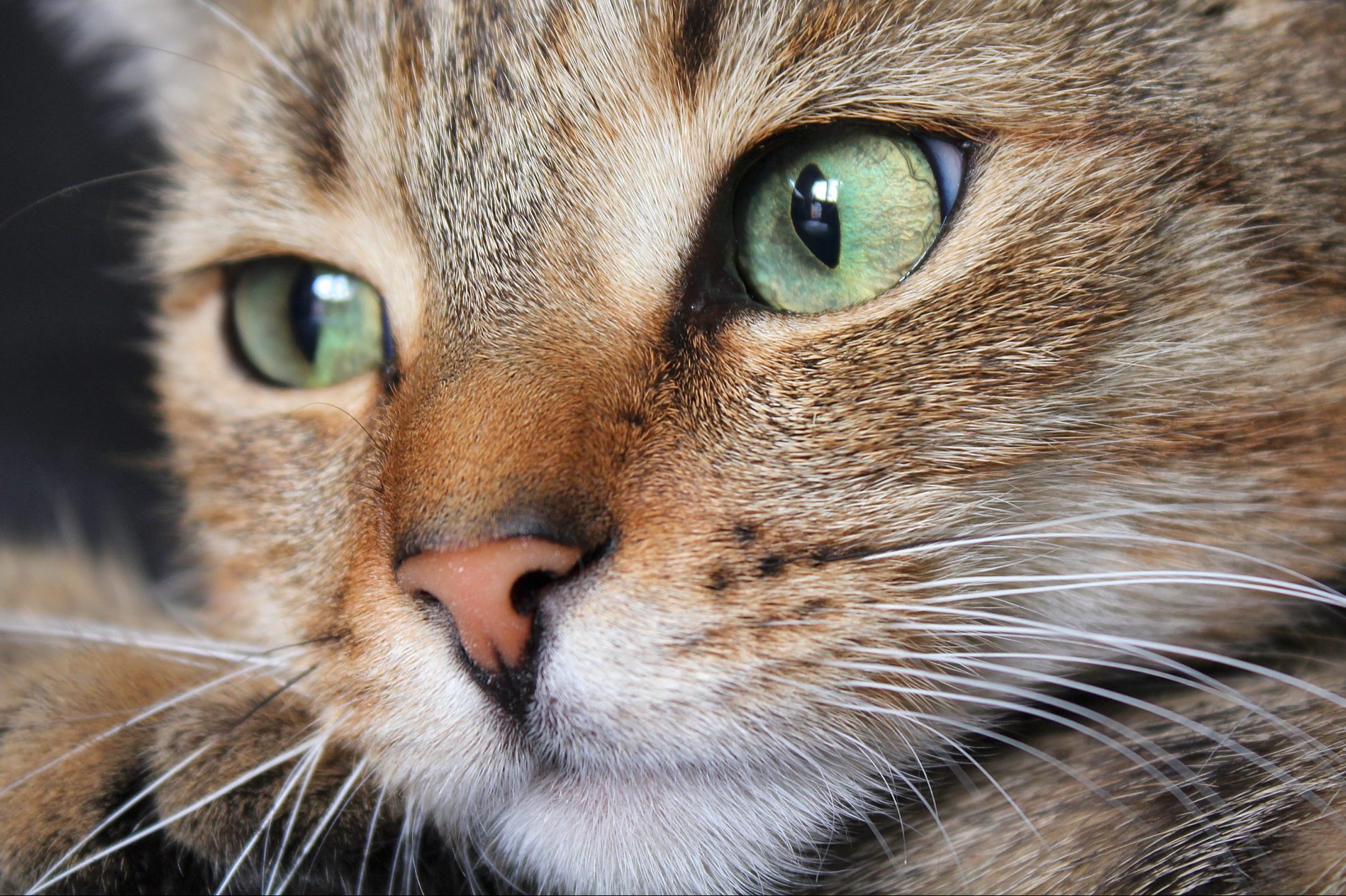
Credit: www.rd.com
Frequently Asked Questions
Why Are Cat Whiskers Important For Navigation?
Cat whiskers help cats sense their surroundings and navigate tight spaces. They detect air currents and nearby objects, allowing cats to move safely in the dark or narrow areas without bumping into things.
How Do Whiskers Help Cats Measure Space?
Cats use whiskers to judge the width of openings. Whiskers extend roughly as wide as their body, helping them determine if they can fit through gaps without getting stuck.
Can Cats Use Whiskers For Hunting?
Yes, cat whiskers detect subtle movements of prey. They help cats sense vibrations and position, improving their accuracy when stalking or pouncing on small animals.
Do Cat Whiskers Affect Their Mood Or Behavior?
Whiskers can indicate a cat’s mood. Relaxed whiskers mean calmness, while forward or twitching whiskers show curiosity or alertness. This helps cats communicate non-verbally.
Conclusion
Cats rely on their whiskers for many important reasons. Whiskers help them sense their surroundings, even in the dark. They measure spaces to know if they can fit through. These tiny hairs also show how a cat feels. Losing whiskers can confuse and stress a cat.
Understanding whiskers helps us care better for our pets. They are more than just pretty features. Whiskers are vital tools that keep cats safe and aware. Every cat’s whiskers tell a story about their world.
