

Are you wondering how much space your cat really needs to be happy and healthy? You might think a small apartment isn’t enough, or maybe you’re curious if your home is too crowded for your furry friend.
Finding the right amount of room can make a big difference in your cat’s behavior and well-being. You’ll discover simple tips and facts that will help you create the perfect space for your cat to thrive. Keep reading to learn how to make your home a true haven for your feline companion.
Credit: www.kentremovalsstorage.com.au
Indoor Space Requirements
Cats need enough indoor space to stay happy and healthy. Space helps them move, play, and rest comfortably. Indoor environments should provide areas for eating, sleeping, and exploring. Each cat’s needs differ depending on size and activity level. Proper space reduces stress and prevents behavior problems.
Living Area Essentials
Every cat needs a cozy place to rest. Soft beds or cushions work well. Cats enjoy quiet corners where they feel safe. Feeding areas should be separate from litter boxes. Fresh water must always be available. Toys and scratching posts keep cats entertained. Space for climbing and hiding is important too.
Vertical Space Importance
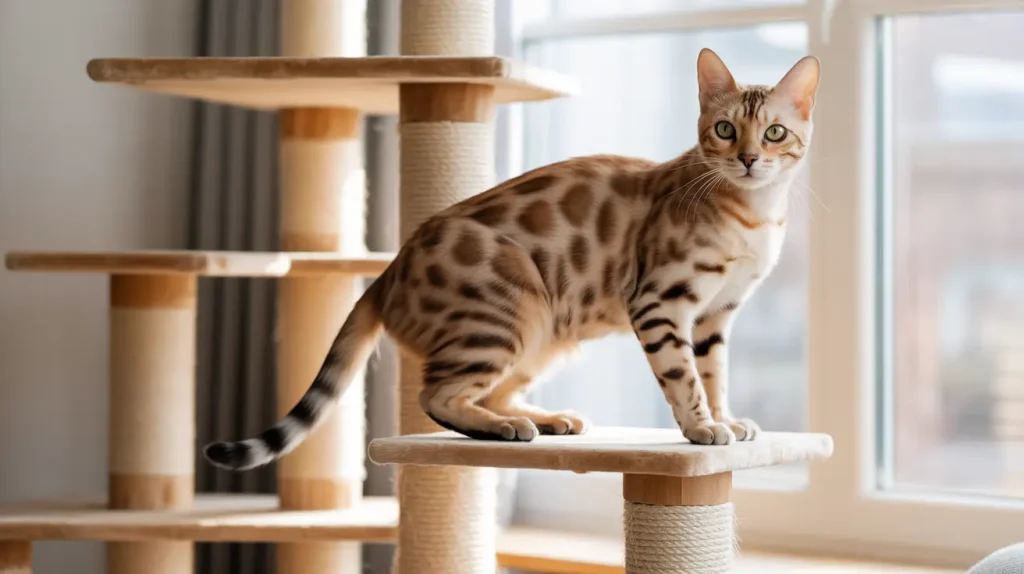
Cats love to climb and observe from high spots. Vertical space expands their living area without extra floor space. Cat trees, shelves, and window perches offer climbing options. High spots provide security and reduce anxiety. Vertical space helps indoor cats exercise and stay active. It keeps them mentally sharp and physically fit.
Outdoor Space Considerations
Cats enjoy outdoor time, but safety is key. Outdoor space must be secure and comfortable. It should allow cats to explore without harm or stress. Proper planning creates a happy outdoor area for your cat.
Safe Exploration Zones
Creating safe zones helps cats explore freely. Use fences or netting to keep cats inside the yard. Plants should be non-toxic and safe for cats. Avoid areas with heavy traffic or wild animals. Provide shaded spots for rest and shelter. Toys and climbing structures add fun and exercise.
Balcony And Patio Safety
Balconies and patios can be risky for cats. Install high screens or netting to prevent falls. Remove small objects cats can swallow. Check for gaps where cats might escape. Use sturdy furniture that won’t tip over. Keep plants safe and free from chemicals. Supervised outdoor time is best on balconies or patios.
Creating A Stimulating Environment
Creating a stimulating environment is key to keeping your cat happy and healthy, especially when space is limited. Cats need more than just room to roam; they require mental and physical challenges to stay engaged. Providing the right mix of activities and structures can transform any living space into a playground that satisfies your cat’s natural instincts.
Toys And Enrichment Activities
Variety is essential when it comes to toys. Rotate different types to keep your cat interested, such as feather wands, laser pointers, and puzzle feeders. Puzzle feeders are especially great because they challenge your cat’s problem-solving skills while offering a tasty reward.
Think about your cat’s personality. If your cat loves to chase, toys that mimic prey movements will excite them more. If they prefer quiet play, soft balls or stuffed toys might be better. Have you noticed your cat’s favorite way to play? Use that as a guide to choose toys that truly engage them.
Scratching Posts And Climbing Towers
Scratching posts aren’t just for sharpening claws; they help your cat stretch and mark their territory. Place posts near favorite resting spots or windows to encourage use. If your cat ignores a post, try different materials like sisal, carpet, or wood to find what they like.
Climbing towers create vertical space, which cats love. They feel safer when they can observe their surroundings from above. Even in small apartments, a tall, narrow tower can provide hours of entertainment and exercise. Have you tried adding a perch near a sunny window? It might become your cat’s new favorite spot.
Personal Space For Solitude
Cats need their own quiet space to feel safe and relaxed. Personal space for solitude helps them reduce stress and rest well. Giving your cat a spot to be alone is important for their happiness. They often seek places away from noise and activity. These small retreats let cats unwind and enjoy peace.
Quiet Retreats
Quiet retreats are calm areas with little noise or movement. Cats prefer these spots to nap or observe without disturbance. Choose a room or corner away from loud sounds. Soft cushions or beds make these places inviting. Quiet retreats let cats escape busy homes and feel secure.
Hiding Spots And Cozy Corners
Hiding spots give cats a sense of safety and control. Boxes, shelves, or covered beds work well as hiding places. Cats like small, enclosed spaces where they can hide and watch. Cozy corners with blankets or pillows add warmth and comfort. These spots satisfy their natural need to hide and rest.
Shared Spaces With Humans
Sharing your living space with a cat means balancing their needs with your own. Cats are curious creatures who enjoy being near you but also require their own territory. Creating shared spaces that cater to both your lifestyle and your cat’s comfort can improve your bond and make your home more harmonious.
Interactive Play Areas
Setting up interactive play zones within your shared space keeps your cat engaged and active. Use areas near your seating or workspaces where your cat can safely chase toys or climb on scratching posts. I’ve noticed my cat stays happier and less restless when she has a designated spot close to me with plenty of stimulation.
Think about adding:
- Cat trees or shelves near windows or your desk
- Interactive toys like feather wands or laser pointers
- Soft mats or cushions that invite your cat to lounge nearby
Does your cat often seek attention while you’re busy? These play areas can help redirect that energy and keep both of you content.
Dining Zones
Your cat’s dining area should be distinct but close enough to feel part of the household routine. Placing food and water bowls in a quiet corner near your kitchen or dining room prevents stress from loud noises and foot traffic. I found that my cat eats better when her bowls aren’t in a high-traffic zone yet still within sight of where I eat.
To make the dining zone work for you both:
- Use easy-to-clean mats under bowls to contain spills
- Keep the area tidy and refill food regularly
- Consider feeding your cat on a schedule aligned with your mealtimes
Have you noticed your cat’s eating habits change depending on where their bowls are placed? Small adjustments can make a big difference in their comfort and appetite.
Space For Multiple Cats
Having multiple cats means you need to think carefully about how much space they’ll each require. Cats are territorial by nature, so sharing space doesn’t always come easy. Giving them enough room to coexist comfortably helps reduce stress and keeps your home peaceful.
Managing Territory Conflicts
Cats often claim specific areas as their own, which can lead to conflicts if space is limited. Watch for signs like hissing, swatting, or blocking access to favorite spots. These behaviors signal that your cats feel their territory is being threatened.
To ease tensions, create multiple vertical and horizontal spaces. Cat trees, shelves, and window perches give your cats options to claim their own territory without crowding. This setup allows shy cats to escape and confident cats to assert dominance safely.
Shared And Separate Resources
Resource sharing is a major factor in how well multiple cats get along. You need to provide enough litter boxes, food bowls, and sleeping areas to prevent competition. The general rule is one litter box per cat, plus one extra.
Place these resources in different locations to avoid crowding and reduce stress. Separate feeding stations help stop food guarding and allow each cat to eat peacefully. Think about your cats’ personalities—some prefer solitude while others enjoy company during mealtime.
Adapting Spaces For Senior Cats
Adapting your home for a senior cat means making thoughtful changes that match their changing needs. Older cats often slow down and require more comfort and easier access to favorite spots. Small adjustments can make a big difference in their happiness and health.
Easy Accessibility
Senior cats may struggle with jumping or climbing like they used to. You can help by adding ramps or steps to their favorite high places, like beds or window perches.
Place litter boxes, food, and water dishes on low, stable surfaces. Avoid stairs or slippery floors that could cause falls or injuries.
Think about your cat’s daily routine. Are there any spots they avoid because they’re hard to reach? Adjust those areas first to keep them active and comfortable.
Comfort And Safety Adjustments
Older cats appreciate warm, soft spots to rest. Add extra blankets or cushioned beds in quiet corners to create cozy retreats.
Remove or secure loose wires and small objects that might confuse or harm a slower cat. Safety becomes more important as their senses dull.
Consider nightlights if your cat moves around after dark. This helps prevent bumps and reduces stress from navigating in the dark.

Credit: www.oliverpetcare.com

Credit: www.reddit.com
Frequently Asked Questions
How Much Space Do Cats Need Indoors?
Cats need at least 18 square feet of dedicated space indoors. This allows room for play, rest, and exploration. More space reduces stress and supports healthy activity.
Can Small Apartments Accommodate Multiple Cats?
Yes, but ensure enough vertical and horizontal space. Use shelves and cat trees to maximize vertical areas. Provide separate resources to prevent territorial conflicts.
How Does Space Affect A Cat’s Behavior?
Limited space can cause stress, anxiety, and aggression in cats. Adequate room promotes exercise, mental stimulation, and calm behavior.
Is Outdoor Space Necessary For Cats?
Outdoor space is beneficial but not necessary if indoor space is enriching. Safe access to fresh air and stimulation supports well-being.
Conclusion
Cats need enough space to move, play, and rest comfortably. Small rooms can work if you add toys and climbing spots. Bigger areas help active cats stay happy and healthy. Each cat is different; watch their behavior to see if they need more room.
Give your cat cozy spots to feel safe and relaxed. Space matters for their well-being and mood. A happy cat makes a happy home. Keep their space clean and fun for best results.
