

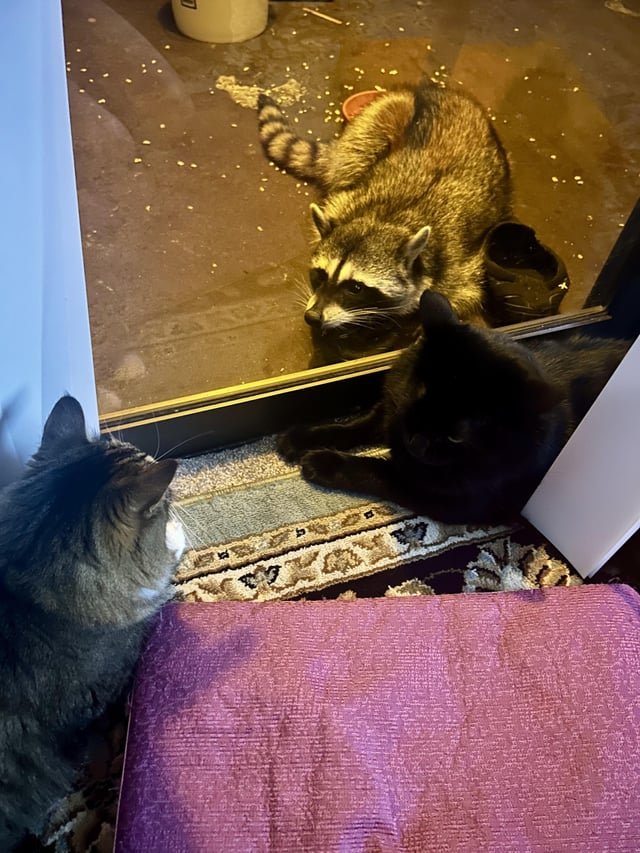
Have you ever wondered if raccoons pose a threat to your beloved cat? If you’re worried about your furry friend’s safety when they’re outside, you’re not alone.
Understanding whether raccoons eat cats can help you protect your pet and keep your home safe. Keep reading, because what you learn here could change how you care for your cat and manage your yard. Don’t miss out on these important facts that every cat owner should know.

Credit: www.reddit.com
Raccoon Diet Basics
Raccoons have a varied diet that helps them survive in many environments. They are known as opportunistic eaters. This means they eat whatever food is available. Their diet includes plants, animals, and human leftovers. Understanding what raccoons eat is key to answering if they eat cats.
Natural Foods In A Raccoon’s Diet
- Fruits such as berries, apples, and grapes
- Nuts and seeds found in forests and parks
- Insects like beetles, grasshoppers, and crickets
- Small animals including frogs, fish, and birds
- Eggs from birds and reptiles
- Plants including roots and leaves
Raccoons As Opportunistic Omnivores
Raccoons eat both plants and animals. They adjust their diet based on food availability. This ability helps them thrive in cities and wild areas. They often forage near water sources. Their paws help them catch fish and grab food easily.
Human Food And Raccoons
Raccoons often raid trash cans and campsites. They eat leftover food and scraps. This habit can bring them close to homes and pets. They like foods rich in fats and sugars. This diet change can affect their natural eating habits.
Raccoon Behavior And Habits
Understanding raccoon behavior and habits is essential if you want to know whether raccoons pose a threat to your cats. These creatures are curious, intelligent, and opportunistic. They adapt quickly to urban environments and often venture into backyards and neighborhoods in search of food.
Raccoons’ Feeding Patterns
Raccoons are omnivores, which means they eat both plants and animals. Their diet includes fruits, nuts, insects, small animals, and leftovers from human trash. While they can catch small prey, they usually avoid confrontations with larger animals like cats.
Have you noticed raccoons rummaging through your garbage cans at night? This behavior shows they prefer easy meals over hunting. Understanding this can help you secure your trash and reduce unwanted encounters.
Activity Times And Territorial Range
Raccoons are mostly nocturnal. They are active during the night and rest during the day. This habit reduces their chances of crossing paths with your cat, especially if your cat stays indoors at night.
They tend to stay within a 1 to 2-mile radius from their den but can travel farther if food is scarce. Knowing their range helps you assess the risk level if you live near wooded areas or parks.
Social Behavior And Interaction With Other Animals
Raccoons are generally solitary but may form loose groups when food is abundant. They communicate using a variety of sounds, body language, and facial expressions. Despite their adaptability, raccoons usually avoid direct fights unless threatened.
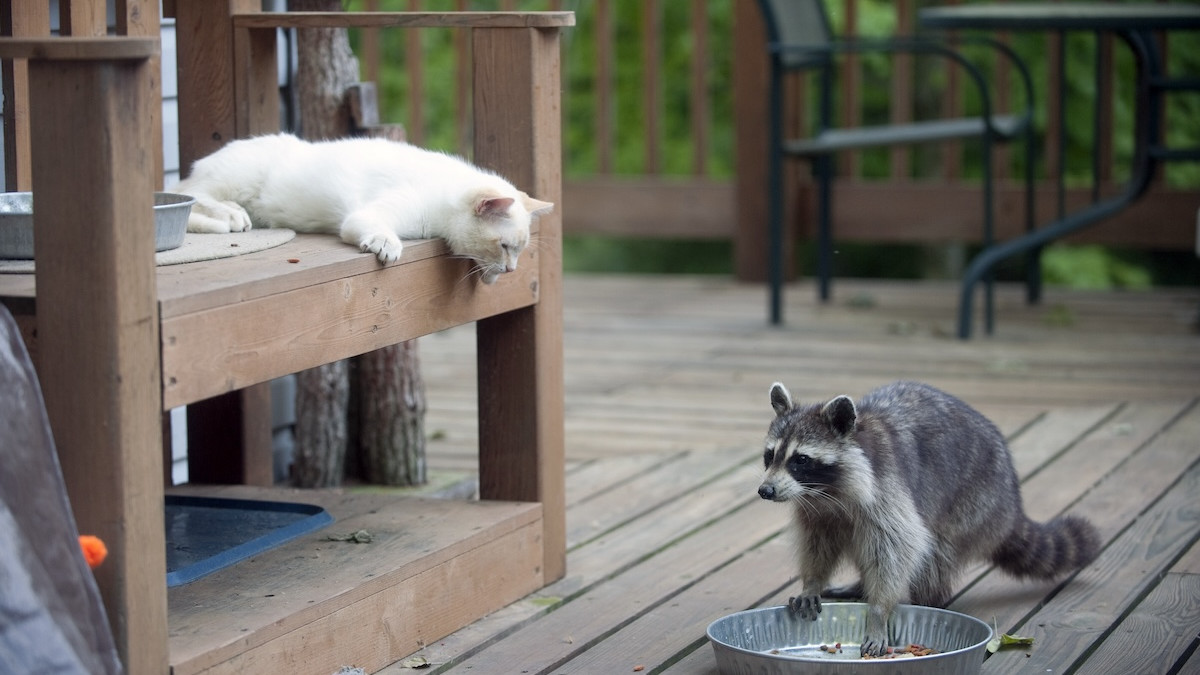
Have you ever seen a raccoon and a cat in the same yard? Often, they ignore each other unless food is involved. This behavior suggests that raccoons don’t see cats as regular prey but might act defensively if cornered.
Raccoons In Urban Environments
Raccoons have adapted impressively to urban environments, making city life their new normal. They navigate through backyards, alleys, and parks with ease, searching for food and shelter. Understanding their behavior in these settings can help you protect your pets and property effectively.
How Raccoons Find Food In Cities
Raccoons are clever scavengers. They often raid garbage bins, compost piles, and bird feeders for a quick meal. You might notice them rummaging through your trash at night, attracted by the smell of leftovers.
Unlike wild settings where they hunt small animals, city raccoons rely more on human waste. This shift in diet means they rarely need to hunt pets, but it doesn’t eliminate risk entirely.
Raccoons’ Interaction With Domestic Pets
Raccoons usually avoid direct conflict with cats and dogs. However, if a raccoon feels cornered or threatened, it might become aggressive. Have you ever seen a raccoon and your cat stare each other down from opposite sides of a fence?
Most encounters end without harm, but it’s smart to supervise pets outdoors during dusk and nighttime when raccoons are most active. This simple step reduces the chance of surprise confrontations.
Safe Practices To Keep Raccoons Away
- Secure trash cans with tight lids or use raccoon-proof containers.
- Remove pet food dishes from outside at night.
- Install motion-activated lights to discourage nighttime visits.
- Seal any gaps or holes in your home’s exterior to block entry points.
These practical measures not only protect your pets but also help raccoons avoid becoming a nuisance. Have you tried any of these tips in your neighborhood?
Interactions Between Raccoons And Cats
Raccoons and cats often share the same neighborhoods. Their encounters vary from cautious to confrontational. Understanding how they interact helps keep pets safe and calm.
Typical Behavior Of Raccoons Around Cats
Raccoons are curious and may approach cats cautiously. They usually avoid fights unless threatened. Most raccoons prefer to steal food rather than attack animals.
Can Raccoons Harm Cats?
Raccoons can be aggressive if cornered or protecting young. Scratches or bites can happen during conflicts. These injuries may cause infections or diseases.
Signs Of Conflict Between Raccoons And Cats
- Scratches or bite marks on cats
- Disturbed food dishes outside
- Growling or hissing sounds at night
- Raccoons seen frequently near cat areas
Preventing Negative Interactions
Keep cat food indoors or in secure containers. Supervise outdoor cats during dusk and night. Remove shelter spots like open sheds where raccoons hide.
When To Seek Veterinary Help
Check cats for wounds after raccoon encounters. Watch for unusual behavior or signs of illness. Immediate care can prevent serious health issues.
Potential Threats To Cats
Understanding the potential threats raccoons pose to your cats is crucial for keeping your furry friends safe. While raccoons often appear as just mischievous animals rummaging through trash, they can sometimes become a real danger to pets. Knowing what risks exist helps you take smart steps to protect your cat both indoors and outdoors.
Predatory Behavior
Raccoons are opportunistic feeders, which means they will eat whatever is easy to catch, including small animals like cats, especially kittens. Although attacks on adult cats are rare, raccoons might become aggressive if they feel threatened or cornered.
If you have outdoor cats, keep an eye on their whereabouts at night when raccoons are most active. Securing your yard with proper fencing and avoiding leaving pet food outside can reduce the chance of unwanted encounters.
Disease Transmission
Raccoons can carry several diseases that might affect your cat’s health. Rabies is a major concern, but they can also transmit parasites like roundworms and bacteria that cause infections.
Have you noticed your cat scratching or showing unusual behavior after being outside? It’s a good idea to consult your vet promptly to rule out any infections that might come from wildlife contact.
Credit: paradepets.com
Signs Of A Raccoon Encounter
Raccoons are curious animals that often explore areas near human homes. Knowing the signs of a raccoon encounter can help protect your pets and property. These signs reveal their presence and behavior patterns.
Noticing raccoons early can prevent unwanted surprises. These animals leave clear marks and sounds that you can recognize. Understanding these signs keeps both your cats and raccoons safe.
Tracks And Footprints
Raccoon tracks are easy to spot in soft soil or mud. Their prints show five long fingers, similar to small human hands. Look for a distinct heel pad behind the toes. Tracks often appear near trash cans or garden areas.
Scattered Trash And Food Remains
Raccoons search for food at night and create messes. You might find garbage torn open and spread around. Food scraps like fruit peels or pet food bowls may be disturbed. These signs often mean raccoons are nearby and active.
Scratch Marks And Clawing
Raccoons climb trees, fences, and walls using sharp claws. Look for scratch marks on wood or metal surfaces. These marks usually appear near bird feeders or pet areas. Clawing sounds at night also hint at raccoon presence.
Unusual Noises At Night
Raccoons are mostly active after dark. Listen for chittering, growling, or whining sounds. These noises come from raccoon communication or fights. Hearing such sounds near your home suggests raccoons are close.
Burrows And Nesting Spots
Raccoons build nests in quiet places like attics or under decks. You may find shredded leaves or grass near entry points. Small holes or gaps in fences can hide their dens. Finding these spots shows raccoons have settled nearby.
Safety Tips For Pet Owners
Keeping your pets safe from raccoons is a top priority for many pet owners. Raccoons can be curious and sometimes aggressive, especially when they feel threatened or are searching for food. Taking the right safety measures can protect your furry friends and give you peace of mind.
Securing Your Yard
Start by making your yard less inviting to raccoons. Remove food sources like pet food, fallen fruit, and unsecured trash cans. Even bird feeders can attract raccoons, so consider taking them down at night.
Check fences for gaps or holes. Raccoons are excellent climbers and diggers, so a fence that reaches underground or has a secure top barrier can help. Installing motion-activated lights or sprinklers can also discourage nighttime visitors.
Safe Outdoor Practices
If your cat enjoys outdoor time, supervise them or create a secure enclosure. Outdoor cat enclosures allow your pet to explore safely without risk. Avoid letting your cat roam freely at night when raccoons are most active.
Consider keeping your cat indoors during raccoon season, especially in areas with high raccoon populations. Does your neighborhood have a raccoon problem? Sharing tips with neighbors can help protect all local pets.
Encouraging Peaceful Coexistence
Encouraging peaceful coexistence between raccoons and cats helps keep both animals safe. Understanding their behavior reduces conflicts. Creating a calm environment supports harmony in your yard or neighborhood.
Creating Safe Spaces For Cats
Provide cats with sheltered spots away from raccoon activity. Elevated areas like cat trees or shelves offer refuge. Quiet, cozy places reduce stress and keep cats calm.
Securing Food Sources
Store pet food indoors to avoid attracting raccoons. Use raccoon-proof containers for trash and compost bins. Removing easy food sources discourages raccoons from lingering nearby.
Using Gentle Deterrents
Bright lights or motion-activated sprinklers can gently scare raccoons away. Avoid harmful traps or chemicals that can injure any animal. Safe deterrents protect both raccoons and cats.
Monitoring Outdoor Time
Supervise cats during outdoor play, especially at night. Limit outdoor access during peak raccoon activity hours. Keeping cats close lowers chances of unwanted encounters.
Promoting Understanding Of Animal Behavior
Learn about raccoon habits and signals of stress or aggression. Recognize signs that cats feel threatened. Awareness helps prevent misunderstandings and promotes peaceful interactions.

Credit: www.reddit.com
Frequently Asked Questions
Do Raccoons Attack Cats Often?
Raccoons rarely attack healthy cats. They mainly scavenge for food but may defend themselves if threatened by cats.
Can Raccoons Harm Or Kill Cats?
Raccoons can harm cats in fights but killing is uncommon. Most conflicts happen over food or territory.
Why Do Raccoons Approach Cats?
Raccoons may approach cats out of curiosity or competition for food. They don’t usually see cats as prey.
How To Protect Cats From Raccoons?
Keep cats indoors at night and secure trash. Avoid feeding raccoons to reduce encounters with cats.
Conclusion
Raccoons usually avoid cats and do not hunt them. Most raccoons eat fruits, insects, and small animals. Cats are bigger and can defend themselves well. Still, raccoons may act aggressive if they feel threatened or hungry. Keep your pets safe by watching them outside.
Secure trash cans and remove food that attracts raccoons. Understanding raccoon behavior helps protect your cats. Stay aware and take simple steps to avoid problems. Peace of mind is worth the small effort.
