

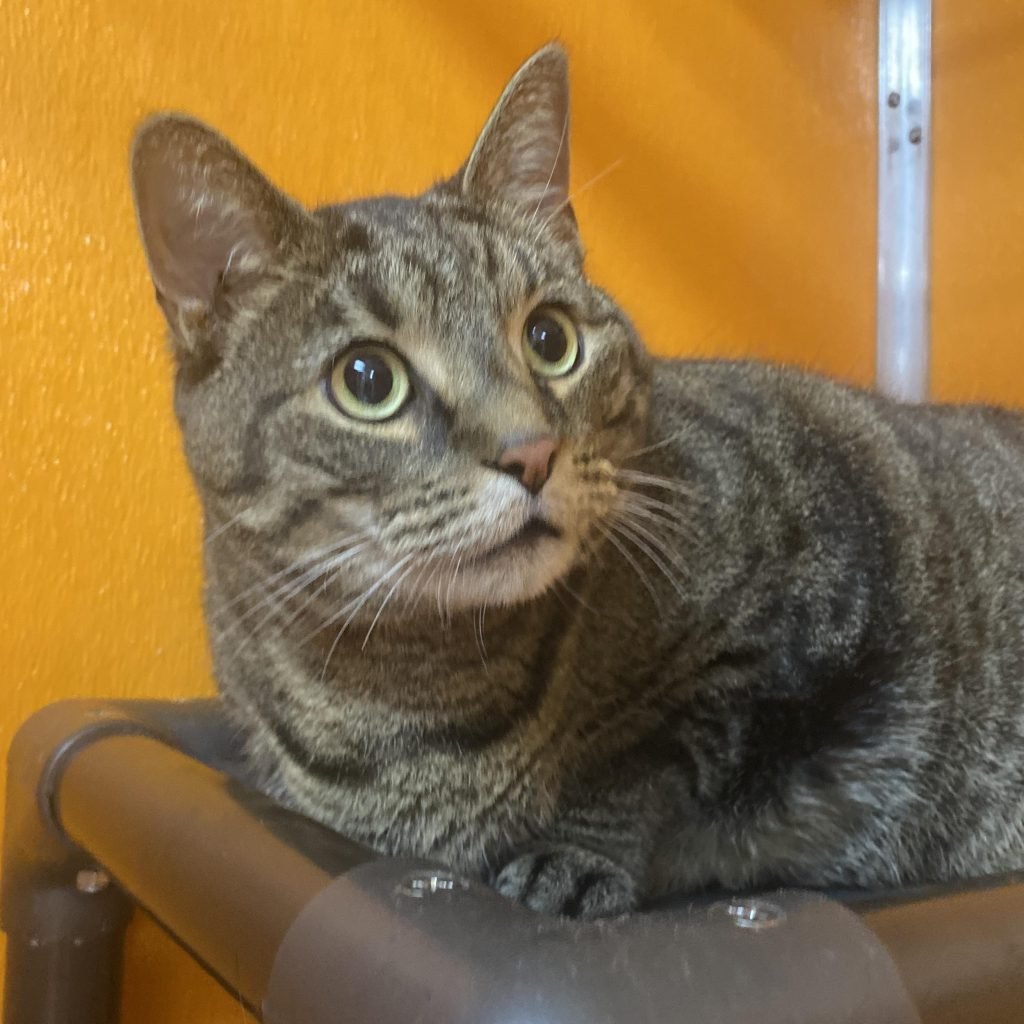
Are you ready to open your heart and home to a special feline friend? Elderly cats for adoption offer a unique chance to bring warmth and love into your life.
These gentle companions have so much to give—they just need someone like you to appreciate their calm nature and quiet charm. Imagine the comfort of a loyal cat who’s already experienced life and is ready to share peaceful moments by your side.
Keep reading to discover why adopting an older cat might be the most rewarding decision you ever make.
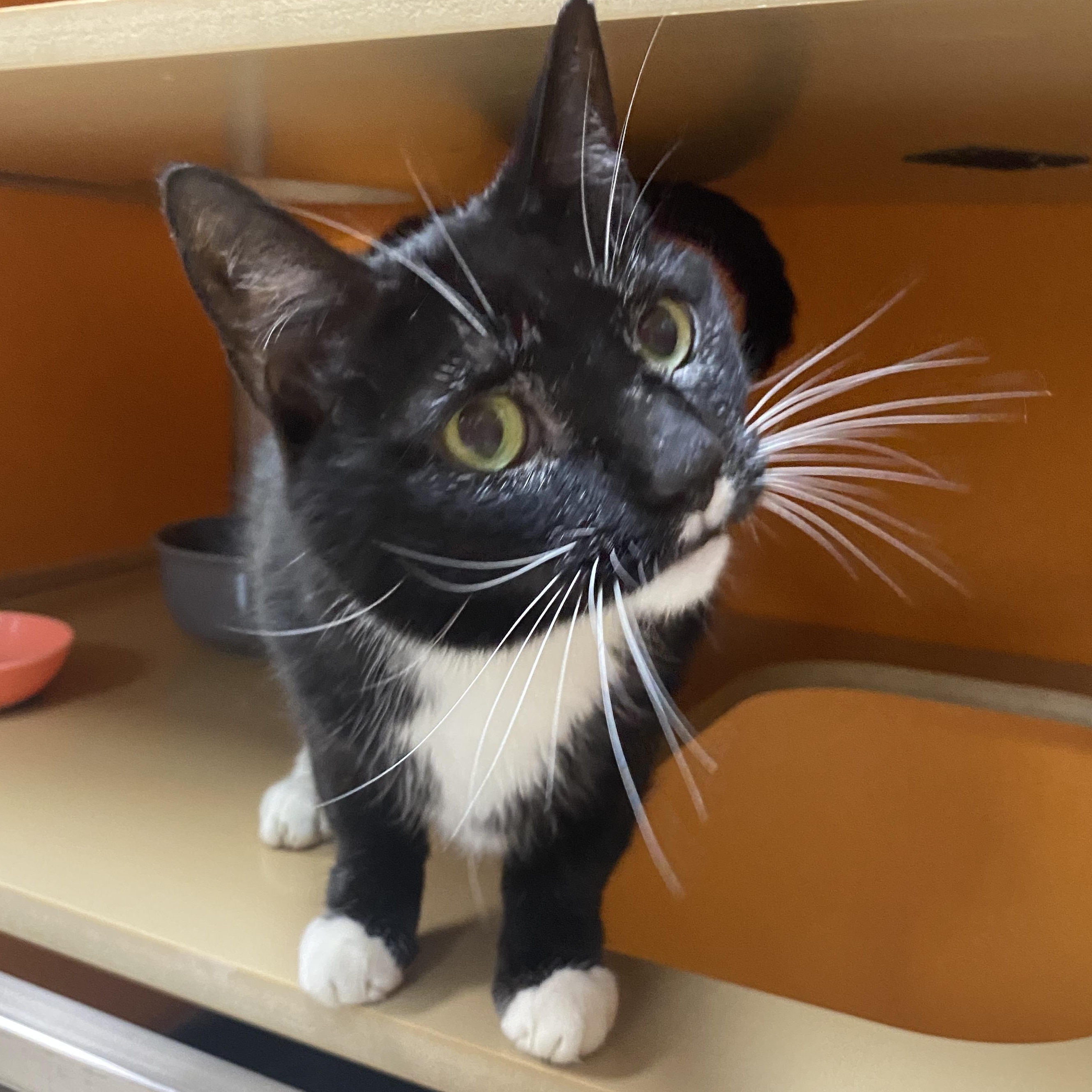
Credit: friendshipapl.org
Why Choose Elderly Cats
Choosing an elderly cat for adoption means welcoming a companion with a unique charm and a lifetime of experiences. These cats often come with qualities that make them wonderful pets, especially if you seek a calm and loving presence in your home. Let’s look at why elderly cats might be the perfect match for your lifestyle.
Calm And Gentle Nature
Older cats tend to have a calm and gentle demeanor. They are less likely to engage in hyperactive behavior or destructive play, making them ideal for quieter homes or seniors. You’ll notice they often enjoy peaceful naps and gentle petting, creating a soothing atmosphere.
If you want a pet who won’t demand constant attention but will still offer affection, an elderly cat fits well. Their relaxed nature can help reduce stress and bring comfort to your daily routine.
Established Personalities
One advantage of adopting an elderly cat is knowing what personality you’re getting. These cats have settled into their behavior patterns, so there are fewer surprises. Whether they’re shy, playful, or cuddly, you can find a cat whose temperament matches your preferences.
Knowing their likes and dislikes helps you connect faster and provide the right care. Have you ever experienced the joy of bonding quickly because your pet’s personality fits perfectly with yours?
Lower Energy Needs
Elderly cats require less physical activity than younger cats. This means they won’t need as much playtime or space to run around, which suits smaller living spaces or busy lifestyles. They’re content with gentle interaction and quiet companionship.
This lower energy level can also make it easier to manage their health and diet. You can focus on providing a comfortable environment without worrying about meeting high activity demands.
Benefits Of Adopting Senior Cats
Adopting a senior cat offers special rewards. These cats bring calm, love, and gratitude. They need homes as much as kittens do. Older cats often adjust well to new families. Their gentle nature suits quiet homes and patient owners.
Gratitude And Loyalty
Senior cats show deep gratitude to their adopters. They bond quickly and stay loyal. These cats often follow their owners around the house. Their appreciation is clear in soft purrs and gentle touches. This loyalty creates a strong, loving connection.
Helping Cats In Need
Many elderly cats wait longer in shelters. Adopting them saves lives and gives hope. Older cats often face fewer adoption chances. Choosing a senior cat means giving comfort and safety. This act helps reduce shelter overcrowding and sadness.
Fewer Behavioral Issues
Senior cats usually have calm, steady temperaments. They are less likely to cause trouble or damage. Many have learned good habits over the years. These cats often enjoy quiet time and gentle play. Their easygoing nature fits well with relaxed homes.
Common Health Concerns
Adopting an elderly cat means welcoming a companion who may have a few more health challenges than a younger feline. Understanding common health concerns can help you provide the best care and make your cat’s golden years comfortable and happy. Let’s look closely at the key areas where older cats often need extra attention.
Managing Chronic Conditions
Older cats frequently face chronic conditions like arthritis, kidney disease, or diabetes. These illnesses require consistent care and sometimes daily medication. Have you noticed your cat moving slower or drinking more water? These signs might indicate a chronic issue that needs addressing.
Managing these conditions means creating a routine that fits your cat’s needs. Simple adjustments like providing soft bedding or easy access to food and litter can make a big difference. Staying patient and observant helps you catch changes early, improving your cat’s quality of life.
Regular Vet Care
Regular check-ups are crucial for elderly cats. Twice-yearly vet visits can catch problems before they become serious. Your vet can run blood tests and screen for common age-related diseases, helping you stay proactive.
Don’t wait for obvious symptoms—older cats often hide discomfort. Have you scheduled your cat’s next health check? Keeping up with vet care gives you peace of mind and ensures your furry friend stays as healthy as possible.
Diet And Nutrition Needs
As cats age, their dietary needs change. They may require food that supports kidney health or is easier to digest. Switching to senior cat food can provide the right balance of nutrients and calories.
Hydration is also vital. Older cats tend to drink less, which can worsen kidney problems. Adding wet food to their diet or encouraging water intake can help maintain their health. What changes have you made to your cat’s meals to keep them thriving?
Preparing Your Home
Preparing your home for an elderly cat is important for their comfort and safety. Older cats need a calm and welcoming space. They may move slower and need special care. Setting up your home thoughtfully helps them adjust quickly and feel secure.
Comfortable Living Spaces
Create cozy spots with soft bedding and blankets. Choose low, easy-to-reach places for resting. Older cats enjoy warm areas near windows or heaters. Avoid high shelves or places that need jumping. Provide quiet corners where they can relax undisturbed.
Safe And Quiet Environment
Keep noise levels low to reduce stress. Loud sounds can frighten elderly cats easily. Remove sharp objects or clutter that can cause injury. Block off stairs or slippery floors if needed. Use gentle lighting to avoid harsh brightness in their area.
Easy Access To Essentials
Place food, water, and litter boxes close together. Make sure these are easy to reach without climbing. Use shallow dishes for food and water to help with eating. Keep the litter box clean and in a quiet spot. Consider ramps or steps for reaching favorite resting places.
Adoption Process For Senior Cats
Adopting a senior cat can be a deeply rewarding experience, but it also requires patience and preparation. The adoption process for elderly cats involves more than just filling out forms; it’s about understanding their unique needs and building a strong, lasting bond. Knowing how to navigate this process can help you create a smooth transition for your new companion.
Finding Reliable Shelters
Start by researching local shelters or rescue groups that specialize in senior cats. These organizations often provide detailed health histories and behavior assessments, giving you a clearer picture of what to expect.
Check reviews and ask for recommendations from veterinarians or fellow pet owners. A trustworthy shelter will be transparent about the cat’s medical condition and personality traits.
Visiting the shelter multiple times can help you observe different cats and understand their daily behavior. Have you ever noticed how a cat’s mood can change in a new environment? Spending time on-site helps you find a cat whose temperament matches your lifestyle.
Meeting And Bonding Tips
When you meet a senior cat for the first time, approach slowly and speak softly. Senior cats may take longer to warm up, so patience is key.
Bring familiar items like a blanket or toy from the shelter to maintain consistency. This helps reduce stress and makes the cat feel more secure in your presence.
Try to spend quiet, quality time together without overwhelming the cat with too much attention. Have you tried sitting next to a shy cat and letting them come to you? This often builds trust faster than forcing interaction.
Post-adoption Support
After bringing your senior cat home, schedule a vet visit to establish a baseline for their health. Regular checkups become even more important as cats age.
Reach out to the shelter or rescue group for advice during the adjustment period. Many organizations offer guidance on diet changes, medication, or behavior issues.
Connect with online forums or local support groups for senior cat owners. Sharing experiences can provide practical tips and emotional support, making you feel less alone on this journey.
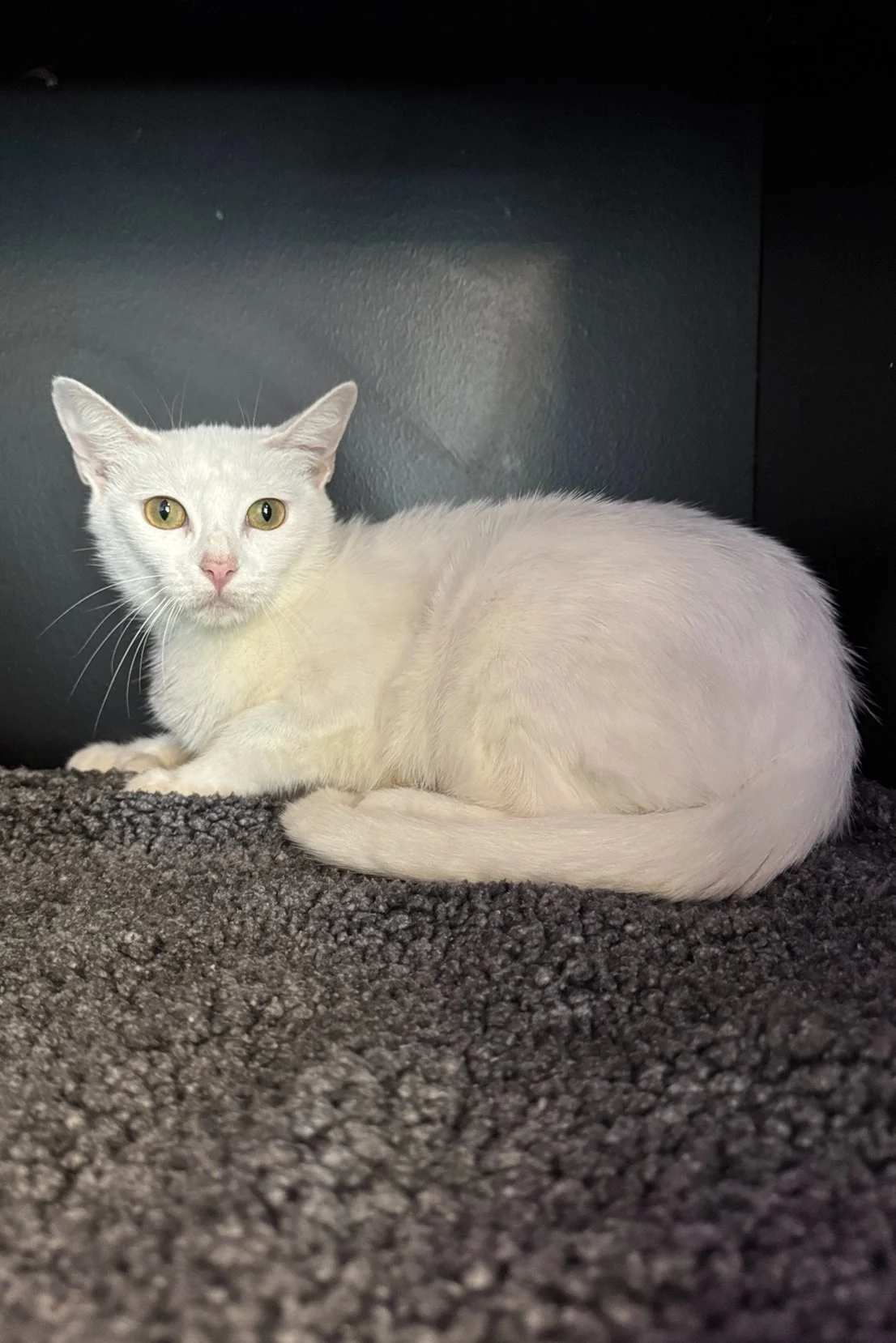
Credit: www.thecatcade.org
Stories Of Senior Cat Adoptions
Senior cats often have quiet stories that touch the heart deeply. These stories show how older cats find new homes and fresh starts. They remind us that every cat deserves love, no matter their age.
Many people have shared their experiences of adopting elderly cats. These tales reveal the joy, patience, and bonds formed through adoption.
Heartwarming Successes
Many senior cats find loving homes that cherish their calm nature. Some had long waits in shelters before someone chose them. Once adopted, these cats often blossom with gentle care.
One cat, once shy and withdrawn, grew playful and confident. Another, with health issues, found comfort and improved well-being. These stories bring hope to families considering adoption of older cats.
Challenges And Rewards
Adopting a senior cat has its challenges. Older cats may need special medicine or slower adjustment. They sometimes have habits that require patience and understanding.
Despite this, the rewards are great. Senior cats often show deep gratitude and strong loyalty. Their calm presence can bring peace and joy to a home. Many owners say the love from an older cat is unique and fulfilling.
Inspiring Transformations
Senior cats can surprise with their amazing changes. Some regain lost weight and energy after adoption. Others develop new friendships with people and pets.
Stories tell of cats who go from lonely and scared to happy and active. These transformations prove age is no barrier to love and happiness. Senior cat adoptions change lives, both for the cats and their new families.
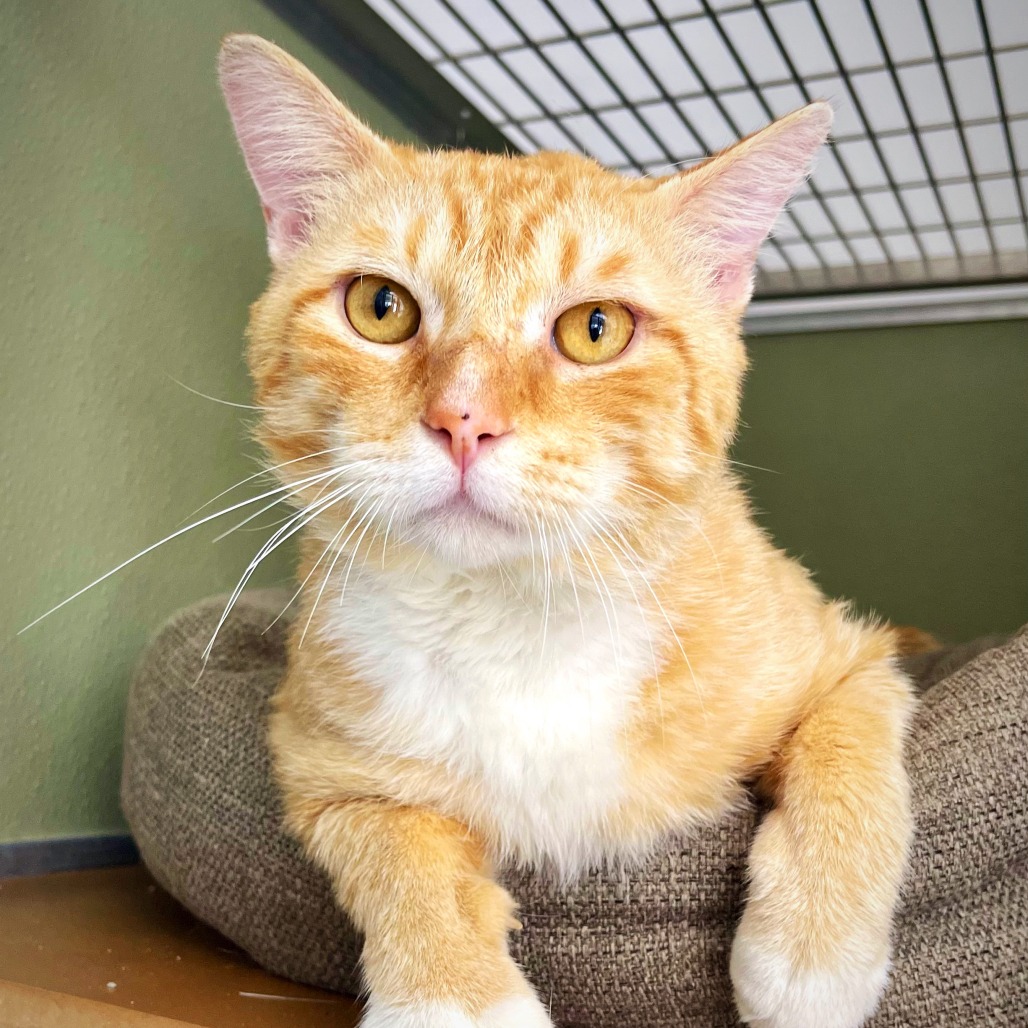
Credit: orphansofthestorm.org
Frequently Asked Questions
Why Choose Elderly Cats For Adoption?
Elderly cats are calm, loving, and low-maintenance pets. They require less training and adapt well to quiet homes. Adopting them saves lives and offers a second chance to deserving animals. They often have established temperaments, making it easier to find a good match.
Are Elderly Cats Good With Children And Pets?
Yes, many elderly cats are gentle and patient with children and other pets. Their calm nature reduces the risk of aggressive behavior. Proper introductions and supervision ensure harmony. Always consider the cat’s personality and history when integrating into a family.
What Health Issues Do Elderly Cats Face?
Elderly cats may have arthritis, dental problems, or kidney issues. Regular vet check-ups help detect and manage these conditions early. A balanced diet and proper care improve their quality of life. Knowing potential health needs prepares you for responsible ownership.
How To Care For An Elderly Cat At Home?
Provide a warm, comfortable environment with easy access to food, water, and litter boxes. Use soft bedding and ensure gentle handling. Regular vet visits and a nutritious diet support their health. Patience and love are key to their well-being.
Conclusion
Adopting an elderly cat can change your life. They offer love and companionship. Older cats are often calm and gentle. They fit well into many homes. Their experience makes them adaptable and easygoing. Consider visiting a shelter today. You might find your perfect match.
Give these loving animals a second chance. They deserve a warm, caring home. Your kindness can make a big difference. Adopting an older cat is rewarding. It brings joy and fulfillment. Make a positive impact on their lives. Embrace the opportunity to share your home and heart.
