

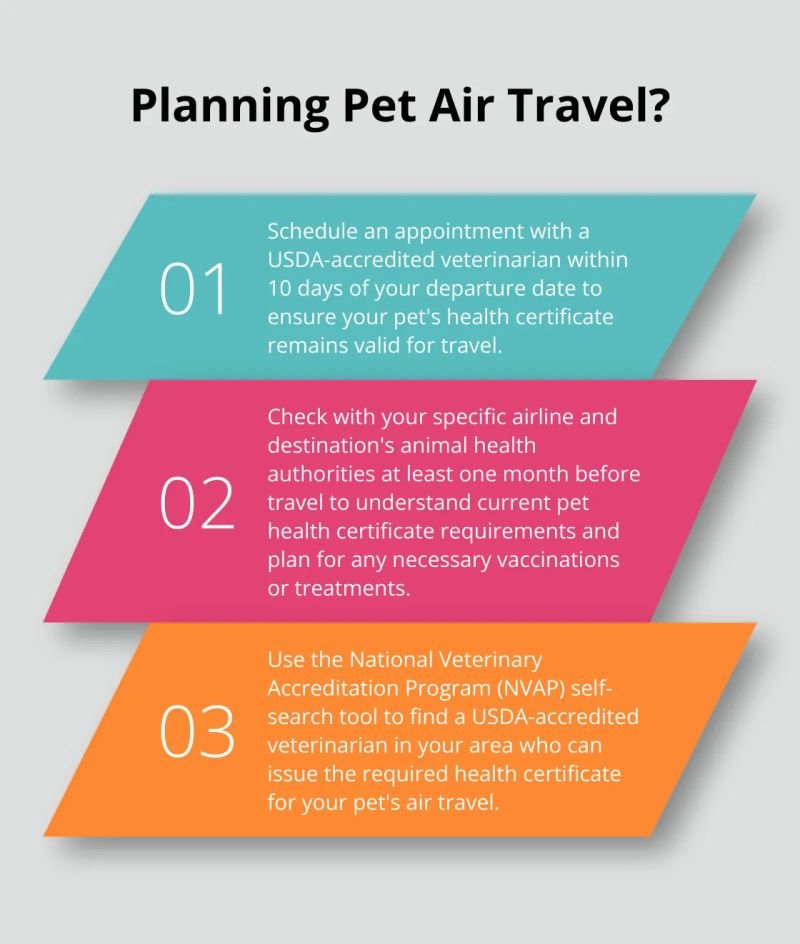
Planning to fly with your cat? Before you pack their favorite toys, there’s one crucial step you can’t afford to miss: vaccinations.
You might wonder, “What vaccinations does my cat need to fly safely? ” Getting the right shots isn’t just about rules—it’s about protecting your furry friend’s health and making your trip stress-free. Keep reading, and you’ll discover exactly what vaccines are essential, why they matter, and how to prepare your cat for air travel with confidence.
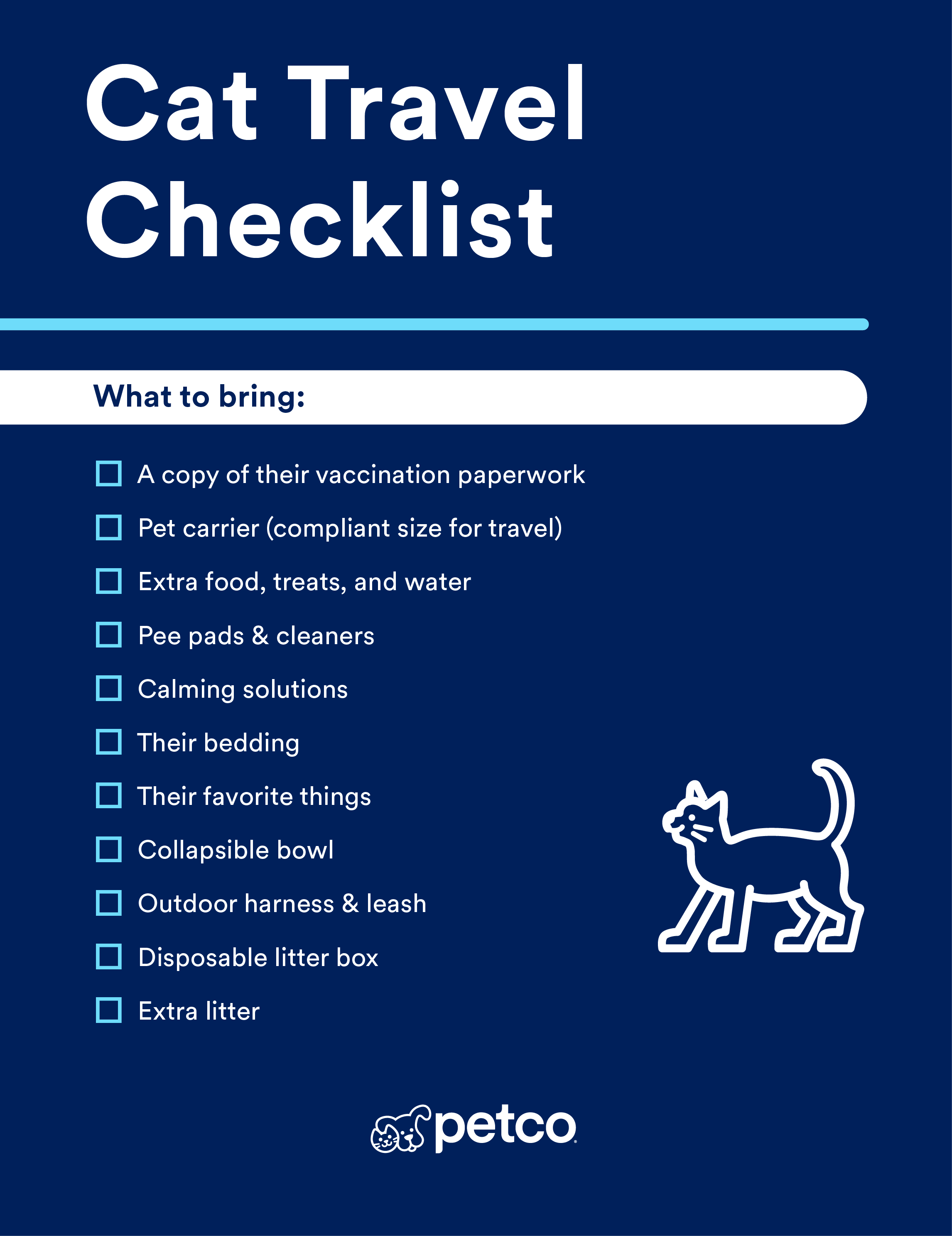
Credit: www.petco.com
Preparing For Pet Travel
Preparing to travel with your cat involves careful planning to ensure a safe journey. Vaccinations are a key part of this process. Knowing the right shots and paperwork can prevent travel issues. Start early to avoid last-minute stress. Understand all requirements before your trip date.
Research Airline Requirements
Each airline has specific rules for pet travel. These include which vaccinations are needed. Some airlines require a health certificate too. Check the airline’s website or call customer service. Confirm deadlines for vaccine updates and paperwork. Note rules about pet carriers and crate sizes. Missing details can cause travel delays or refusals.
Consult Your Veterinarian
Your vet knows the best vaccines for travel safety. Discuss your travel plans and destinations clearly. They can suggest shots based on your cat’s age and health. Common vaccines include rabies and feline distemper. Ask about timing for vaccine effectiveness before travel. Your vet can also provide a health certificate if needed.
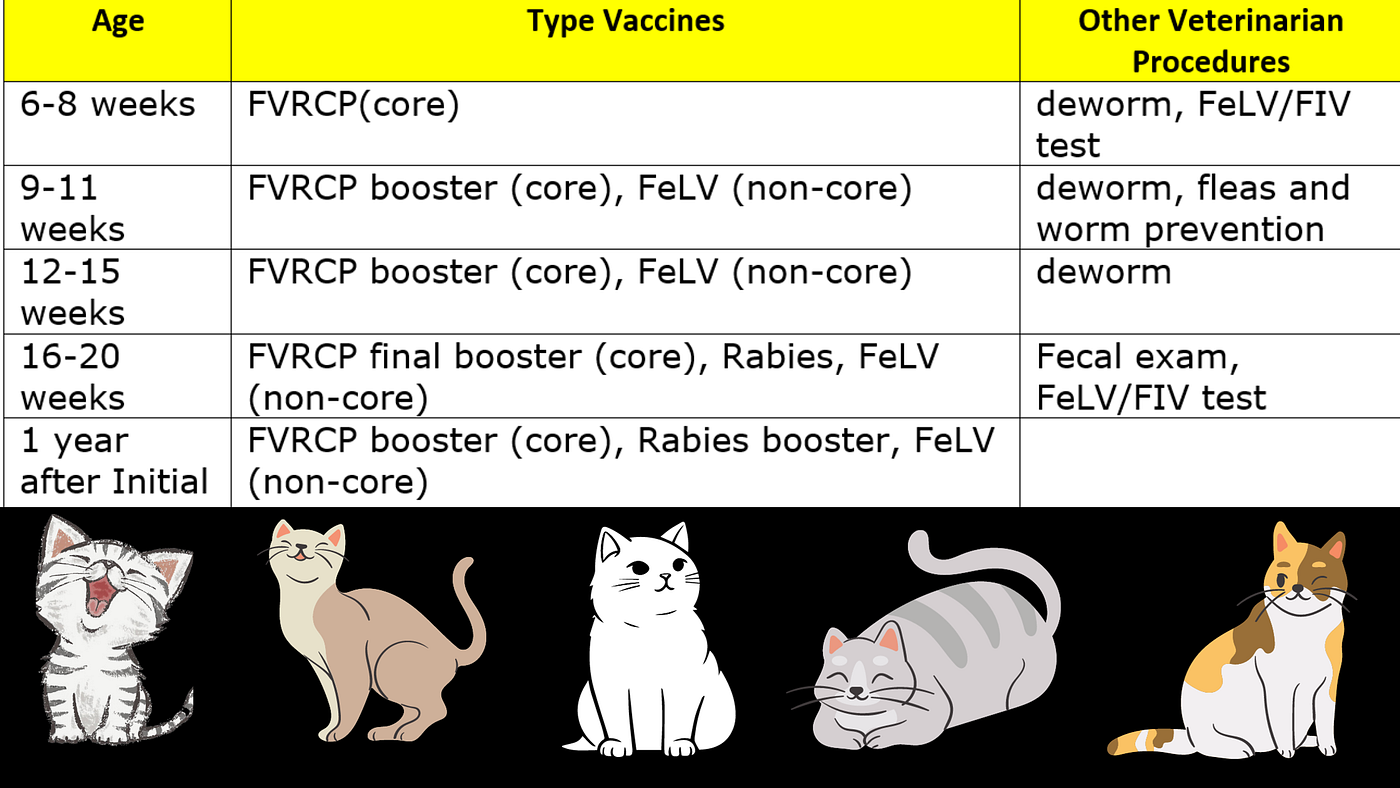
Credit: medium.com
Core Vaccinations For Cats
Core vaccinations are essential for your cat’s health, especially when planning air travel. These vaccines protect against serious diseases that can be easily transmitted in crowded or unfamiliar environments, like airports and airplanes. Ensuring your cat has these vaccinations is not just about compliance with airline rules—it’s about keeping your furry friend safe and healthy during the journey.
Rabies Vaccination
Rabies vaccination is legally required in most places and by most airlines before your cat can fly. This vaccine protects your cat from a deadly virus that affects the brain and nervous system. Without it, your cat could face quarantine or even denial of boarding.
Think about it: rabies is fatal and can spread to humans and other animals. Vaccinating your cat not only protects them but also safeguards everyone around them. Make sure your cat’s rabies shot is up-to-date and recorded in their health certificate well before travel day.
Feline Distemper (fvrcp) Vaccine
The FVRCP vaccine is a combination shot that protects against three highly contagious diseases: feline viral rhinotracheitis, calicivirus, and panleukopenia. These illnesses can cause severe respiratory issues, mouth ulcers, and immune system failure.
When cats travel, especially in confined spaces like carriers or airplane cabins, the risk of catching infections rises. Keeping your cat’s FVRCP vaccine current helps prevent outbreaks and keeps your pet comfortable and healthy. Ask your vet to check if your cat needs a booster before the trip.
Non-core Vaccinations
Non-core vaccinations are not needed for all cats but may be important for flying pets. These vaccines protect against diseases found in specific places or situations. Knowing which ones your cat needs helps keep them safe during travel.
Feline Leukemia Vaccine
The feline leukemia vaccine protects cats from a serious virus. This virus spreads through close contact with other cats. Airports and airplanes can expose cats to this risk. Vaccinating your cat helps prevent infection and illness.
Bordetella Vaccine
The Bordetella vaccine guards against a bacteria causing respiratory infections. Crowded places like airports increase the chance of catching it. Cats with this vaccine have a lower risk of coughing and sneezing. This keeps your cat healthy while flying.
Vaccination Timing And Documentation
Preparing your cat for air travel requires careful attention to vaccination timing and proper documentation. These steps ensure your cat stays healthy during the trip and meets airline and country requirements. Understanding when to vaccinate and how to keep paperwork organized helps avoid travel delays and stress.
Timing For Vaccinations
Vaccines must be given within a specific timeframe before flying. Most airlines require core vaccinations at least two weeks before departure. This allows your cat’s immune system to build protection. Rabies vaccine timing is especially important; it usually needs administration at least 21 days before travel.
Some countries have stricter rules. They might require boosters or additional vaccines. Start vaccination plans several weeks in advance. Consult your vet early to schedule all shots on time. Avoid last-minute vaccinations, as they might not count for travel.
Required Documentation For Travel
Airlines and border officials demand proof of vaccinations. Keep your cat’s vaccination certificate handy. This document must show:
- Pet’s identification details
- Type of vaccines given
- Date of each vaccination
- Veterinarian’s signature and contact
Some destinations require a pet passport or health certificate. These forms confirm your cat’s health and vaccination status. Always check the airline and country rules before booking. Digital copies can help but carry printed originals too. Proper paperwork prevents travel refusals and quarantine.
Health Certificates And Additional Requirements
Traveling with your cat requires more than just vaccinations. Airlines and countries ask for specific health documents to prove your cat is fit to fly. These rules keep pets safe and prevent diseases from spreading. Knowing about health certificates and extra rules helps avoid travel delays or denied boarding.
Obtaining A Health Certificate
A health certificate is a document from a vet confirming your cat’s good health. It shows your cat is free from diseases and up to date on vaccinations. Most airlines want this certificate issued within 10 days before travel. The certificate must include:
- Cat’s identification details
- Vaccination records
- Recent health check results
- Vet’s signature and contact info
Without this certificate, your cat may not be allowed to board the plane. Some countries need additional health tests or certificates. Check your destination’s rules early to prepare all paperwork.
Microchip And Identification
Microchipping your cat is often required for air travel. It helps identify your pet if lost during the journey. The microchip number should match the details on health documents. Besides microchips, clear identification tags are useful. Tags must have your contact information and your cat’s name.
Many countries require specific microchip types. Confirm the chip complies with your destination’s standards. Keeping all ID information current speeds up airport checks. Proper identification keeps your cat safe throughout the trip.
Country-specific Regulations
Country-specific regulations play a crucial role in determining the vaccinations your cat needs before flying. Each country has its own set of rules to prevent the spread of diseases and protect local animal populations. Understanding these rules can save you from last-minute hassles and ensure a smooth journey for your feline friend.
Traveling Within The Us
When flying within the United States, vaccination requirements can vary by state and airline. Most states require your cat to have a current rabies vaccination, as rabies control is a top priority nationwide.
Some states may ask for additional vaccinations or health certificates depending on local disease risks. Airlines often require a recent health check and proof of vaccinations before allowing your cat to board.
Have you checked with your airline and destination state’s Department of Agriculture? This simple step can prevent unexpected travel delays or denied boarding.
International Travel Considerations
International travel demands more detailed preparation. Countries have different rules about which vaccinations your cat must have, often including rabies and sometimes others like feline leukemia or distemper.
Many countries require a blood titer test to confirm your cat’s immunity to rabies, taken weeks before travel. Some destinations also require a quarantine period upon arrival, which depends on your cat’s vaccination history and origin country.
Before booking your flight, research the specific requirements of the country you’re visiting. Contact their embassy or a trusted pet relocation service to get the latest details. Are you prepared to handle the paperwork and timing needed to meet these international rules?
Tips For Stress-free Travel
Traveling with your cat can be challenging. Stress affects their health and comfort. Preparing well helps keep your cat calm. Small steps before and during the flight make a big difference. Focus on creating a peaceful travel experience for your pet.
Acclimating Your Cat To The Carrier
Introduce the carrier early. Place it in a quiet room. Let your cat explore it freely. Add soft blankets and your cat’s favorite toys inside. Leave the door open at first. Gradually close the door for short times. Praise your cat for calm behavior. Practice short trips in the carrier before the flight. This builds positive associations and reduces fear.
Managing Stress During The Flight
Keep your cat comfortable and safe during the flight. Use a secure, well-ventilated carrier. Cover the carrier with a light cloth to reduce visual stress. Avoid feeding your cat right before the flight to prevent nausea. Speak softly to reassure your cat. Offer a familiar blanket or toy. Stay calm yourself; pets sense your mood. Consult your vet about natural calming aids if needed.

Credit: www.goodshepherd-hs.org
Frequently Asked Questions
What Vaccinations Are Required For Cats To Fly Internationally?
Cats flying internationally usually need rabies and feline distemper vaccinations. Some countries require additional vaccines or health certificates. Always check the destination country’s specific regulations before traveling.
How Soon Before Flying Should My Cat Get Vaccinated?
Vaccinations should be given at least 2-4 weeks before flying. This ensures your cat’s immune system has time to respond. Early vaccination helps avoid travel delays or quarantine requirements.
Are Booster Shots Necessary For Cats Before Air Travel?
Yes, booster shots may be required to maintain vaccine effectiveness. Airlines and countries often ask for up-to-date vaccination records, including boosters. Consult your vet to confirm which boosters are needed before your trip.
Can Unvaccinated Cats Fly On Airplanes?
Most airlines and countries prohibit unvaccinated cats from flying. Vaccination protects your cat’s health and meets legal travel requirements. Always ensure your cat is fully vaccinated before booking a flight.
Conclusion
Vaccinating your cat before flying keeps them healthy and safe. Core shots protect against serious illnesses during travel. Check airline and destination rules for vaccine requirements. Plan vaccinations well ahead of your trip. A healthy cat means a smoother journey for both of you.
Stay informed and prepared to avoid last-minute problems. Safe travels start with proper vaccinations. Your cat will thank you with a happy, stress-free flight.
