

Have you ever noticed something unusual with your cat and wondered, “Do cats bleed when they’re in heat?” If you’re a cat owner, this question might have crossed your mind, especially if you’re trying to understand your furry friend’s behavior better.
Knowing what to expect during your cat’s heat cycle can help you care for her more effectively and avoid unnecessary worries. You’ll discover the truth about cats and bleeding during heat, what signs to watch for, and how to keep your pet comfortable.
Keep reading to clear up the confusion and learn exactly what’s normal—and what’s not—for your cat in heat.

Credit: www.youtube.com
Understanding Cat Heat Cycles
Understanding your cat’s heat cycle is key to recognizing what’s normal and what isn’t. Many cat owners worry about spotting blood during these times, but knowing the details of the cycle helps clear up confusion. Let’s break down how these cycles work and what you might expect.
Phases Of The Estrous Cycle
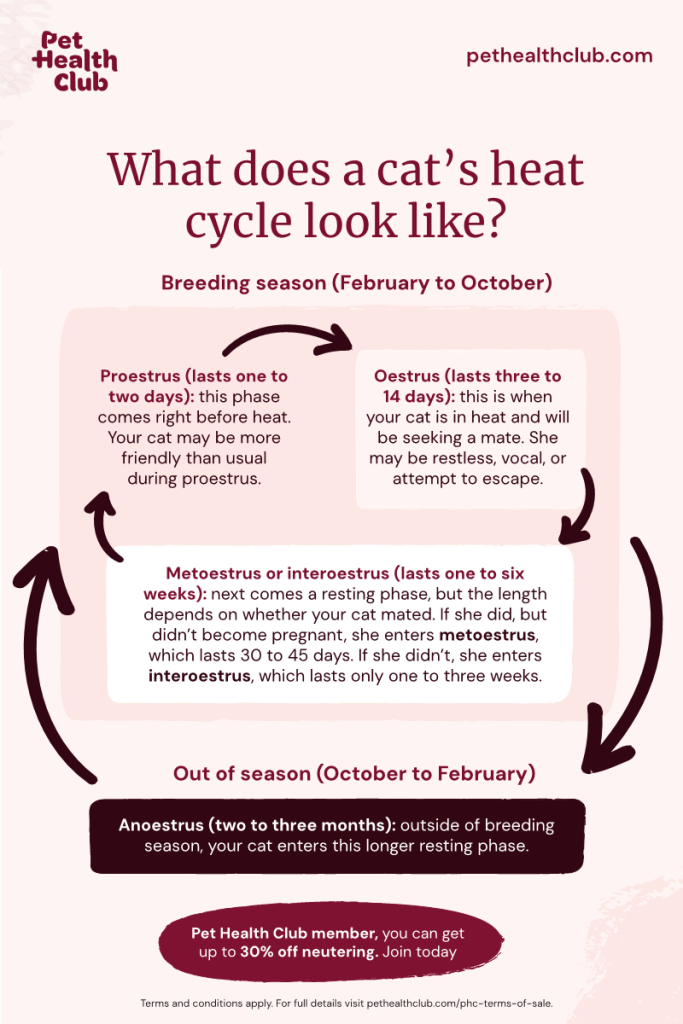
The estrous cycle in cats has distinct phases that repeat regularly. These include:
- Proestrus:Your cat may show increased affection but isn’t ready to mate yet.
- Estrus:This is the actual “heat” period when she’s fertile and may vocalize loudly or rub against objects.
- Metestrus:If mating doesn’t happen, this phase calms things down and the cat’s behavior returns to normal.
- Anestrus:This is the resting phase with no signs of heat.
Most cat owners notice the estrus phase because of the behavior changes, but bleeding is rarely part of this cycle. Have you ever seen your cat act restless without any visible signs of bleeding?
Duration And Frequency
Each heat cycle can last anywhere from a few days to two weeks, depending on the cat’s age and breed. Typically, cycles repeat every two to three weeks during breeding season, especially in spring and summer.
Some cats may go through these cycles more frequently, which can be exhausting for both you and your pet. If you’ve noticed your cat acting strange every few weeks, it could be her heat cycle repeating. Does your cat seem to get “overly affectionate” or vocal around the same times each month?
Do Cats Bleed During Heat?
Many cat owners worry when their pets show signs of heat, especially if they notice any unusual discharge. One common question is whether cats bleed during their heat cycle. Understanding what actually happens can help you care better for your feline friend and avoid unnecessary stress.
Common Misconceptions
It’s a widespread belief that cats bleed during heat, similar to how dogs do. However, this is not true. Cats in heat usually do not experience bleeding at all.
Instead, you might see some clear or slightly cloudy vaginal discharge, but it’s rarely bloody. If you notice blood, it could be a sign of a medical issue, such as an infection or injury, and you should consult your vet immediately.
When I first noticed a bit of redness on my cat’s bedding, I panicked. After a quick vet visit, I learned it was not from heat but a minor scratch that was bleeding. This experience taught me how important it is to distinguish between heat symptoms and other health problems.
Comparisons With Other Animals
Unlike cats, dogs typically bleed during their heat cycle. This bleeding serves as a clear signal of fertility. In contrast, cats are silent in this regard, using vocalizations and behavior changes instead.
- Dogs:Visible bleeding for about 7-10 days.
- Cats:No bleeding; they show heat through loud meowing and restlessness.
- Rabbits:Do not bleed during heat at all.
Why do you think cats evolved this way? Their silent heat cycle helps avoid attracting predators while still signaling males. This natural difference is crucial for owners to recognize to avoid confusion.
Signs Of A Cat In Heat
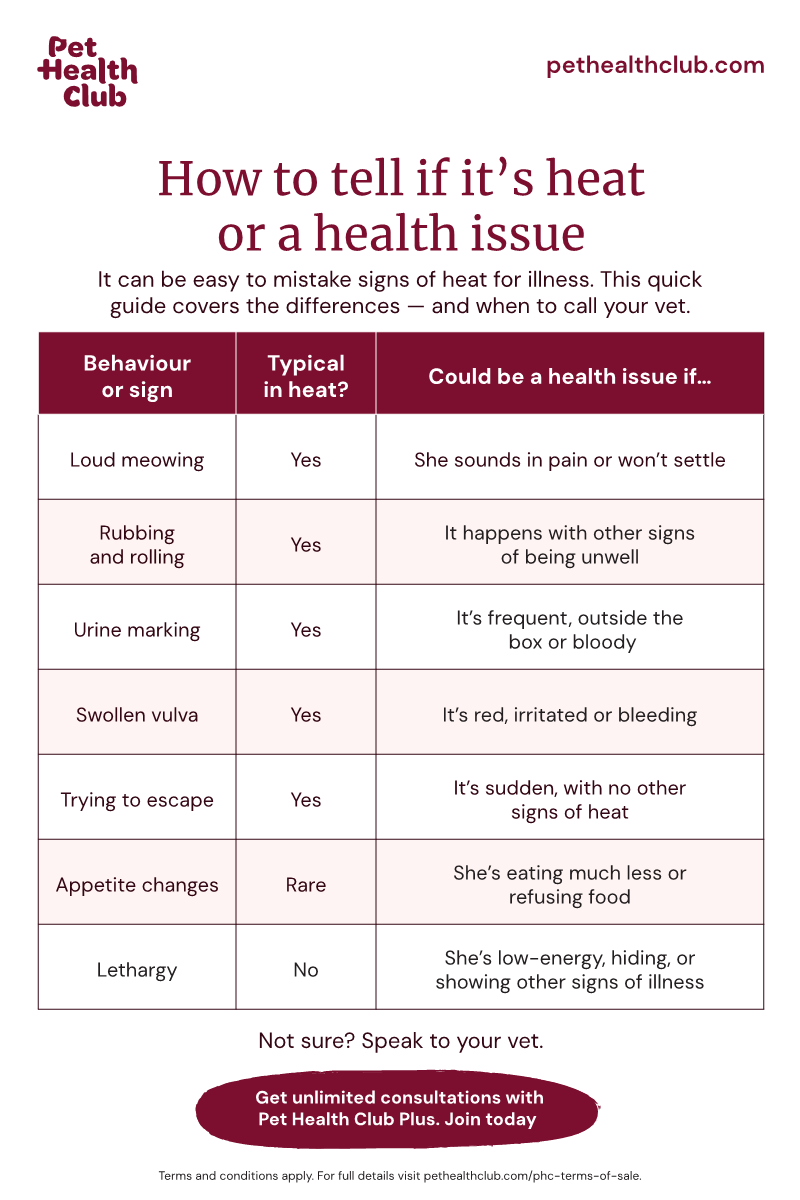
Cats in heat show clear signs that help owners understand their needs. These signs include changes in behavior and physical symptoms. Recognizing these signs is important to provide the right care and avoid confusion.
Behavioral Changes
- Increased vocalization, often loud and persistent meowing
- More affectionate, rubbing against people and objects
- Restlessness and pacing around the house
- Frequent rolling on the floor or ground
- Attempting to escape outdoors to find mates
- Marking territory by spraying urine
Physical Indicators
- Swollen and reddish vulva
- Clear or slightly bloody discharge may appear
- Increased grooming of the genital area
- Raised hindquarters and tail to signal readiness
- Slight loss of appetite in some cats
Health Implications Of Heat Cycles
Heat cycles in cats are natural and repeat every few weeks during certain seasons. These cycles can affect a cat’s behavior and health. Understanding the health implications helps cat owners care for their pets better. Some cats may show signs that need attention to avoid health problems.
Potential Health Risks
Heat cycles can cause stress in cats. Some may become restless and vocal. This behavior is normal but can lead to injuries if cats roam outdoors.
There is a small chance of infections during heat. The reproductive tract can be more vulnerable. This risk increases if the cat mates during heat cycles.
Unspayed cats face a higher risk of uterine infections. These infections can be serious and require medical care.
Repeated heat cycles without pregnancy may increase the chance of breast tumors. Spaying can reduce this risk significantly.
When To Consult A Veterinarian
Contact a vet if your cat bleeds excessively or has unusual discharge. This could signal infection or injury.
Seek advice if your cat seems in pain or has a fever. These signs may indicate a health problem needing treatment.
If your cat stops eating or becomes very tired, visit the vet. These symptoms can show serious illness during heat cycles.
Discuss spaying options with your vet. Spaying prevents heat cycles and related health risks.
Myths Surrounding Cats And Heat
Many cat owners worry about what happens when their pets go into heat. One common concern is whether cats bleed during this period. Unfortunately, a lot of myths cloud the truth, causing unnecessary confusion and sometimes even panic.
Debunking Popular Beliefs
Contrary to popular belief, female cats do not bleed when they are in heat. Unlike dogs, cats experience a heat cycle without noticeable bleeding. If you notice blood, it might be a sign of injury or illness that needs a vet’s attention.
Some people assume that cats exhibit signs similar to humans during menstruation, such as mood swings or bleeding. While cats do show behavioral changes like increased vocalization and affection, these are hormonal responses unrelated to bleeding.
Origins Of Misunderstandings
Many myths about cats and heat come from confusing feline heat cycles with those of other animals, especially dogs. Dogs do bleed during their heat cycle, which leads some owners to mistakenly apply the same expectation to cats.
Another source of confusion is the occasional spotting caused by infections or other health issues, which can be mistaken for heat cycle bleeding. Understanding your cat’s normal behavior and health will help you spot when something truly requires medical care.
Have you ever noticed unexpected spots and wondered if it was related to heat? Knowing the facts can help you care better for your feline friend and avoid unnecessary stress.
Managing A Cat In Heat
Managing a cat in heat can be a challenge for many pet owners. Your feline friend may act restless, vocalize more, and seek extra attention. Understanding how to care for her during this time can make the experience smoother for both of you.
Home Care Tips
Start by creating a calm environment. Loud noises and sudden movements can increase your cat’s stress and agitation.
Offer extra affection but respect her space if she seems overwhelmed. Sometimes, a gentle pet or soft talking helps soothe her anxiety.
Provide plenty of toys and playtime to distract her energy. Puzzle feeders or interactive toys can keep her mind engaged and reduce restlessness.
Keep her indoors to prevent unwanted mating and possible injuries. This also helps you monitor her behavior closely.
Considerations For Spaying
Spaying is a permanent solution to prevent heat cycles and related behaviors. It also reduces the risk of certain health issues, like uterine infections and breast cancer.
Think about your cat’s age and overall health before scheduling surgery. Veterinarians usually recommend spaying before the first heat to get the best results.
Discuss with your vet the best timing and any concerns you have. You might be surprised how much spaying can improve your cat’s quality of life and your peace of mind.
Benefits Of Spaying
Spaying offers many benefits for cats beyond preventing unwanted litters. It helps keep your cat healthy and can improve her behavior. Understanding these benefits encourages responsible pet care and helps cats live longer, happier lives.
Health Advantages
Spaying reduces the risk of serious health problems in cats. It prevents uterine infections and eliminates the chance of ovarian and uterine cancers. This surgery also lowers the risk of breast cancer, especially if done before the first heat cycle. Cats that are spayed often live longer and healthier lives.
Impact On Behavior
Spaying changes a cat’s behavior in positive ways. It stops the heat cycle, so your cat will not bleed or call out loudly. This reduces stress for both the cat and owner. Spayed cats tend to be calmer and less likely to roam or mark territory with urine. This leads to a safer and more peaceful home environment.
Credit: www.pethealthclub.com
Expert Insights On Cat Heat Cycles
Understanding a cat’s heat cycle helps pet owners care better for their pets. Cats do not bleed like dogs during heat. Instead, their bodies show other signs.
Experts share knowledge on how cats behave during heat. This helps clear common myths and guide proper care.
Veterinarian Perspectives
Veterinarians confirm cats usually do not bleed in heat. Their reproductive cycle differs from dogs. Instead of bleeding, cats become vocal and restless.
They may rub against objects or show more affection. Some cats show slight swelling in the genital area. Blood spotting is rare and often signals health issues.
Vets advise seeing a professional if bleeding occurs. It could mean infection or injury needing treatment.
Advice From Cat Owners
Many cat owners notice increased meowing and attention-seeking. Some report their cats pacing or rolling on the floor. Owners say physical signs like swelling are subtle.
They emphasize patience and calm during these times. Providing toys and quiet spaces helps manage stress.
Owners recommend spaying to prevent heat cycles and unwanted litters. This also reduces health risks and behavior changes.
Credit: animals.howstuffworks.com
Frequently Asked Questions
Do Cats Bleed When They Are In Heat?
No, cats do not bleed during their heat cycle. Unlike dogs, female cats show behavioral signs without bleeding.
How Can I Tell If My Cat Is In Heat?
Look for increased vocalization, restlessness, and affectionate behavior. Cats may also assume mating positions and roll on the floor.
Why Don’t Cats Bleed During Their Heat Cycle?
Cats have a different reproductive cycle than dogs. Their uterine lining does not shed as bleeding during heat.
Is Bleeding A Sign Of A Cat’s Heat Or Illness?
Bleeding in cats usually indicates health issues, not heat. If your cat bleeds, consult a veterinarian promptly.
Conclusion
Cats do not usually bleed when they are in heat. Instead, they show other signs like loud meowing or restlessness. Understanding these signs helps you care for your cat better. If you see blood, it might mean an injury or illness.
Always check with a vet to keep your cat healthy. Knowing your cat’s behavior makes life easier for both of you. Keep watching, stay informed, and give your cat the best care possible.
