

If you have a cat, you want to keep it safe and healthy. One important way to do that is by making sure your cat gets the right vaccines.
But how often does a cat need a distemper shot? You might wonder if it’s something you need to worry about every year or only once in a while. Understanding the timing of this vaccine can protect your furry friend from serious illness.
Keep reading, and you’ll learn exactly when and why your cat needs this important shot.
Credit: medium.com
Understanding Cat Distemper
Understanding cat distemper is crucial for any cat owner who wants to keep their feline friend healthy. This disease can be severe and sometimes fatal, but knowing what it is and recognizing its signs can make all the difference. Let’s break down the basics so you can protect your cat effectively.
What Is Feline Distemper
Feline distemper, also known as feline panleukopenia, is a highly contagious viral infection. It attacks a cat’s immune system and rapidly spreads through contact with infected cats or contaminated objects. The virus is tough and can survive in the environment for months, making prevention essential.
This disease mainly affects kittens and unvaccinated cats, but adult cats can get it too. It targets rapidly dividing cells, especially in the intestines, bone marrow, and developing fetuses. That’s why young cats often suffer the most severe consequences.
Symptoms And Risks
Recognizing symptoms early can save your cat’s life. Common signs include:
- High fever
- Loss of appetite
- Severe vomiting and diarrhea
- Dehydration
- Weakness and lethargy
- Sudden death in severe cases
The risks go beyond immediate illness. Cats that survive may face long-term complications, such as neurological problems or a weakened immune system. Have you noticed any unusual behavior or health changes in your cat? Don’t hesitate to consult your vet immediately.
Credit: spallandharveyanimalhospital.ca
Importance Of Distemper Vaccination
Vaccinating cats against distemper is vital for their health and safety. This vaccine guards cats from a dangerous virus that can cause severe illness or even death. Keeping up with vaccinations helps protect your cat and the community around it.
Protection Against Serious Illness
The distemper vaccine prevents feline panleukopenia, a deadly disease. It stops symptoms like vomiting, diarrhea, and fever. Vaccinated cats have a much better chance of avoiding these harsh effects. This vaccine reduces the risk of serious health problems significantly.
Impact On Overall Health
Regular vaccination strengthens a cat’s immune system. It helps the body fight off infections more easily. Healthy cats live longer and feel better every day. Vaccination also reduces the spread of disease to other cats, keeping the whole group safer.
Vaccination Schedule For Cats
Keeping your cat healthy means staying on top of their vaccination schedule. Vaccines protect your feline friend from serious diseases like distemper, which can be life-threatening. Knowing when to vaccinate your cat helps you prevent illness and gives you peace of mind.
Kitten Vaccination Timeline
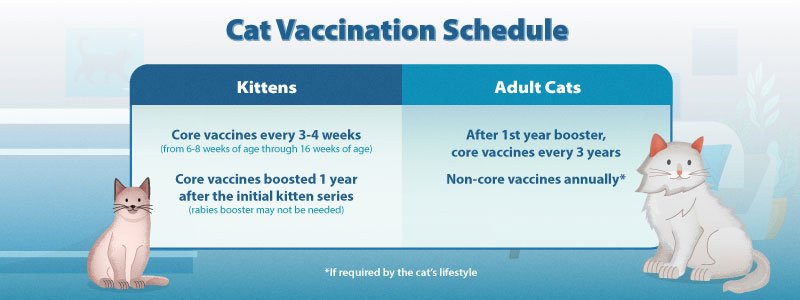
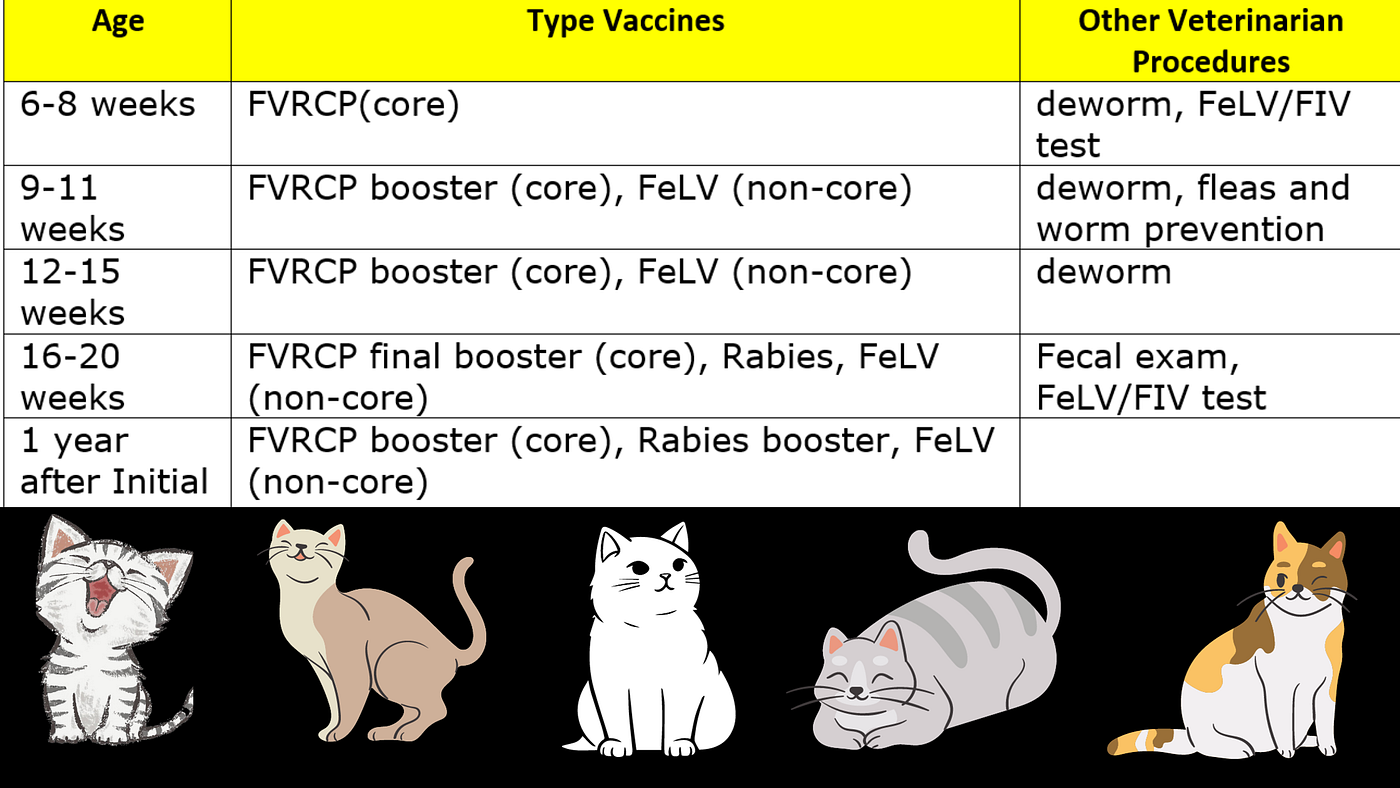
Kittens need a series of shots to build strong immunity. The first distemper vaccine usually happens at 6 to 8 weeks old. After that, boosters are given every 3 to 4 weeks until the kitten is about 16 weeks old.
This schedule ensures your kitten develops full protection as their immune system matures. Missing a dose can leave your kitten vulnerable, so keeping track is crucial. Have you marked your calendar for these important visits?
Adult Cat Booster Shots
Once your cat reaches adulthood, booster shots are necessary to maintain immunity. Typically, distemper boosters are given every 1 to 3 years, depending on your vet’s advice and your cat’s lifestyle.
Indoor cats might need fewer boosters, but outdoor cats face higher risks and often require more frequent vaccinations. Regular vet check-ups help decide the best schedule tailored for your cat. How often do you check your cat’s vaccination status?
Factors Influencing Vaccination Frequency
Several factors affect how often a cat needs a distemper shot. Vaccination schedules vary based on lifestyle and health. Understanding these can help keep cats safe and healthy. Vaccines protect cats from serious diseases but must match their needs.
Indoor Vs. Outdoor Cats
Indoor cats face fewer risks of catching distemper. Their exposure to other animals is limited. Vaccination may be less frequent for cats that stay inside. Outdoor cats encounter more risks. They meet other cats and wild animals often. This increases the chance of infection. Outdoor cats usually need booster shots more often. Keeping up with vaccines is crucial for their safety.
Health And Age Considerations
Kittens need a series of shots starting young. Their immune systems are still developing. Older cats may need fewer boosters if healthy. Cats with weak immunity require more frequent vaccines. Chronic illnesses can change vaccination needs. A vet can suggest the best schedule. Regular check-ups help adjust vaccine timing. Health status plays a big role in vaccine frequency.
Potential Side Effects And Concerns
Getting your cat vaccinated against distemper is crucial, but it’s natural to wonder about the possible side effects. While most cats handle the vaccine well, some may show mild reactions. Understanding what to expect helps you keep your pet safe and comfortable after the shot.
Common Reactions To Watch For
Most cats experience only minor side effects after a distemper shot. These can include:
- Mild swelling or soreness at the injection site
- Temporary lethargy or tiredness
- Loss of appetite for a day or two
- Sneezing or mild nasal discharge
These symptoms usually fade quickly and don’t require treatment. However, if your cat seems unusually tired or irritable beyond a couple of days, it’s worth paying closer attention.
When To Contact A Veterinarian
Some reactions demand immediate veterinary care. Watch for signs like:
- Severe swelling or lumps at the injection site
- Difficulty breathing or persistent coughing
- Vomiting or diarrhea lasting more than 24 hours
- Sudden behavior changes, such as confusion or aggression
- High fever or seizures
If you notice any of these, don’t hesitate to call your vet. Quick action can prevent complications and ensure your cat stays healthy.

Credit: millsanimalhospital.com
Tips For Keeping Track Of Vaccinations
Keeping track of your cat’s distemper shots is essential for its health and well-being. Missing a vaccination can leave your feline friend vulnerable to serious illnesses. Staying organized helps you avoid those last-minute scrambles and keeps your cat’s immune system strong.
Maintaining A Vaccination Record
Start by creating a dedicated vaccination record for your cat. Use a simple notebook, a digital app, or even a spreadsheet—whatever fits your lifestyle best. Include the date of each shot, the type of vaccine, and the next due date.
Some pet owners find it helpful to keep a photo of the vaccination card on their phone. That way, you have quick access during emergencies or vet visits. Have you ever had to guess when your cat’s last shot was? Keeping a record eliminates that guesswork entirely.
Scheduling Regular Veterinary Visits
Set reminders on your phone or calendar for upcoming vaccination appointments. Regular vet visits give you a chance to discuss any concerns and ensure all vaccinations are up to date. Your vet can also advise if booster shots are necessary based on your cat’s lifestyle and health.
Think about syncing your pet’s vaccination schedule with your personal calendar. This small habit keeps your cat’s health a priority amid your busy life. How often do you check your cat’s health status beyond vaccinations? Regular visits can catch other issues early.
Frequently Asked Questions
How Often Should Cats Get Distemper Shots?
Cats typically need distemper shots every 1 to 3 years. Kittens receive initial vaccines in a series. Adult cats get boosters based on vet recommendations. Regular vaccinations keep cats protected from deadly diseases.
What Age Is Best For A Cat’s Distemper Vaccine?
Kittens usually start distemper vaccines at 6 to 8 weeks old. They get multiple shots until 16 weeks. Early vaccination ensures strong immunity. Adult cats may get boosters yearly or every three years.
Can Indoor Cats Skip The Distemper Vaccine?
Indoor cats still need distemper vaccines. Viruses can enter through contact with humans or other pets. Vaccination protects indoor cats from unexpected exposure. Regular shots ensure their health and safety.
Are Distemper Vaccines Safe For All Cats?
Yes, distemper vaccines are safe for most cats. Mild side effects like soreness or tiredness may occur. Serious reactions are very rare. Always consult your vet if you have concerns before vaccinating.
Conclusion
Cats need a distemper shot to stay healthy and safe. Usually, kittens get their first shots at a few weeks old. After that, they need booster shots every year or as the vet advises. Keeping up with these vaccines helps prevent serious diseases.
Talk to your vet about the best schedule for your cat. Regular shots protect your cat and keep them happy. Don’t skip these important visits. Your cat’s health depends on timely vaccinations. Simple steps make a big difference. Stay informed and care for your furry friend well.
