


If you have an indoor cat, you might think they’re safe from many health risks. But did you know that your cozy home doesn’t protect your cat from all diseases?
Knowing what vaccinations your indoor cat needs is key to keeping them healthy and happy for years to come. You’ll discover exactly which shots are essential and why skipping them could put your furry friend at risk. Keep reading to find out how to give your cat the best protection possible.

Credit: millsanimalhospital.com
Core Vaccinations For Indoor Cats
Core vaccinations protect indoor cats from serious diseases. Even cats that stay inside can catch viruses. Vaccines build their immunity. They keep cats healthy and safe. The main vaccines cover three key diseases. Each protects against a different threat.
Feline Viral Rhinotracheitis
This virus causes severe respiratory infections. Cats may sneeze, cough, and have eye problems. It spreads through direct contact or shared items. Vaccination helps stop infection and reduces symptoms. Indoor cats still risk exposure from humans or other pets.
Calicivirus Immunization
Calicivirus affects the mouth and respiratory system. Signs include mouth sores, drooling, and breathing trouble. It spreads easily among cats. Vaccines lower the chance of illness. They also help lessen the severity if a cat gets sick.
Panleukopenia Protection
Panleukopenia is a deadly virus for cats. It attacks the immune system and intestines. Symptoms include vomiting, diarrhea, and weakness. The virus spreads through contact with infected feces. Vaccination offers strong defense and can save lives. Indoor cats need this vaccine too.
Non-core Vaccinations
Non-core vaccinations are not required for every indoor cat. These shots protect cats from diseases they might encounter in specific situations. Your vet may suggest these vaccines based on your cat’s lifestyle and health risks. Understanding these options helps you make informed decisions for your cat’s well-being.
Feline Leukemia Vaccine
The Feline Leukemia vaccine protects against a serious virus. This virus spreads through close contact with infected cats. Indoor cats with outdoor access or contact with other cats may benefit from this vaccine. It helps prevent illness and improves your cat’s immune response.
Bordetella And Chlamydophila Shots
Bordetella and Chlamydophila vaccines guard against respiratory infections. These bacteria cause coughing, sneezing, and eye discharge. Cats in multi-cat homes or shelters face higher risks. Vaccinating reduces symptoms and stops the spread to other cats.
Rabies Vaccination
Rabies vaccination is a crucial part of protecting your indoor cat’s health. Even if your cat rarely leaves the house, the risk of exposure to rabies cannot be ignored. This vaccine not only safeguards your pet but also protects your family and community from a deadly disease.
Legal Requirements
Many regions require cats to have a rabies vaccination by law. These laws vary depending on where you live, but most places enforce strict rules to prevent the spread of rabies. Failing to comply can lead to fines or other penalties, so it’s important to check local regulations.
Even if your cat never steps outside, the law often considers the potential for accidental exposure through wildlife or other pets. You might wonder, “Is it really necessary for my indoor-only cat?” The answer usually leans toward yes, as the law prioritizes public safety.
Safety And Efficacy
Rabies vaccines for cats have been tested extensively and are considered safe. Side effects are rare and usually mild, such as slight swelling or temporary lethargy. The benefits far outweigh any minor risks.
The vaccine is highly effective in preventing rabies infection. Once vaccinated, your cat gains protection for at least one to three years, depending on the vaccine type. This protection means peace of mind for you, knowing your cat is safe against a fatal disease.
Think about the last time you visited the vet—did your vet discuss rabies vaccination? If not, you might want to bring it up yourself. Your cat’s health depends on you being proactive and informed.
Credit: medium.com
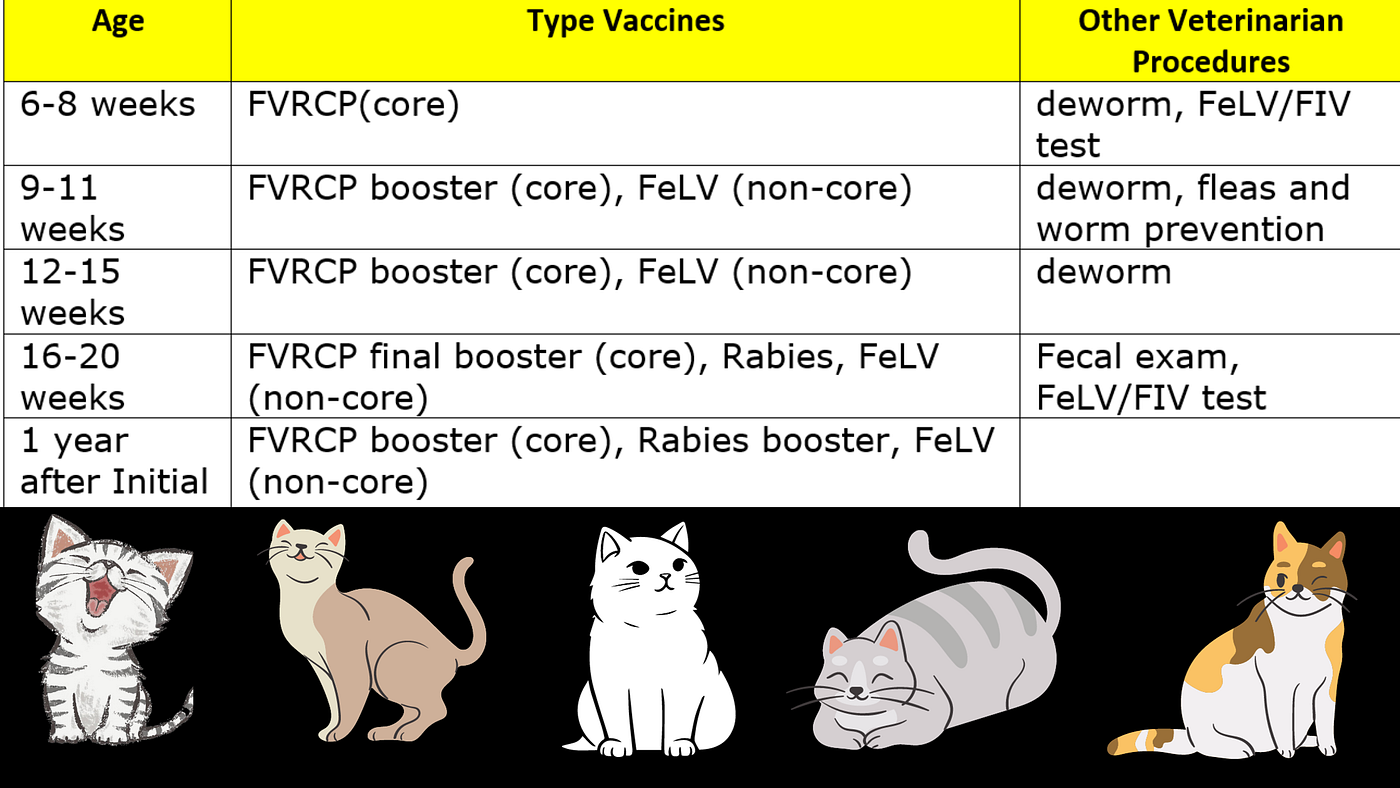
Vaccination Schedule
Keeping your indoor cat protected means following a clear vaccination schedule. Vaccines help prevent serious illnesses, even if your cat never steps outside. Understanding when to vaccinate and boost your cat’s immunity is key to their lifelong health.
Kitten Vaccination Timetable
Kittens need a series of vaccines to build strong immunity. They usually start their shots at around 6 to 8 weeks old. Core vaccines include those for feline distemper, calicivirus, and rhinotracheitis.
A typical schedule looks like this:
| Age | Vaccines |
|---|---|
| 6-8 weeks | First dose of core vaccines |
| 10-12 weeks | Second dose of core vaccines |
| 14-16 weeks | Third dose of core vaccines, plus rabies if required |
Each dose builds on the last, so missing a shot can leave your kitten vulnerable. Have you ever wondered if your kitten’s shots are really complete before they play with other pets?
Adult Cat Booster Shots
Adult cats need booster shots to maintain their protection. Usually, these boosters happen annually or every three years, depending on the vaccine and vet advice.
Common boosters include:
- Feline distemper
- Rabies (required by law in many areas)
- Other vaccines based on lifestyle and health risks
Skipping boosters can weaken your cat’s immune defense. Do you keep track of your cat’s vaccination dates, or is it time to set a reminder?
Potential Side Effects
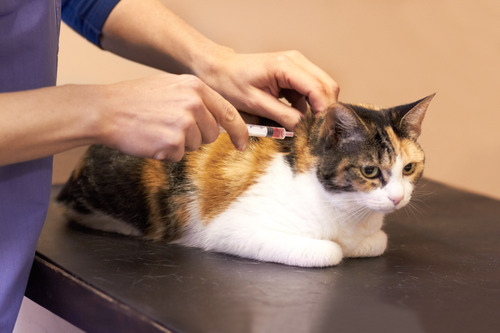
Vaccinations are important for indoor cats to protect them from diseases. Like any medical treatment, vaccines can cause side effects. These side effects range from mild to rare serious reactions. Understanding these helps pet owners care better for their cats after vaccination.
Mild Reactions
Mild reactions are common and usually go away quickly. These include:
- Swelling or soreness at the injection site
- Lethargy or tiredness for a day or two
- Loss of appetite for a short time
- Sneezing or mild cough in some cases
These symptoms are normal signs that the immune system is responding. Most cats recover without any treatment.
Serious Adverse Effects
Serious effects are very rare but need prompt attention. Watch for:
- Difficulty breathing or wheezing
- Severe swelling of face or paws
- Vomiting or diarrhea lasting more than a day
- Collapse or seizures
If any of these occur, contact a veterinarian immediately. Quick action can save your cat’s life.
Credit: triangleanimalclinic.com
Consulting A Veterinarian
Consulting a veterinarian is essential for deciding which vaccines your indoor cat needs. Each cat is unique, and a vet can offer advice based on your cat’s age, health, and lifestyle. This expert guidance ensures your cat gets the right protection without unnecessary shots.
Tailoring Vaccination Plans
Veterinarians create vaccination plans that match your cat’s specific needs. They consider factors such as:
- Age and breed
- Medical history
- Exposure risk to diseases
This personalized approach avoids over-vaccination and focuses on the most important vaccines for indoor cats. It also sets the right schedule for booster shots.
Monitoring Health Post-vaccination
After vaccination, vets monitor your cat’s health closely. They check for any side effects or reactions. Common mild reactions include:
- Swelling at injection site
- Temporary tiredness
- Mild fever
Serious reactions are rare but require immediate attention. Regular vet visits help track your cat’s health and keep vaccinations up to date.
Frequently Asked Questions
What Core Vaccines Do Indoor Cats Require?
Indoor cats need core vaccines like FVRCP and rabies. These protect against common, serious diseases even if cats stay indoors.
Are Indoor Cats At Risk Without Vaccinations?
Yes, indoor cats can still catch diseases from humans or other pets. Vaccinations help prevent these risks effectively.
How Often Should Indoor Cats Get Vaccinated?
Indoor cats usually need booster shots every 1 to 3 years. Your vet will recommend the best schedule based on health.
Can Indoor Cats Skip Rabies Vaccination?
No, rabies vaccination is legally required and crucial. It protects cats and humans from this deadly virus.
Conclusion
Vaccinations keep indoor cats safe from many diseases. Regular shots help protect their health over time. Talk to your vet about the right vaccines. Each cat’s needs can be different. Staying up to date means fewer health risks. A healthy cat is a happy cat.
Don’t wait to schedule their next visit. Protect your pet with proper vaccinations today.
