

Are you wondering if your cat might be expecting kittens? It can be tricky to tell, especially if you’re not sure what signs to look for.
Knowing if your cat is pregnant early on helps you prepare for her care and the arrival of her babies. You’ll discover simple and clear ways to spot the signs of pregnancy in your cat. By the end, you’ll feel confident to recognize the changes and give your furry friend the best support possible.
Keep reading to find out how to know if your cat is pregnant!
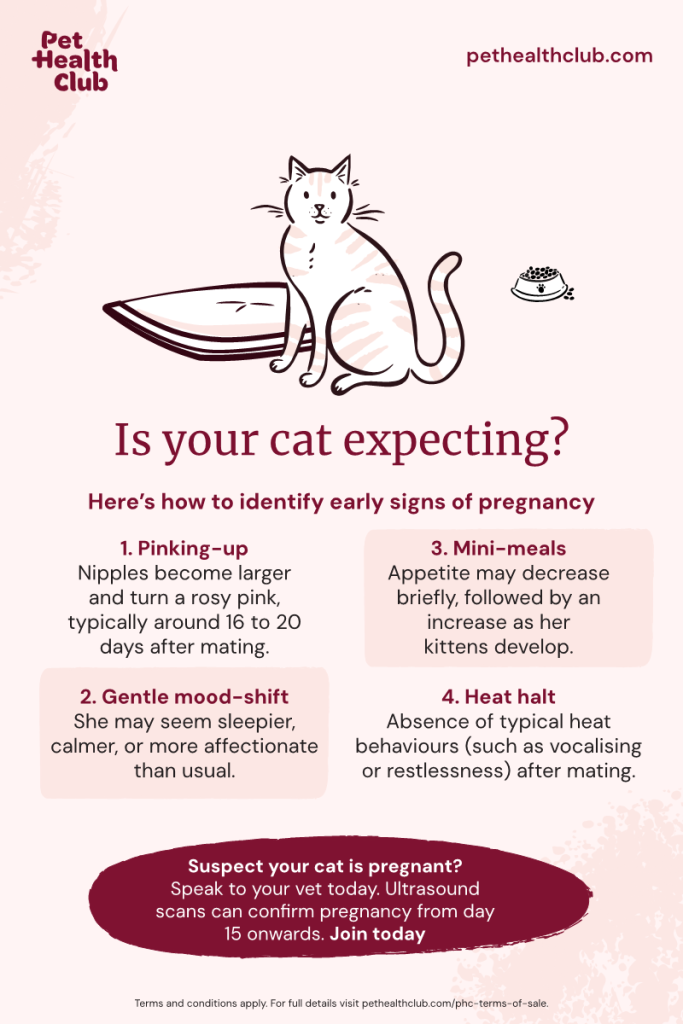
Credit: www.pethealthclub.com
Early Pregnancy Signs
Noticing early pregnancy signs in your cat can feel like detective work. These subtle clues often go unnoticed but can tell you a lot about what’s happening inside your furry friend. Recognizing these signs early helps you provide the right care and prepare for the kittens ahead.
Changes In Appetite And Behavior
One of the first things you might notice is a change in your cat’s eating habits. She may suddenly eat more or sometimes less than usual. You might also see her become more affectionate or, conversely, a bit withdrawn as her body starts to adjust.
Have you ever caught your cat acting unusually clingy or quiet? These shifts could hint at early pregnancy.
Physical Signs To Watch For
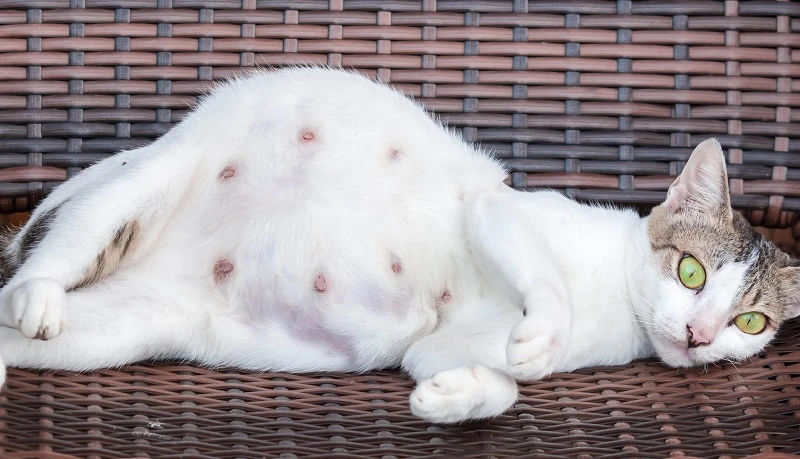
Your cat’s body can show early signs like slight swelling or pinkish discoloration of the nipples. This is often called “pinking up” and usually appears about three weeks into pregnancy. You might also notice a softer belly, though it’s too early for a big baby bump.
Keep a gentle eye on these subtle changes—they’re often the first visible proof of pregnancy.
Increased Sleep And Nesting Behavior
Pregnant cats tend to sleep more as their bodies work hard to support the developing kittens. You might find your cat looking for quiet, cozy spots to rest. Nesting behavior, like scratching or rearranging blankets, can also start early as she prepares her home.
Have you seen your cat suddenly become a homebody, seeking out peaceful corners? This might be her way of getting ready for motherhood.
Physical Changes In Your Cat
Noticing physical changes in your cat is one of the clearest ways to tell if she might be pregnant. These changes can start to show a few weeks after mating and give you visible clues to watch for. Paying attention to these signs helps you prepare for the arrival of kittens and ensures you provide the right care.
Nipple Enlargement
One of the earliest and most obvious signs is that your cat’s nipples will become larger and pinker. This change is often called “pinking up” and usually happens around three weeks into pregnancy.
You might notice the nipples standing out more than usual, and the surrounding area may look a bit swollen. If you pet your cat, you may feel these changes before you see them clearly.
Increased Appetite
Your cat may start eating more than usual as her body begins to prepare for growing kittens. This increased appetite usually appears a few weeks into the pregnancy.
Have you noticed your cat finishing her food faster or asking for more snacks? This can be a strong hint that she is expecting and needs extra nutrition to support her growing babies.
Weight Gain
As the pregnancy progresses, your cat will gain noticeable weight, especially around her abdomen. This weight gain usually becomes visible after the first month.
Keep an eye on her belly size during playtime or when she stretches. It’s a good idea to weigh her regularly so you can track any steady increase that could indicate pregnancy.
Behavioral Changes
Behavioral changes often provide some of the clearest clues that your cat might be pregnant. These shifts in how she acts can be subtle or quite obvious, depending on her personality and the stage of pregnancy. Watching how your cat’s behavior evolves can help you prepare for her new role as a mother.
Increased Affection
Your cat might suddenly want to be closer to you more than usual. She may follow you around, purr louder, or seek extra petting and cuddles. This change in affection is her way of looking for comfort and security during a vulnerable time.
Have you noticed your usually independent cat becoming clingy? This shift can be a strong sign she’s feeling the need for reassurance and warmth. Giving her gentle attention can help her feel safe and loved.
Nesting Instincts
Pregnant cats often start looking for quiet, cozy spots to rest. You might find her dragging soft blankets or toys into a hidden corner of the house. This behavior is her natural preparation for the arrival of her kittens.
Pay attention if your cat is spending more time in secluded areas or seems restless. Setting up a quiet nesting box can make her feel more comfortable and reduce stress. Have you created a special space for your cat to nest yet?

Credit: www.reddit.com
Veterinary Confirmation
Confirming your cat’s pregnancy through a veterinarian is the most reliable way to know for sure. While you may notice some signs at home, only a professional can provide clear answers and proper care advice. Visiting the vet helps you understand your cat’s health and prepares you for the journey ahead.
Ultrasound Scans
Ultrasound scans are a key tool vets use to confirm pregnancy early, sometimes as soon as two weeks after mating. The scan allows you to see the developing kittens and hear their heartbeats, which is an incredible moment for any cat owner.
Besides confirmation, ultrasounds check the health of the fetuses and detect any issues early on. Have you ever wondered how vets spot problems before they become visible? Ultrasound is the answer.
Physical Examination
A thorough physical exam gives vets clues about pregnancy through changes in your cat’s body. They will gently feel your cat’s abdomen for swelling and check the nipples for enlargement and color change.
These signs typically appear around the third week of pregnancy, making it easier to confirm by touch. If you’re unsure about what feels normal, trust your vet’s hands—they know exactly what to look for.
Preparing For Kitten Arrival
Preparing for the arrival of kittens is an important part of caring for a pregnant cat. It helps ensure the mother and her babies stay safe and comfortable. Setting up a quiet, warm space and keeping track of her health will make the process smoother.
Creating A Comfortable Space
Choose a quiet corner in your home for the mother cat. Use a soft blanket or towel to line a box or a small bed. The space should be warm and free from drafts. Keep the area clean and away from loud noises or heavy foot traffic. This helps the cat feel safe and relaxed as she prepares to give birth.
Monitoring Health And Diet
Feed your cat nutritious food made for pregnant or nursing cats. Fresh water should always be available nearby. Watch for any signs of illness or unusual behavior. Regular vet check-ups can catch problems early. Healthy eating supports both the mother and her growing kittens.

Credit: www.reddit.com
Common Myths And Misconceptions
Many cat owners rely on old wives’ tales or guesswork to determine if their feline friend is pregnant. These myths can create confusion and sometimes lead to missed signs or unnecessary worry. Understanding which beliefs are true and which are misconceptions helps you take better care of your cat during this important time.
Pregnant Cats Always Show A Big Belly Early On
It’s common to think a cat’s belly will swell noticeably right after conception. But pregnancy signs like a growing belly usually appear later, often after the fifth week. Early on, your cat might look perfectly normal, so don’t rely solely on her size to tell if she’s expecting.
Have you noticed your cat acting different without any visible changes? That’s often the case, as behavior shifts can be earlier clues than physical signs.
Only Female Cats Who Go Outside Can Get Pregnant
This myth can make indoor cat owners feel safe from unexpected pregnancies. In reality, indoor cats can get pregnant just as easily if they have access to an intact male. Even a brief encounter can result in pregnancy, so consider spaying to avoid surprises.
Think about your cat’s environment—are there open windows or doors where a male cat could sneak in? Awareness here is key to prevention.
A Cat’s Pregnancy Always Lasts Exactly Nine Weeks
Many believe cat pregnancies are a fixed 63 days, but this isn’t always true. Pregnancy length can vary between 58 to 70 days depending on the cat’s health and breed. Being flexible about the timeline helps you stay prepared for early or late arrivals.
Have you scheduled vet visits too rigidly? Allow room for your cat’s unique pregnancy pace.
A Pregnant Cat Will Stop Eating Or Lose Her Appetite
While some cats might eat less due to nausea early in pregnancy, many maintain or even increase their appetite. Watching food intake alone won’t confirm pregnancy. Instead, observe overall behavior and physical signs alongside eating habits.
Did your cat suddenly eat less but still act playful and normal? That might not mean pregnancy but something else worth checking with your vet.
All Pregnant Cats Show Nesting Behavior
Not every pregnant cat starts building nests or hiding before giving birth. Some stay quite relaxed and don’t display obvious nesting instincts. Watch for subtle signs like seeking quiet spots, but don’t expect dramatic changes in all cases.
Have you noticed your cat quietly choosing cozy corners without fuss? This might be her way of preparing in her own style.
Frequently Asked Questions
How Can I Tell If My Cat Is Pregnant Early?
Early signs include morning sickness, increased appetite, and behavioral changes. Your cat may also become more affectionate or seek solitude during early pregnancy stages.
When Do Physical Changes Show In A Pregnant Cat?
Physical changes like swollen nipples and a larger belly usually appear around three to four weeks into pregnancy. These signs become more noticeable as the pregnancy progresses.
Can A Vet Confirm My Cat’s Pregnancy?
Yes, a vet can confirm pregnancy through an ultrasound or palpation after three weeks. Early vet visits ensure proper care for the mother and kittens.
What Are Common Behavioral Signs Of A Pregnant Cat?
Pregnant cats may become more tired, seek quiet places, or show nesting behavior. Mood swings and increased affection can also be common during pregnancy.
Conclusion
Knowing the signs of a pregnant cat helps you care better for her. Watch for changes in behavior, appetite, and body shape. Regular vet visits confirm pregnancy and keep both cat and kittens safe. Stay patient and gentle as your cat goes through this special time.
Caring well now means healthy kittens later. Trust your observations and seek help when unsure. Your cat depends on you.
