

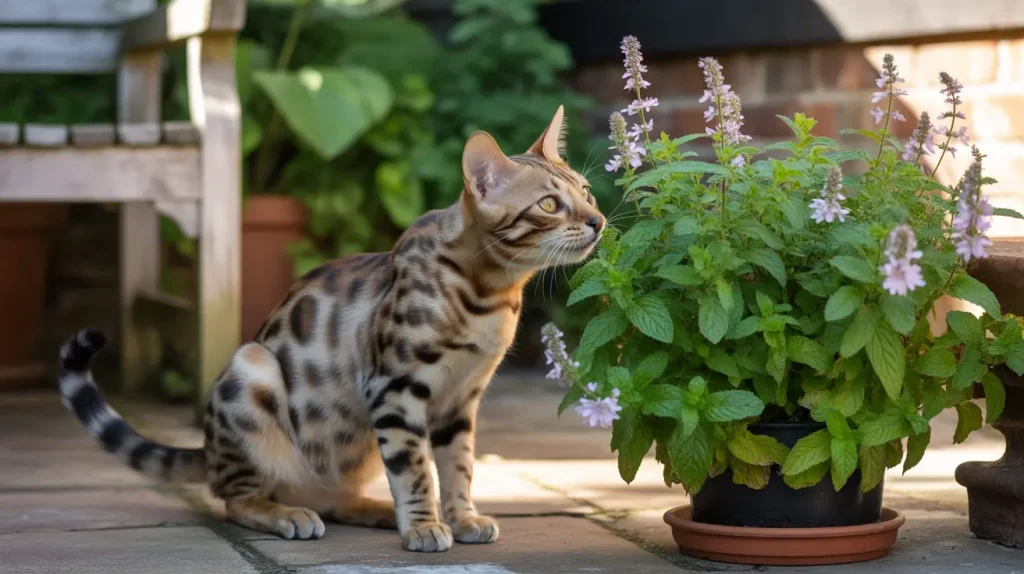
Have you ever wondered if your curious cat enjoys the fresh scent of peppermint? You might have seen peppermint plants around your home or used peppermint oil for yourself, but what about your furry friend?
Understanding whether cats like peppermint can help you keep them safe and happy. Keep reading to discover surprising facts about how peppermint affects your cat and what you should watch out for. This knowledge could make a big difference in your pet’s comfort and well-being.
Cats’ Sense Of Smell
Cats rely heavily on their sense of smell. It helps them explore and understand their world. Their noses are much more sensitive than humans’. This makes scents very important in their daily lives.
How Cats Perceive Scents
Cats have a unique way to detect smells. Their noses contain about 50 to 80 million scent receptors. Humans have only about 5 million. This means cats can sense smells that humans cannot.
They also use a special organ called the Jacobson’s organ. It is located on the roof of their mouth. This organ helps cats analyze scents deeply. When a cat curls back its lips and opens its mouth, it is using this organ. This behavior is called the Flehmen response.
Importance Of Smell For Cats
Smell guides cats in many ways. It helps them find food and avoid danger. It also plays a big role in social interactions. Cats use scent to mark territory and recognize other cats.
Strong or strange smells can affect a cat’s mood. Some scents make cats curious and playful. Others may cause stress or avoidance. Understanding how cats perceive scents helps owners create a safe environment.
Credit: katpole.com
Peppermint And Its Properties
Peppermint is more than just a refreshing flavor or scent. It holds unique properties that make it stand out among herbs, impacting both humans and animals in interesting ways. Understanding these properties helps you decide if peppermint is safe or appealing for your cat.
What Makes Peppermint Unique
Peppermint contains menthol, a compound responsible for its cooling sensation and strong aroma. This menthol can stimulate the senses but also has the potential to irritate sensitive noses and skin.
Its natural oils are known for their antibacterial and antifungal effects, often used in natural remedies. However, these oils can be toxic to pets if ingested in large amounts or applied directly.
Have you noticed your cat’s reaction to strong smells before? Peppermint’s intensity can be overwhelming for their delicate noses, sometimes causing aversion or curiosity.
Common Uses Of Peppermint
- Flavoring:Added to candies, gum, and toothpaste for a fresh taste.
- Medicinal:Used in teas and topical balms to relieve headaches and muscle pain.
- Aromatherapy:Employed to energize and clear the mind with its invigorating scent.
- Insect Repellent:Peppermint oil can deter pests like ants and spiders.
Knowing these uses, you might wonder if peppermint’s presence around your home can affect your cat. Could the scent attract or repel your furry friend? Observing your cat’s behavior near peppermint products can reveal a lot.
Cats’ Reaction To Peppermint
Understanding how cats react to peppermint can help you decide if this scent or plant should be part of your home environment. Cats have unique sensitivities to smells, and peppermint is no exception. Observing your cat’s behavior around peppermint can reveal whether it is a source of comfort or discomfort for them.
Attraction Or Aversion
Many cats show a clear aversion to peppermint. The strong, sharp scent often overwhelms their sensitive noses, causing them to avoid areas where peppermint is present. If you notice your cat sniffing cautiously and then moving away, it’s a sign they dislike the smell.
However, a few cats might display curiosity or mild attraction, especially if the peppermint is part of a mixed scent or product they associate with play or treats. Still, this is less common and usually temporary.
Potential Effects On Cats
Peppermint contains essential oils that can be harmful if ingested or applied to your cat’s skin. Even smelling strong peppermint oil can cause mild irritation or respiratory discomfort in sensitive cats.
Keep peppermint plants, oils, and products out of reach to prevent accidental exposure. If your cat shows signs of sneezing, coughing, or unusual behavior near peppermint, it’s best to remove the source immediately.
Have you noticed your cat reacting differently to other strong scents? Observing these reactions can help you create a safer, more comfortable space for your pet.

Credit: www.youtube.com
Reasons Behind Cats’ Response
Cats react to peppermint in different ways. Some seem curious, while others avoid it. Understanding why helps explain these varied responses. Their senses, especially smell, play a big role. Peppermint’s strong scent can trigger different feelings in cats. Some find it stimulating, others find it overwhelming.
Chemical Components In Peppermint
Peppermint contains a chemical called menthol. Menthol creates a cooling sensation. This can feel strange or even irritating to cats.
Menthol affects the nerves in a cat’s nose and mouth. This may cause discomfort or excitement. Cats have more sensitive noses than humans. This makes them react strongly to strong smells like peppermint.
Other oils in peppermint can also be sharp for cats. These oils can confuse their sense of smell. This explains why some cats avoid peppermint completely.
Similarities With Catnip
Catnip and peppermint share some scent qualities. Both plants produce strong, sharp smells. Catnip contains a compound called nepetalactone. This causes many cats to feel happy or playful.
Some cats respond to peppermint similarly because of its strong oils. Peppermint might trigger curiosity or excitement. Others might feel stressed or scared by the scent.
Not all cats react to catnip or peppermint. About 30% of cats do not respond to catnip at all. Their reaction to peppermint can be just as varied.
Safety Concerns For Cat Owners
Cat owners often wonder if peppermint is safe for their pets. Peppermint contains oils that can cause health problems in cats. Understanding these risks helps protect your furry friend from harm. Cats have different bodies and react differently to many plants and oils. Knowing what is safe keeps cats happy and healthy.
Health Risks Of Peppermint
Peppermint contains essential oils that can be toxic to cats. These oils may cause:
- Vomiting and diarrhea
- Difficulty breathing
- Drooling or mouth irritation
- Lethargy and weakness
- Skin irritation if touched
Even small amounts of peppermint oil can cause these symptoms. Cats cannot easily break down these oils, making peppermint risky. Avoid giving cats any products with peppermint oil or strong mint scents.
Safe Alternatives For Cats
Choose plants and scents that are safe for cats. Some safe options include:
- Catnip, which cats love and is safe
- Valerian root for calming effects
- Silver vine, a natural cat stimulant
- Fresh herbs like basil or parsley
Always check if a new plant or scent is safe before introducing it. Consult a vet for advice on safe options. Using safe alternatives avoids health risks and keeps cats happy.

Credit: www.petscare.com
Tips For Using Scents Around Cats
Using scents around your cat can create a more pleasant home atmosphere, but it’s important to keep their safety and comfort in mind. Cats have a much stronger sense of smell than humans, so what seems mild to you could be overwhelming or even harmful to them. Here are some practical tips to help you use scents thoughtfully and responsibly.
Creating A Safe Environment
Start by observing your cat’s reactions when you introduce any new scent. If your cat appears stressed, avoids the area, or shows signs of irritation like sneezing or excessive grooming, it’s a clear sign to remove the scent immediately.
Keep scented products out of your cat’s reach to prevent accidental ingestion. Essential oils and strong fragrances can be toxic if licked or inhaled in large amounts.
Ventilate the room well after using any scent. Fresh air helps dilute strong smells and keeps your cat comfortable.
Choosing Cat-friendly Scents
Not all scents are safe for cats. Avoid anything with essential oils like tea tree, eucalyptus, or peppermint in high concentrations, as these can be harmful. Instead, opt for natural, mild scents such as chamomile or lavender, which tend to be less irritating.
Consider using unscented or lightly scented products designed specifically for pets. These are formulated with your cat’s health in mind.
Have you ever noticed your cat reacting positively to certain smells? Some cats enjoy the scent of catnip or valerian root, which can even boost their mood.
Frequently Asked Questions
Do Cats Like The Smell Of Peppermint?
Most cats dislike peppermint’s strong scent. It can be overwhelming and irritating to their sensitive noses. Peppermint is often used to deter cats from certain areas.
Is Peppermint Safe For Cats To Inhale?
Peppermint oil can be toxic if inhaled in large amounts. Small exposures usually cause mild irritation. Always keep peppermint products away from cats to prevent health risks.
Can Peppermint Harm Cats If Ingested?
Yes, peppermint can cause stomach upset and toxicity if eaten by cats. Symptoms include vomiting and diarrhea. Avoid giving cats any peppermint-flavored treats or plants.
Why Do Cats Avoid Peppermint Plants?
Cats avoid peppermint because its strong aroma is unpleasant to them. The scent acts as a natural repellent. Gardeners sometimes plant peppermint to keep cats away.
Conclusion
Cats and peppermint do not mix well. Most cats dislike the strong smell. Peppermint can even upset their stomachs. Keep peppermint away from your pets. Choose safe plants and toys instead. Always watch your cat’s reactions carefully. Protect your furry friend with simple steps.
A happy cat means a happy home.
