


Have you ever found yourself wondering what to call a female cat? Maybe you’ve heard different terms and felt a bit confused.
If you want to sound confident and know exactly what to say, this article is for you. By the end, you’ll have clear answers and interesting facts that make talking about your furry friend even more fun. Ready to learn something new about your cat?
Let’s dive in!
Common Terms For Female Cats
Understanding the common terms used for female cats helps you connect better with other cat lovers and care more effectively for your feline friend. Knowing the right words can also make conversations about your pet clearer and more enjoyable. Let’s look at some widely used terms that describe female cats.
Queen
The term queenspecifically refers to a female cat that is either pregnant or actively breeding. If you have a cat that’s expecting kittens, calling her a queen is accurate and respectful in the feline community. It’s a neat way to acknowledge her special role in the cat world.
She-cat
She-catis a straightforward term that simply means a female cat. It’s often used when gender needs to be specified but there’s no focus on breeding status. If you’re telling a story about your cat and want to highlight her gender, this term works perfectly.
Feline Female
Sometimes, people use feline femaleas a more scientific or formal way to refer to a female cat. This term is less common in everyday conversation but appears in veterinary contexts or animal studies. It’s useful if you want to sound precise or professional.
Spayed Female
A spayed femaleis a female cat that has undergone surgery to prevent pregnancy. This term is important for cat owners who want to discuss health and behavior related to spaying. Knowing this term helps you understand advice from vets or animal shelters better.
Kitty
While kittyisn’t gender-specific, it’s a loving and casual term often used for female cats, especially young ones. If you want to express affection or playfulness, calling your female cat a kitty feels warm and personal. Have you ever noticed how calling your cat “kitty” can instantly brighten her mood?
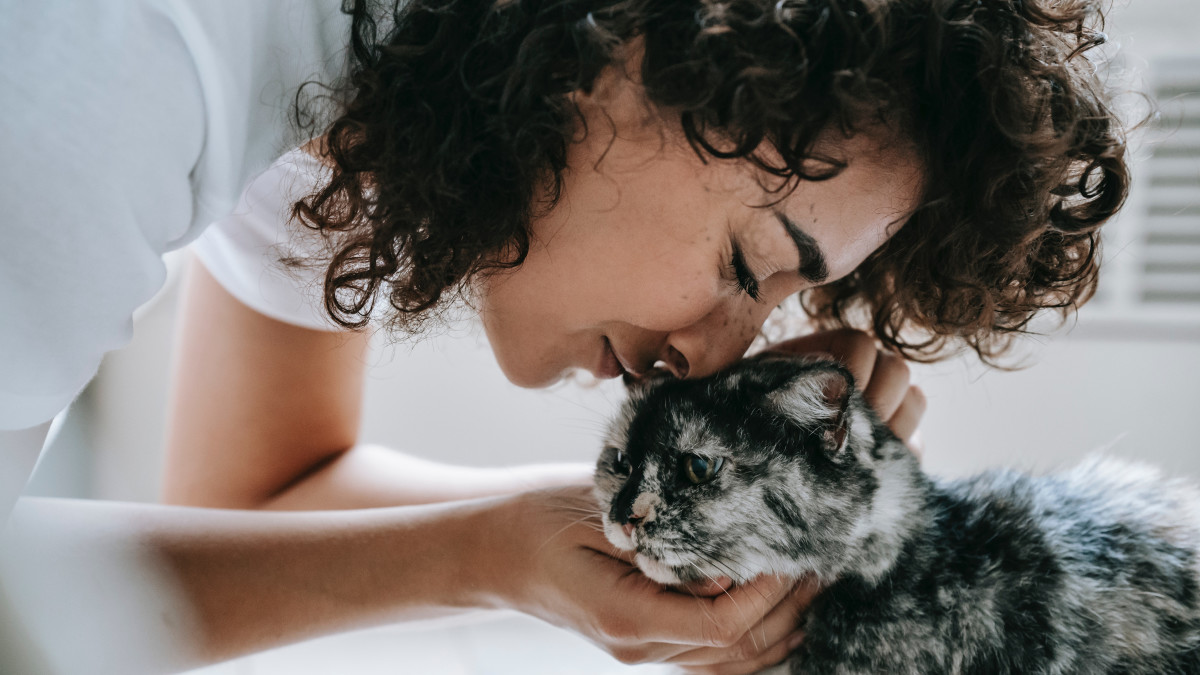
Credit: pethelpful.com
Understanding The Term ‘queen’
The term “queen” holds a special place in the world of cats, especially among breeders and enthusiasts. It specifically refers to a female cat with a unique role. Understanding this term helps clarify conversations about cats, their care, and breeding.
Calling a female cat a “queen” is not just a casual nickname. It reflects her importance in the feline family and breeding circles. Let’s explore what makes this term so meaningful.
Origin Of The Term
The word “queen” comes from old English, meaning a female ruler. It fits well for female cats that give birth and care for kittens. The term became popular among cat breeders in the early 1900s. They needed a clear, respectful way to name a mother cat.
It shows respect and highlights the cat’s role as a mother. The term also separates female cats used for breeding from others. This distinction helps in managing cat populations and breeding programs.
Usage In Breeding Context
In breeding, a queen is a female cat that is healthy and able to have kittens. Breeders use the term to describe cats that are actively part of a breeding plan. The queen’s health, genetics, and temperament are important for producing strong kittens.
Queens usually have specific care routines during pregnancy and nursing. Their diet and environment are carefully managed. Breeders track their lineage and traits to improve cat breeds. The term “queen” signals the cat’s vital role in this process.
Female Cat Behavior Traits
Female cats show unique behaviors that set them apart from their male counterparts. Understanding these traits helps you connect better with your feline friend. Their actions often reveal instincts shaped by both nature and experience.
Territorial Nature
Female cats are often very protective of their space. You might notice your cat marking furniture or rubbing against objects to claim her territory. This behavior helps her feel secure and signals other cats to keep away.
Have you seen your female cat patrol the house or yard regularly? This is her way of checking that everything within her boundaries is as it should be. It’s not just about defense but also about maintaining order in her environment.
Maternal Instincts
Even if a female cat has never had kittens, her maternal instincts can still show. She might carry toys around gently or groom other pets as if they were her own young. This nurturing behavior highlights her natural caregiving side.
When a female cat has kittens, her focus sharpens completely on their care and protection. She becomes attentive, often adjusting her routine to meet their needs. Watching this can make you appreciate how deeply connected she is to her offspring.

Credit: www.animalfunfacts.net
Differences Between Male And Female Cats
Male and female cats show clear differences in their bodies and behavior. These differences help owners understand their pets better. Knowing what sets them apart makes caring for them easier and more effective.
Physical Differences
Male cats are usually larger and heavier than females. They have broader faces and thicker necks. Female cats tend to have smaller, more delicate features. Color patterns can also differ, especially in calico and tortoiseshell cats, which are almost always female. Male cats often have a stronger, muskier scent due to hormones. Neutering or spaying can reduce these physical traits.
Behavioral Variances
Male cats often display more territorial behavior. They may mark areas with scent to show ownership. Female cats usually act more nurturing and gentle. They can be more social with other cats and people. Unspayed females go through heat cycles, which cause vocal and restless behavior. Spaying or neutering reduces these instincts and calms many behaviors. Each cat’s personality varies, but these trends are common.
Spaying And Its Impact
Spaying is a common surgery for female cats that removes their ability to have kittens. This procedure greatly affects their health and behavior. Understanding these changes helps pet owners care better for their female cats.
Health Benefits
Spaying lowers the risk of many health problems. It prevents uterine infections and reduces the chance of breast cancer. Female cats that are spayed usually live longer and healthier lives. The surgery also stops unwanted pregnancies, which helps control the cat population.
Behavioral Changes
Spayed female cats often become calmer and less aggressive. They do not go into heat, so they avoid loud yowling and restlessness. This change makes them easier to live with. They also stop roaming far from home, which lowers the risk of accidents and fights.
Naming Your Female Cat
Naming your female cat is more than just picking a word—it’s about capturing her unique personality and your bond. The right name can make her feel like part of the family and bring a smile every time you call her. You want a name that’s easy to say, suits her character, and maybe even sparks a story among friends.
Popular Names
Some names never go out of style because they fit so well with common cat traits. Names like Luna, Bella, and Chloeare popular because they’re soft, sweet, and easy to remember.
- Luna– Perfect for a mysterious or night-loving cat.
- Bella– Great for a beautiful, affectionate cat.
- Chloe– Works well for playful and curious cats.
- Lucy– A friendly and approachable name.
- Molly– Fits a gentle and calm personality.
Think about your cat’s behavior and appearance. Does she remind you of one of these names? Sometimes, popular names are popular for a reason—they just click.
Unique Naming Ideas
If you want to stand out, try names inspired by your cat’s quirks or your interests. Maybe she has a loud purr like a tiny engine—why not name her Turbo? Or if you love books, Harperor Austencould be perfect.
- Pixel– For a small, energetic cat with sharp eyes.
- Echo– Suits a cat who’s always responding to sounds.
- Maple– Works well for cats with warm, autumn-colored fur.
- Nova– For the cat who lights up your life suddenly.
- Zelda– A bold name for a cat with a strong personality.
Ask yourself: what makes your cat different? Is there a special moment you shared that can inspire her name? Unique names create stories you’ll enjoy telling for years.

Credit: www.chewy.com
Frequently Asked Questions
What Is The Correct Term For A Female Cat?
A female cat is commonly called a “queen. ” This term is used especially when she is of breeding age or nursing kittens. It helps distinguish her from male cats, known as toms, in cat breeding and veterinary contexts.
Are Female Cats Called Queens In All Countries?
Yes, the term “queen” for a female cat is widely recognized in English-speaking countries. However, some cultures may have different local terms. In general, “queen” remains the standard term in cat breeding and animal care worldwide.
How Do You Identify A Female Cat From A Male?
Female cats typically have a narrower, more streamlined body shape. Their genital area differs from males, lacking a visible scrotum. Behavioral traits alone are not reliable; physical examination or veterinary consultation provides accurate sex identification.
Can A Female Cat Be Called A “molly”?
Yes, “molly” is an informal term sometimes used for female cats. It is less common and mainly used in casual conversation. The term “queen” remains more accurate and preferred in formal and breeding contexts.
Conclusion
A female cat is commonly called a “queen. ” This term is often used by cat breeders and vets. Female cats have unique roles in their homes and communities. Knowing their correct name helps in understanding cat care better. It also shows respect for these lovely animals.
Next time you see a female cat, remember this simple term. It makes talking about cats clearer and easier. Simple words can help us connect more with pets. A queen is not just any cat—it’s special.
