

Have you ever wondered why your cat goes crazy over catnip? You might have seen your furry friend rolling, purring, or acting extra playful after a little sniff or nibble.
But what is it about catnip that makes cats react this way? Understanding why cats need catnip can help you give your pet more joy and keep them entertained. You’ll discover the surprising reasons behind your cat’s love for catnip and how it benefits their health and happiness.
Keep reading—your cat will thank you!
The Fascination With Catnip
Cats have a unique attraction to catnip that many pet owners notice. This plant causes a strong reaction in cats, making them playful and happy. The reason behind this fascination lies in a chemical inside catnip called nepetalactone.
Nepetalactone interacts with a cat’s brain, triggering feelings of excitement. This effect is not harmful and usually lasts about 10 minutes. After that, cats lose interest until some time has passed.
The Role Of Nepetalactone
Nepetalactone binds to receptors inside a cat’s nose. This sends signals to the brain, especially areas that control mood and behavior. The result is a burst of energy or calmness depending on the cat.
Why Cats React Differently
Not all cats respond to catnip. Around 50% to 70% of cats show a reaction. Sensitivity to catnip is inherited, so some cats do not react at all.
How Catnip Benefits Cats
- Encourages play and exercise
- Helps reduce stress and anxiety
- Stimulates natural hunting instincts
- Offers mental stimulation
Safe Use Of Catnip
Catnip is safe for cats in small amounts. Overuse might cause mild upset stomach. Giving catnip occasionally keeps the experience special.
What Is Catnip?
Catnip is more than just a playful treat for your feline friend. It’s a plant that has fascinated cat owners for centuries because of the unique reaction it triggers in cats. But what exactly is catnip, and why does it have such a powerful effect on your pet? Let’s take a closer look.
Natural Properties
Catnip, scientifically known as Nepeta cataria, is a member of the mint family. It grows easily in many climates and has heart-shaped green leaves with tiny white or purple flowers. The plant is completely safe for cats and even has some mild calming effects in humans.
Have you noticed how your cat reacts differently to fresh catnip compared to dried? That’s because the freshness affects the potency of its natural oils. Many cat owners find that their cats prefer one form over the other, so it’s worth trying both.
Active Compounds
The secret behind catnip’s allure lies in a compound called nepetalactone. This oil is found in the leaves and stems and is what triggers a temporary, euphoric response in cats. Not all cats respond, though—about 30% have no reaction due to genetics.
Nepetalactone interacts with receptors in your cat’s nose, stimulating sensory neurons that lead to behavior changes like rolling, purring, or playful aggression. This reaction usually lasts for about 10 minutes before your cat loses interest. Have you ever wondered why some cats act so wild around catnip while others seem indifferent? Genetics hold the key.
How Cats React To Catnip
Cats react to catnip in unique and interesting ways. This herb triggers a strong response that many cats find enjoyable. The reaction comes from a compound called nepetalactone found in catnip leaves and stems. When cats smell catnip, it binds to receptors in their nose, sending signals to the brain. These signals affect areas linked to mood and behavior. The way cats react can vary widely from one to another. Some become playful, others more relaxed, and a few show little interest at all.
Behavioral Changes
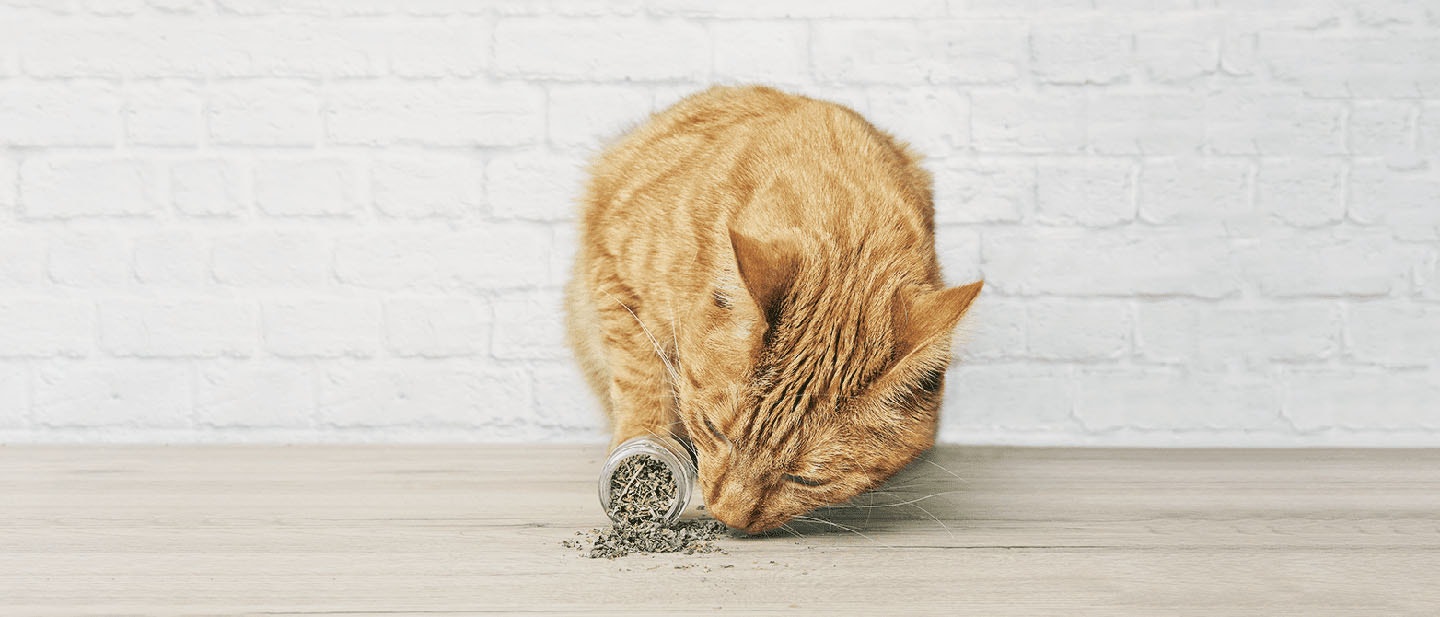
Catnip causes clear shifts in cat behavior. Many cats become very active and playful. They may roll on the floor or rub their face against catnip. Some cats chase invisible prey or leap around excitedly. Others become calm and may even purr loudly. A small number of cats show no reaction. These behaviors usually start quickly after exposure to catnip. The changes can help cats release energy or reduce stress. Catnip provides a safe way for cats to express natural instincts.
Duration Of Effects
The effects of catnip last for a short time. Typically, a cat’s reaction lasts about 5 to 15 minutes. Afterward, cats may lose interest and walk away. It takes about 30 minutes to an hour before they respond again. This pause happens because cats become temporarily insensitive to catnip. Repeated exposure in a short time does not cause the same reaction. Giving cats breaks between catnip sessions keeps their interest fresh. This cycle of reaction and rest makes catnip a fun treat for cats.
Credit: www.whiskas.com.ph
Surprising Benefits For Cats
Catnip is more than just a fun treat for cats. It offers several surprising benefits that improve their well-being. Understanding these benefits helps cat owners provide better care and keep their pets happy.
Mental Stimulation
Catnip triggers a natural response in cats that sharpens their senses. It keeps their brain active and engaged. This mental boost helps fight boredom and supports healthy cognitive function.
Physical Activity
Playing with catnip encourages cats to move and exercise. It inspires jumping, running, and pouncing. This activity helps maintain a healthy weight and strong muscles.
Stress Relief
Catnip acts as a natural relaxant for many cats. It calms anxiety and reduces stress levels. This can be especially helpful during loud noises or changes in their environment.
Possible Health Impacts
Catnip is often seen as a playful treat, but it might offer more than just fun for your feline friend. Understanding its possible health impacts can help you decide how to use it wisely. Let’s look at some specific areas where catnip may influence your cat’s well-being.
Digestive Health
Catnip contains compounds that can help soothe your cat’s digestive system. If your cat has occasional stomach upset or mild indigestion, a small amount of catnip might ease discomfort. Some cat owners notice their pets show less bloating and improved appetite after exposure to catnip.
Have you ever observed your cat nibbling on catnip leaves and then relaxing quietly? This calming effect could be linked to how catnip supports digestion by reducing stress-related stomach issues. However, moderation is key, as too much can cause mild diarrhea or vomiting.
Immune System Support
Catnip is believed to have mild antibacterial and antiviral properties, which might help bolster your cat’s immune defenses. Regular, controlled exposure could contribute to a stronger immune response against common infections. This is especially helpful during seasonal changes when cats are more vulnerable.
Think about your cat’s overall energy and health after spending time with catnip. Do they bounce back more quickly from minor illnesses? While more research is needed, many pet owners report fewer vet visits after introducing catnip into their cat’s routine. Always watch for any adverse reactions and consult your vet if unsure.
Safe Usage Guidelines
Using catnip safely helps your cat enjoy it without harm. Cats react differently to catnip, so careful use is best. Following simple guidelines keeps your pet happy and healthy. Here are some key points to consider for safe catnip use.
Appropriate Dosage
Too much catnip can upset your cat’s stomach. A small pinch is enough for most cats. Use about half a teaspoon of dried catnip or a small sprinkle. For catnip toys, one or two toys with catnip are sufficient. Watch your cat’s reaction and adjust the amount as needed. Avoid giving large amounts at once to prevent overexcitement.
Frequency Of Use
Limit catnip exposure to avoid reduced sensitivity. Offer catnip once or twice a week for the best effect. Daily use may cause your cat to lose interest. Allow time between sessions for your cat to reset. Observe your cat’s behavior to find the right schedule. This approach keeps catnip fun and exciting every time.
Alternatives To Catnip
If your cat isn’t a fan of catnip or you want to mix things up, there are plenty of alternatives to keep your feline friend entertained and relaxed. Finding the right option depends on your cat’s personality and preferences. Let’s look at some other herbs and activities that can bring joy to your pet.
Other Herbs
Not all cats react to catnip, but many enjoy other plants with similar effects. Silvervine is a popular alternative that often excites cats who don’t respond to catnip. It contains compounds that trigger playful and happy behavior.
Valerian root is another herb that can stimulate your cat’s senses, promoting curiosity and activity. You can try offering dried silvervine or valerian in toys or sprinkle a little on scratching posts.
Have you noticed if your cat prefers certain scents over others? Observing this can help you select the best herb to add variety to their playtime.
Toys And Activities
Sometimes, your cat’s need for stimulation goes beyond scents. Interactive toys like feather wands, laser pointers, and puzzle feeders can provide mental and physical exercise. These tools keep your cat engaged and prevent boredom.
Creating new activities, like hiding treats or setting up obstacle courses, can also satisfy your cat’s hunting instincts. This not only entertains but strengthens your bond.
Think about what excites your cat naturally. Does your cat chase lights, pounce on moving objects, or prefer quiet cuddles? Tailoring activities to these behaviors can be more rewarding than relying solely on catnip.

Credit: www.animalhumanesociety.org

Credit: cen.acs.org
Frequently Asked Questions
What Is Catnip And Why Do Cats Love It?
Catnip is a herb that contains nepetalactone, which triggers a euphoric response in cats. This natural reaction makes cats playful and happy. Not all cats respond, but for those who do, catnip offers stimulation and mental enrichment.
How Does Catnip Affect A Cat’s Behavior?
Catnip causes temporary excitement, rolling, rubbing, and playful actions in cats. It stimulates their senses and can reduce stress. The effects usually last 10 to 15 minutes, after which cats lose interest until they reset their sensitivity.
Do All Cats React To Catnip?
No, about 50-75% of cats react to catnip. Sensitivity is hereditary and usually appears after three months of age. Kittens and older cats may show less or no response to catnip.
Is Catnip Safe For Cats To Consume?
Yes, catnip is safe for cats in moderate amounts. It is non-toxic and non-addictive. Overuse may cause mild digestive upset, so it’s best to offer catnip occasionally as a treat or enrichment.
Conclusion
Cats react to catnip because it affects their senses and mood. It offers fun and mental stimulation that many cats enjoy. Catnip can also help reduce stress and encourage play. Not all cats respond, but most find it interesting and exciting.
Giving cats catnip safely can improve their well-being. Watching a cat enjoy catnip is a joyful experience. It adds a little spark to their daily routine. Understanding why cats need catnip helps owners care for them better. Simple, natural, and fun—catnip has a special place in many cats’ lives.
