

Planning to take your cat on a flight? Before you pack their favorite toys and treats, there’s something very important you need to know—what vaccines your cat needs to fly safely.
Traveling with your feline friend can be stressful, but ensuring they have the right vaccinations can protect them from serious illnesses and make the journey smoother for both of you. You’ll discover exactly which vaccines are essential for your cat’s air travel, so you can prepare confidently and keep your furry companion healthy every step of the way.
Keep reading to make sure nothing is missed before your trip!
Core Vaccines For Cats
When preparing your cat for air travel, ensuring they have the right vaccinations is crucial. Core vaccines protect your feline friend from highly contagious and potentially deadly diseases. These vaccines are essential regardless of where you travel, keeping your cat safe and healthy throughout the journey.
Feline Distemper
Feline distemper, also known as panleukopenia, is a severe viral disease that attacks your cat’s immune system. This vaccine is vital because the virus spreads easily and can be fatal, especially in young or unvaccinated cats.
Getting your cat vaccinated against distemper reduces the risk of infection during travel, where exposure to other animals or contaminated environments is higher. Have you considered how a simple shot can prevent such a dangerous illness?
Feline Herpesvirus
Feline herpesvirus causes respiratory infections and eye problems in cats. It’s common and highly contagious, especially in places with many animals, like airports or boarding facilities.
This vaccine helps your cat avoid symptoms like sneezing, eye discharge, and lethargy during travel. Are you ready to protect your cat from stress-related flare-ups of this virus on the trip?
Feline Calicivirus
Feline calicivirus leads to respiratory illness and mouth ulcers, making it painful for your cat to eat or breathe properly. This virus spreads quickly in close quarters, such as carriers or cages used during flights.
Vaccinating your cat against calicivirus ensures they stay comfortable and healthy, even in stressful travel situations. How important is your cat’s comfort and health when flying long distances?

Credit: www.revivalanimal.com
Non-core Vaccines And Travel
Non-core vaccines are not always required for every cat but can be crucial depending on your travel plans. These vaccines protect against diseases that might be more common in certain areas or when your cat encounters other animals during transit. Understanding which non-core vaccines are recommended helps keep your feline friend safe and healthy while flying.
Rabies Vaccination
Rabies is a serious disease that affects both animals and humans. Many airlines and countries require proof of rabies vaccination before allowing your cat to travel. This vaccine is often mandatory because rabies can spread quickly and has no cure.
Even if you don’t plan to visit high-risk areas, getting your cat vaccinated against rabies is a smart move. It protects your cat and ensures smoother travel experiences without unexpected quarantine or denied boarding.
Feline Leukemia Virus
Feline Leukemia Virus (FeLV) can weaken your cat’s immune system and make them more vulnerable to other infections. If your cat will be around other cats during travel or at your destination, this vaccine is highly recommended.
FeLV vaccination isn’t always required but can prevent your cat from catching this contagious virus in unfamiliar environments. Consider your cat’s lifestyle and exposure risk before deciding on this vaccine for travel.
Understanding Travel Requirements
Traveling with cats requires careful attention to health and safety rules. Vaccines play a key role in ensuring your cat can travel without issues. Understanding travel requirements helps avoid delays and stress for both you and your pet. Different airlines and destinations have unique rules about vaccinations. Knowing these rules early makes your journey smoother.
Airline Policies
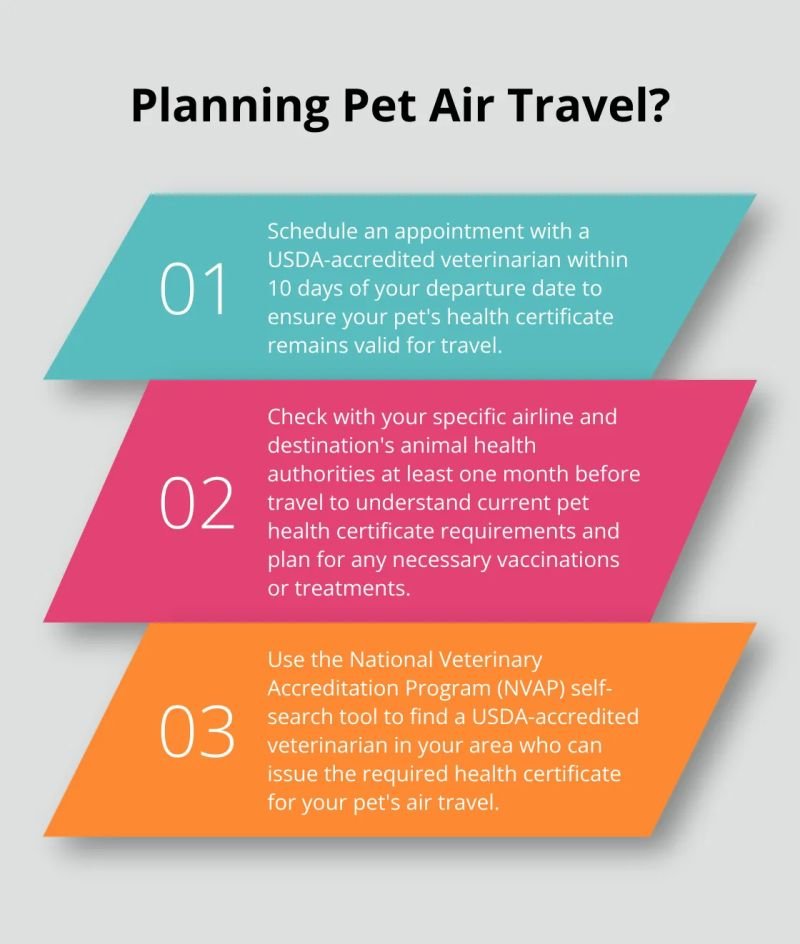
Each airline sets specific rules for pet travel. Vaccination requirements often include rabies and other core vaccines. Airlines may require a health certificate from a vet. This certificate usually must be recent, often within 10 days of travel. Some airlines have breed or age restrictions for pets. Always check the airline’s website or contact customer service before booking.
Destination Regulations
Countries and regions have their own rules about pet vaccines. Some places require proof of rabies vaccination for entry. Others may ask for additional vaccines or treatments. Quarantine rules can depend on vaccination status. Requirements can change, so verify them close to your travel date. Working with a vet familiar with travel rules is helpful.
Preparing Your Cat For Travel
Getting your cat ready for a flight involves more than just packing a carrier. It requires careful preparation to ensure your pet’s safety and comfort throughout the journey. This preparation includes important legal and health-related steps that you shouldn’t overlook.
Health Certificates
A health certificate is essential for air travel with your cat. This document, usually issued by a licensed veterinarian, confirms that your cat is healthy and free from contagious diseases.
Airlines often require this certificate within a specific time frame before the flight, commonly 10 days. Make sure you schedule a vet visit well in advance to avoid last-minute stress.
Have you checked your airline’s specific health certificate requirements? Each carrier might have slightly different rules, so confirming these early can save you headaches.
Microchipping
Microchipping your cat is a smart move before traveling. It provides a permanent form of identification if your cat gets lost during transit.
Many countries and airlines require microchips for pets entering or leaving their borders. Even if it’s not mandatory, it adds an extra layer of security.
Think about how quickly pets can get scared and slip away in busy airports. A microchip can be a lifesaver in such situations, connecting your cat back to you without hassle.
Reducing Stress During Travel
Travel can be stressful for cats, especially during flights. Stress affects their health and comfort. Reducing stress helps keep cats calm and safe. Simple steps can make travel easier for your feline friend. Creating a soothing environment is key to a smooth journey.
Comfortable Carrier
Choose a carrier that fits your cat well. It should be spacious but cozy. Soft bedding inside adds warmth and comfort. Good ventilation helps your cat breathe easily. Make sure the carrier is secure and stable. Avoid carriers with sharp edges or rough surfaces. Let your cat explore the carrier before the trip. This builds familiarity and reduces anxiety.
Familiar Items
Bring items your cat loves. A favorite blanket or toy provides comfort. The scent of home calms nervous cats. Place these items inside the carrier. Familiar smells reduce fear and stress. Avoid new toys or smells that might confuse your cat. Small, soft items work best for travel. These simple comforts help your cat relax during the flight.

Credit: entirelypetspharmacy.com
Consulting A Veterinarian
Consulting a veterinarian is essential before flying with your cat. They provide expert advice on health and vaccination needs. This ensures your cat is safe and meets airline and destination rules.
Pre-travel Checkup
A thorough health checkup is necessary before travel. The vet examines your cat for any illnesses or conditions. This helps avoid travel complications. The checkup confirms your cat is fit to fly. It also updates health records required by airlines.
Tailored Vaccine Plan
Each cat needs vaccines based on age, health, and travel location. The vet creates a vaccine plan suited to your cat’s needs. Common vaccines include rabies, feline distemper, and respiratory diseases. The plan also considers timing to ensure full protection before travel. Vaccinations reduce infection risks during the journey.

Credit: www.goodshepherd-hs.org
Frequently Asked Questions
What Vaccines Are Required For Cats To Fly Internationally?
Cats flying internationally usually need rabies and feline distemper vaccines. Some countries also require feline leukemia and respiratory vaccines. Check airline and destination rules early to ensure all vaccinations comply with regulations.
How Long Before Flying Should My Cat Get Vaccines?
Cats should receive necessary vaccines at least two to four weeks before flying. This timing ensures immunity develops and paperwork is valid. Consult your vet for a vaccination schedule tailored to your travel plans.
Are Rabies Vaccines Mandatory For Flying Cats?
Yes, rabies vaccination is often mandatory for cats flying internationally. It protects your cat and meets most country and airline health requirements. Always carry vaccination proof during travel.
Can Unvaccinated Cats Fly On Airplanes?
Most airlines and countries do not allow unvaccinated cats to fly. Vaccination ensures your cat’s safety and prevents disease spread. Always verify vaccine requirements before booking flights.
Conclusion
Cats need certain vaccines before flying to stay healthy and safe. Core vaccines like rabies and distemper protect your cat during travel. Some airlines or countries may require extra shots, so check rules early. Keep vaccination records ready for smooth airport checks.
Proper vaccines reduce risks of illness while away from home. Planning ahead helps your cat enjoy a stress-free trip. Safe travels start with good health care. Don’t skip these important steps before your cat’s flight.
