

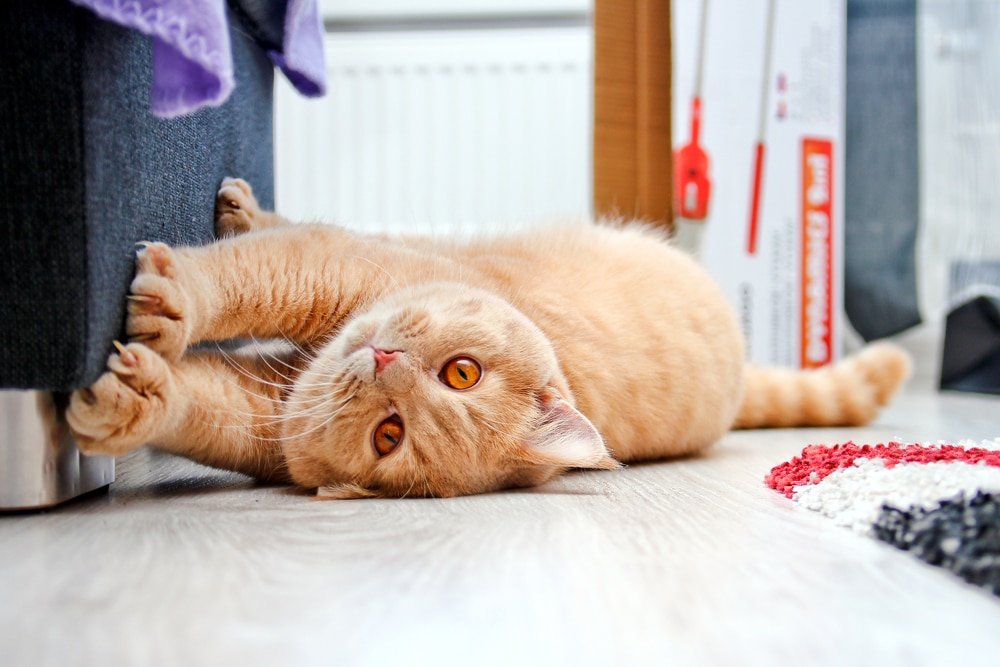
Have you ever watched your cat digging its claws into the sofa or a scratching post and wondered, “Why do cats need to scratch so much?” It’s not just a random habit or a way to annoy you. Scratching is a natural and essential part of your cat’s life.
Understanding why your feline friend scratches can help you keep them happy and protect your furniture at the same time. Keep reading to discover the surprising reasons behind this behavior and how you can make sure your cat’s scratching stays healthy and stress-free.
Instinctual Behavior
Scratching is more than just a quirky habit for cats—it’s a deep-rooted instinct that connects them to their wild ancestors. This behavior is wired into their DNA, serving several important purposes beyond what you might initially think. Understanding why your cat scratches can help you better support their natural needs.
Survival Instincts Embedded In Scratching
Scratching helps cats mark their territory, a critical survival skill inherited from their wild relatives. They leave both a visual mark and a scent from glands in their paws. This signals to other animals that the area is claimed, helping your cat feel safe and secure in its environment.
Have you noticed your cat scratching the same spot repeatedly? This is their way of reinforcing their boundaries without confrontation.
Physical And Mental Stimulation
Scratching is a form of exercise that keeps your cat’s muscles strong and claws sharp. It also serves as mental stimulation, offering a satisfying outlet for energy and stress. Cats without this outlet may become bored or anxious, which can lead to destructive behavior.
Think about how you feel after a good workout or a creative activity—your cat experiences similar benefits through scratching.
Natural Claw Maintenance
Scratching helps cats shed the outer layers of their claws, keeping them healthy and sharp. This is crucial for hunting, climbing, and self-defense. Without regular scratching, claws can become overgrown and uncomfortable.
Providing your cat with appropriate scratching posts can protect your furniture and satisfy this instinctual need.
Marking Territory
Marking territory is a natural behavior for cats. It helps them claim their space and feel safe. Scratching plays a big role in this process. Cats leave signals that other animals can detect. These signals tell others who owns the area and warn them to stay away.
Scent Marking
Cats have scent glands in their paws. When they scratch surfaces, they release a unique smell. This scent is like a personal signature. It stays on objects and tells other cats this spot belongs to someone. Scent marking helps cats avoid fights by showing their presence clearly.
Visual Marking
Scratching also leaves visible marks. These scratches look like signs or notes. Other cats can see these marks and understand the territory is taken. Visual marks last longer than scent and add an extra layer of warning. Together with scent, they create a strong message to outsiders.
Claw Health
Claw health is a vital reason why cats instinctively scratch. This natural behavior helps maintain their claws in top condition. Without regular scratching, a cat’s claws can become overgrown, weak, or uncomfortable.
Shedding Dead Layers
Cats’ claws grow in layers, and scratching helps peel away old, dead outer layers. This process reveals fresh, healthy claw underneath. If your cat doesn’t scratch enough, these dead layers can build up and cause discomfort or even infections.
Have you noticed your cat’s claws looking dull or brittle? That’s often a sign they need more opportunities to scratch and shed those dead layers naturally.
Keeping Claws Sharp
Scratching also sharpens a cat’s claws by trimming the tips. Sharp claws are essential for climbing, hunting, and defending themselves. Without scratching, claws grow too long and become blunt or misshapen.
Providing your cat with scratching posts or pads helps them maintain sharp claws safely. It also keeps your furniture safe by directing their natural behavior to the right place.
Credit: www.latimes.com
Physical Exercise
Scratching is more than just a quirky habit for cats; it serves an important role in their physical health. When your cat scratches, it’s actively engaging their body in exercise that keeps them fit and agile. Understanding how scratching benefits your cat’s muscles and flexibility can help you appreciate this natural behavior.
Stretching Muscles
Scratching allows cats to stretch their muscles, especially in their legs, paws, and back. This stretching helps relieve tension built up from sleeping or resting. Have you noticed your cat arching its back or extending its claws fully during a scratch? That’s them giving their muscles a good workout.
Just like you might stretch after sitting for a long time, cats use scratching to wake up their muscles. It keeps them strong and ready for sudden bursts of energy, like chasing a toy or climbing. You can encourage this by providing a sturdy scratching post at home.
Maintaining Flexibility
Flexibility is crucial for cats to move gracefully and avoid injuries. Scratching helps maintain this flexibility by working the tendons and joints in their paws and legs. Without regular stretching through scratching, your cat’s movements might become stiff and less fluid.
Have you ever noticed your cat twisting and turning mid-scratch? That’s them ensuring their entire body stays limber. Supporting this natural behavior with safe scratching areas means your cat can keep moving comfortably as they age.
Stress Relief
Scratching is a natural way for cats to relieve stress. It helps them feel calm and balanced. This behavior is not just about sharpening claws. It plays a key role in managing their emotions and energy.
Reducing Anxiety
Scratching helps cats lower their anxiety levels. The action releases tension built up inside. It also stimulates nerves in their paws, which soothes their mind.
After scratching, cats often appear more relaxed. This simple act can help them cope with new or stressful environments. It gives them a sense of control and comfort.
Channeling Energy
Cats have lots of energy that needs an outlet. Scratching allows them to burn off this energy safely. Without this outlet, cats might act restless or destructive.
Scratching posts and pads serve as perfect targets. They keep cats busy and mentally engaged. This focused activity prevents boredom and frustration.
_mo-00018057.jpg?revision=1)
Credit: resources.sdhumane.org
Preventing Damage
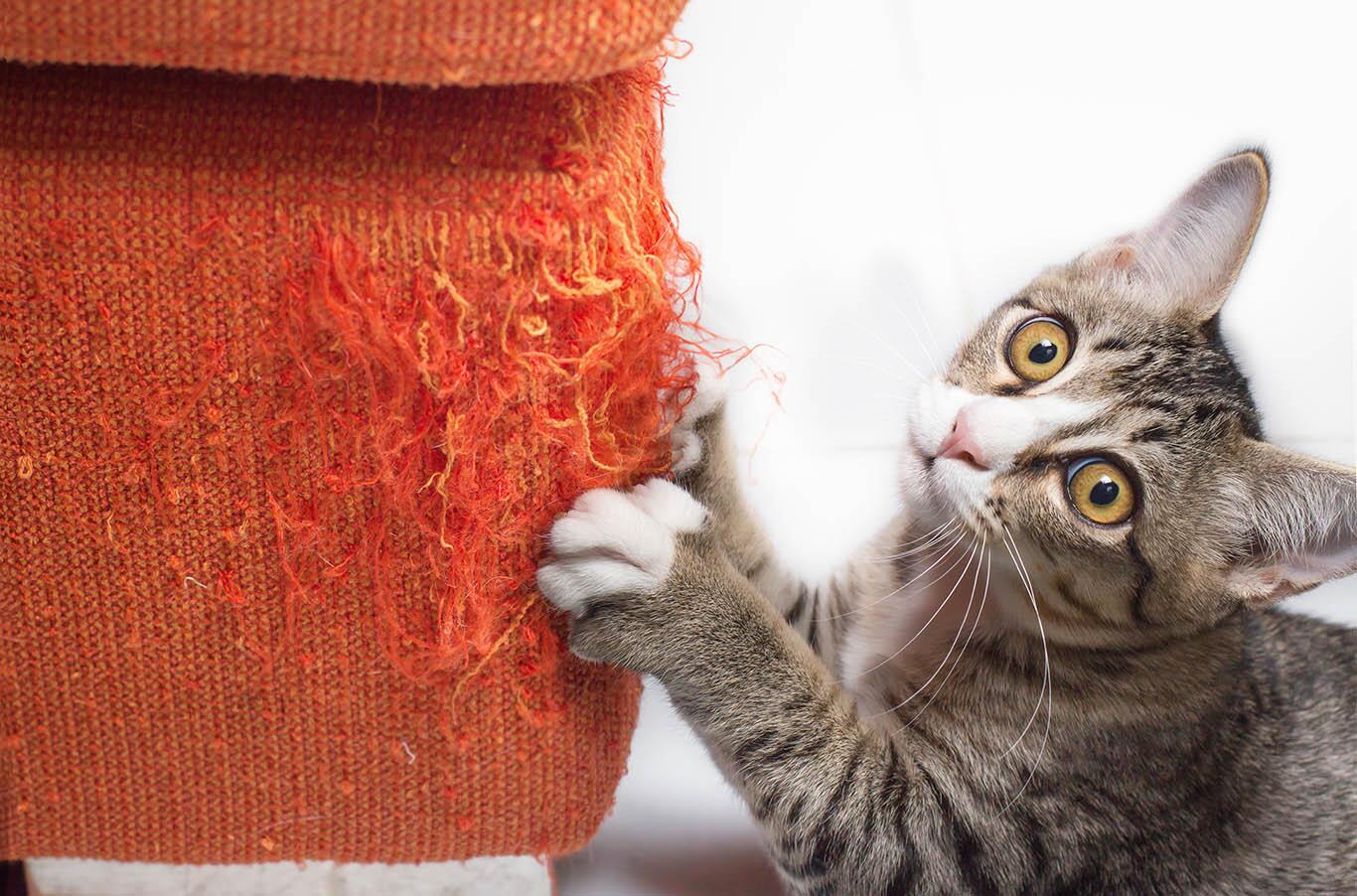
Scratching is a natural behavior for cats, but it can lead to unwanted damage in your home. Furniture, carpets, and curtains often bear the brunt of your cat’s claws. Understanding how to prevent this damage while respecting your cat’s needs is key to a happy household for both of you.
Training Alternatives
You can guide your cat to scratch in acceptable ways without punishment. Positive reinforcement works well—reward your cat when it uses a designated scratching area. Redirect your cat gently if you catch it scratching furniture, but avoid yelling or harsh corrections.
Try using deterrents on surfaces you want to protect. Double-sided tape or citrus sprays can discourage scratching on sofas or walls. Have you noticed your cat avoiding certain textures? Use that knowledge to protect vulnerable spots.
Providing Scratch Posts
Giving your cat scratch posts is one of the most effective ways to save your belongings. Place posts in areas where your cat likes to scratch or near their favorite resting spots. This makes the posts more appealing and easily accessible.
Choose posts made of materials cats prefer, like sisal or cardboard. Some cats love vertical posts, others prefer horizontal pads—observe your cat’s habits to pick the right type. You can even make your own scratch posts using simple household materials.
Remember to keep the scratch posts sturdy and replace them when worn out. A well-maintained scratching option keeps your cat interested and away from your furniture. What unique scratching solutions have you tried that worked for your cat?

Credit: justcatsclinic.com
Frequently Asked Questions
Why Do Cats Instinctively Need To Scratch?
Cats scratch to mark territory using scent glands in their paws. It also helps keep claws sharp and healthy. Scratching is a natural behavior that relieves stress and provides physical exercise.
How Does Scratching Benefit A Cat’s Health?
Scratching removes old claw sheaths, promoting healthy new claw growth. It also stretches muscles and tendons, improving flexibility and strength. This activity helps reduce anxiety and keeps cats mentally stimulated.
Can Scratching Prevent Cats From Damaging Furniture?
Yes, providing scratching posts can redirect cats from furniture. It satisfies their natural urge to scratch, protecting household items. Training cats to use posts reduces destructive behavior and keeps them happy.
Why Do Cats Scratch More Indoors Than Outdoors?
Indoor cats often have limited outlets for natural behaviors. Scratching indoors helps them express instincts and relieve boredom. Without outdoor stimulation, scratching becomes a crucial activity for mental and physical health.
Conclusion
Cats scratch to keep their claws sharp and healthy. It helps them mark their space and stretch their muscles. Scratching also reduces stress and keeps cats happy. Providing a scratching post saves furniture from damage. Understanding why cats scratch helps you care for them better.
Let your cat scratch safely and often. It’s a natural, healthy habit they need every day.
