

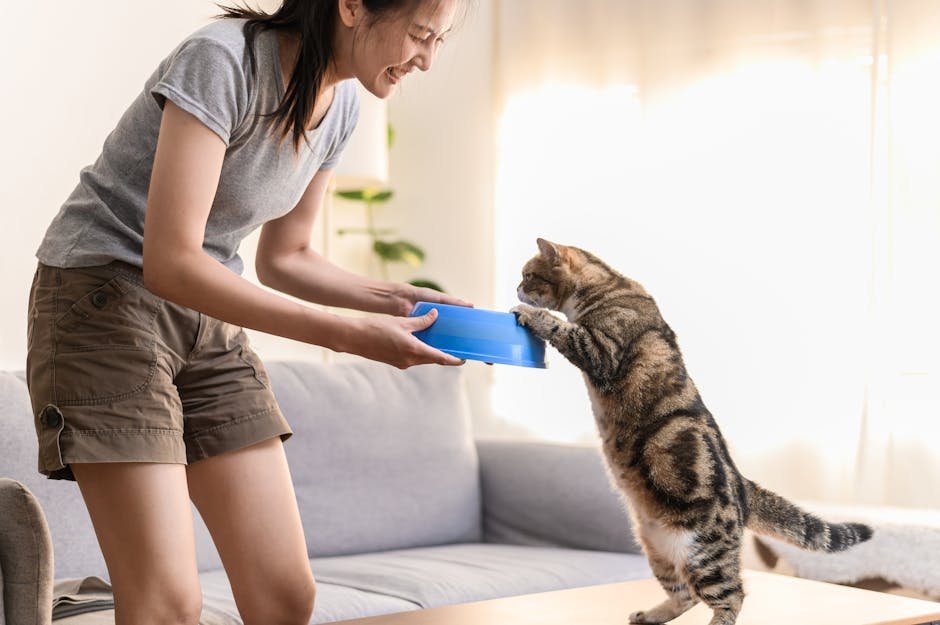
Have you ever noticed your cat staring intently at birds outside the window? You might be wondering, “Do cats eat birds?”
This question is more than just curiosity—it touches on your cat’s natural instincts and your role as a pet owner. Understanding why cats hunt birds can help you protect both your furry friend and the wildlife around you. Keep reading to discover surprising facts that will change how you see your cat’s behavior forever.
Why Cats Hunt Birds
Cats are natural hunters. Their drive to chase and catch small animals, like birds, comes from deep inside. This behavior is not just about hunger. It comes from instincts shaped over thousands of years.
Understanding why cats hunt birds helps us see their true nature. It shows how their wild side stays with them, even as pets.
Instinctive Behavior
Cats have strong hunting instincts. These instincts push them to stalk and pounce. Even well-fed cats hunt because it feels natural. Their eyes, ears, and bodies are built for this.
They use sharp claws and quick movements to catch birds. Hunting keeps their minds sharp and bodies active. It’s a part of their daily life, not just survival.
Natural Predators
Cats are natural predators in the animal world. Birds are common prey because they are small and fast. Cats watch for movement and sounds to find their target.
The chase is exciting for cats. It tests their skills and strength. This behavior links cats to their wild ancestors who hunted to eat and survive.
Credit: www.tyrantfarms.com
Impact On Bird Populations
The impact of cats on bird populations is a topic that stirs concern among wildlife enthusiasts and pet owners alike. Understanding this impact helps you make informed decisions about responsible pet ownership and conservation efforts. The following insights shed light on how cats influence bird numbers and the wider effects on ecosystems.
Statistics And Studies
Research shows that free-roaming domestic cats kill billions of birds annually worldwide. One study estimates that in the United States alone, cats are responsible for the deaths of nearly 2.4 billion birds each year. This staggering number highlights the scale of the impact cats have on bird populations.
Scientific studies also reveal that the threat is not limited to feral cats; even well-fed pet cats hunt birds instinctively. This means your cat’s natural behavior can contribute to local bird decline, even if it’s not starving. Are you prepared to manage your cat’s outdoor activities to protect your local wildlife?
Consequences For Ecosystems
Birds play crucial roles in ecosystems, such as pollination, seed dispersal, and pest control. When cat predation reduces bird numbers, these vital processes can be disrupted. This imbalance can lead to increased insect pests or fewer plants being pollinated, which affects other wildlife and plant communities.
Some ecosystems suffer more than others. For example, island habitats with unique bird species face greater risks because these birds often have no natural defenses against predators like cats. Protecting birds in these areas is essential to preserving biodiversity and ecosystem health.
Have you considered how your local environment might change if bird populations decline? Taking simple steps, like keeping your cat indoors during peak bird activity times, can make a significant difference in safeguarding these valuable species.
Factors Influencing Hunting
Several factors influence whether cats hunt birds. These elements affect their motivation, skill, and opportunity to catch prey. Understanding these factors helps explain why some cats hunt more than others. It also highlights the differences between cats in various settings.
Age And Experience
Young cats often learn hunting skills by watching their mothers. Kittens practice stalking and pouncing before becoming skilled hunters. Older cats usually have better technique and timing. They become more efficient at catching birds over time. Experience sharpens their instincts and improves success rates.
Environment And Habitat
Cats living near forests or parks have more chances to encounter birds. Urban cats may find fewer birds but more small mammals. Gardens and yards with bird feeders attract birds, increasing hunting opportunities. Dense vegetation offers cover for stalking prey. Open spaces make hunting more difficult for cats.
Domestic Vs. Feral Cats
Feral cats rely on hunting for food and survival. They often hunt birds and small animals more frequently. Domestic cats get food from humans and may hunt less. Some indoor cats never see birds outside. Outdoor domestic cats may hunt for fun or practice, not hunger. Feral cats develop stronger hunting skills due to necessity.
Credit: www.iflscience.com
Nutritional Needs Vs. Hunting
Cats have natural hunting skills that often bring birds into their sights. Their diet and hunting behavior can seem linked, but they serve different purposes. Understanding why cats hunt birds helps clarify their nutritional needs versus their instincts.
Dietary Requirements
Cats need protein and fat to stay healthy. Birds provide a good source of these nutrients. Wild cats eat small animals like birds to meet their dietary needs. Domestic cats get balanced meals from commercial cat food. This food contains all necessary vitamins and minerals. Hunting is not always about feeding. Sometimes, it is about practice and instinct.
Hunting For Sport
Cats often hunt even when they are not hungry. They enjoy the chase and the thrill of catching prey. Hunting helps cats sharpen their skills. It also gives them mental and physical exercise. Birds are common targets because they move quickly. This behavior is natural and does not always mean hunger. Sometimes, cats bring birds home as a “gift” to their owners.
Preventive Measures For Owners
Keeping your cat safe and protecting local bird populations can go hand in hand. Taking proactive steps helps reduce the chances that your feline friend will hunt birds. These actions also offer your cat a more satisfying and stimulating life.
Indoor Enrichment
Providing plenty of toys and activities inside your home can keep your cat entertained and less likely to seek prey outside. Puzzle feeders, interactive toys, and climbing structures challenge your cat’s mind and body.
Think about what excites your cat—chasing feathers or hunting movements—and mimic that indoors. Have you noticed how your cat reacts to a laser pointer or a feather wand? Using those regularly can satisfy hunting instincts in a safe way.
Outdoor Supervision
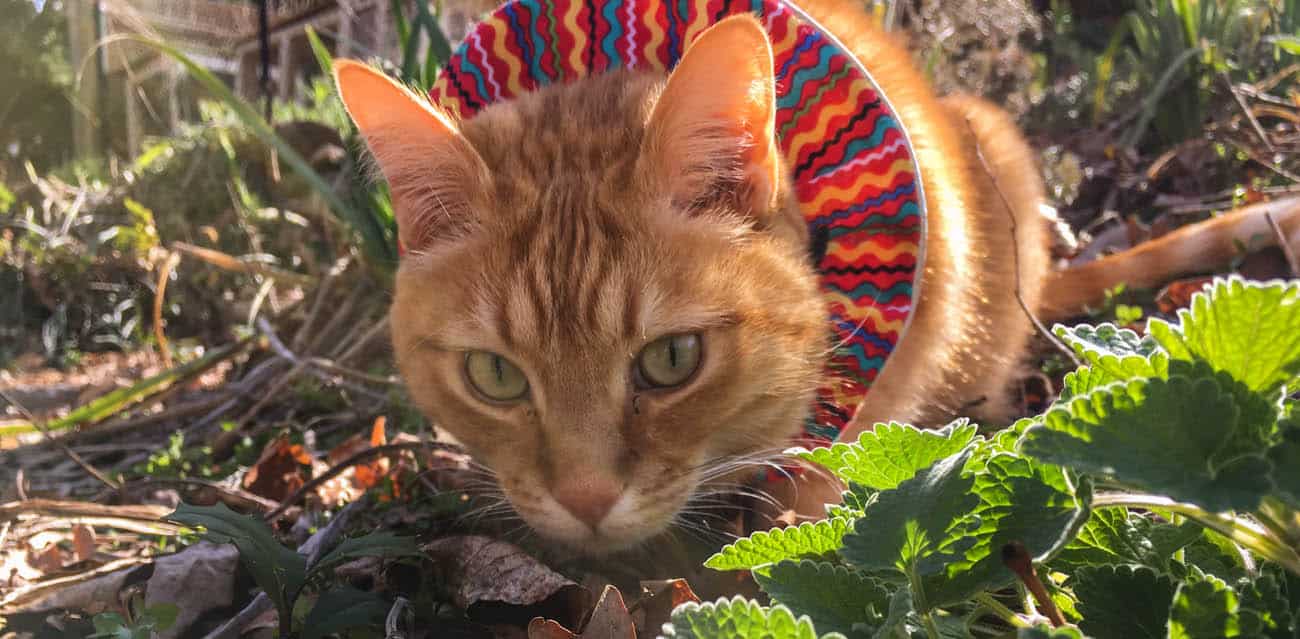
Allowing your cat outside only under supervision drastically lowers the chance of bird hunting. Use a leash and harness or build a secure outdoor cat enclosure to give your cat fresh air safely.
Watching your cat explore can also deepen your bond and give you peace of mind. Have you tried sitting outside with your cat on a harness? It can be a fun way to enjoy nature together while keeping birds safe.
Bird-friendly Yard Tips
Creating a yard that discourages bird hunting benefits both your pets and local wildlife. Avoid placing bird feeders too close to bushes or fences where cats can hide and ambush.
- Install bird feeders on tall poles away from hiding spots
- Use motion-activated sprinklers to gently deter cats from stalking birds
- Plant dense shrubs or thorny bushes to give birds safe cover
Have you ever noticed how birds behave differently when they feel safe? Making your yard less inviting for hunting helps your cat and protects feathered friends at the same time.
Ethical Considerations
Thinking about whether cats eat birds brings up important ethical questions. Cats are natural hunters, but birds are often vulnerable creatures. Balancing the needs and safety of both animals is more complicated than it seems.
Balancing Cat And Wildlife Welfare
Is it possible to protect birds without restricting your cat’s nature? You can take steps to reduce bird casualties while still allowing your cat some freedom. For example, attaching a bell to your cat’s collar can warn birds of their approach.
Creating a safe outdoor space for your cat, like a catio, lets them enjoy the outdoors without harming wildlife. You might also consider feeding your cat well to reduce hunting urges. What small changes can you make today to help both your cat and local birds thrive?
Owner Responsibilities
As a cat owner, you have a role in safeguarding local wildlife. Leaving your cat outdoors unsupervised can lead to unintended harm to birds and other small animals. Taking responsibility means setting boundaries for your pet’s outdoor time.
Training your cat to come indoors during peak bird activity hours, such as early mornings, can make a big difference. You can also provide engaging indoor toys to keep your cat mentally stimulated and less interested in hunting. How committed are you to protecting wildlife while caring for your feline friend?

Credit: wamiz.co.uk
Frequently Asked Questions
Do Cats Naturally Hunt And Eat Birds?
Yes, cats have a natural hunting instinct. They often chase and catch birds as prey, especially outdoor cats. This behavior is driven by their carnivorous nature and desire for meat, making birds a common target.
Can Domestic Cats Harm Local Bird Populations?
Yes, domestic cats can significantly impact local bird populations. Outdoor cats hunt birds, which may reduce numbers and affect ecosystem balance. Responsible pet ownership helps minimize this threat by keeping cats indoors or supervised.
Why Do Cats Prefer Birds Over Other Prey?
Cats prefer birds because they are small, fast, and easy to catch. Birds’ movements stimulate a cat’s hunting instincts more than other animals. Their size also makes them a manageable and rewarding prey for cats.
How Can I Prevent My Cat From Hunting Birds?
To prevent hunting, keep your cat indoors or use outdoor enclosures. Providing toys and playtime satisfies hunting instincts safely. Collars with bells can also warn birds and reduce successful hunts.
Conclusion
Cats do eat birds sometimes. It is part of their natural hunting instinct. Not all cats hunt birds, but many do. Outdoor cats have more chances to catch birds. Bird owners should keep this in mind to protect their pets.
Feeding cats well can reduce hunting behavior. Watching cats closely helps keep birds safe. Understanding this behavior helps both cat lovers and bird watchers. It shows the balance between pets and wildlife. This knowledge supports better care for cats and birds.
