

Are you curious if cats and ferrets can live together peacefully? If you have one of each or are thinking about adding a ferret to your cat-loving home, you probably wonder how they’ll get along.
Understanding their natural behaviors and how they interact can help you create a happy environment for both. Keep reading to discover the secrets to making your furry friends coexist smoothly—and avoid common mistakes that could lead to stress or conflict.
Your pets’ happiness depends on it!
Credit: www.litter-robot.com
Cats And Ferrets: Understanding Their Nature
Cats and ferrets are popular pets with very different instincts. Understanding their nature helps predict how they might interact. Both animals are curious and playful, but they show it in unique ways. Knowing their behavior can make introductions smoother and safer for everyone.
Cats are territorial and enjoy their space. They like routine and may feel stressed by sudden changes. Ferrets are energetic and love to explore. They are social and often want to play all day. These traits can either clash or complement each other.
Cats’ Natural Behavior
Cats are hunters and often stalk small animals. They use slow, careful movements to watch their surroundings. They prefer quiet environments and may hide when frightened. Cats use body language to show mood—tail position, ears, and eyes all matter.
Ferrets’ Playful Instincts
Ferrets are busy and curious. They chase and wrestle with toys or other animals. Ferrets use quick, sudden movements and enjoy tug-of-war games. Their high energy means they need lots of interaction to stay happy.
How Their Natures Affect Interaction
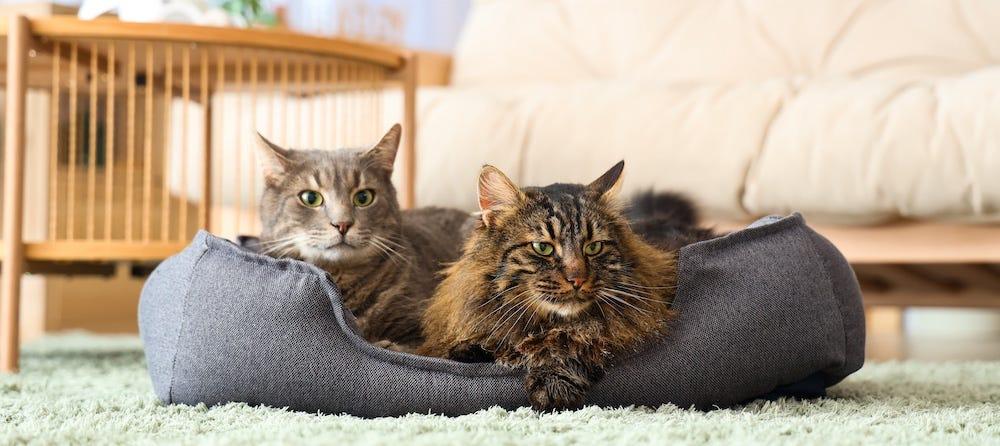
Cats may see ferrets as threats or prey because of their quick moves. Ferrets might annoy cats with constant play attempts. Understanding these reactions helps owners guide calm and friendly meetings. Slow introductions and supervised play can build trust between them.

Credit: www.yahoo.com
Introducing Cats To Ferrets
Introducing cats to ferrets requires patience and care. Both animals have different behaviors and energy levels. Ferrets are playful and curious, while cats might be more cautious or territorial. A slow introduction helps them adjust and build trust. This process reduces stress and avoids conflicts. Proper steps ensure a peaceful relationship between cats and ferrets.
Prepare A Safe Space For Each Pet
Set up separate areas for the cat and ferret. Each should have its own food, water, and resting spots. This helps them feel secure. Avoid forcing meetings early on. Allow each pet to explore their space freely before meeting.
Use Scent To Familiarize Them
Swap bedding or toys between the cat and ferret. This lets them get used to each other’s scent. Place these items in their safe spaces. It makes future face-to-face meetings less stressful.
Supervised Initial Meetings
Keep early meetings short and calm. Use a leash or carrier for the ferret if needed. Watch body language closely. Look for signs of fear or aggression. Praise calm behavior. Gradually increase time spent together.
Encourage Positive Interactions
Offer treats and gentle praise during meetings. Play with both pets using toys they enjoy. This builds positive associations. Avoid punishing either animal. Patience helps them learn to coexist peacefully.
Behavioral Traits Of Cats
Cats have unique behaviors that shape their daily lives. Understanding these traits helps predict how they interact with other animals like ferrets. Cats are curious but cautious. They often explore new things at their own pace. Their body language is subtle but telling. Recognizing these signals aids in managing introductions with ferrets.
Cats value routine and personal space. They can be independent but also enjoy affection. Play is important for their mental and physical health. Cats use vocal sounds, tail movements, and ear positions to communicate feelings. These behaviors reveal if they feel safe or threatened.
Social Nature Of Cats
Cats are often seen as solitary animals. They can form strong bonds with humans and other pets. Some cats enjoy company; others prefer solitude. Their social behavior depends on breed, personality, and early experiences. Understanding this helps with introducing a ferret to a cat’s environment.
Territorial Behavior
Cats mark their territory using scent glands and scratching. They may feel threatened by new animals invading their space. This behavior can cause stress or aggression. Providing separate spaces helps reduce territorial conflicts between cats and ferrets.
Play And Hunting Instincts
Cats have strong hunting instincts. They enjoy stalking, pouncing, and chasing movements. Play mimics hunting and keeps cats active. Ferrets’ quick, playful nature can trigger these instincts. Controlled playtime prevents misunderstandings between the two species.
Communication Signals
Cats communicate through body language and sounds. A raised tail shows friendliness. Flattened ears mean fear or anger. Soft purring often indicates contentment. Watching these signals helps owners understand their cat’s mood around ferrets.
Behavioral Traits Of Ferrets
Ferrets are lively and curious pets. Their behavior often surprises new owners. Understanding their traits helps in managing interactions with other animals. Ferrets have a playful nature and enjoy exploring their surroundings. They can be mischievous but also very affectionate with people. Their social habits influence how they get along with cats and other pets.
Playfulness And Energy Levels
Ferrets have high energy and love to play throughout the day. They enjoy chasing, hiding, and pouncing on objects. This constant activity can sometimes overwhelm quieter pets like cats. Ferrets may try to engage cats in play, which can lead to mixed reactions.
Curiosity And Exploration
Ferrets are naturally curious. They investigate every corner and small space they find. This trait makes them prone to getting into trouble. They might sneak into a cat’s territory or toys. Their curiosity helps them learn but can also cause conflicts.
Social Behavior And Communication
Ferrets are social animals. They often live in groups and enjoy company. They use body language and sounds to communicate. Ferrets may nip gently to show excitement or affection. Understanding these signals helps in building a good relationship with cats.
Sleep Patterns And Rest
Ferrets sleep a lot—up to 18 hours a day. They have bursts of energy followed by long naps. Cats may notice this change in activity and react accordingly. Knowing this helps in scheduling playtime and rest periods for both pets.
Common Challenges In Coexistence
Living with both cats and ferrets can be a rewarding experience, but it also brings unique challenges. Understanding these common obstacles helps you create a safer and more peaceful environment for both pets. Let’s look at what issues often arise when cats and ferrets share the same home.
Different Play Styles And Energy Levels
Cats tend to have bursts of energy followed by long naps, while ferrets are almost always active and curious. This mismatch can lead to frustration for both animals.
Your cat might get annoyed by a ferret’s constant attempts to play or chase, which could escalate into swatting or hissing. Meanwhile, ferrets might misinterpret a cat’s defensive behavior as invitation to play, creating a cycle of confusion.
Have you noticed your cat retreating or hiding more after your ferret starts zooming around? This signals a need for better playtime boundaries or separate activity zones.
Communication Differences
Cats and ferrets communicate in very different ways. Cats use body language like tail flicking and ear positioning, while ferrets rely more on vocalizations and scent marking.
This can lead to misunderstandings. A ferret’s excited squeaking might stress a cat, while a cat’s growl can scare a ferret without warning.
Observing their signals closely will help you step in before tensions rise. Can you spot when your cat or ferret feels overwhelmed but hasn’t acted out yet?
Territorial Behavior
Cats are naturally territorial and may see a ferret as an intruder in their space. This often leads to marking behavior or aggressive posturing.
Ferrets, on the other hand, are curious explorers and can unintentionally invade a cat’s favorite resting spots. This intrusion can trigger defensive reactions from your cat.
You can ease this by providing separate safe zones where each pet feels secure. Have you created quiet retreats for your pets to escape to when needed?
Health And Safety Concerns
Both cats and ferrets have different health risks, which can complicate their coexistence. Ferrets are more susceptible to injuries from rough play due to their slender bodies.
Also, ferrets and cats carry different parasites and diseases that can sometimes transfer between species. Regular vet visits and hygiene practices are crucial.
Have you consulted your vet about the specific precautions for multi-species households?
Creating A Safe Environment
Creating a safe environment is key when introducing cats and ferrets. Both animals have different behaviors and needs. Careful preparation helps reduce stress and avoid conflicts. Safety means giving each pet space and control over their surroundings. This supports calm and positive interactions between them.
Separate Living Spaces
Start by giving cats and ferrets their own areas. Use baby gates or separate rooms to keep them apart. Each animal should have a quiet place to rest and eat. This prevents early stress and helps them feel secure.
Supervised Introductions
Allow short, controlled meetings in a neutral space. Keep ferrets on a leash or in a carrier at first. Watch the body language of both pets closely. Look for signs of curiosity or fear. Stop the interaction if either pet shows aggression.
Safe Hiding Spots
Provide hiding spots for both cats and ferrets. Cats love high perches or shelves to observe safely. Ferrets enjoy tunnels and small dens where they can retreat. These safe zones help them relax and feel protected.
Remove Dangerous Items
Check the environment for anything that might harm pets. Remove small objects that could be swallowed. Hide electrical cords and toxic plants. Secure areas where ferrets could get stuck or injured.
Provide Plenty Of Toys And Enrichment
Keep both animals busy with toys and activities. Toys reduce boredom and prevent unwanted chasing or rough play. Rotate toys to maintain interest. This helps lower tension and builds positive habits.
Monitoring Interactions
Keeping a close eye on how your cat and ferret interact is crucial to building a peaceful relationship. Observing their behavior helps you spot early signs of stress or aggression before things escalate. This way, you can step in timely and guide their interactions toward positive experiences.
Recognizing Body Language
Both cats and ferrets communicate a lot through their body language. Watch for a cat’s tail twitching or ears flattening, which might mean irritation or anxiety. Ferrets might puff up or hiss when feeling threatened. Noticing these signs early lets you pause the interaction and prevent conflicts.
Setting Time Limits For Initial Meetings
Short, controlled play sessions work best when introducing your cat and ferret. Start with just a few minutes and gradually increase the time as they become more comfortable. This approach reduces stress and helps both pets adjust at their own pace.
Creating Safe Spaces
Your cat and ferret need places where they can retreat if they feel overwhelmed. Make sure each pet has a cozy spot that the other cannot access. This gives them control over their space and reduces tension during interactions.
Using Positive Reinforcement
Reward calm and friendly behavior with treats or gentle praise. This helps your pets associate good things with being around each other. Over time, they’ll learn that peaceful interactions lead to rewards.
Knowing When To Intervene
Not every moment requires your interference. However, if you see growling, biting, or persistent chasing, step in immediately. Interrupting negative behavior early prevents injuries and teaches your pets boundaries.
Credit: pethelpful.com
Signs Of Successful Co-living
Successful co-living between cats and ferrets shows clear signs. These signs help owners understand if both pets live happily together. Watching their behavior closely reveals comfort and trust. Peaceful interactions indicate a good relationship.
Both animals feel safe and relaxed around each other. They share space without stress or fear. Their daily habits blend well, showing balance and harmony.
Calm And Relaxed Body Language
Both cats and ferrets show calm body language when they get along. Soft eyes, relaxed ears, and slow movements are good signs. Neither animal hisses, growls, or shows aggression. They may lie close or groom each other gently.
Playful Interaction Without Aggression
Play is a strong sign of friendship. Cats and ferrets chase, pounce, and explore together. Their play stays gentle and respectful. No biting or scratching that hurts happens during playtime. They seem eager to engage and have fun.
Shared Resting Spots
Pets that share resting spots show trust. Cats and ferrets may sleep near each other or use the same cozy bed. This behavior means they feel secure and comfortable. It reduces stress and builds a strong bond.
Eating And Drinking Side By Side
Eating close to each other without fights is a positive sign. Both animals feel safe enough to eat near their companion. They do not guard food aggressively. This shows respect for each other’s space and needs.
Respect For Personal Space
Even good friends need space sometimes. Cats and ferrets respect each other’s boundaries. They do not crowd or annoy their companion. Each pet has its own area to retreat and feel safe.
Expert Tips For Harmony
Creating peace between cats and ferrets requires patience and care. Both animals have unique behaviors and needs. Understanding these helps them live together comfortably.
Small changes in their environment and routines improve their relationship. Experts suggest several simple strategies to encourage harmony.
Introduce Slowly And Safely
Allow cats and ferrets to see each other from a distance first. Use barriers like baby gates or cages. Let them get used to each other’s scent before direct contact.
Supervise All Interactions
Always watch their first meetings closely. Stop any rough play or chasing. Gradually increase their time together as they become calmer.
Create Separate Spaces
Give each pet its own safe area. Provide separate beds, litter boxes, and feeding spots. This reduces stress and competition.
Use Positive Reinforcement
- Reward calm behavior with treats and praise
- Encourage gentle play and sharing
- Ignore or redirect aggressive actions
Understand Body Language
Learn to read signs of stress or aggression. A cat’s flattened ears or a ferret’s hissing mean “stop.” Respond quickly to prevent fights.
Maintain Regular Play And Exercise
Keep both pets active and entertained. Playtime reduces energy that might turn into rough behavior. Use toys suited for each animal.
When Separation Is Necessary
Sometimes, despite your best efforts, cats and ferrets may need to be kept apart. Recognizing when separation is necessary can protect both pets and keep your home peaceful. Understanding the signs and knowing how to manage this separation ensures their safety and well-being.
Signs That Indicate Separation Is Needed
Watch for aggressive behavior like hissing, biting, or chasing that causes stress or injury. If either pet shows signs of fear, hiding, or refusal to eat, it’s a red flag. Persistent tension, even after gradual introductions, means separation might be the safest choice.
Safe Ways To Separate Your Pets
Designate separate living areas with barriers like baby gates or closed doors. Ensure each pet has its own space for food, water, and rest. Rotate their time out of these spaces to maintain social interaction without direct contact.
How To Keep Both Pets Mentally Stimulated
Provide toys, puzzles, and playtime suited for each animal’s needs. Regular interaction with you helps reduce boredom and stress. Can you create engaging activities that allow them to observe each other safely?
When To Seek Professional Advice
If aggression escalates or behavioral issues persist, consult a vet or animal behaviorist. They can offer tailored strategies to improve coexistence or guide you in managing separation. Don’t hesitate to ask for help; your pets’ safety depends on it.
Frequently Asked Questions
Do Cats And Ferrets Naturally Get Along?
Cats and ferrets can get along, but it depends on their individual personalities. Proper introductions and supervision are essential. Some cats may see ferrets as playmates, while others may be cautious or aggressive. Patience and gradual interaction improve their relationship chances.
How To Introduce A Cat To A Ferret Safely?
Introduce cats and ferrets slowly in a controlled space. Keep them on leashes or in carriers initially. Allow them to observe and sniff each other calmly. Always supervise their interactions to prevent stress or aggression. Gradual exposure helps build trust between them.
Can Ferrets Harm Cats Or Vice Versa?
Ferrets and cats can unintentionally hurt each other during rough play. Ferrets have sharp teeth and claws, and cats may scratch or bite. Supervision and training are necessary to minimize injuries. Never leave them alone until fully comfortable together.
What Are Signs Cats And Ferrets Get Along?
Signs include relaxed body language, mutual grooming, and shared play behavior. Both animals show curiosity without aggression or fear. They may nap close to each other. Positive interactions indicate a healthy bond forming between cats and ferrets.
Conclusion
Cats and ferrets can live together with patience and care. Both animals have different habits and needs. Slow introductions help them learn to trust each other. Watch their behavior closely during first meetings. Give each pet its own safe space to retreat.
Some cats and ferrets become good friends over time. Others may prefer to keep their distance. Understanding their nature makes cohabitation easier. Always put your pets’ safety and comfort first. Happy pets make a happy home.
