

Have you ever wondered if your cat truly enjoys those moments when you reach out to pet them? You might notice your furry friend purring or leaning into your hand, but sometimes they pull away or seem indifferent.
Understanding whether cats like getting petted isn’t just about watching their behavior—it’s about tuning into their unique ways of showing affection. You’ll discover surprising insights that can deepen your bond with your cat and make every petting session more enjoyable for both of you.
Keep reading to unlock the secret language of your feline friend!
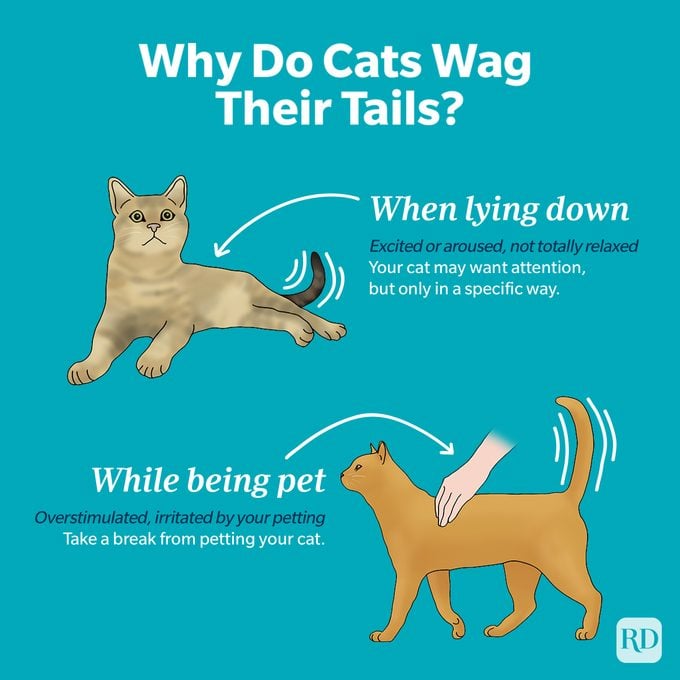
Credit: www.rd.com
Cat Behavior And Human Interaction
Understanding how cats behave around humans helps you build a stronger bond with your feline friend. Cats have unique ways of showing affection, and their reactions to petting can vary widely. Paying attention to their body language can guide you on when and how to pet them effectively.
How Cats Communicate Comfort And Trust
Cats show they feel safe by purring, kneading with their paws, or gently rubbing their heads against you. These actions mean your cat trusts you enough to invite touch. If your cat closes its eyes or blinks slowly, it’s a sign they enjoy your company and may welcome petting.
Signs Your Cat May Not Want To Be Petted
Not every cat loves being touched at all times. Tail flicking, ears flattening, or sudden movements away can mean your cat feels uncomfortable. Learning to recognize these signs prevents unwanted stress for your cat and frustration for you.
Adjusting Your Approach Based On Your Cat’s Personality
Some cats love long petting sessions, while others prefer brief touches. Observe where your cat likes to be petted—many enjoy the base of the ears, under the chin, or along the back. If your cat pulls away, try different spots or shorter interactions to respect their boundaries.
Building Positive Petting Experiences
- Start slowly with gentle strokes and watch your cat’s response.
- Use a calm voice to soothe your cat during petting.
- Stop petting if your cat shows any signs of discomfort.
- Reward your cat with treats or playtime after petting to create positive associations.
Have you noticed how your cat’s mood changes after petting? Paying close attention can help you tailor your interaction to what your cat truly enjoys. This not only deepens your connection but also makes petting a joyful experience for both of you.

Credit: www.youtube.com
Signs Your Cat Enjoys Being Petted
Understanding if your cat enjoys being petted can make your bonding moments more rewarding. Cats communicate their feelings through subtle signs, and recognizing these cues helps you know when to continue or pause. Have you ever noticed your cat’s unique way of showing contentment during petting sessions?
Purring And Kneading
Purring is one of the clearest signals that your cat is happy and comfortable. If your cat purrs while you stroke their fur, it often means they’re enjoying the attention.
Kneading, where cats press their paws rhythmically against a soft surface, is another strong indicator of pleasure. You might see your cat kneading your lap or a blanket nearby during petting, showing they feel safe and relaxed.
Relaxed Body Language
Watch your cat’s body closely during petting. A relaxed posture, such as lying on their side or belly exposed, suggests trust and enjoyment.
Soft eyes, slow blinking, and ears facing forward also signal that your cat is comfortable. If your cat tenses up or flicks their tail sharply, it might be time to stop and give them space.
Seeking Attention
Does your cat come to you and nudge your hand or headbutt you? These actions show they want more petting.
Cats often use gentle paw taps or rub against your legs to ask for affection. If your cat follows you around and waits patiently for petting, it’s a clear sign they appreciate your touch.
When Petting Isn’t Welcome
Not all cats enjoy petting all the time. Sometimes, they show clear signs that they want to be left alone. Recognizing these signals helps avoid stress for both you and the cat. Respecting their space builds trust and keeps your bond strong.
Twitching Tail
A cat’s tail tells a lot about its mood. A twitching or flicking tail can mean irritation or annoyance. This movement is quick and sharp, not relaxed. If you see this, stop petting immediately to avoid upsetting your cat.
Flattened Ears
When a cat’s ears lie flat against its head, it shows discomfort. This is a warning sign that the cat feels threatened or unhappy. Flattened ears often come with other signs like growling or hissing. Back off and give the cat some space.
Attempts To Move Away
A cat trying to move away is a clear message. It wants to end the contact and be alone. Pulling away, turning the head, or walking off means stop petting now. Respect this behavior to keep your cat calm and happy.
The Best Spots To Pet A Cat
Knowing the best spots to pet a cat can transform your interactions from awkward to affectionate. Cats have unique preferences, and discovering where they enjoy being touched shows respect for their boundaries. This understanding helps build trust and makes petting a delightful experience for both of you.
Chin And Cheeks
Many cats love gentle strokes under the chin and around the cheeks. These areas have scent glands, so rubbing them feels comforting and familiar to your cat. Try softly scratching these spots and watch for a slow blink or purring—signs your cat is enjoying the attention.
Back And Base Of Tail
The back is another favorite place for many cats, especially the area right at the base of the tail. Light, rhythmic strokes here can make your cat lean into your hand or even raise its tail as a sign of pleasure. However, pay attention to your cat’s reaction; some may prefer gentle pats instead of firm pressure.
Avoiding The Belly
Despite what cartoons show, most cats don’t like their bellies touched. This area is vulnerable, and petting it can make your cat feel threatened. If your cat exposes its belly, it’s often a sign of trust, but it’s best to admire this gesture without reaching in for a rub.
Cats With Different Personalities
Cats have unique personalities that shape how they react to petting. Understanding these differences can help you build a better bond with your feline friend. Not every cat loves being petted in the same way or as often, and recognizing their personality type is key.
The Affectionate Cat
Affectionate cats often seek out attention and enjoy physical contact. They might nuzzle your hand or curl up on your lap, showing they want to be petted.
These cats usually respond positively to gentle strokes, especially around the head and chin. If your cat pushes into your hand or purrs loudly, they’re telling you they love the affection.
The Independent Cat
Independent cats prefer to control when and how they get attention. They might allow petting but only on their terms and for short periods.
Watch for signs like a flicking tail or turning their head away—these indicate they want a break. Respecting their boundaries helps you avoid stress and keeps your relationship strong.
The Shy Or Anxious Cat
Shy or anxious cats can be wary of touch, especially from strangers. They may freeze or try to hide when approached for petting.
Building trust with these cats takes patience. Start with soft, slow movements and let them come to you when they’re ready. Have you noticed subtle signs your cat uses to tell you when they feel safe?

Credit: www.petplan.co.uk
Building Trust With Your Cat
Building trust with your cat is the foundation for any positive interaction, especially when it comes to petting. Cats are naturally cautious creatures, and earning their trust takes patience and understanding. When your cat feels safe and respected, petting becomes a rewarding experience for both of you.
Respecting Boundaries
Every cat has its own comfort zones. Some enjoy long petting sessions, while others prefer brief touches. Pay attention to where and how your cat likes to be touched—avoid forcing contact if they pull away or show signs of discomfort.
Notice if your cat flattens their ears, twitches their tail, or suddenly moves away. These are clear signals that they need space. Ask yourself: Are you honoring your cat’s signals or pushing them too quickly?
Using Positive Reinforcement
Reward your cat’s relaxed behavior with treats or gentle praise. This helps your cat associate petting with positive experiences. If your cat enjoys being petted on the head, offer a treat right after a gentle stroke.
Try to catch those moments when your cat voluntarily approaches you for affection. Reinforce that behavior by petting softly and offering a reward. This encourages your cat to seek out petting more often.
Understanding Cat Body Language
Reading your cat’s body language is essential to know when they want to be petted. A slow blink or a relaxed posture usually means your cat is comfortable. On the other hand, dilated pupils or a flicking tail might suggest irritation or overstimulation.
Have you noticed your cat’s whiskers pointing forward during petting? It often means they are curious and engaged. Learning these subtle cues helps you decide the right moment to pet and when to give them a break.
Common Myths About Petting Cats
Many people believe certain things about petting cats that are not true. These myths can cause confusion about how cats feel about touch. Understanding these myths helps improve how we interact with cats and respect their comfort.
All Cats Love Being Petted
Not all cats enjoy being petted. Each cat has its own personality and preferences. Some cats like gentle strokes, others prefer to be left alone. Forcing petting can stress a cat and harm your bond.
Petting Equals Bonding
Petting is one way to bond but not the only way. Cats show love in many ways like purring, rubbing, or sitting close. Sometimes, quiet company means more than petting. Reading your cat’s signals is key to bonding.
Cats Are Always Aloof
Cats are not always distant or unfriendly. Many cats seek attention and enjoy human contact. They can be playful, cuddly, and affectionate. Each cat has a unique way of showing love and trust.
Adjusting Your Approach
Adjusting how you pet your cat can make a big difference in your bond. Cats have unique likes and dislikes. Changing your approach helps them feel safe and happy. Observe your cat closely to understand what works best. Small changes in petting style can improve their comfort and trust.
Adapting To Your Cat’s Preferences
Each cat enjoys different petting spots. Some love head rubs, others prefer chin scratches. Watch your cat’s reactions carefully. If they lean in or purr, they like it. If they pull away or flick their tail, stop and try another spot. Respect their signals to avoid stress.
Timing And Frequency Of Petting
Pick moments when your cat feels calm and relaxed. Avoid petting during playtime or feeding. Short, gentle sessions often work better than long ones. Let your cat decide when to stop. Too much petting can overwhelm them. Quiet times are perfect for bonding.
Using Toys And Treats
Combine petting with fun activities. Use toys to attract your cat’s attention. After play, offer gentle petting as a reward. Treats can make petting a positive experience. This approach builds trust and encourages your cat to enjoy touch more. Make petting a pleasant part of your routine.
Frequently Asked Questions
Do All Cats Enjoy Being Petted?
Not all cats enjoy petting equally. Some love it, while others prefer minimal or no touch. It depends on their personality and past experiences.
How Can I Tell If My Cat Likes Petting?
Look for signs like purring, relaxed posture, and leaning into your hand. If your cat pulls away or hisses, they may not like it.
Where Do Cats Like To Be Petted Most?
Cats usually prefer being petted on the head, behind the ears, and under the chin. Avoid sensitive areas like their belly unless they show comfort.
Can Petting Reduce My Cat’s Stress?
Yes, gentle petting can lower stress and anxiety in cats. It releases calming hormones and strengthens your bond with your pet.
Conclusion
Cats enjoy petting, but each one is different. Some love gentle strokes, while others prefer less touch. Pay attention to their body language and respect their space. Petting builds trust and makes cats feel safe. It also helps you bond and relax together.
Remember, patience is key with shy cats. Enjoy these quiet moments and learn what your cat likes best. Petting can be a simple way to show love every day.
