

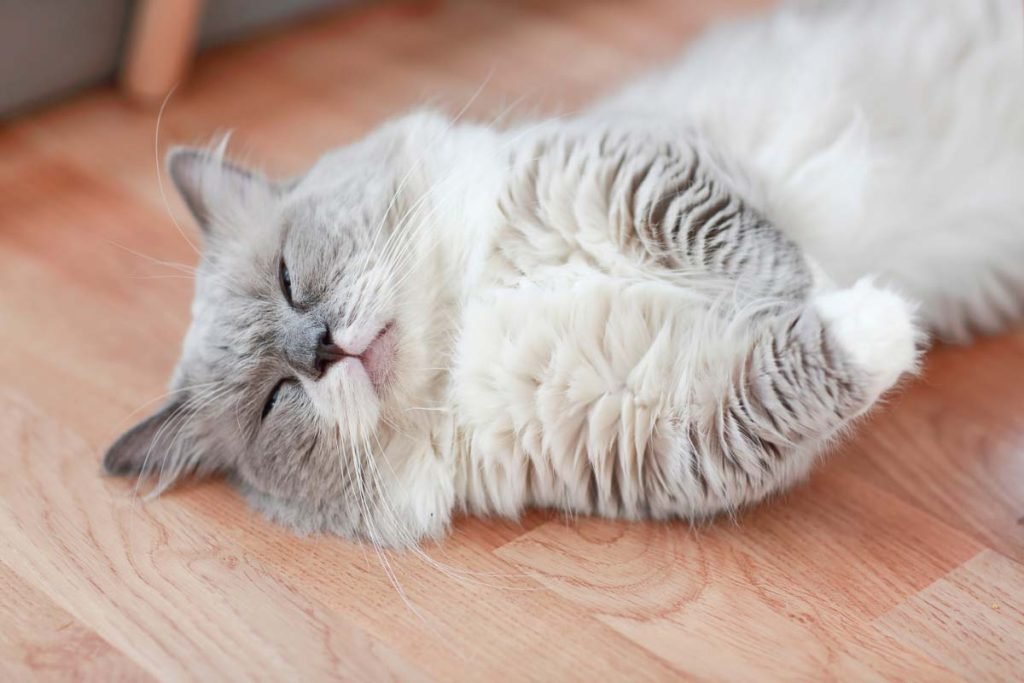
Have you ever watched your cat sleep and noticed their little paws or whiskers twitching? It’s a curious sight that makes you wonder—what’s really going on inside their dreams?
Understanding why cats twitch in their sleep can give you a deeper connection to your furry friend and reveal surprising facts about their health and happiness. Keep reading, because what you’ll discover might change the way you see your cat’s nighttime behavior forever.

Credit: www.yahoo.com
Feline Sleep Cycles
Cats spend a large part of their day sleeping. Their sleep is different from humans. Understanding feline sleep cycles helps explain why cats twitch in their sleep. Cats experience various stages of sleep. Each stage has unique features. Twitching often happens during specific sleep phases. Knowing these cycles reveals more about cat behavior.
Stages Of Cat Sleep
Cat sleep has two main stages: REM and non-REM. Non-REM sleep is deep and restful. During this stage, muscles relax and breathing slows. REM sleep stands for Rapid Eye Movement. This stage is lighter and active. Cats dream in REM sleep. Twitching, paw movements, and tail flicks often occur here. This is when the brain processes daily experiences.
Duration And Patterns
Cats sleep 12 to 16 hours daily. Kittens and older cats may sleep more. Sleep happens in short bursts throughout the day. A cat cycles between REM and non-REM sleep many times. Each cycle lasts about 20 minutes. Twitching usually appears during REM phases. This pattern helps cats stay alert and ready to act quickly.

Credit: www.petdeepsleep.com
What Causes Twitching
Have you ever watched your cat twitching in their sleep and wondered what’s really going on? Twitching is a common behavior in cats during certain sleep phases. Understanding what causes this can give you a deeper appreciation of your feline friend’s inner world.
Muscle Activation
During sleep, especially in the rapid eye movement (REM) stage, your cat’s muscles can activate in short bursts. These twitches are small, involuntary movements triggered by muscle fibers contracting briefly. This activity helps keep muscles healthy and responsive, even when your cat is at rest.
Think about how your cat might suddenly jerk a paw or flick their tail while napping. This is your cat’s body practicing or reacting to dreams. It’s like a gentle workout for muscles without waking up.
Neurological Responses
The brain plays a key role in causing twitching during sleep. Your cat’s nervous system sends signals that can cause muscle movement as part of dream processing. These neurological responses are signs that your cat is experiencing vivid dreams, much like humans do.
Have you noticed how your cat’s whiskers or ears might twitch in sync with their paws? This coordination shows how the brain is actively sending signals during sleep cycles. It raises an interesting question: what do you think your cat is dreaming about during those moments?
Dreaming In Cats
Cats twitching in their sleep is a fascinating sight that often makes you wonder what’s going on inside their little minds. Just like humans, cats go through different sleep stages, including REM (Rapid Eye Movement) sleep, where dreaming occurs. Understanding what cats might be dreaming about can give you a deeper connection with your furry friend and explain those sudden paw movements or whisker twitches you see.
Evidence Of Cat Dreams
Scientists have studied brain activity in sleeping cats and found patterns similar to those in dreaming humans. During REM sleep, a cat’s brain shows bursts of electrical activity that suggest they’re processing experiences or memories.
You might notice your cat’s eyes moving rapidly beneath their eyelids or their tiny paws twitching. These signs strongly point to them dreaming. Have you ever caught your cat making little noises or flicking their tail during sleep? These behaviors support the idea that cats experience dreams just like you do.
Common Dream Behaviors
When cats dream, their bodies often react as if they’re awake. You may see:
- Twitching whiskers or ears
- Rapid eye movements under closed eyelids
- Light paw movements, as if they’re chasing something
- Occasional soft meows or purrs
These actions can seem mysterious or even amusing. Think about your cat chasing an invisible mouse in their sleep—that’s a clue they’re reliving hunting scenes or playful moments. Next time you see your cat twitch, consider what kind of adventure they might be having in their dreams.
Role Of Twitching
Twitching in cats during sleep plays an important role in their overall health. These small movements are not random. They help cats grow physically and mentally. Twitching reflects how the brain and body work together during rest. It supports key development processes essential for a cat’s well-being.
Physical Development
Twitching helps muscles stay active and strong. Even in sleep, muscles practice movements. This activity improves coordination and agility. For kittens, twitching builds muscle strength. It prepares them for walking, jumping, and hunting.
Muscle twitches also improve blood flow. This keeps muscles healthy. Twitching helps repair tiny muscle fibers. It supports overall physical health and growth in cats.
Emotional And Cognitive Growth
Twitching shows brain activity during dreaming. Dreams help cats process daily experiences. This improves memory and learning skills.
Emotional responses appear in twitching. Cats might react to dreams with paw or whisker movements. These twitches help cats work through feelings and stress. It supports emotional balance and mental health.
When To Be Concerned
Not all twitching during sleep is harmless. While many cats twitch because they are dreaming or experiencing normal muscle movements, some signs should alert you to possible issues. Knowing when to be concerned can help you protect your furry friend’s health and well-being.
Signs Of Sleep Disorders
Watch closely if your cat’s twitching is accompanied by other unusual behaviors during sleep. These can include:
- Excessive twitching or jerking that seems violent or uncontrollable
- Sudden vocalizations like growling, hissing, or crying out
- Periods of stiffness or inability to move after twitching episodes
- Frequent waking up appearing disoriented or scared
These signs might indicate conditions such as REM sleep behavior disorder or seizures. I once noticed my cat twitching violently and vocalizing loudly, which led me to seek professional advice immediately. It turned out to be a sleep disorder that required treatment.
When To Seek Veterinary Advice
If you observe any of the above signs or if twitching disrupts your cat’s normal sleep pattern, it’s time to get help. A vet can run tests to rule out neurological issues or other medical problems.
Don’t hesitate to describe the twitching episodes in detail—how often they occur, their duration, and any other behaviors you notice. You might even record a video to show your vet.
Remember, catching problems early can make a big difference in your cat’s quality of life. Are you confident your cat’s twitching is normal, or could it be a sign that needs attention?
Comparisons With Other Animals
Watching your cat twitch in its sleep might make you wonder if this behavior is unique to felines or common among other animals. Comparing cats to other species can shed light on why these movements happen and what they mean. Understanding these differences and similarities helps you connect more deeply with your pet’s nighttime behavior.
Differences In Sleep Twitching
Cats twitch during the REM (Rapid Eye Movement) phase of sleep, but their twitching tends to be more subtle and localized compared to some other animals. For example, rodents often exhibit more vigorous and whole-body twitching during sleep. This difference likely relates to the size and complexity of their nervous systems.
Unlike dogs, cats rarely vocalize during their twitching episodes. You might notice a dog’s paws paddling or occasional barks during sleep, while your cat’s twitches are mostly small muscle movements like whisker flicks or ear twitches. These variations highlight how species express dreams and rest differently based on their anatomy and behavior.
Similarities With Dogs And Humans
Both cats and dogs share the trait of twitching during REM sleep, which suggests that these movements are connected to dreaming. You may have caught your dog chasing something unseen in its sleep, similar to how your cat might twitch its paws or whiskers. This shared behavior points to a common neurological process.
Humans also twitch during REM sleep, often experiencing rapid eye movements and minor muscle jerks. This universal twitching across mammals raises interesting questions: Are these movements a way to practice survival skills, or are they simply by-products of brain activity? Paying attention to your cat’s sleep twitching can reveal more about the mysterious world of dreams across species.
Enhancing Cat Sleep Quality
Enhancing your cat’s sleep quality helps reduce twitching during rest. A calm, safe space lets cats relax fully. Good sleep supports their health and mood.
Comfort and consistency matter most. Cats need quiet, soft spots away from noise and bright lights. A routine helps their body know when to rest deeply.
Creating A Comfortable Environment
Provide a warm, soft bed in a quiet corner. Cats prefer spots where they feel safe and hidden. Avoid loud noises and sudden movements near their resting area.
Keep the room at a moderate temperature. Too cold or hot can disturb their sleep. Use blankets or cushions for extra coziness.
Remove distractions like other pets or busy household areas. A peaceful space helps your cat sleep without stress.
Importance Of Routine
Set regular feeding and playtimes. Cats sleep better when their daily schedule is steady. Predictability calms their mind and body.
Try to keep bedtime consistent. Cats thrive on habits and feel secure with clear signals for rest. This reduces restless twitching during sleep.
Engage your cat in active play before sleep. Tiring them out encourages deeper, longer rest. A tired cat twitches less while dreaming.
Credit: www.petscare.com
Frequently Asked Questions
Why Do Cats Twitch While Sleeping?
Cats twitch during sleep because of muscle relaxation and brain activity. It often happens during REM sleep, when dreams occur. Twitching helps cats process experiences and maintain muscle tone.
Is Twitching Normal For Cats In Deep Sleep?
Yes, twitching is normal in cats during deep REM sleep. It shows healthy brain function and natural muscle reflexes. Occasional twitches are nothing to worry about.
Can Twitching Indicate Health Problems In Cats?
Usually, twitching is harmless. However, excessive or violent twitching may signal neurological issues. Consult a vet if twitching seems abnormal or frequent.
Do All Cats Twitch When They Sleep?
Most cats twitch during sleep, especially in REM stage. Individual twitch frequency varies with age, health, and activity. It is a common feline behavior.
Conclusion
Cats twitch in their sleep because their brains stay active. This movement shows they are dreaming or resting deeply. Twitching helps their muscles stay healthy and ready to move. It also means your cat feels safe and relaxed near you.
Watching your cat twitch can be cute and interesting. Understanding this behavior helps you care for your pet better. Every twitch tells a small story about your cat’s sleep. Keep enjoying those peaceful moments with your furry friend.
