

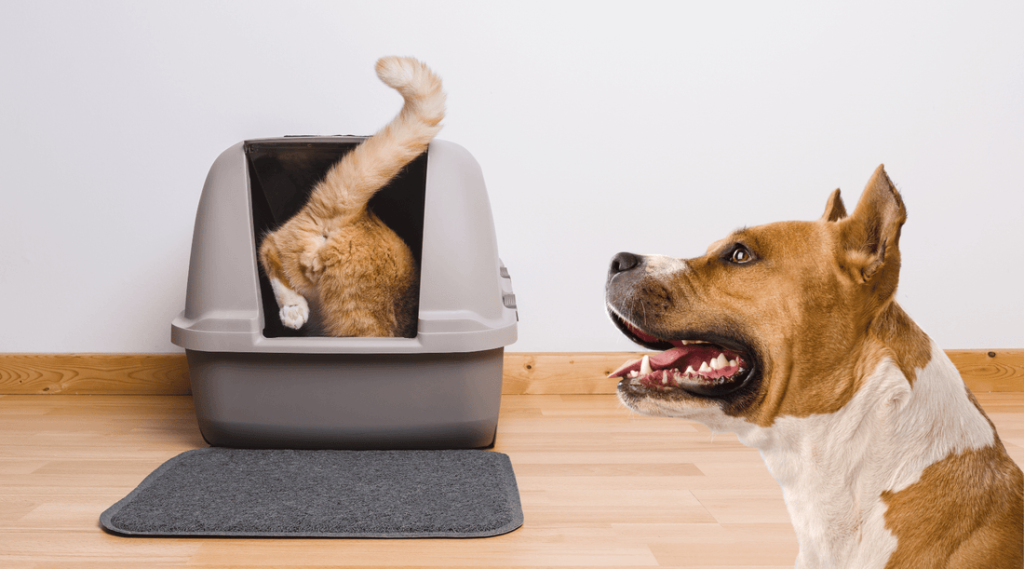
Have you ever caught your dog eating cat faeces and wondered why they do it? It’s a common and puzzling behavior that many pet owners face.
You might feel confused, grossed out, or even worried about your dog’s health. But understanding why your dog is drawn to this habit can help you manage it better. Keep reading, because uncovering the reasons behind this strange behavior will give you the power to keep your furry friend safe and happy.
Curiosity And Exploration
Dogs use their mouths to learn about the world. This natural curiosity drives them to investigate things that might seem strange or even unpleasant to us. Cat faeces can catch their attention simply because it’s something new and different in their environment.
When your dog sniffs around the yard or litter box, they’re gathering information. This behavior is similar to how puppies explore by mouthing everything. It’s their way of understanding what’s safe, what smells interesting, or what tastes worth trying.
How Dogs Use Their Senses To Explore
Dogs rely heavily on smell and taste to explore. Cat faeces have a strong odor that can intrigue your dog’s sensitive nose. This smell may signal a new source of food or simply something to investigate further.
Your dog’s taste buds also play a role. They might taste cat faeces out of curiosity to learn more about it. This doesn’t always mean they want to eat it regularly, but they are testing it like they would any unfamiliar object.
Does Boredom Increase This Behavior?
Curiosity can turn into mischief if your dog is bored. A dog with little mental or physical stimulation might chew or eat strange things just to keep busy. Cat faeces become an easy target when your dog’s looking for something to do.
Think about your own dog’s daily routine. Are they getting enough playtime and mental challenges? Increasing walks, training, or interactive toys can reduce their need to explore through inappropriate means.
How To Redirect Your Dog’s Curiosity Safely
- Supervise Outdoor Time:Watch your dog closely when they are near the litter box or garden area.
- Provide Engaging Toys:Keep their mind busy with puzzle toys or chew items.
- Training Commands:Teach a reliable “leave it” or “no” command to stop unwanted behavior instantly.
- Clean Up Promptly:Remove cat faeces quickly to limit access.
Have you noticed your dog sniffing or tasting things they shouldn’t? Paying attention to these moments can help you guide their natural curiosity in safer directions. What new activities can you add to keep your dog’s mind engaged today?
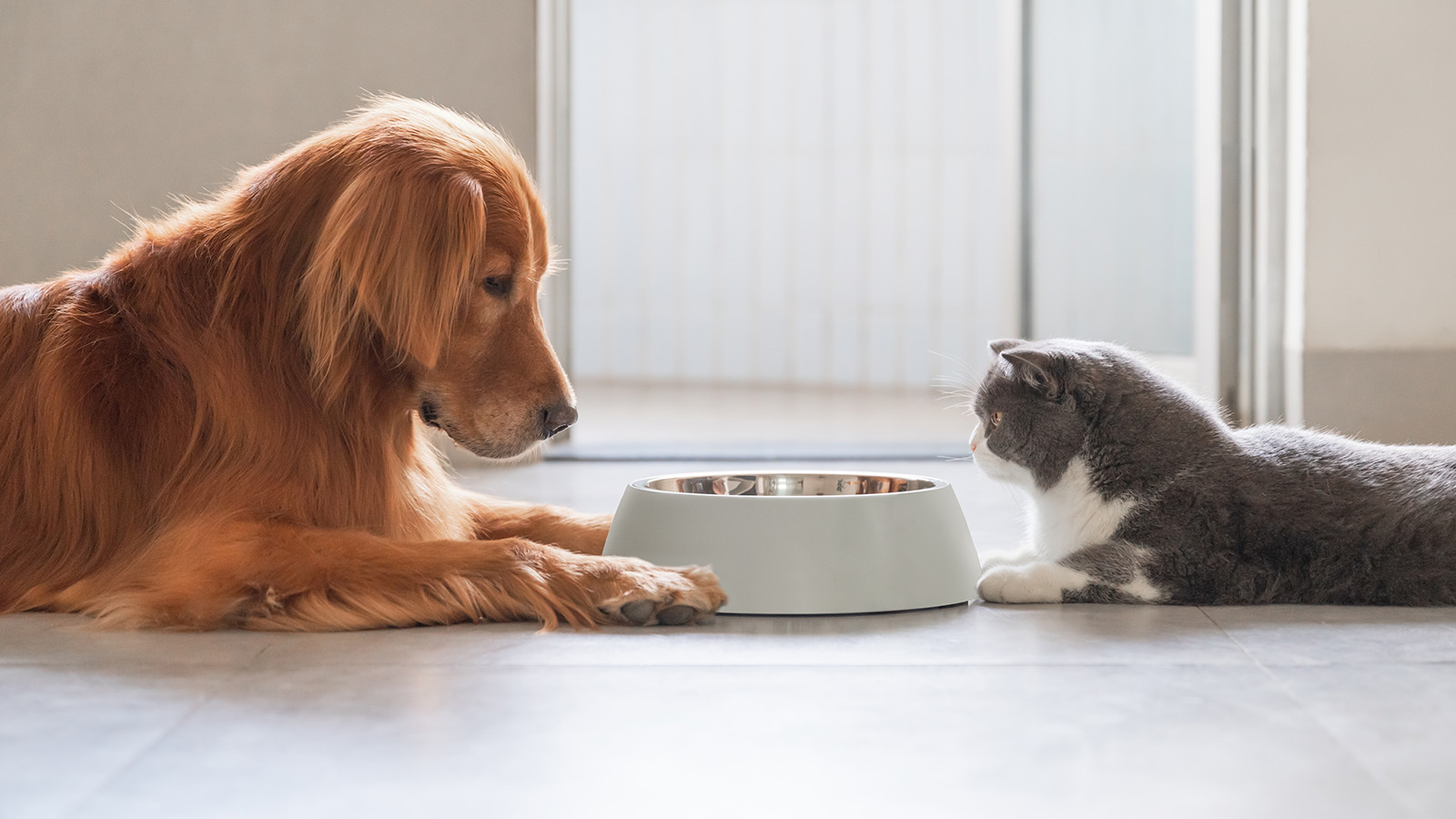
Credit: animals.howstuffworks.com
Nutritional Deficiencies
Dogs eating cat feces may seem unpleasant, but one reason behind this behavior is nutritional deficiencies. Sometimes, your dog’s diet might be missing key nutrients, prompting them to search for alternative sources. Cat feces can contain undigested nutrients, making it an unexpected choice for dogs trying to fill gaps in their nutrition.
Seeking Additional Nutrients
Your dog might be instinctively trying to add nutrients that are lacking in their food. Cat feces often contain proteins, fats, and other nutrients that pass through a cat’s digestive system partially undigested.
Dogs might sense these leftover nutrients and eat the feces to get a quick nutritional boost. This behavior can be more common in dogs fed low-quality diets or those with specific vitamin or mineral shortages.
Have you noticed your dog eating cat feces more during times when their regular diet changes or seems less satisfying? It could be a sign they’re trying to meet their nutritional needs in an unusual way.
Signs Of Dietary Imbalance
Look out for signs that your dog’s diet might be imbalanced or insufficient:
- Excessive hunger even after meals
- Frequent scavenging or eating unusual objects
- Dull coat or skin issues
- Low energy or lethargy
Noticing these symptoms alongside coprophagia (feces eating) could mean your dog’s diet needs a closer look. You might want to consult your vet to check for vitamin or mineral deficiencies that could be triggering this behavior.
How often do you review your dog’s diet to ensure it meets all their nutritional needs? Addressing dietary gaps can reduce their urge to seek nutrients elsewhere and improve their overall health.
Natural Instincts
Dogs eating cat feces may seem gross to us, but it’s often driven by their natural instincts. These behaviors are deeply rooted in their evolutionary past and survival mechanisms. Understanding these instincts can help you manage this habit better.
Scavenging Behavior
Dogs are natural scavengers, a trait inherited from their wild ancestors. They explore their environment by tasting and smelling different things, including feces. This behavior helped them survive when food was scarce, as anything edible was worth trying.
Think about your own dog sniffing around during walks or at the park. That curiosity isn’t just playfulness—it’s a survival skill. This instinct can make cat feces seem like a potential food source, especially if the dog finds the smell appealing.
Inherited Traits
Dogs have inherited many traits from wolves, including their dietary habits. Wolves sometimes eat feces to gain nutrients or to keep their dens clean. This behavior, called coprophagia, can appear in domestic dogs as well.
Have you noticed your dog eating something you wouldn’t expect? This inherited trait explains why some dogs are drawn to unusual items. Recognizing this can help you find ways to redirect their attention and keep them safe.

Credit: petscathouse.com
Attraction To Smell And Taste
Dogs often surprise us with their unusual eating habits, and cat faeces can be one of those puzzling attractions. Understanding why your dog might be drawn to this behavior starts with their powerful senses of smell and taste. These senses guide much of a dog’s interaction with the world, influencing what they find interesting or tasty.
Understanding Canine Senses
Your dog’s nose is incredibly sensitive—about 40 times more than a human’s. This means your dog can detect scents that you might not even notice. They use their sense of smell to explore and make sense of their environment, often leading them to investigate things that seem odd to us.
Similarly, dogs experience taste differently than humans. Their taste buds are fewer but highly tuned to certain flavors, especially those linked to protein and fat. This sharp sense helps explain why the smell and taste of cat faeces could be tempting—they often contain undigested food particles that appeal to your dog’s palate.
Appeal Of Cat Faeces
Cat faeces carry a strong, distinct odor due to the proteins and fats from a cat’s diet, which often includes meat-rich food. To your dog, this smell might be irresistible, signaling a potential source of nutrition. This is especially true if your dog is young, curious, or not getting enough protein in their own diet.
Have you noticed your dog sniffing around the litter box or eating cat poop after you’ve cleaned it? That smell can linger on the surface and trigger a strong sensory response. Also, some dogs simply like the texture and taste, making it a repeated behavior if not addressed.
Think about your dog’s natural instincts and sensory world next time you catch them in the act. You might find it easier to redirect their attention or adjust their diet to reduce this behavior. What changes can you make today to help your dog focus on more appropriate snacks?
Health Risks And Concerns
Eating cat feces poses serious health risks to dogs. Cat feces can contain harmful bacteria, parasites, and viruses. These agents may cause infections and illnesses in dogs. Understanding these risks helps pet owners protect their dogs from potential harm.
Potential Illnesses
Cat feces often carry parasites like Toxoplasma gondii, which causes toxoplasmosis. This infection can lead to fever, vomiting, and diarrhea in dogs. Bacteria such as E. coli and Salmonella may also be present. These bacteria cause stomach upset, dehydration, and weakness.
Other risks include worms, like roundworms and hookworms. These parasites can damage a dog’s intestines and cause weight loss. Exposure to cat feces might also transmit viruses that affect a dog’s immune system. In severe cases, untreated infections can become life-threatening.
Preventive Measures
- Keep litter boxes out of your dog’s reach.
- Clean litter boxes daily to reduce bacteria build-up.
- Train your dog to avoid eating feces through positive reinforcement.
- Provide plenty of fresh water and nutritious food to reduce pica behavior.
- Schedule regular veterinary check-ups and parasite control treatments.
Early action can prevent many health issues. Observing your dog’s behavior and keeping a clean environment is key. Prevention keeps your dog safe and healthy.
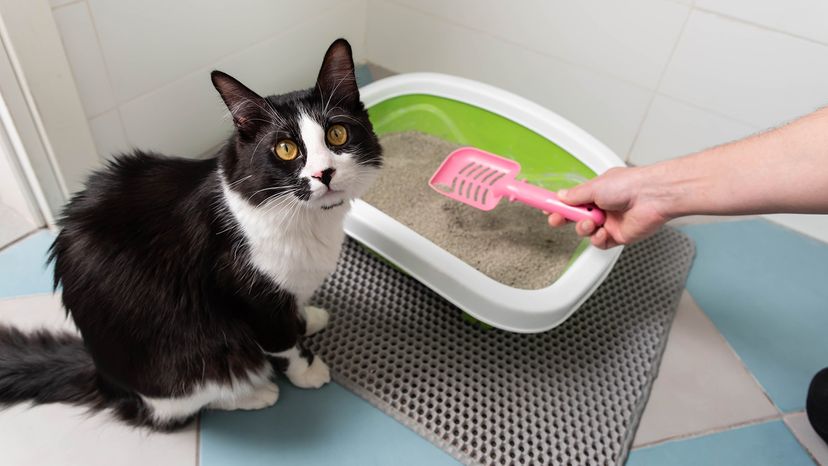
Credit: animals.howstuffworks.com
Behavioral Solutions
Addressing the habit of dogs eating cat faeces requires focused behavioral solutions. These solutions help modify the dog’s actions and reduce unwanted behaviors. Effective behavioral changes come through clear training and smart management of the dog’s environment.
Training Techniques
Training builds good habits and controls bad ones. Use positive reinforcement to reward the dog for ignoring cat faeces. Teach basic commands like “leave it” or “no” to stop the behavior quickly. Consistency is key. Practice these commands daily in different settings.
Short, frequent training sessions work best. Avoid punishment, as it can cause stress. Instead, use treats and praise to encourage desired actions. Training helps the dog understand what is allowed and what is not.
Environmental Management
Changing the dog’s surroundings prevents access to cat faeces. Keep litter boxes in places the dog cannot reach. Use covered or high-sided litter boxes to reduce temptation. Clean the litter boxes regularly to remove faeces quickly.
Block off areas where the dog and cat interact unsupervised. Create separate zones for each pet to feel safe. Provide plenty of toys and activities to distract the dog from unwanted behaviors. A well-managed environment supports training efforts and promotes better habits.
Frequently Asked Questions
Why Do Dogs Eat Cat Feces Frequently?
Dogs eat cat feces due to curiosity and strong smell. Cat feces contain undigested nutrients, attracting dogs. This behavior is natural but may pose health risks.
Is Eating Cat Feces Harmful To Dogs?
Yes, cat feces can contain parasites and bacteria harmful to dogs. Eating feces may cause infections or digestive issues. Preventing this behavior protects your dog’s health.
How Can I Stop My Dog From Eating Cat Feces?
Keep the litter box clean and inaccessible to dogs. Train your dog with commands like “leave it. ” Providing proper nutrition reduces the urge to eat feces.
Do Nutritional Deficiencies Cause Dogs To Eat Cat Feces?
Sometimes, dogs eat feces due to nutrient deficiencies. Ensuring a balanced diet helps minimize this behavior. Consult a vet for proper dietary advice.
Conclusion
Dogs eating cat feces may seem strange but has reasons. They might be curious or seeking nutrients missing in their diet. Sometimes, they just copy behaviors or explore smells. This habit can pose health risks, so keep an eye on your pets.
Providing a balanced diet and clean environment helps reduce this behavior. Understanding why dogs do this helps owners manage it better. Patience and care are key to keeping your pets safe and healthy.
