

If your cat is scratching more than usual or seems uncomfortable near its rear, you might be wondering if it needs its glands expressed. Abscesses and gland issues can cause your furry friend pain and distress, but knowing the signs isn’t always easy.
You want to help your cat feel better fast, but how do you tell if it’s just a simple problem or something more serious? Keep reading to discover clear signs that your cat’s glands may need attention and what you can do to keep your pet happy and healthy.
Understanding Abscesses In Cats
Abscesses in cats are more common than you might think, and knowing how to recognize them can save your feline friend from serious discomfort. These painful pockets of infection often develop quickly and need prompt attention. Understanding what causes abscesses, their symptoms, and potential risks will help you decide when your cat might need a glands expressed or veterinary care.
Common Causes
Abscesses usually form due to bites or scratches during fights with other cats. These wounds trap bacteria under the skin, creating infection pockets filled with pus.
Other causes include foreign objects like splinters or thorn pricks, which introduce bacteria into deep tissue. Sometimes, poor grooming or skin conditions can also lead to abscess formation.
Symptoms To Watch For
Look for swelling, redness, and warmth around a specific area on your cat’s body. Your cat might also lick or bite the spot excessively.
Other signs include fever, lethargy, and loss of appetite. If the abscess bursts, you may notice a foul-smelling discharge or pus.
Potential Complications
If left untreated, abscesses can cause severe pain and spread infection to other parts of the body. This may lead to systemic illness requiring intensive treatment.
In some cases, abscesses near the anal glands can indicate the need for glands to be expressed to prevent recurrent infections. Ignoring these symptoms can put your cat’s health at serious risk.
Cat Anal Glands And Their Function
Your cat’s anal glands are small sacs located on either side of the anus. They play an important role in your cat’s communication and health. Understanding how these glands function can help you recognize when your cat might need them expressed to avoid discomfort or infection.
Purpose Of Anal Glands
Anal glands produce a strong-smelling fluid that cats use to mark their territory. This scent acts like a personal signature for your cat, letting other animals know who’s around. It’s a natural way for cats to communicate without making a sound.
Besides marking territory, these glands also help with social interactions among cats. You might notice your cat rubbing its rear against objects or even you—that’s a way of spreading this scent. Without properly functioning anal glands, your cat could feel frustrated or stressed.
How They Work
Each anal gland sits in a small pocket near the anus and releases fluid when your cat defecates. The pressure from passing stool naturally squeezes the glands, emptying them. This process usually happens without your cat noticing.
Sometimes, these glands don’t empty fully or get clogged, which can cause swelling or infection. If your cat is scooting on the floor, licking its rear excessively, or showing signs of discomfort, it might need its glands expressed. Regular vet check-ups can help prevent complications before they become painful for your cat.
Signs Your Cat Needs Glands Expressed
Recognizing the signs that your cat needs its glands expressed is important. Cats have scent glands near their anus that can become clogged or infected. This can cause discomfort and health issues. Watch for changes in behavior and physical symptoms to catch problems early. Identifying unusual odors can also help you know when your cat needs care.
Behavioral Changes
- Your cat may scratch or lick the rear area more often.
- It might drag its bottom on the floor, called scooting.
- Restlessness or irritability can signal discomfort.
- Some cats may hide or avoid being touched near the tail.
Physical Symptoms
- Swelling or redness near the anus can appear.
- Small lumps or bumps may be felt around the glands.
- Visible discharge or blood might be present.
- Your cat could have difficulty sitting or walking comfortably.
Unusual Odors
- A strong, foul smell from the rear is a common sign.
- The odor may smell sour or fishy.
- This smell does not go away with regular cleaning.
Credit: www.kinship.com
Risks Of Ignoring Gland Issues
Ignoring gland problems in cats can lead to serious health issues. These glands need regular care to avoid pain and infections. Unattended gland issues can worsen quickly. Recognizing risks helps protect your cat’s well-being.
Infection And Abscess Formation
Blocked or dirty glands can trap bacteria inside. This creates an environment for infections to grow. The infection may cause swelling and redness near the glands. If untreated, the infection can form an abscess. Abscesses are painful, filled with pus, and can burst. This causes more pain and spreads infection to other areas. A vet may need to drain abscesses to stop infection.
Chronic Discomfort
Unexpressed glands cause ongoing discomfort for cats. The pressure from blocked glands leads to pain and irritation. Cats may lick or bite at the affected area. This behavior can cause skin damage and worsen the problem. Chronic gland issues affect a cat’s mood and activity. A cat in pain may hide, eat less, or become aggressive. Regular gland care prevents long-term suffering and keeps cats happy.
When To Seek Veterinary Help
Knowing when to seek veterinary help for your cat’s abscess or gland issues is crucial. Some signs require immediate attention to avoid pain or infection. Early intervention can prevent complications and promote faster healing.
Watch for symptoms such as swelling, strong odor, or your cat licking the area constantly. Difficulty sitting or walking may also indicate a problem with the glands. If your cat shows any signs of distress or unusual behavior, a professional check-up is necessary.
Professional Assessment
A veterinarian can accurately diagnose gland problems or abscesses. They will examine the affected area carefully, checking for swelling, discharge, or infection. The vet may also feel the glands to decide if they need expression or further treatment.
Sometimes, abscesses can hide under the skin or be deeper than they look. Only a vet can determine the exact cause and severity. This assessment helps avoid mistakes and ensures proper care for your cat.
Treatment Options
Treatment varies depending on the condition’s severity. Mild cases may only need gland expression to relieve discomfort. The vet will gently express the glands to clear blockages and reduce swelling.
Severe abscesses may require antibiotics or minor surgery. The vet might drain pus and clean the wound thoroughly. Pain relief and anti-inflammatory medication can help your cat feel better quickly.
Follow-up visits are important to monitor healing and prevent recurrence. Always follow the vet’s advice for care at home. Proper treatment helps your cat recover faster and stay healthy.

Credit: www.mycornervet.com.au
Preventive Measures For Anal Gland Health
Keeping your cat’s anal glands healthy can save both of you a lot of discomfort and stress. Anal gland issues often sneak up without clear signs until an abscess or severe irritation develops. Taking simple preventive steps can reduce the chances of your cat needing gland expression or facing painful infections.
Dietary Adjustments
One of the easiest ways to support your cat’s anal gland health is through diet. Adding more fiber to their meals helps produce firmer stools, which naturally press against the glands during bowel movements and aid in emptying them.
You might want to try a high-quality cat food with added fiber or even mix in small amounts of pumpkin puree. Have you noticed how your cat’s stool consistency changes with different foods? This can be a key sign of whether their diet is helping or hurting gland function.
- Avoid low-fiber, overly processed foods that lead to soft stools.
- Consider wet food options to improve hydration, which also affects stool quality.
- Watch for any food allergies or sensitivities that might cause digestive upset.
Regular Check-ups
Preventing anal gland problems isn’t just about diet; regular vet visits play a crucial role. Your vet can check the glands during routine exams to catch any issues early before they become painful abscesses.
Don’t wait for your cat to show signs of discomfort. Cats often hide pain well, so proactive checks can make a huge difference. Have you scheduled a wellness exam for your cat recently? This simple step can keep anal glands in top shape.
- Ask your vet to demonstrate how to check the glands at home.
- Keep a log of any unusual behaviors like scooting or licking the rear excessively.
- Discuss any past gland issues with your vet to tailor a preventive plan.
Home Care Tips For Cat Owners
Home care plays a vital role in managing your cat’s anal glands. It can help prevent discomfort and infections. Knowing how to safely express glands and monitor your cat’s health is important. These tips guide you through simple steps to keep your pet healthy and happy at home.
Safe Gland Expression
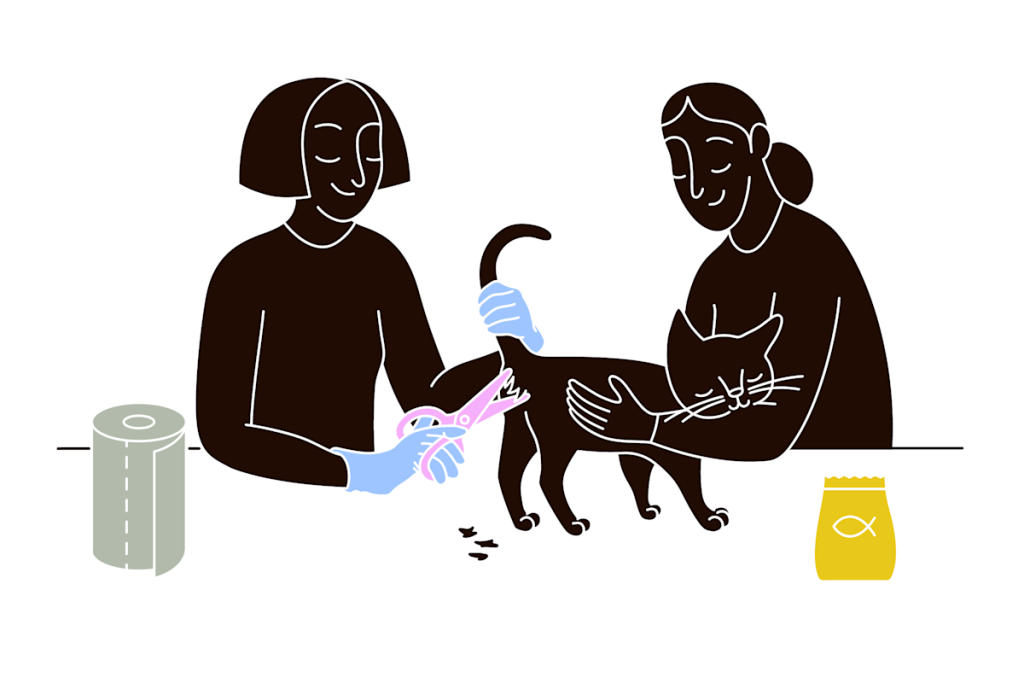
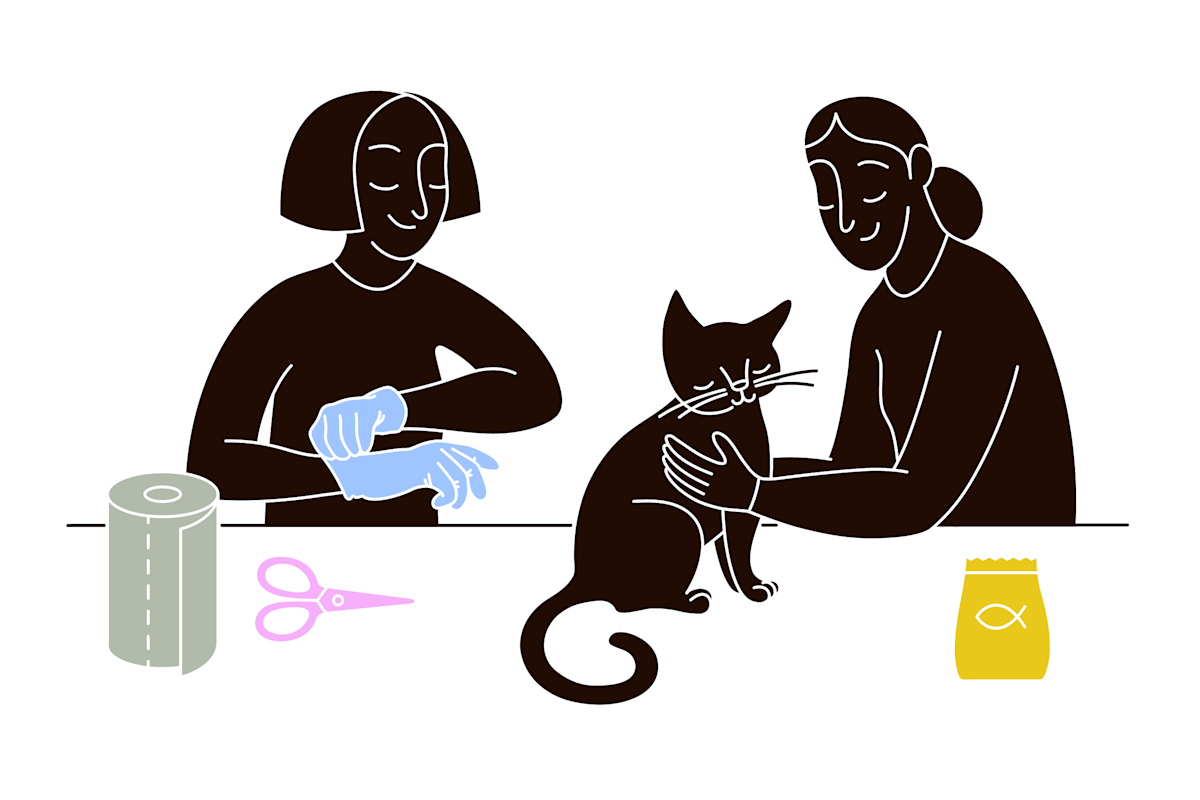
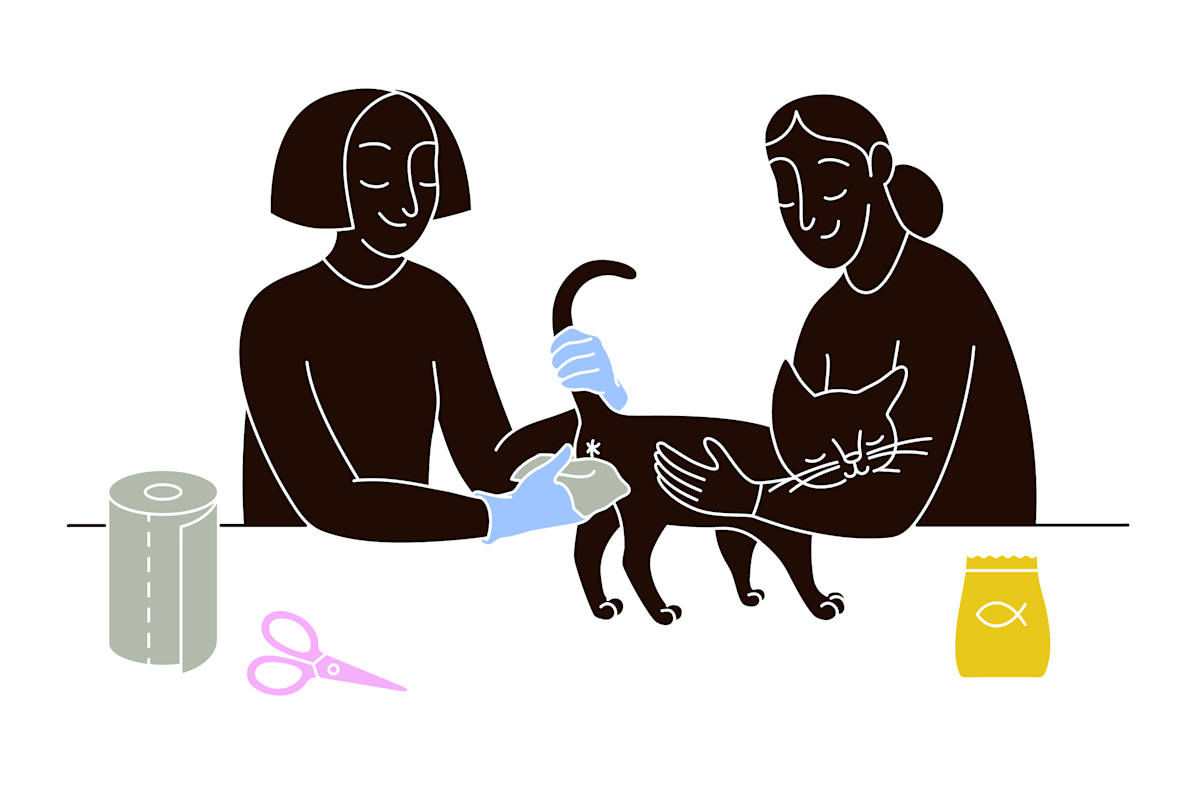
Expressing your cat’s anal glands requires care and gentleness. Use disposable gloves to keep the process clean. Calm your cat by speaking softly and holding them securely. Apply gentle pressure on both sides of the anus to release fluid. Stop immediately if your cat shows signs of pain or stress. Avoid frequent expression to prevent irritation. Consult your vet if you feel unsure or notice swelling or foul odor.
Monitoring And Maintenance
Watch for signs your cat might need gland care. Look for scooting, licking, or biting near the tail. Check for redness, swelling, or lumps around the anus. Keep your cat’s diet high in fiber to support healthy digestion. Regular exercise also helps prevent gland problems. Schedule vet visits for routine checks and professional gland expression if needed. Clean your cat’s bedding and litter box often to reduce bacteria.
Credit: www.kinship.com
Frequently Asked Questions
What Are Signs My Cat Needs Glands Expressed?
Signs include scooting, licking the rear, foul smell, and swelling near the anus. Your cat may also show discomfort or difficulty sitting. These symptoms suggest impacted or infected anal glands needing expression by a vet.
How Can I Tell If My Cat Has An Abscess?
Look for swelling, redness, pain, and warmth around a wound. Your cat might also have fever or lethargy. Abscesses often result from bites or scratches and require veterinary care to drain and treat infection.
When Should I Take My Cat To The Vet For Gland Issues?
Visit the vet if your cat scoots often, shows pain near the anus, or has a foul odor. Early intervention prevents infection and abscess formation. Regular checkups help monitor and manage gland health.
Can I Express My Cat’s Glands At Home Safely?
Home expression is risky without training and can cause injury or infection. It’s best to have a vet or professional groomer perform this procedure safely and hygienically.
Conclusion
Cats with abscesses may need gland expression to feel better. Watch for signs like swelling, discomfort, or foul smell near the tail. Cleaning and gentle care help, but a vet’s check is best. Expressing glands too often or incorrectly can hurt your cat.
Act quickly if your cat seems in pain or has trouble sitting. Healthy glands mean a happy cat. Keep an eye on your pet’s behavior and hygiene to avoid problems. Caring for your cat’s health shows love and keeps them comfortable.
