

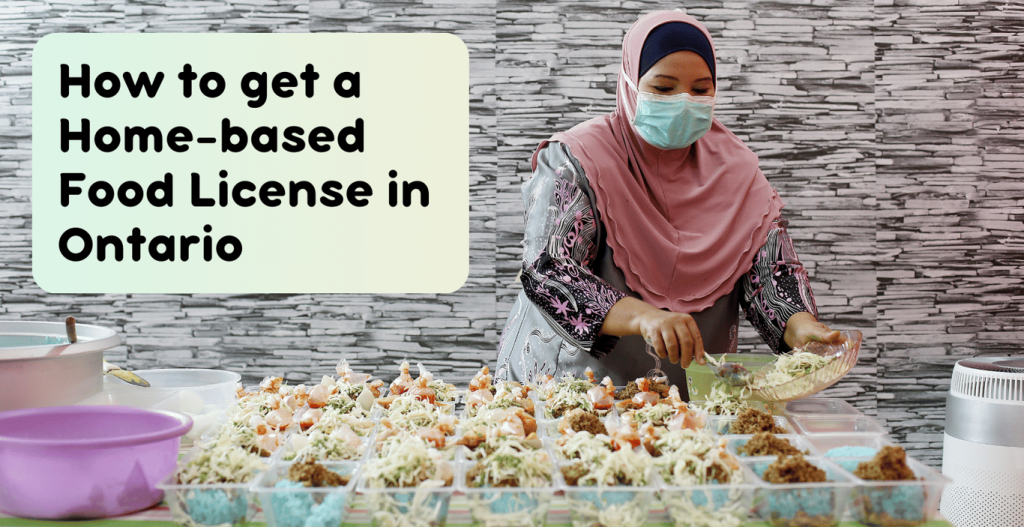
Are you thinking about turning your kitchen skills into a money-making venture? Before you start serving delicious meals to friends, family, or even paying customers, there’s one important question you need to answer: Do you need a license to cater food from home?
Knowing the answer can save you from costly mistakes and legal headaches. Keep reading, and you’ll discover what rules apply to your situation and how to get started the right way—so you can focus on cooking up success!

Credit: www.shopatstop.com
Catering From Home: An Overview
Catering from home has become a popular way to start a food business. It offers flexibility and a chance to turn cooking skills into income. Many people wonder about the rules and licenses needed for this venture.
Running a catering service from home means preparing and delivering food for events. This can range from small parties to large gatherings. Understanding the legal and health requirements is important to operate safely and legally.
Catering From Home: What It Involves
Catering from home means making food in your kitchen. You may prepare meals, snacks, or full courses. Food is then delivered or served at the customer’s location. This business can be part-time or full-time depending on your goals.
Health And Safety Standards
Food safety rules keep customers safe from illness. You must keep your kitchen clean and follow hygiene rules. Proper food storage and cooking temperatures are critical. Regular inspections may happen to ensure standards are met.
Licensing And Permits
Most places require a license to sell food from home. The type of license depends on local laws. You might need a food handler’s permit or a catering license. Some states have cottage food laws for low-risk foods.
Insurance And Liability
Insurance protects you from accidents or food issues. Liability insurance covers injuries or damages during catering. Check with an insurance agent to find the right coverage. This step helps protect your business and customers.
Benefits Of Catering From Home
- Lower startup costs compared to a restaurant
- Flexible working hours
- Ability to test recipes and menus
- Direct contact with customers
Challenges To Consider
- Meeting health regulations
- Managing time and orders
- Space limits in a home kitchen
- Obtaining necessary licenses
Legal Requirements
Starting a home-based food business requires understanding legal rules. These rules protect customers and ensure food safety. Meeting these legal requirements is important to operate smoothly and avoid penalties.
Home-based Food Business Laws
Many areas require a license to sell food from home. Laws vary by location, so check local regulations first. Some places allow small-scale sales without a license. Others demand full registration as a food business.
Common requirements include:
- Registering your business with local authorities
- Obtaining a food handler’s permit
- Following zoning laws for home businesses
- Labeling food products properly
Ignoring these laws can lead to fines or business closure.
Health And Safety Regulations
Health rules ensure the food you make is safe to eat. These rules cover cleanliness, food storage, and preparation methods. Regular inspections may be required to keep your license.
Key points include:
- Using clean utensils and surfaces
- Storing food at correct temperatures
- Preventing cross-contamination
- Proper hand washing and hygiene
Following health rules builds trust with customers. It also protects your business from legal problems.
Licensing Essentials
Starting a home-based catering business needs more than just cooking skills. You must understand licensing rules. These rules help keep food safe and your business legal. Knowing the basics of licensing is key to avoid fines or shutdowns.
Types Of Licenses
Different licenses apply depending on your location and business size. Common licenses include:
- Food Handler’s Permit – for safe food preparation.
- Home Kitchen License – allows cooking in your home kitchen.
- Business License – to operate legally in your area.
- Health Department Permit – ensures hygiene standards.
Check local laws for specific requirements. Some states need special licenses for catering events.
Application Process
Applying for a license involves several steps. First, contact your local health department or licensing agency. Next, fill out an application form with details about your business and kitchen.
You may need to schedule an inspection. Inspectors check cleanliness and food safety practices. Once approved, you receive your license. Renew licenses on time to keep your business running.
Food Safety Standards
Food safety standards are crucial if you plan to cater food from home. They protect your customers and your reputation. Meeting these standards shows you take their health seriously and helps avoid legal trouble.
Safe Food Handling Practices
Handling food safely starts with clean hands and clean surfaces. Always wash your hands before cooking, after touching raw meat, and after handling garbage.
Keep raw foods separate from cooked foods to avoid cross-contamination. Use different cutting boards or wash them thoroughly between tasks.
Temperature control matters. Hot foods should stay above 140°F (60°C), and cold foods below 40°F (4°C). Do you have a reliable thermometer to check your dishes?
Kitchen Inspections
Local health departments often inspect kitchens used for catering. They look for cleanliness, proper storage, and pest control.
Preparing for an inspection means keeping your kitchen tidy and organized daily. Store food in sealed containers and label everything clearly.
Think about your kitchen as a customer would—would you feel confident eating here? This mindset helps you catch issues before an inspector does.
Insurance For Home Caterers
Insurance plays a key role in protecting home caterers from financial risks. Running a food business from home involves many uncertainties. Insurance helps cover costs if something goes wrong during catering activities. Understanding the types of insurance needed is essential to keep your business safe.
Liability Insurance
Liability insurance protects against claims of injury or illness caused by your food. It covers legal fees and medical costs if a customer gets sick. This insurance gives peace of mind when serving clients. Many customers expect caterers to have liability insurance before hiring them.
Property Coverage
Property coverage protects your kitchen equipment and supplies from damage or theft. This insurance helps repair or replace items damaged by fire, water, or other risks. It ensures your business can continue even after unexpected events. Protecting your tools is vital for smooth operations.

Credit: www.shopify.com
Common Challenges
Starting a home catering business involves several challenges. These hurdles can affect how smoothly your business runs. Understanding these challenges helps prepare you better.
Navigating Regulations
Food laws differ by location and can be complex. Getting a license often requires passing inspections. Health and safety rules are strict to protect customers. Paperwork can be confusing and time-consuming. Learning local rules is necessary before selling food.
Managing Costs
Starting a catering business has many costs. Buying kitchen equipment and ingredients adds up quickly. Licensing fees and insurance also increase expenses. Budgeting carefully helps avoid financial problems. Keeping track of costs is essential for success.
Success Tips For Home Catering
Success in home catering depends on more than just cooking skills. It requires smart planning and strong customer connections. Growing your business takes time and effort. Focusing on key areas helps you stand out and attract loyal clients.
Building A Client Base
Start by serving family and friends. Ask them to share their honest feedback and recommend you to others. Word of mouth is powerful for home catering.
Attend local events and food fairs. Show samples of your food and talk about your services. Meeting people face-to-face builds trust.
Offer special deals or discounts for first-time customers. This encourages people to try your food. Keep your service reliable and consistent to keep clients coming back.
Marketing Strategies
Create a simple website or social media page. Post clear photos of your dishes and share customer reviews. Make your contact details easy to find.
Use local online groups and forums to announce your catering service. Join conversations about food and offer helpful tips.
Consider sending flyers or business cards to nearby offices and community centers. A small investment can bring steady clients.
Keep your message clear and friendly. Show passion for cooking and care for your customers. This builds a positive image and trust.
Resources And Support
Finding the right resources and support can make a huge difference when you’re figuring out if you need a license to cater food from home. Knowing where to turn for reliable information and practical help lets you move forward with confidence. You don’t have to navigate the rules alone—help is available through various channels designed to assist small food businesses like yours.
Local Business Organizations
Local business organizations offer more than just networking opportunities. They often provide workshops, legal advice, and updates on food safety regulations specific to your area.
For example, your city’s chamber of commerce might host seminars on home-based food business licensing. These events give you a chance to ask questions directly to experts and connect with others in the food industry.
Have you checked if your local government has a small business support center? They can guide you through the licensing process and help you avoid common pitfalls.
Online Communities
Online communities can be a treasure trove of real-world advice from people who’ve been in your shoes. Forums, Facebook groups, and specialized websites allow you to share experiences and learn from others’ successes and mistakes.
Joining a group focused on home-based catering businesses lets you ask specific questions about licenses, inspections, and marketing strategies. Members often share links to official resources and step-by-step guides that are easy to understand.
Ever wondered what challenges others faced when starting their home catering service? Engaging in these communities can provide surprising insights and practical tips you won’t find in official documents.

Credit: m.youtube.com
Frequently Asked Questions
Do You Need A License To Cater Food From Home?
Yes, most regions require a food catering license for home-based businesses. This ensures food safety and legal compliance. Check local health department regulations for specific requirements before starting.
What Permits Are Required For Home Food Catering?
Common permits include a food handler’s permit, health department approval, and sometimes a home occupation permit. Requirements vary by location, so contact local authorities to obtain accurate information.
How To Get A Food Catering License At Home?
Apply through your local health department or food safety authority. Submit necessary documents, pass inspections, and complete food safety training to receive your license.
Can You Cater Food From Home Without A License?
Operating without a license is illegal and risks fines or closure. Licensing ensures food safety standards and protects your business reputation.
Conclusion
Running a home catering business often needs a food license. This license ensures safety and builds trust with customers. Rules vary by location, so check local laws carefully. Without a license, you might face fines or business closure. Getting licensed protects your business and your clients.
Start the process early to avoid delays. Remember, safe food means happy customers and a strong reputation. Keep your kitchen clean and follow health guidelines always. A license is a small step toward a successful catering business.
