

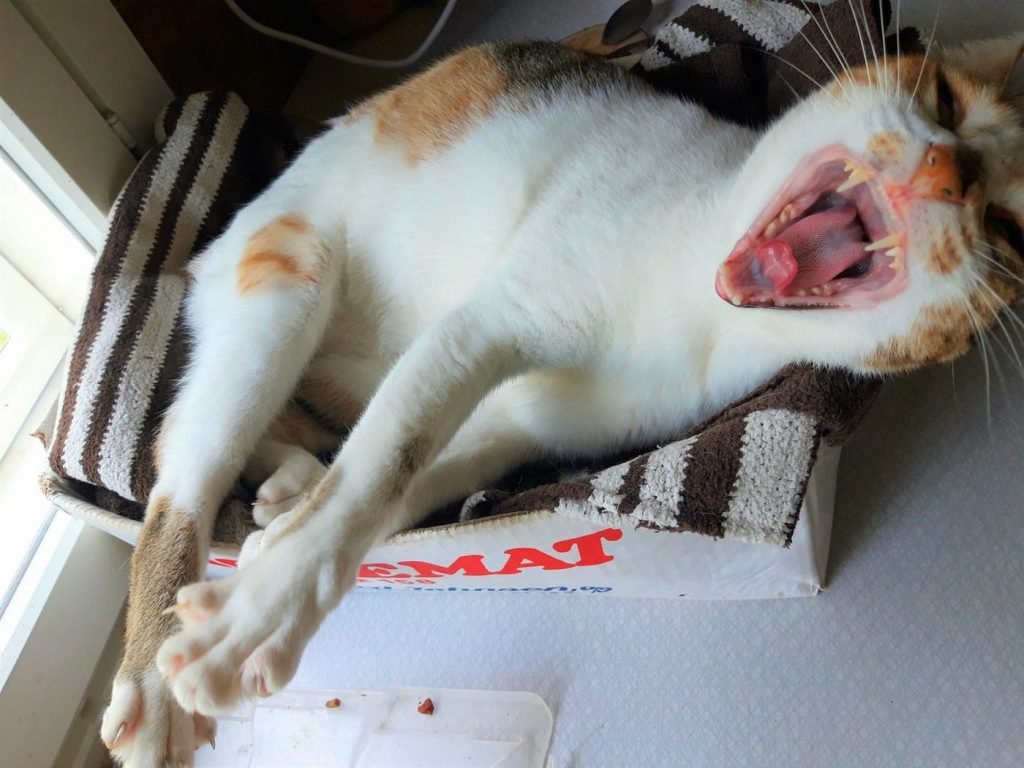
Have you ever wondered if your cat actually talks to other cats when it meows? You might think meowing is just something cats do to get your attention, but there’s more to it.
Understanding why cats meow at each other can give you a new glimpse into their secret world. If you want to know what those meows really mean and how your furry friend communicates beyond you, keep reading. This could change the way you see your cat forever.
Credit: medium.com
Cat Communication Basics
Cats use many ways to communicate with each other and with humans. Understanding these signals helps us know what they want or feel. Cats rely on sounds and body movements more than words. Each sound or gesture has a special meaning. Knowing these basics can explain why cats meow or stay silent around other cats.
Vocalizations And Their Meanings
Cats use different sounds to express feelings or needs. Meowing is mostly for humans, not other cats. Cats rarely meow at each other. Instead, they use hisses, growls, and purrs to talk with fellow cats. Each sound shows a mood or message:
- Hiss:Warning or fear.
- Growl:Anger or threat.
- Purr:Comfort or friendliness.
- Chirps and Trills:Greeting or attention call.
These vocalizations help cats stay safe and build relationships.
Body Language In Cats
Body language tells a lot about a cat’s feelings. Cats use tails, ears, eyes, and posture to send clear signs. Watching these can reveal their mood instantly:
- Tail Up:Happy and confident.
- Flattened Ears:Scared or angry.
- Slow Blinking:Trust and calmness.
- Arched Back:Defending or scared.
These signs are key for cats to avoid fights and make friends. They speak loud without a single word.
Meowing As A Unique Behavior
Meowing is a unique behavior mostly seen in domestic cats. It acts as a special way for cats to communicate, especially with humans. Unlike other animal sounds, meows can express many feelings. These include hunger, curiosity, and attention-seeking. Understanding meowing helps us better connect with our feline friends.
Evolution Of The Meow
Meowing likely evolved as a way for cats to interact with humans. Wild cats rarely meow to each other. Domestic cats use meows mostly to get our attention. This sound helps cats ask for food or affection. Over time, cats learned that meowing works well with people. It became a tool to express needs and emotions.
Meowing In Domestic Cats Vs. Wild Cats
Domestic cats meow more than wild cats. Wild cats usually use other sounds like growls or hisses. They rely on body language for communication. Domestic cats meow to communicate with humans, not other cats. Cats rarely meow at other cats. Instead, they use different sounds or gestures to talk to one another.
Why Cats Meow At Humans
Cats meow primarily to communicate with humans, not other cats. Unlike dogs, cats don’t use barking or growling to express themselves to people. Instead, meowing is a unique way your feline uses to grab your attention and send you specific messages.
Attention-seeking Behavior
Have you noticed your cat suddenly meowing loudly when you’re busy? Cats quickly learn meowing gets your focus. This behavior often happens because your cat wants you to stop what you’re doing and interact with them.
Think about a time when your cat meowed persistently until you petted or played with them. That’s their way of saying, “Hey, look at me!” It’s a smart tactic because meowing is effective at pulling you away from distractions.
Requests And Needs
Cats also use meowing to tell you about their needs. Whether they’re hungry, thirsty, or want the door opened, meows serve as clear requests.
For example, if your cat meows near their food bowl, they’re probably asking for a refill. Or if they meow at the door, it might mean they want to go outside or come back in.
Have you ever wondered why your cat’s meows change tone depending on what they want? You can learn to recognize these different sounds and respond better, improving your communication and relationship.
Credit: animals.howstuffworks.com
Do Cats Meow At Each Other?
Many cat owners wonder if cats meow at each other like they do with humans. The truth is, meowing is primarily a way cats communicate with people, not other cats. But does that mean cats never meow to one another? Let’s take a closer look.
Observations In Multi-cat Households
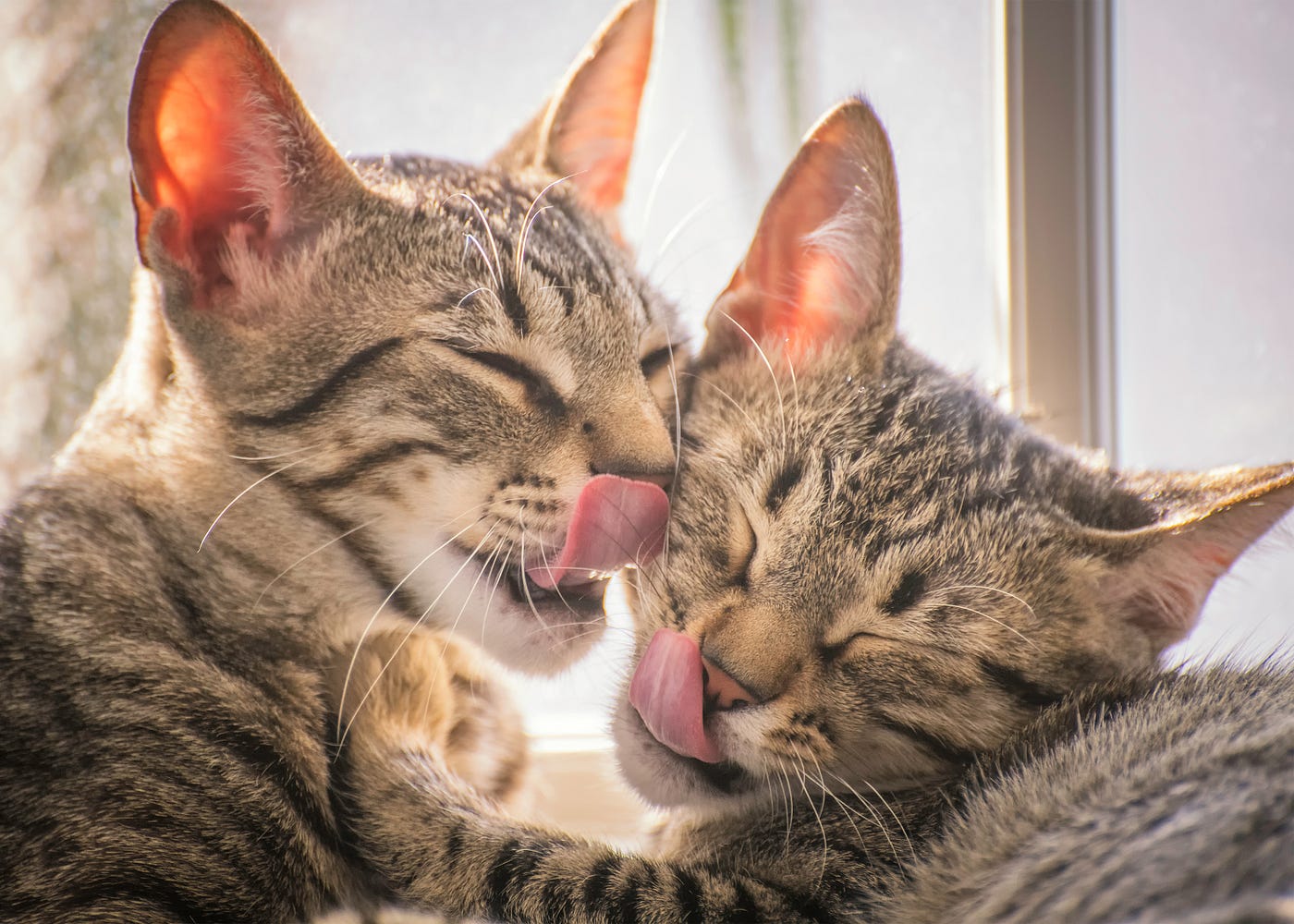
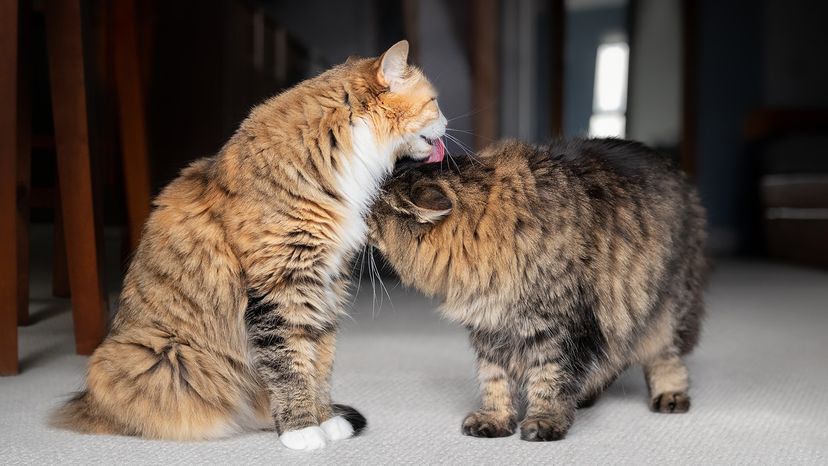
In homes with multiple cats, you might notice very little meowing between your feline friends. Instead, cats tend to use body language, hissing, growling, or subtle chirps when interacting with each other.
Some cats may meow softly at each other, especially if they are closely bonded or seeking attention together. However, this is rare and usually happens in the presence of their human family members.
Have you ever seen your cats meow back and forth? It’s more likely you’re witnessing a form of social bonding, but not a typical meow conversation like with humans.
Comparisons With Other Cat Sounds
Cats have a rich vocal repertoire beyond meowing, especially when communicating with other cats. You might hear growls, hisses, yowls, and trills instead.
These sounds serve different purposes:
- Growls and hisseswarn others to back off or signal discomfort.
- Yowlscan express distress or territorial disputes.
- Trills and chirpsoften indicate friendliness or a greeting.
So, if you want to understand what your cats are saying to each other, listen beyond the meows. Those other sounds carry the real messages between your furry companions.
Surprising Reasons For Cat Meows
Cats use meowing mainly to communicate with humans, not other cats. Yet, sometimes cats meow at each other. The reasons can be surprising. These meows can signal feelings or needs that are not obvious.
Understanding these reasons helps cat owners respond better. It also improves cat relationships and wellbeing.
Stress And Anxiety
Cats can meow due to stress or anxiety. Changes in their environment cause confusion or fear. New pets, loud noises, or moving homes are common triggers.
Meowing alerts others about their discomfort. It may also be a call for comfort or help. Stress meows often sound urgent or repetitive.
Health Issues And Discomfort
Sometimes meowing means a cat feels pain or illness. Cats cannot explain their discomfort in words. Meowing is their way to express it.
Illnesses, injuries, or age-related problems increase vocalization. Owners should watch for other signs like hiding or eating less. Prompt vet visits can prevent serious health problems.
Credit: medium.com
Interpreting Cat Meows
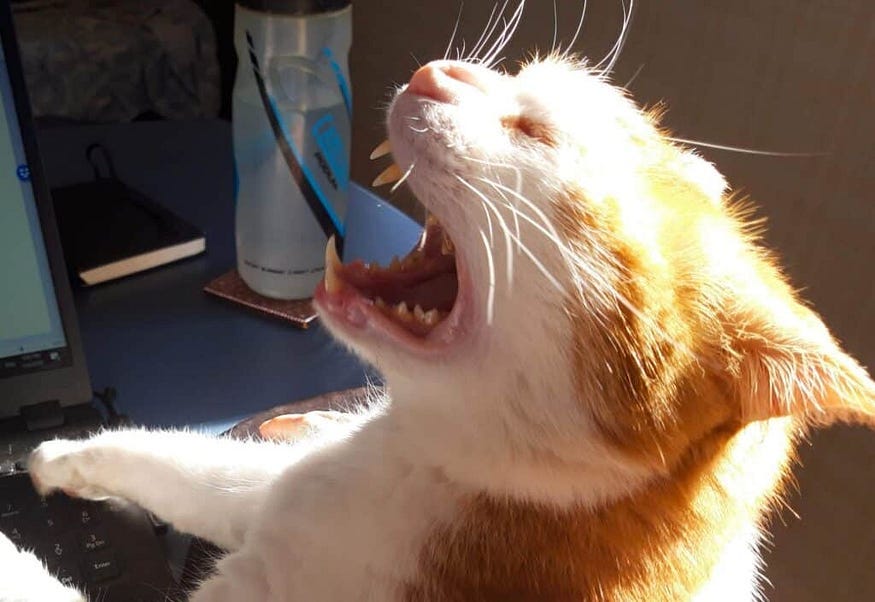
Understanding cat meows helps decode their feelings and needs. Cats use meows mainly to talk to humans, not other cats. Each meow has a unique sound that shows different emotions. Learning to interpret these sounds improves your bond with your cat. It also helps you respond better to their needs.
Recognizing Context And Tone
Cat meows change based on context and tone. A short, high-pitched meow often means greeting or excitement. A drawn-out meow may show demand or frustration. Soft meows can signal contentment or seeking attention. Loud, persistent meows might express discomfort or hunger.
Observe your cat’s body language with each meow. Tail position, ear movement, and eye shape give clues. Context matters too—meal time meows differ from playtime ones. Noting these details helps you understand what your cat wants.
Responding To Your Cat’s Meows
Responding correctly encourages positive communication. Calmly speak back using a gentle tone. This reassures your cat and builds trust. If your cat meows for food, check their bowl first. For attention, spend a few minutes petting or playing.
Avoid yelling or ignoring persistent meows. This can cause stress or confusion. Instead, try to meet their needs quickly and calmly. Over time, your cat will meow less and communicate better with you.
Frequently Asked Questions
Do Cats Meow To Communicate With Other Cats?
Cats rarely meow to communicate with other cats. They mostly use body language, scent, and sounds like hissing or growling to interact. Meowing is primarily a way cats communicate with humans, not with fellow cats.
Why Do Cats Meow At Humans, Not Other Cats?
Cats meow at humans to get attention, express needs, or show affection. They learn that meowing works with humans but not with other cats. This vocal behavior is a unique adaptation to living with people.
Can Adult Cats Meow At Each Other?
Adult cats generally do not meow at each other. Kittens meow to their mothers, but adult cats rely on other signals. Meowing between adult cats is uncommon and usually replaced by other communication methods.
How Do Cats Communicate With Each Other Instead?
Cats use body language, facial expressions, tail movements, and scent marking to communicate. They also hiss, growl, yowl, or purr to convey messages. These non-verbal cues are more effective between cats than meowing.
Conclusion
Cats usually do not meow at other cats to talk. They use other sounds and body language instead. Meowing is mostly for humans to understand them. Each cat is different, so some may meow around other cats sometimes. Watching how cats behave helps you learn their ways.
Understanding their communication improves your bond with them. Cats speak in many ways beyond just meowing. Pay attention and enjoy their unique voices and signals.
