

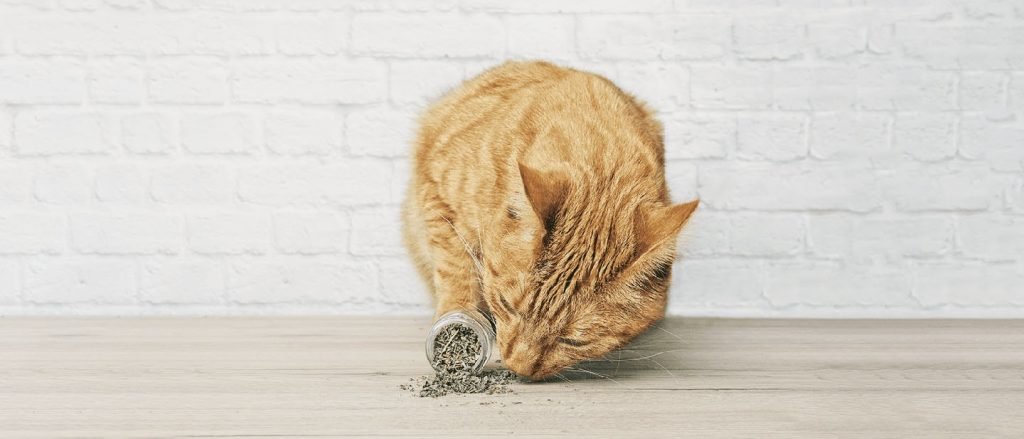
Have you ever wondered when your cat can start enjoying catnip? You might be curious if it’s safe to give to a kitten or if you should wait until they’re older.
Understanding the right age for catnip can help you keep your furry friend happy and healthy. You’ll discover exactly how old your cat needs to be before introducing catnip, along with some helpful tips to make the experience enjoyable for both of you.
Keep reading to learn what every cat owner should know!

Credit: www.animalhumanesociety.org
Catnip And Its Effects
Catnip is a plant that many cats find fascinating. It can cause noticeable changes in their behavior. Some cats become playful and energetic, while others may seem relaxed or even sleepy. These reactions happen because of a chemical in catnip called nepetalactone. This chemical affects a cat’s brain and triggers these unique responses.
Not all cats react the same way to catnip. Around 50% to 75% of cats show a response. Kittens and older cats may react differently or not at all. Understanding how catnip affects cats helps pet owners use it safely and wisely.
What Is Catnip?
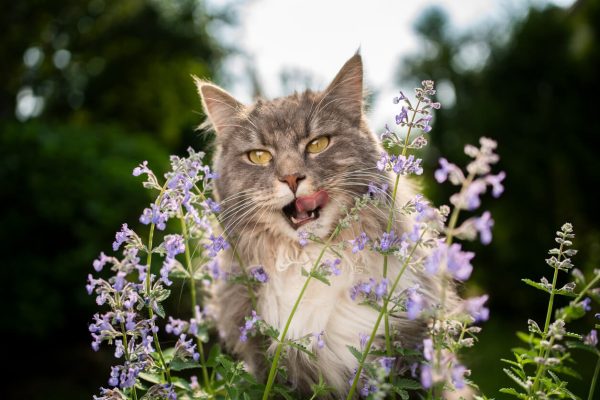
Catnip, or Nepeta cataria, is a herb from the mint family. It has a strong smell that cats love. The plant’s leaves and stems contain nepetalactone, which causes the reactions in cats. This herb grows wild in many parts of the world.
How Catnip Affects Cats
- Stimulates playful behavior
- Causes rolling, jumping, and purring
- May make cats relaxed or calm
- Effects last about 10 to 15 minutes
- No harmful or addictive effects
Why Some Cats Don’t React
Reaction to catnip depends on genetics. Some cats inherit the sensitivity gene, others do not. Young kittens under six months often lack the gene’s full expression. Older cats may lose interest or have reduced sensitivity. It is normal for certain cats to ignore catnip.

Credit: zigly.com
Age Factor In Catnip Response
Understanding the age factor in how cats respond to catnip can help you decide the right time to introduce it to your furry friend. Not all cats react the same way, and age plays a significant role in this behavior. Some cats may ignore catnip entirely until they reach a certain maturity.
At What Age Do Cats Typically React To Catnip?
Kittens usually don’t respond to catnip until they are about 3 to 6 months old. This is because sensitivity to catnip is inherited and develops as they grow. You might notice your kitten showing no interest at first, but that can change as their senses mature.
Why Don’t Younger Kittens Respond?
The active compound in catnip, nepetalactone, affects the brain receptors linked to play and excitement. These receptors are not fully developed in very young kittens. So, if your kitten ignores catnip, it’s likely due to their age and brain development, not disinterest.
How To Safely Introduce Catnip To Young Cats
Start offering a small amount of catnip once your kitten reaches about 3 months. Watch how they react and keep sessions short to avoid overstimulation. Using dried catnip, sprays, or toys infused with catnip can make the experience fun and safe.
Does Age Affect Catnip Sensitivity In Adult Cats?
Most adult cats will respond to catnip, but some may lose interest as they age. Sensitivity can vary widely; some older cats remain playful while others may become indifferent. Observing your cat’s behavior over time gives you the best clue about their current sensitivity.
What If Your Cat Never Reacts To Catnip?
About 30-50% of cats don’t respond to catnip at all, regardless of age. This lack of reaction is genetic and perfectly normal. If your cat doesn’t seem interested, you can try other safe herbs like silvervine or valerian root to see if they spark a playful mood.
Kitten Development Stages
Understanding the different stages of kitten development helps you decide the right time to introduce catnip safely. Each phase brings unique changes in behavior and sensitivity. Knowing these changes allows you to observe how your kitten might react to new stimuli like catnip.
Neonatal Phase
This phase lasts from birth to about two weeks old. Kittens are completely dependent on their mother and have their eyes and ears closed. They mainly focus on eating and sleeping during this time.
At this stage, kittens are not ready for catnip exposure. Their nervous systems are still developing, so introducing strong scents or stimuli could be overwhelming or stressful.
Transitional Period
Between two and four weeks, kittens open their eyes and begin to hear sounds. They start to explore their surroundings, wobbling on their feet.
While curiosity grows, their reactions remain unpredictable. Catnip might be too intense now, so it’s best to wait before offering it.
Socialization Stage
This stage, from four to twelve weeks, is critical for learning social skills. Kittens play with siblings and humans, learning boundaries and communication.
Introducing catnip toward the end of this period can be beneficial. You can observe how your kitten reacts in a playful setting, but start with small amounts.
Juvenile Phase
From three months to about six months, kittens become more independent and curious. Their responses to catnip become clearer and more consistent.
This is the ideal time to offer catnip occasionally. Watch how your kitten behaves—some may enjoy it, while others might not show interest.
Optimal Age For Catnip Introduction
Introducing catnip to your cat at the right age helps ensure a safe and enjoyable experience. Cats respond to catnip differently depending on their age and development. Knowing the optimal age helps you avoid any potential risks and maximize the fun your cat can have with this herb.
Most kittens do not react to catnip until they reach a certain age. Their sensitivity depends on genetics and maturity. Waiting until your cat is ready can prevent stress or confusion for your young pet.
Age When Cats Typically Start Responding To Catnip
Kittens usually begin to respond to catnip around 3 to 6 months old. Their sense of smell and nervous system must be developed enough. Before this age, catnip may have little to no effect.
Why Wait Until 3 To 6 Months?
Younger kittens are still growing and learning about their environment. Catnip can overstimulate them if introduced too early. Waiting allows their brains and bodies to handle new sensations better.
Signs Your Cat Is Ready For Catnip
- Shows curiosity about new smells
- Starts playing more actively
- Responds to other toys or herbs
When you notice these signs, it is usually safe to offer catnip. Always watch your cat’s reaction to ensure they stay calm and happy.
Signs Of Catnip Sensitivity
Understanding the signs of catnip sensitivity is key before introducing this herb to your cat. Not all cats react the same way, and some show clear signs of being affected while others might ignore it completely. Watching your cat’s behavior carefully can help you decide if catnip is a fun addition or something to avoid.
Physical Reactions To Catnip
One of the first things to look for is how your cat physically responds. Common signs include rolling around, rubbing their face on the catnip, or even licking and chewing the leaves. These actions show your cat is attracted to the scent and is experiencing the effects of catnip.
Some cats may also exhibit increased energy, jumping, or playful behavior. On the other hand, a few might become calm and relaxed instead. If your cat shows signs of distress like drooling excessively or appearing disoriented, it’s best to stop using catnip.
Behavioral Changes
Behavioral shifts are another clear indicator of catnip sensitivity. You might notice your cat acting more social, vocal, or affectionate after exposure. This can be a fun way for your cat to interact with you and their environment.
However, not all changes are positive. Watch for signs like aggression or anxiety, which suggest your cat is not enjoying the catnip experience. These behaviors can include growling, hissing, or hiding away immediately after contact with catnip.
How To Test Catnip Sensitivity Safely
To see if your cat is sensitive, offer a small amount of catnip in a controlled setting. Use a fresh catnip toy or sprinkle a tiny pinch on the floor and observe your cat’s reaction for 5-10 minutes. This limits overstimulation and helps you spot early signs of sensitivity.
Keep a close eye on your cat’s mood and physical state during the test. If your cat shows positive signs like playful energy or calmness, catnip can be a safe, enjoyable treat. If negative signs appear, it’s best to avoid catnip and consider other ways to enrich your cat’s playtime.
Alternatives For Younger Cats
Young cats may not respond well to catnip. Their senses are still developing. Many kittens show little to no interest in catnip until they are around six months old. Until then, other options can keep them entertained and happy. These alternatives provide safe ways for younger cats to play and explore.
Toys With Soft Textures
Soft, plush toys attract young cats. They love to cuddle and bite gentle materials. Toys with feathers or crinkly fabric also spark curiosity. These toys encourage active play and comfort.
Interactive Play Sessions
Using wand toys or laser pointers engages kittens. Interactive play helps them exercise and bond with owners. Short, frequent playtimes suit their energy levels best.
Herbs Safe For Kittens
Silver vine and valerian root can excite young cats. These herbs offer mild effects similar to catnip. Always check for allergies or sensitivities before use.
Scratching Posts And Climbing Trees
Scratching posts keep claws healthy and satisfy natural instincts. Climbing trees provide exercise and a safe place to explore. These encourage physical activity and mental stimulation.
Simple Puzzle Feeders
Puzzle feeders challenge young cats to find treats. They boost mental skills and reduce boredom. Use small, healthy treats to keep kittens interested.
Safety Considerations
Safety is the top priority before giving your cat any catnip. Cats react differently to catnip, and some may be more sensitive than others. Understanding safety helps prevent health problems and keeps your cat happy. Always watch your cat’s behavior and health after exposure to catnip. Here are important safety aspects to consider.
Overconsumption Risks
Too much catnip can cause upset stomach or vomiting. Some cats may become overly excited or aggressive after eating too much. Limit catnip use to small amounts and short sessions. Observe your cat for signs like drooling, lethargy, or diarrhea. Stop giving catnip if your cat shows any negative reaction. Moderation is key to safe catnip enjoyment.
Environmental Factors
Catnip should be given in a calm, safe space. Avoid areas with loud noises or other pets that may stress your cat. Clean the area regularly to prevent mold or bacteria growth on catnip toys or plants. Store catnip properly in a dry, sealed container. Fresh catnip is safer and more effective than old or damp catnip. A peaceful environment helps your cat relax and enjoy catnip safely.
Credit: www.rover.com
Choosing Quality Catnip Products
Choosing quality catnip products is important for your cat’s safety and enjoyment. Not all catnip is created equal. Some products contain fillers or low-quality leaves. High-quality catnip gives a stronger scent and better reaction from your cat.
Good catnip products come from fresh, organically grown plants. They are free from pesticides and chemicals. The packaging should keep the catnip fresh and aromatic. Always check for clear labels and expiration dates.
Check For Organic Certification
Organic catnip is grown without harmful chemicals. This means it is safer for your cat to chew and play with. Look for products labeled as 100% organic. This guarantees no pesticides or synthetic fertilizers were used.
Look For Freshness And Aroma
Fresh catnip has a strong, pleasant smell. Dull or weak scent means the catnip is old or low quality. Choose products with airtight packaging to preserve freshness. Avoid packages that are torn or damaged.
Read Ingredient Lists Carefully
Quality catnip products contain only catnip leaves and flowers. Avoid products with fillers like dust or stems. Some products add other herbs, which may not be safe. Always pick pure catnip without added ingredients.
Consider The Form Of Catnip
- Dried loose catnip: Easy to sprinkle on toys or scratching posts.
- Catnip sprays: Good for refreshing old toys or bedding.
- Catnip-filled toys: Convenient and ready to use.
Choose the form that suits your cat’s preferences and your needs.
Engaging Playtime Ideas
Engaging playtime keeps cats active and happy. It helps build their strength and sharpens their senses. Cats enjoy different toys and activities that mimic hunting and exploring. Offering varied play options prevents boredom and encourages natural behavior.
Interactive Toys With Catnip
Toys filled with catnip attract cats and stimulate their interest. They invite cats to chase, pounce, and bat the toy around. Small stuffed mice or balls with catnip are great choices. Observe your cat’s reaction to catnip toys before regular use.
Feather Wands And Laser Pointers
Feather wands mimic the movement of birds. Cats love to jump and swipe at the feathers. Laser pointers create a quick, moving dot for cats to chase. Always end the game by letting the cat catch a tangible toy to avoid frustration.
Diy Play Areas
Create simple play zones using cardboard boxes or tunnels. Cats love hiding and running through these spaces. Add catnip or toys inside boxes for extra fun. Changing the setup keeps the environment exciting and fresh.
Scheduled Play Sessions
Short, frequent playtimes fit best into a cat’s day. Try 10-15 minutes twice daily to keep your cat engaged. Consistent play builds a strong bond and maintains your cat’s health. Always watch for signs of tiredness or disinterest.
Frequently Asked Questions
How Old Should Cats Be To React To Catnip?
Cats usually start reacting to catnip at around 3 to 6 months old. Kittens younger than this often show no response because their sensitivity to catnip develops with age. This is due to genetic and neurological maturity, making reactions more prominent as they grow.
Why Don’t Some Cats Respond To Catnip?
About 30% to 50% of cats lack the gene needed to react to catnip. This genetic trait means they won’t show interest or behavioral changes when exposed. Their reaction depends on heredity, not age or environment.
Can Kittens Safely Play With Catnip?
Yes, kittens can play with catnip once they are about 3 months old. However, it’s best to introduce catnip in small amounts to monitor their reaction. Overuse can cause mild digestive upset, so moderation is key.
Does Catnip Affect All Cat Breeds The Same Way?
Most cat breeds respond similarly to catnip, but individual sensitivity varies. Some breeds may show stronger reactions due to genetics. Reaction intensity is more about the cat’s DNA than the breed itself.
Conclusion
Cats usually start enjoying catnip at about three to six months old. Younger kittens might not react much to catnip. Each cat is different, so some may respond later or not at all. Always watch your cat’s behavior with catnip.
Use it in small amounts to keep playtime safe and fun. Catnip can bring joy and activity to your cat’s day. Remember, patience helps you understand your cat’s unique reaction to catnip.
