

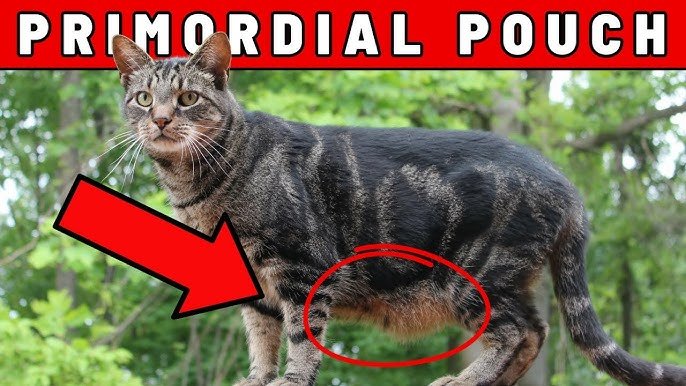
Have you ever noticed that soft flap of skin hanging loosely on your cat’s belly? That curious feature is called the primordial pouch, and it might have you wondering—when does your cat develop this unique part of their body?
Understanding when and why this pouch appears can give you a deeper insight into your furry friend’s health and behavior. Keep reading, because uncovering the secrets behind your cat’s primordial pouch could change the way you see your pet forever.
What Is A Primordial Pouch?
The primordial pouch is a loose flap of skin found on the belly of many cats. It hangs below the stomach and can vary in size. This pouch is a natural part of a cat’s body structure, not a sign of weight gain or illness.
Many cat owners notice this pouch and wonder about its purpose and origin. Understanding the primordial pouch helps in recognizing normal cat anatomy. It also explains why cats have extra skin that looks unusual to some people.
Physical Characteristics Of The Primordial Pouch
The primordial pouch looks like a soft, hanging flap of skin. It often runs along the lower belly, from the hind legs toward the chest. The skin is loose and can move freely.
This pouch usually has a different texture than the surrounding fur. It is not tight or firm but soft and flexible. Sometimes, it may also have a slight bulge or fold.
Reasons Cats Have A Primordial Pouch
The pouch helps protect cats during fights or hunting. It shields vital organs from bites or scratches. The extra skin allows cats to stretch and move easily when running or jumping.
It also stores fat, which can serve as energy during lean times. This feature is inherited from wild ancestors. It helped them survive in tough environments with scarce food.
Common Misunderstandings About The Primordial Pouch
- Not a sign of obesity or poor health
- Not a result of pregnancy or age
- Does not indicate loose skin from weight loss
Many people mistake the pouch for fat or illness. Knowing its true nature prevents unnecessary worry. It is a normal and healthy part of a cat’s body.
Credit: www.chewy.com
Early Kitten Development
Early kitten development is a fascinating stage full of rapid changes and growth. This period lays the foundation for many physical traits, including the development of the primordial pouch. Watching kittens grow during these first weeks offers clues about when and how this unique feature starts to form.
Birth To 2 Weeks
During the first two weeks, kittens are mostly focused on survival. They rely entirely on their mother’s care and are not yet mobile. At this stage, the primordial pouch is barely noticeable, as their bodies are still very soft and fragile.
You might wonder why the pouch doesn’t appear immediately. The reason is that the skin and muscle layers are still developing. The pouch will become more defined as the kitten grows stronger and starts moving more.
2 To 4 Weeks
Between two and four weeks, kittens begin to explore their surroundings. Their muscles strengthen, and their coordination improves. This increased activity encourages the growth of the primordial pouch, making it more visible as the skin stretches and the underlying tissues form.
Have you noticed how kittens start to wiggle and stretch more during play? These movements help shape the pouch, which later serves important functions like flexibility and protection. Observing your kitten’s early play can give you hints about how their body is adapting and growing.
Juvenile Growth Phase
The juvenile growth phase is a fascinating time for your cat’s development. During this period, many physical changes occur, including the gradual appearance of the primordial pouch. Understanding when and how this pouch develops can help you better care for your growing feline friend.
1 To 3 Months
In the first three months, kittens are growing rapidly but the primordial pouch is not very noticeable yet. Their bodies are still small and compact, focusing more on building muscle and coordination.
You might see a slight loose skin along their belly, but it’s mostly hidden under their fluffy fur. This stage is crucial for activity and play, which helps strengthen their muscles and prepare the pouch for future growth.
3 To 6 Months
Between three and six months, you may start spotting the primordial pouch more clearly. It appears as a soft, loose flap of skin hanging along the lower belly.
This pouch isn’t fat—it’s a natural part of your cat’s anatomy that allows for flexibility and protection. Have you noticed your cat stretching or running fast? That pouch helps them move freely and absorb impacts during their energetic antics.
Watching your cat at this stage gives you clues about their health and growth. If the pouch seems unusually large or small, it might be worth a quick check with your vet to ensure everything’s on track.

Credit: www.threads.com
Adolescent Changes
As your cat grows from a playful kitten into a sleek adolescent, you might notice subtle changes in their body shape. One of these changes is the development of the primordial pouch—a loose flap of skin along their belly. Understanding when this pouch appears can help you tell if your cat is healthy and growing normally.
6 To 9 Months
Between 6 and 9 months, many cats start showing early signs of the primordial pouch. It might look like a soft, slightly hanging skin fold along the lower abdomen.
At this stage, the pouch is usually small and easy to miss, especially if your cat is active and lean.
You may wonder if this pouch means your cat is overweight, but it’s actually a normal part of their growth.
9 To 12 Months
By the time your cat is 9 to 12 months old, the primordial pouch becomes more noticeable.
It tends to hang a bit lower and feels more flexible when you gently touch it.
This pouch serves several purposes, such as protecting vital organs during play or fight and allowing your cat to stretch its body more comfortably.
Have you observed your cat stretching or jumping and noticed how the skin moves? That’s your cat’s primordial pouch doing its job.
Adult Cat Development
Adult cats go through different stages of growth and change. One interesting change is the development of the primordial pouch. This loose skin flap on the belly becomes more noticeable as cats grow older. It is a natural part of their body and serves important functions.
1 To 2 Years
Most cats start showing their primordial pouch between one and two years old. At this age, their bodies mature, and the pouch becomes more visible. It may look like extra skin or a soft flap along the belly. This pouch does not mean the cat is overweight. Instead, it allows more flexibility and protection during activities like running and hunting.
Factors Influencing Pouch Formation
Several factors affect how the primordial pouch forms in adult cats. These include:
- Breed:Some breeds have more pronounced pouches than others.
- Activity Level:Active cats may have a more flexible pouch for movement.
- Weight:While not a sign of fat, a heavier cat might have a larger pouch.
- Genetics:The pouch size and shape can run in families.
The primordial pouch helps protect vital organs and allows the cat to stretch easily. It is a natural part of adult cat development and varies from cat to cat.

Credit: medium.com
Role Of Genetics
Genetics play a key role in when and how cats develop their primordial pouch. This loose flap of skin along a cat’s belly isn’t just random; it’s inherited. Understanding your cat’s genetic background can help you predict when this feature might appear and why it varies among different breeds.
How Genes Influence Primordial Pouch Development
Some genes control skin elasticity and fat distribution, which directly affect the size and shape of the primordial pouch. Cats with certain genetic traits naturally develop a more prominent pouch as they mature. This isn’t linked to weight alone but to inherited body structure.
Think about your own cat or cats you’ve known. Have you noticed that some cats get this pouch early while others barely show it? This difference often comes down to genetics more than diet or environment.
Breed-specific Genetic Traits
Different cat breeds carry unique genetic markers that influence the primordial pouch. For example, breeds like the Bengal and Savannah often show a more pronounced pouch due to their wild ancestry. Meanwhile, short-haired domestic cats might have smaller or less noticeable pouches.
- Bengal cats: larger, more flexible pouches
- Savannah cats: pouch linked to hunting agility
- Domestic shorthairs: less prominent but still present
Does your cat’s breed give clues about its pouch? Knowing this can guide you in understanding what to expect as your cat grows.
Genetics Vs. Environment: What Matters More?
While genetics set the foundation, environment and lifestyle also play roles in pouch development. Cats that are active hunters or climbers might develop stronger, more elastic pouches. However, without the right genetic makeup, these activities alone won’t create a significant pouch.
Have you ever wondered why two cats raised in the same home look so different? Their genes are the blueprint, but how they live can highlight or hide certain traits like the primordial pouch.
Health And Nutrition Impact
The primordial pouch is a natural part of your cat’s anatomy, but its size and condition can be influenced by health and nutrition. Understanding this impact helps you spot whether changes in your cat’s pouch are normal or signs of health issues. You might be surprised how diet and activity levels play a role in this often overlooked feature.
How Nutrition Affects The Primordial Pouch
Your cat’s diet directly influences fat distribution, including the primordial pouch area. Cats fed high-calorie or unbalanced diets may develop a larger pouch due to excess fat storage. On the other hand, a well-balanced diet with appropriate protein and fat levels supports healthy muscle tone under the pouch.
Have you noticed changes in your cat’s pouch size after switching foods? This could be your cat’s body reacting to new nutrient levels or calorie intake. Monitoring these changes can give you clues about your cat’s overall health.
Exercise And Its Role In Pouch Development
Physical activity affects muscle development beneath the primordial pouch. Cats that stay active tend to have a firmer pouch, while sedentary cats may show a more pronounced flap due to weaker muscles. Encouraging play and movement can help maintain a healthy pouch shape.
Think about your cat’s daily routine—does it get enough exercise? Adding interactive toys or short play sessions might not only improve its fitness but also the appearance of the primordial pouch.
Signs That Warrant A Vet Check
A sudden increase in pouch size or firmness can signal health problems like obesity, fluid retention, or even tumors. If you observe unusual swelling, redness, or your cat seems uncomfortable when you touch the pouch, it’s time to consult your vet. Early detection often leads to better treatment outcomes.
Have you ever felt unsure about whether the pouch feels normal? Keep a mental note of your cat’s usual pouch size and texture during grooming sessions. This simple habit can help you notice subtle changes early.
Myths And Misconceptions
The primordial pouch in cats often sparks confusion. Many people do not understand its purpose or timing. This leads to myths and wrong ideas about when and why it appears. Clearing up these misconceptions helps cat owners better care for their pets.
Primordial Pouch Means Cat Is Overweight
Many think the pouch shows fat or obesity. It is not true. The pouch is a loose flap of skin. It protects the cat’s belly during fights or quick movements. Even slim cats have it.
Only Older Cats Develop The Pouch
Some believe the pouch appears only in senior cats. The pouch is present from kittenhood. It grows as cats mature, usually visible by six months. Age does not cause it to form suddenly.
Primordial Pouch Is A Sign Of Illness
Owners sometimes worry the pouch means sickness. The pouch is a normal part of cat anatomy. It does not signal health problems. If the pouch changes shape or size suddenly, check with a vet.
The Pouch Prevents Cats From Getting Pregnant
This is a common myth with no scientific basis. The pouch has no role in reproduction. Female cats can get pregnant regardless of the pouch size or shape.
Frequently Asked Questions
When Do Cats Start Developing A Primordial Pouch?
Cats typically develop a primordial pouch between 6 months to 1 year of age. It becomes more noticeable as they mature into adulthood. This pouch is a normal part of their anatomy and varies in size among individual cats.
What Is The Purpose Of A Cat’s Primordial Pouch?
The primordial pouch provides extra skin and protection during fights or hunting. It also allows greater flexibility and movement. This pouch helps cats stretch and run without injury to their abdomen.
Does Every Cat Have A Primordial Pouch?
Most domestic cats have a primordial pouch, but its size and visibility vary. Some cats show a prominent pouch, while others have a subtle one. It is a normal anatomical feature in almost all healthy cats.
Can A Primordial Pouch Indicate A Cat’s Health?
A primordial pouch is usually normal and not a health concern. However, sudden changes in size or shape might indicate weight gain or health issues. Always consult a vet if you notice unusual changes.
Conclusion
Cats develop their primordial pouch as they grow older. It usually appears after six months of age. This pouch helps protect their belly when they jump or run. It also gives them extra skin for stretching and moving. Not all cats have a very noticeable pouch.
It is a natural part of their body. Understanding this helps pet owners care for their cats better. Watch your cat’s body changes with time. The primordial pouch shows your cat is healthy and growing.
