

Have you ever wondered about the strange and surprising facts behind your cat’s body? One question that might have popped into your mind is, “Do cats have penises?” It’s not something people often talk about, but understanding this can help you know your furry friend better.
If you’re curious about your cat’s anatomy or just want to satisfy your curiosity, keep reading. You’ll discover some fascinating and unexpected details that will change the way you see your pet forever.

Credit: www.reddit.com
Anatomy Of Male Cats
The anatomy of male cats is unique and interesting. It plays a key role in their behavior and reproduction. Understanding their body structure helps answer common questions about cats.
Male cats have a reproductive system designed for mating and fertilization. Their anatomy is different from female cats, especially in the genital area. Knowing these differences clarifies many myths and facts about cats.
Anatomy Of The Male Cat’s Reproductive Organs
Male cats have testes located outside the body in the scrotum. These produce sperm and male hormones. The penis is present but often hidden by fur and skin. It has small barbs that help during mating.
Unique Features Of The Male Cat’s Penis
The penis of a male cat is covered with tiny backward-facing spines. These spines help stimulate the female cat during mating. They also encourage ovulation in the female. The penis usually stays inside the body until mating occurs.
How The Male Cat’s Anatomy Affects Behavior
Testosterone from the testes influences male cat behavior. It causes marking, fighting, and roaming. Neutering removes the testes, reducing these behaviors. The anatomy is closely linked to instincts and actions.
Understanding Feline Reproductive Organs
Understanding the reproductive organs of cats helps you better care for their health and behavior. Male and female cats have distinct reproductive systems that play key roles in their growth and mating habits. Knowing these differences can clear up common questions, like whether cats have penises and how their anatomy works.
Male Feline Reproductive Anatomy
Male cats do have penises, but their structure is quite different from what you might expect. A unique feature is the presence of tiny, backward-facing barbs on the penis. These barbs stimulate ovulation in female cats during mating.
The penis is usually retracted inside the body and only becomes visible during mating or certain medical exams. This retracted position helps protect it from injury.
Female Feline Reproductive Anatomy
Female cats have a complex reproductive system designed for multiple litters per year. Their ovaries release eggs that travel through the fallopian tubes to the uterus. The uterus in cats is Y-shaped, which allows for the development of several kittens at once.
Understanding this system helps explain behaviors like heat cycles and why female cats may vocalize or act differently during those times.
How Feline Reproductive Organs Influence Behavior
Reproductive organs don’t just influence physical traits—they impact behavior too. Male cats often spray or mark territory, a behavior tied to their reproductive drive. Females in heat may become more vocal or affectionate, signaling they’re ready to mate.
Recognizing these signs can help you decide when to spay or neuter your cat, which also affects their health and behavior positively.
Differences Between Male And Female Cats
Understanding the differences between male and female cats helps you care for your pet better. It also clears up common questions, like whether cats have penises and how their bodies differ. These differences are not just physical; they can affect behavior and health too.
Physical Characteristics
Male cats usually have larger bodies and broader heads than females. You might notice their cheeks appear puffier, especially if they are unneutered. Female cats tend to be smaller and more slender.
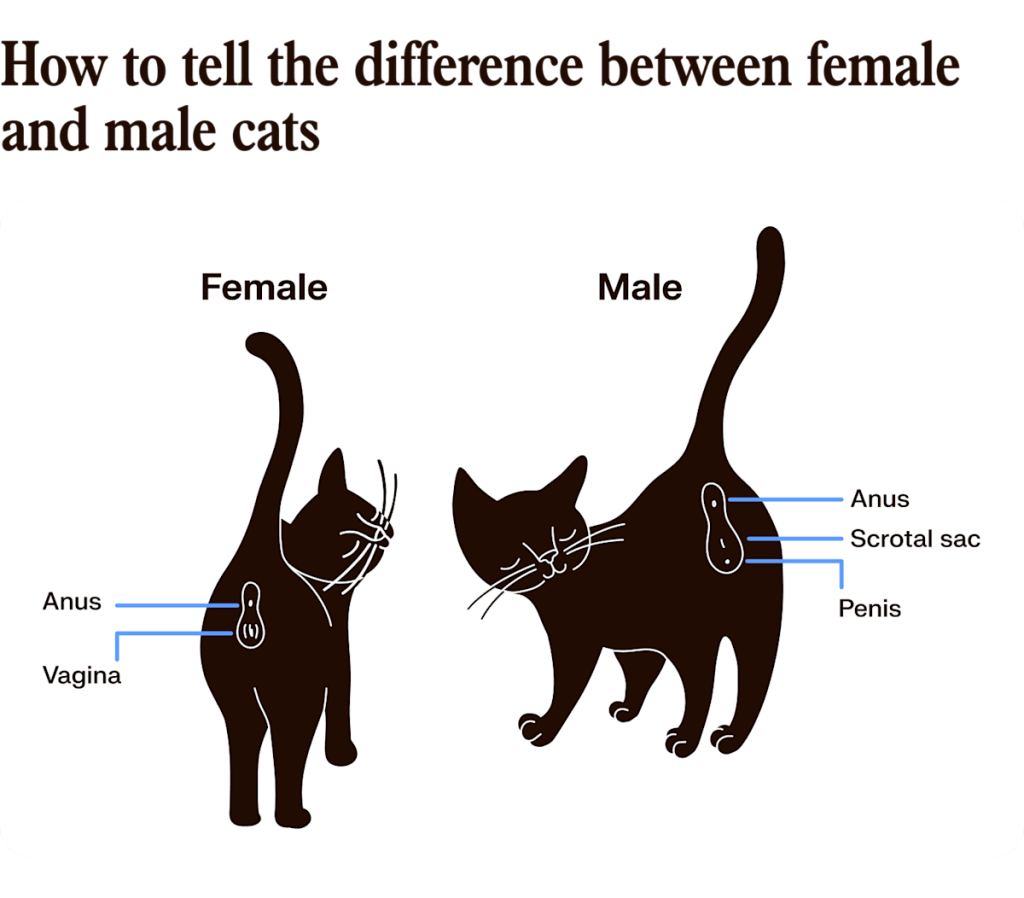
One key physical difference is visible below the tail. Male cats have a greater distance between the anus and the genital opening compared to females. This space often makes it easier to spot a male cat’s penis, especially in adult cats.
Reproductive Anatomy
Male cats have a penis, which is usually hidden unless they are aroused or during mating. It’s covered with tiny, backward-facing barbs that help stimulate the female during breeding. This unique feature is important to know if you ever handle cats during mating season.
Female cats have a vulva located just below the anus. Unlike males, their genital opening is closer to the anus, making the area appear smaller and less prominent. Understanding this helps you distinguish sexes, especially in kittens.
Behavioral Differences
Male cats often roam more and may spray urine to mark territory, especially if they are not neutered. Females usually show less territorial behavior, but they can become vocal and restless when in heat. Recognizing these behaviors helps you manage your cat’s needs better.
Have you noticed any behavior in your cat that made you wonder about their sex? Sometimes behavior can give clues even before physical traits are obvious.
Behavioral Traits Of Male Cats
Male cats display distinct behaviors that can help you understand their nature better. Their actions often reflect their biological traits and instincts. Observing these behaviors can offer clues about their health, mood, and social status.
Territorial Marking And Scent Spraying
Male cats often mark their territory by spraying urine. This behavior is more common in unneutered males but can sometimes appear in neutered cats too. It’s their way of communicating ownership and warding off other males.
If you notice this behavior in your home, think about how your cat feels about its environment. Is there a new pet or visitor triggering this? Understanding the cause helps you manage or reduce the marking.
Vocalizations And Calling
Male cats tend to be more vocal, especially when seeking a mate. You might hear loud yowling or persistent meowing at certain times. This is their way of announcing presence and attracting females.
Have you ever noticed your male cat’s volume increase at night? This natural calling behavior can be managed by neutering, which often reduces these intense vocalizations.
Playfulness And Aggression
Male cats can be playful but sometimes show aggressive tendencies. Play often mimics hunting or fighting behaviors, which help them practice survival skills. However, unchecked aggression can lead to injury or stress.
Recognize the difference between playful and aggressive behavior by watching body language. Ears back and puffed fur indicate aggression, while relaxed posture means play. Providing toys and safe spaces can help channel their energy positively.
Social Interactions And Dominance
Male cats often establish dominance through physical displays or subtle cues. They may challenge other males or assert control over shared spaces. This behavior helps maintain hierarchy within multi-cat households.
Have you seen your male cat assert himself with a stare or gentle swat? These interactions are his way of setting boundaries. Respecting these signals can reduce conflicts and promote harmony.
Impact Of Neutering On Behavior
Neutering significantly affects male cat behavior by reducing hormones linked to aggression and mating drives. Many behaviors like spraying and loud vocalizing decrease post-surgery. It also lowers the risk of roaming and fights.
If your male cat shows intense territorial or mating behaviors, neutering might help calm him. It’s a practical step to improve his quality of life and your peace of mind.
Health Concerns In Male Cats
Understanding health concerns in male cats is essential for any cat owner. Male cats have unique anatomical features that can lead to specific medical issues if not monitored closely. Knowing what to watch for helps you keep your feline friend healthy and comfortable.
Common Issues
One of the most frequent health problems in male cats involves the urinary tract. Blockages can occur due to crystals or stones, which can be life-threatening if not treated quickly.
Another concern is infections or inflammation in the penis or surrounding areas. These can cause discomfort and sometimes lead to more serious complications.
Some male cats also face challenges with their reproductive organs, including testicular tumors or injuries. Early detection improves treatment outcomes significantly.
Preventive Care
Regular veterinary check-ups are vital for spotting problems early. Your vet can perform simple exams to ensure your cat’s urinary and reproductive health is on track.
Feeding your cat a balanced diet tailored for urinary health can reduce the risk of blockages. Have you noticed how diet changes can impact your cat’s wellbeing?
Keeping your cat hydrated also plays a major role. Make sure fresh water is always available, as it helps flush out the urinary system.
Pay close attention to your cat’s behavior. Changes in urination habits or signs of pain should prompt a vet visit without delay.

Credit: www.reddit.com
Myths About Male Cat Anatomy
Many people have wrong ideas about male cat anatomy. These myths cause confusion and misunderstanding. Knowing the facts helps you care for cats better. Male cats do have penises, but they are different from humans. Understanding these differences is important.
Common Misbelief: Male Cats Lack Penises
Some think male cats do not have penises. This is false. Male cats have a penis, but it is usually hidden inside the body. It only becomes visible during mating or urination. This hidden nature causes the myth.
Why Male Cat Penises Are Different
The male cat’s penis has tiny barbs. These barbs help during mating by stimulating the female cat. This feature is unique to cats and some other animals. It might sound strange but plays a role in reproduction.
Confusion About Cat Genitalia
People often confuse the male cat’s penis with other body parts. The visible area under the tail includes the anus and scrotum. The penis is smaller and less obvious. This confusion spreads wrong information.
How Neutering Affects Male Cat Anatomy
Neutering does not remove the penis. It only removes the testicles. Neutered cats keep their penis but lose reproductive ability. This fact counters some myths about changes after neutering.
Spaying And Neutering Benefits
Spaying and neutering cats bring many benefits to pets and their owners. These procedures help control the pet population and improve cats’ quality of life. They also reduce unwanted behaviors and lower health risks. Understanding these benefits encourages responsible pet care and helps cats live happier, healthier lives.
Impact On Behavior
Neutered cats tend to be calmer and less aggressive. They are less likely to roam far from home. This reduces the risk of fights and injuries. Spaying stops female cats from going into heat. This means fewer loud yowling and restlessness. Both procedures help lower marking territory with urine. Overall, cats become easier to manage and more affectionate.
Health Advantages
Spaying female cats prevents uterine infections and reduces breast cancer risk. Neutering male cats stops testicular cancer and lowers prostate issues. Both surgeries help cats live longer by avoiding serious illnesses. Early spaying and neutering also prevent unwanted pregnancies. This reduces the number of homeless cats and shelters’ burden. Regular vet care after surgery keeps cats healthy and active.
How To Identify A Male Cat
Knowing whether your cat is male can be helpful for many reasons, from understanding behavior to planning proper care. Identifying a male cat isn’t always straightforward, especially with kittens or long-haired breeds. But there are clear signs you can look for to make it easier.
Physical Indicators
Male cats typically have a noticeable space between the anus and the genital opening. This distance is usually greater than in females, making it a key sign you can check by gently lifting the tail.
You might see small testicles just below the anus if the cat is mature and not neutered. These can be round and firm, often hidden by fur but still detectable with careful observation.
Color patterns can also offer clues. For example, most calico or tortoiseshell cats are female, so if your cat has those colors, it’s likely not male. Still, color alone isn’t a definitive indicator.
Behavioral Clues
Male cats often display specific behaviors like marking territory with spray urine. This is more common in unneutered males but can occur sometimes in neutered cats as well.
They may also be more prone to roam or exhibit aggressive play, especially if they haven’t been neutered. However, individual personality varies widely, so this isn’t a foolproof method.
Have you noticed your cat rubbing against furniture or people more frequently? Males tend to do this to spread their scent, a subtle hint at their gender if other signs are unclear.
When To Consult A Veterinarian
Knowing when to consult a veterinarian is important for your cat’s health. Cats may hide pain or discomfort, so watch for signs carefully. Early vet visits help prevent serious issues. Pay attention to your cat’s behavior and physical condition. Some problems need prompt medical attention.
Signs Of Pain Or Discomfort
Look for unusual licking or biting around the genital area. Swelling or redness can indicate infection or injury. If your cat cries out or pulls away when touched, it may be in pain. Changes in posture or movement also signal discomfort.
Changes In Urination Habits
Straining to urinate or frequent attempts without success require vet care. Blood in urine or strong odor can mean infection or blockage. Avoid delays; urinary issues can be life-threatening.
Visible Abnormalities
Check for lumps, bumps, or discharge near the penis or genital area. Unusual growths or wounds need professional evaluation. Persistent problems should never be ignored.
Behavioral Changes
Your cat may become restless, aggressive, or withdrawn. Loss of appetite or hiding more often signals illness. These changes often accompany physical problems.
Post-surgical Or Neutering Concerns
After neutering, watch for excessive swelling or bleeding. Any foul smell or discharge should be examined by a vet. Follow all aftercare instructions closely to prevent complications.

Credit: www.reddit.com
Frequently Asked Questions
Do Male Cats Have Penises?
Yes, male cats have penises. Their penises are small and covered with tiny spines. These spines help stimulate ovulation in female cats during mating.
How Is A Cat’s Penis Different From Humans?
A cat’s penis has backward-facing spines, unlike humans. These spines ensure a successful mating process by triggering hormonal responses in female cats.
Can You See A Cat’s Penis Easily?
No, a cat’s penis is usually hidden under fur and skin. It only becomes visible during mating or when the cat is very relaxed.
Why Do Cats Have Spines On Their Penises?
The spines help induce ovulation in female cats. This biological trait increases the chances of successful reproduction in cats.
Conclusion
Cats do have penises, but they differ from humans. Male cats’ penises have tiny barbs, which help during mating. This feature is unique and important for cat reproduction. Understanding this helps you learn more about cat behavior. Knowing such facts makes pet care easier and more interesting.
Cats are fascinating animals with many surprises. Keep exploring to discover more about your furry friend.
