


Are you wondering if your cat really needs a litter box? You might think it’s obvious, but the truth is more interesting than you expect.
Whether you’re a new cat owner or just curious, understanding why litter boxes matter can save you from unwanted messes and keep your home fresh. Stick around, and you’ll discover simple tips to make your cat—and your life—happier. Ready to find out what every cat owner should know?
Let’s dive in!
The Importance Of Litter Boxes
Litter boxes play a key role in a cat’s daily life. They provide a clean and safe spot for cats to relieve themselves. Without a litter box, cats might choose less suitable places to go. This can lead to problems for both cats and their owners.
Using a litter box helps keep your home clean. It also supports your cat’s health and comfort. Cats naturally seek out a private place to do their business. A litter box meets this need perfectly.
The Role Of Litter Boxes In Cat Hygiene
Litter boxes help cats stay clean and healthy. Cats cover their waste, which controls smells and bacteria. This behavior keeps their environment tidy and reduces the spread of germs. A well-maintained litter box lowers the risk of infections for your cat.
How Litter Boxes Support Your Cat’s Comfort
Cats feel secure using a litter box. It offers privacy and a familiar spot. This comfort reduces stress and anxiety. A stressed cat may stop using the litter box, leading to accidents around the house.
Preventing Behavioral Problems With Litter Boxes
When cats have no proper place to relieve themselves, problems arise. They may urinate outside the box or scratch furniture. Providing a clean litter box helps prevent these issues. It also strengthens the bond between you and your pet.
Choosing The Right Litter Box
Choosing the right litter box can make a huge difference in your cat’s comfort and your home’s cleanliness. It’s not just about picking any box off the shelf; the right one fits your cat’s needs and your lifestyle. Think about your cat’s size, habits, and even personality before making a choice.
Size And Shape Considerations
Your cat needs enough room to turn around and dig comfortably. A litter box that’s too small can discourage use or cause accidents outside the box. Measure your cat from nose to tail and add a few inches for comfort.
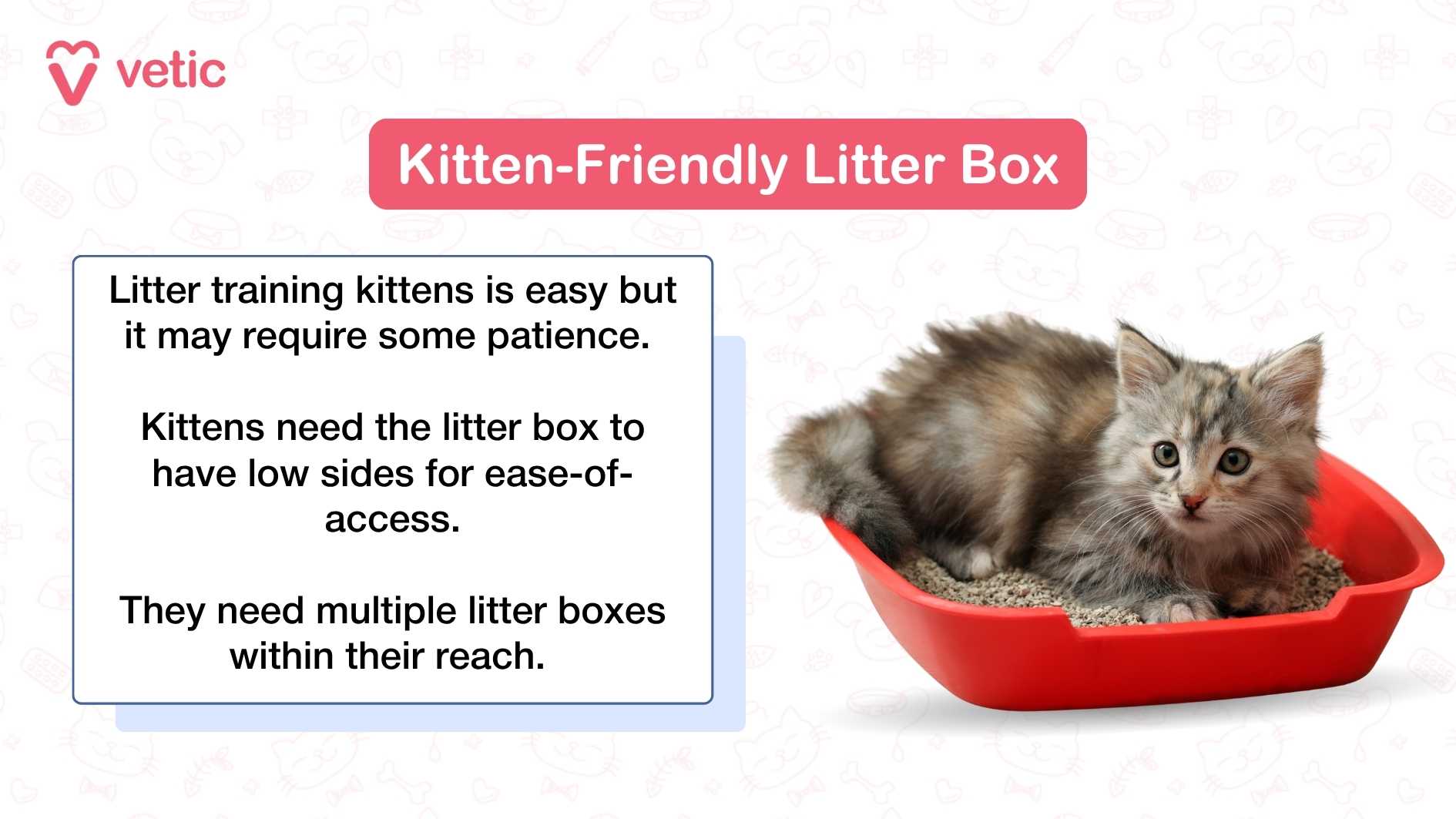
Some cats prefer open rectangular boxes, while others like rounded corners or taller sides to contain litter scatter. If you have a kitten or an older cat, consider low-entry boxes for easier access. Have you noticed your cat struggling to get in or out of their current box?
Covered Vs. Uncovered
Covered litter boxes provide privacy and reduce odors, which many owners appreciate. However, some cats dislike the enclosed space and may avoid using it. If your cat is shy or nervous, an uncovered box might feel safer and more inviting to them.
Think about ventilation too—covered boxes can trap smells if not cleaned regularly. Watch how your cat reacts to both types and choose what keeps them comfortable and your home smelling fresh.
Self-cleaning Options
Self-cleaning litter boxes can save you time by automatically scooping waste. They are ideal if you have a busy schedule or multiple cats. But remember, some cats are sensitive to noise or movement and may avoid these boxes.
Maintenance is still necessary; these boxes require power and regular cleaning of components. Ask yourself if the convenience outweighs the cost and effort based on your cat’s behavior and your daily routine.
Selecting The Best Cat Litter
Selecting the right cat litter can make a big difference in keeping both your cat and your home happy. It’s not just about catching the mess—your choice affects odor control, ease of cleaning, and even your cat’s comfort. Understanding the types of litter available helps you make a choice that fits your lifestyle and your pet’s preferences.
Clumping Vs. Non-clumping
Clumping litter forms solid clumps when your cat urinates, making it easy to scoop out waste and keep the box clean. This type usually helps control odor better and requires less frequent complete changes.
Non-clumping litter absorbs moisture but doesn’t form clumps. It tends to be less dusty and can be gentler on cats with sensitive paws. However, it may need to be changed more often to avoid smells.
Think about your schedule and how much time you can dedicate to cleaning. Would you prefer quick scooping or full litter changes?
Scented Vs. Unscented
Scented litter masks odors with fragrances, which can make your home smell fresh. But some cats find strong scents overwhelming and may avoid using the box.
Unscented litter relies on natural odor control without added perfumes, which often suits cats with sensitive noses better. It’s usually safer for kittens and cats with allergies.
Have you noticed your cat’s reaction to scented products? Observing their preferences can guide your choice.
Eco-friendly Choices
If you want to reduce your environmental impact, several eco-friendly litters use biodegradable materials like corn, wheat, or recycled paper. These litters often break down faster in landfills and avoid harmful chemicals.
Some eco options are clumping, while others are non-clumping, so you can find a green choice that fits your cleaning habits. They may cost a bit more but can be gentler on your cat and the planet.
Would supporting sustainable products encourage you to try a new type of litter for your cat?
Credit: vetic.in
Litter Box Placement Strategies
Choosing the right place for a cat’s litter box matters a lot. Good placement helps cats feel safe and encourages regular use. It also keeps your home clean and fresh. Consider a few key factors to find the perfect spot.
Privacy And Accessibility
Cats prefer quiet, private spots for their litter box. A calm area helps them feel secure. Avoid busy rooms or places with loud noises. At the same time, the box must be easy to reach. Make sure your cat can enter and exit without trouble.
Avoiding High-traffic Areas
Keep the litter box away from busy hallways or places with heavy foot traffic. Cats dislike interruptions during bathroom time. High-traffic areas can cause stress and accidents. A low-traffic corner or spare room often works best.
Multi-level Homes
In homes with more than one floor, place a litter box on each level. This gives cats easy access no matter where they are. It reduces the chance of accidents and helps multiple cats share space peacefully.
Training Your Cat To Use The Litter Box
Training your cat to use the litter box is an important part of pet care. Cats naturally prefer a clean and private spot to relieve themselves. Teaching them to use the litter box helps keep your home clean and fresh. It also ensures your cat feels comfortable and secure. Training differs depending on your cat’s age and past experiences. Understanding these differences makes the process easier and more successful.
Introducing Kittens
Kittens learn fast by copying their mother. Place them in the litter box after meals and naps. Let them explore the box on their own. Use a shallow box with soft litter for easy digging. Praise them gently when they use the box correctly. Keep the box clean to encourage regular use. Multiple boxes in different rooms help kittens find the right spot.
Adapting Adult Cats
Adult cats may take longer to learn new habits. Place the litter box in a quiet, low-traffic area. Show the cat where the box is by gently placing them inside. Avoid forcing them. Keep the litter type consistent with what they used before. Clean the box daily to avoid odors. Patience and gentle encouragement work best with adult cats.
Handling Litter Box Aversion
Some cats avoid the litter box due to fear or discomfort. Check the box size and litter texture for their preference. Clean accidents calmly without punishment. Use enzymatic cleaners to remove odors completely. Consider adding a second litter box in a different spot. Consult a vet if problems continue, as health issues may cause aversion.
:max_bytes(150000):strip_icc()/iprimio-enclosed-stainless-steel-xl-litter-box-8ef5bfe20a8348c98cc1f668c7a41ca7.jpg)
Credit: people.com
Maintaining A Clean Litter Box
Maintaining a clean litter box is essential for your cat’s health and comfort. A dirty box can lead to unpleasant odors and even cause your cat to avoid using it. Keeping it fresh requires consistent effort, but it’s easier than you might think.
Daily Cleaning Routine
Remove clumps and solid waste from the litter box every day. This simple step prevents bacteria buildup and keeps odors under control. You’ll notice your cat appreciates the fresh environment and is more likely to use the box regularly.
Use a small scoop designed for litter boxes to make the task quick and efficient. Wiping the edges of the box with a damp cloth can catch hidden messes. How much time do you spend daily on this? Just a few minutes can make a big difference.
Deep Cleaning Schedule
Once a week, empty the entire litter box and wash it thoroughly with mild soap and warm water. Avoid strong chemicals that might deter your cat from using the box. Let it dry completely before adding fresh litter.
Replacing the litter entirely during this cleaning refreshes the space and reduces lingering odors. This routine also gives you a chance to inspect the box for any damage or cracks that could harbor bacteria. Have you checked your litter box for wear recently?
Addressing Odor Issues
If odors persist despite regular cleaning, try adding baking soda to the litter to neutralize smells. Choose unscented, clumping litter that traps moisture effectively. Some litters also contain activated charcoal, which absorbs odors naturally.
Ventilating the room where the litter box sits helps keep the air fresh. You might also consider a covered box to contain smells, but make sure your cat is comfortable using it. What odor control methods have you found work best in your home?
Health Considerations
Understanding your cat’s health is easier when you pay attention to their litter box habits. A litter box isn’t just a convenience; it’s a window into your cat’s well-being. Changes in how or where your cat urinates or defecates can signal health problems early, giving you a chance to act quickly.
Monitoring For Health Problems
Keep an eye on the frequency and amount of your cat’s litter box usage. Sudden increases or decreases can indicate issues like urinary tract infections or kidney problems. Make note if your cat spends more time than usual in the box, as it may suggest discomfort or pain.
Also, observe the appearance of the waste. Changes in color, consistency, or smell are important clues. For instance, very dark or bloody urine requires immediate attention.
Signs Of Illness
Look out for signs such as straining, frequent trips with little output, or accidents outside the box. These behaviors often point to conditions like bladder stones or infections. If your cat suddenly avoids the litter box, it might be experiencing pain or stress.
Other red flags include diarrhea, constipation, or a strong ammonia smell. These could mean digestive or metabolic problems. Don’t ignore subtle changes in your cat’s litter box routine—they could be your first warning.
Consulting A Veterinarian
If you notice any unusual litter box behavior, don’t wait to get professional advice. A vet can perform tests to diagnose problems early and prevent complications. Bringing a fresh sample from the litter box can help with quick diagnosis.
Share detailed observations about your cat’s litter box habits with the vet. This information can guide them to the right treatment. Remember, catching health issues early through litter box monitoring can save your cat’s life.
:max_bytes(150000):strip_icc():focal(1999x0:2001x2)/peo-cat-litter-boxes-may-24-test-iprimio-enclosed-stainless-steel-xl-tracy-allison-43-1-13995c5906a94b728a40195eba209b5a.jpeg)
Credit: people.com
Alternative Solutions
Not all cats need traditional litter boxes. Some pet owners explore alternative solutions to meet their cats’ natural habits. These options can work well for cats who dislike indoor boxes or for homes with limited space.
Alternative solutions help keep your home clean and your cat happy. They also offer ways to respect your cat’s instinct to eliminate in certain environments.
Outdoor Litter Options
Outdoor litter options give cats a natural place to relieve themselves. A small fenced area with soft soil or sand works well. Some owners create a designated spot in the garden or backyard.
Use these tips for outdoor litter spots:
- Choose a quiet, shaded area.
- Keep the spot clean by removing waste daily.
- Use soft soil or sand for easy digging.
- Ensure the area is safe from predators and traffic.
Litter Box Substitutes
Litter box substitutes offer creative indoor solutions. Some cats prefer alternatives to traditional litter materials. Options include:
- Paper pellets – low dust and easy to clean.
- Wood shavings – natural and absorbent.
- Grass mats – provide texture cats enjoy.
- Reusable silicone trays with washable liners.
Try different substitutes to find what your cat prefers.
Training Cats For Outdoor Elimination
Training cats to eliminate outside requires patience and consistency. Start by guiding your cat to the outdoor spot after meals or naps. Reward them with gentle praise or treats.
Steps to train your cat outdoors:
- Keep the outdoor spot clean and inviting.
- Supervise your cat during training sessions.
- Use a leash or carrier for safety if needed.
- Be patient; training can take days or weeks.
Outdoor training reduces indoor litter needs and suits active cats.
Frequently Asked Questions
Do All Cats Need Litter Boxes Indoors?
Yes, all indoor cats need litter boxes to manage their waste. It helps keep your home clean and your cat comfortable.
How Many Litter Boxes Does A Cat Require?
Ideally, have one litter box per cat plus one extra. This reduces territorial issues and ensures easy access.
Can Cats Use Outdoor Areas Instead Of Litter Boxes?
Some cats prefer outdoor elimination, but indoor litter boxes are safer and more hygienic. Outdoor use depends on your environment.
What Type Of Litter Box Is Best For Cats?
Cats prefer clean, odor-free, and easily accessible litter boxes. Covered or uncovered depends on the cat’s personal preference.
Conclusion
Cats need litter boxes to stay clean and healthy. They use them to go potty in the right place. Without a litter box, cats might make a mess around the house. A good litter box helps keep your home fresh and your cat happy.
Remember to clean the box often and place it in a quiet spot. This simple tool makes life easier for both you and your cat. A clean litter box shows love and care for your pet’s needs.
