


Are you wondering how much cat food your furry friend really needs? Feeding your cat the right amount is more important than you might think.
Too much can lead to weight gain and health problems, while too little can leave your cat hungry and unhappy. You’ll discover simple tips to find the perfect balance. Keep reading to make sure your cat stays healthy, happy, and full of energy every day!

Credit: justcatsclinic.com
Factors Influencing Cat Food Needs
Understanding how much food your cat needs depends on several important factors. These elements shape their diet and help you avoid overfeeding or underfeeding. Paying attention to these details ensures your cat stays healthy and happy.
Age And Life Stage
Kittens need more calories and nutrients because they are growing rapidly. Adult cats usually require fewer calories to maintain their weight, while senior cats might need a diet tailored to their aging bodies. Have you noticed how your kitten seems hungrier than your older cat? That’s normal and reflects their different energy needs.
Weight And Body Condition
Your cat’s ideal weight plays a big role in determining food portions. A cat that is overweight needs fewer calories to lose weight, while an underweight cat may need extra food to gain mass. Check your cat’s body condition regularly—can you feel their ribs without pressing hard? This simple check helps you adjust their food intake properly.
Activity Level
Active cats burn more energy and need more food to stay fueled. Indoor cats who lounge most of the day require fewer calories compared to outdoor explorers. Think about your cat’s daily routine—does your cat chase toys or nap in the sun? Matching food to activity prevents unwanted weight changes.
Health Status
Health issues can change how much your cat should eat. Cats with medical conditions like diabetes or kidney disease often need special diets and feeding plans. If your cat’s appetite suddenly changes, it’s worth consulting your vet to adjust their food needs safely.
Types Of Cat Food
Choosing the right type of cat food is essential to meet your cat’s nutritional needs and lifestyle. Each type offers different benefits and challenges, so understanding them helps you feed your cat properly. Let’s break down the main categories to help you decide what fits best for your feline friend.
Dry Cat Food
Dry cat food, often called kibble, is popular because it’s convenient and easy to store. It usually costs less and has a long shelf life once opened. Many cat owners appreciate how dry food can help reduce plaque buildup on teeth, but you need to ensure your cat drinks enough water alongside it.
Dry food is typically calorie-dense, so portion control is key to avoid overfeeding. Have you noticed how some cats prefer the crunch and others don’t? That’s why trying different brands or flavors might be necessary to find what your cat enjoys.
Wet Cat Food
Wet cat food comes in cans or pouches and contains higher moisture content, which is great for hydration. Cats often find it more palatable and closer to their natural diet. This option is especially good for cats that don’t drink much water on their own.
On the downside, wet food can be messier and needs refrigeration after opening. Also, it tends to be more expensive than dry food. If your cat has dental issues, wet food is usually easier to eat, so it’s worth considering.
Raw And Homemade Diets
Some cat owners choose raw or homemade diets to have complete control over ingredients and quality. These diets can be tailored to specific health needs, but they require careful planning to ensure balanced nutrition. A poorly planned homemade diet can lead to deficiencies or excesses, which might harm your cat.
Handling raw food safely is crucial to avoid bacterial contamination for both you and your pet. Have you thought about the time and effort needed for preparing homemade meals regularly? It’s a commitment but can be rewarding if done right.
Calculating Daily Caloric Needs
Calculating your cat’s daily caloric needs helps maintain a healthy weight and energy level. Cats require different calories based on size, age, and activity. Understanding these needs guides proper feeding portions.
Using Cat’s Weight
Start with your cat’s current weight in pounds or kilograms. Use this weight to estimate the resting energy requirement (RER). The RER shows calories needed for basic body functions.
Use this formula for RER:
RER = 70 × (weight in kg)0.75
For example, a 4 kg cat’s RER is about 200 calories. This is the baseline for daily calories.
Adjusting For Activity Level
Activity changes calorie needs beyond the resting level. Multiply the RER by a factor based on activity:
- Inactive or obese cats: RER × 1.0 to 1.2
- Normal indoor cats: RER × 1.2 to 1.4
- Active or outdoor cats: RER × 1.4 to 1.6
- Very active or nursing cats: RER × 1.6 to 2.0
This adjustment helps match energy intake with daily energy use.
Special Considerations For Kittens And Seniors
Kittens need more calories for growth. Their energy needs can be twice the RER. Feed kitten food rich in nutrients and calories.
Seniors tend to be less active and may need fewer calories. Monitor their weight and adjust food to avoid obesity or malnutrition.
Feeding Guidelines For Different Life Stages
Feeding your cat correctly depends a lot on their life stage. Each phase—from playful kitten to wise senior—has unique nutritional needs. Understanding these needs helps you provide the right amount of food and keep your cat healthy and happy.
Feeding Kittens
Kittens grow fast and need plenty of energy. Their meals should be rich in protein and fat to support this rapid growth. Feeding small portions frequently throughout the day works best—usually three to four times daily.
Look for kitten-specific food with balanced vitamins and minerals. Too little food can stunt their development, while too much can cause obesity early on. Have you noticed how active your kitten is? Their energy level can guide how much to feed.
Adult Cat Feeding
Adult cats need a balanced diet to maintain their weight and health. Their metabolism slows compared to kittens, so overfeeding becomes a risk. Most adult cats do well with two meals a day, portioned according to their weight and activity level.
Check the feeding guidelines on your cat’s food label, but adjust based on your cat’s body condition. For example, a very active outdoor cat may need more calories than a mostly indoor cat. You can use a simple body condition score chart to see if your cat is under or overweight.
Senior Cat Nutrition
Older cats often need fewer calories but more protein to maintain muscle mass. Their digestive systems may also become less efficient, so easily digestible food helps. Consider feeding smaller, more frequent meals to help with digestion and appetite.
Senior cats might develop health issues like kidney disease, which requires special dietary adjustments. Have you noticed changes in your cat’s eating habits or weight? These signs can indicate it’s time to consult your vet about senior-specific diets.
Signs Of Overfeeding And Underfeeding
Knowing the signs of overfeeding and underfeeding helps keep cats healthy. Cats need the right amount of food to maintain a good weight and energy. Too much or too little food can cause health problems. Watch for physical and behavior changes that signal feeding issues.
Identifying Obesity In Cats
Obesity in cats shows up as excess fat around the belly and ribs. You might not feel the ribs easily when petting your cat. A round or bulging tummy is a clear sign. Overweight cats move less and may have trouble jumping or playing.
- Difficulty feeling ribs under fur
- Visible fat deposits around the waist and abdomen
- Low activity or reluctance to exercise
- Breathing problems during play
Obese cats face risks like diabetes and joint pain. Controlling food portions and feeding schedules helps manage weight.
Recognizing Malnutrition
Malnutrition occurs when cats do not get enough nutrients. Cats may lose weight quickly and look thin. Their coat can become dull and dry. Weakness and lack of energy are common signs.
- Visible ribs and spine due to fat loss
- Thin legs and sunken cheeks
- Poor coat condition, dull and brittle fur
- Decreased energy and activity
- Changes in appetite or eating habits
Malnourished cats need a balanced diet rich in protein and vitamins. Consult a vet for feeding advice if malnutrition signs appear.

Credit: www.whiskas.co.uk
Choosing The Right Cat Food Brand
Choosing the right cat food brand is a crucial step in ensuring your feline friend stays healthy and happy. Not all cat foods are created equal, and the brand you pick can make a big difference in your cat’s nutrition, taste preference, and overall well-being. Let’s break down what you should look for when selecting a brand that fits your cat’s needs and your lifestyle.
Nutritional Quality
Your cat’s diet should provide balanced nutrition tailored to their age, weight, and health conditions. Look for brands that clearly state their adherence to AAFCO (Association of American Feed Control Officials) nutritional standards. A good brand will offer foods rich in high-quality proteins, essential fats, vitamins, and minerals.
Have you noticed how some cats seem more energetic or have shinier coats on certain foods? That’s often a sign of better nutritional quality. Avoid brands that rely heavily on fillers like corn or wheat, as these offer little benefit and can cause allergies or digestive issues.
Ingredient Considerations
Check the ingredient list closely—ingredients are listed by weight, so the first few items matter most. Prioritize brands that list real meat or fish as the first ingredient rather than by-products or generic terms like “meat meal.”
Some cats have sensitivities or allergies to certain ingredients. Does your cat react poorly to grains or specific proteins? Brands offering limited ingredient or grain-free options might be worth trying. Transparency is key—trust brands that provide clear, detailed ingredient information.
Cost And Availability
Price matters, but it shouldn’t be the only factor. Expensive doesn’t always mean better, and cheap brands may compromise on quality. Find a brand that balances quality and affordability to keep your cat healthy without straining your budget.
Availability is just as important. Can you easily find the brand in local stores or online? Consistency is key for cats, so switching brands frequently can upset their digestion and appetite. Have you checked if the brand offers subscription services or bulk buying options? These can save money and ensure you never run out of food.
Transitioning Between Cat Foods
Changing your cat’s food needs care to avoid stomach upset. Cats may reject new food if switched too fast. A smooth transition helps them accept the new taste and texture. It also reduces digestive problems.
Gradual Change Process
Start by mixing a small amount of new food with the old. Increase the new food portion slowly over 7 to 10 days. Watch your cat eat and adjust the ratio daily. This slow change helps your cat’s stomach adjust. Avoid sudden switches to prevent vomiting or diarrhea.
Monitoring Cat’s Response
Observe your cat for any signs of discomfort or refusal. Look for vomiting, diarrhea, or less appetite. If any signs appear, slow down the transition. Some cats may take longer to adapt. Keep fresh water available to support digestion. Consult a vet if problems continue beyond two weeks.
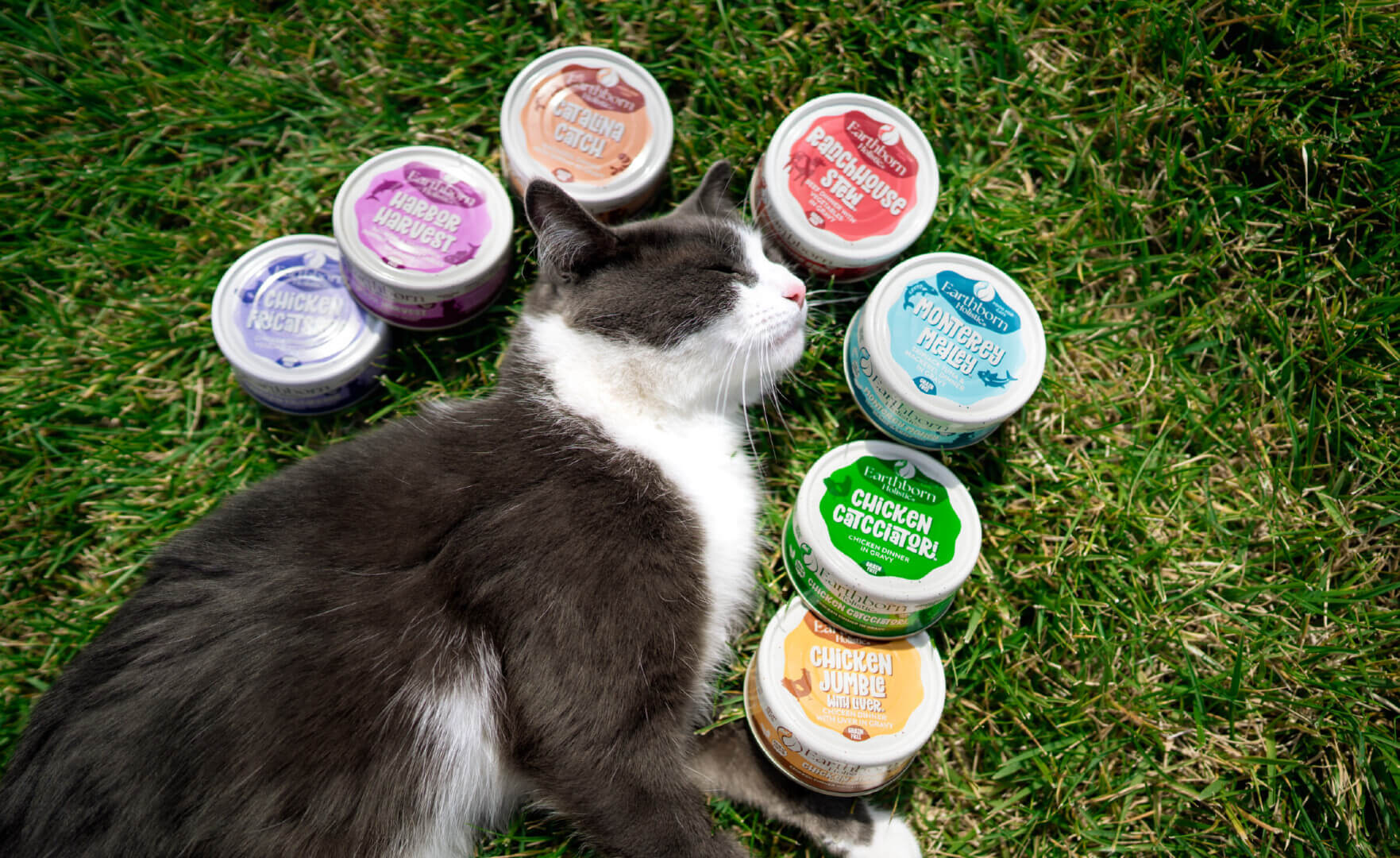
Credit: www.earthbornholisticpetfood.com
Common Feeding Mistakes To Avoid
Feeding your cat might seem straightforward, but there are common mistakes that can lead to health issues or overeating. Avoiding these errors helps your cat stay happy and healthy. Understanding what not to do can be just as important as knowing the right portion sizes.
Free Feeding Pitfalls
Leaving food out all day can lead to overeating. Cats often eat out of boredom, not hunger, which can cause weight gain. I once had a cat who gained several pounds simply because food was always available.
Free feeding also makes it hard to track how much your cat actually eats. Without measuring meals, you might miss signs of illness or appetite changes. Try scheduled feeding times to keep control over your cat’s diet.
Ignoring Portion Control
Not measuring your cat’s food is a common mistake. It’s easy to guess, but even a little extra every day adds up. Using a kitchen scale or a measuring cup ensures your cat gets just the right amount.
Portion control also helps prevent digestive problems and obesity. If your cat is overweight, reducing portions gradually can improve their health. Have you checked your cat’s food bag for recommended serving sizes lately?
Frequently Asked Questions
How Much Cat Food Does An Adult Cat Need Daily?
Adult cats typically require 20 to 30 calories per pound daily. This translates to about 1/3 to 1/2 cup of dry food or 5. 5 ounces of canned food daily, depending on their weight and activity level.
Does A Cat’s Age Affect Its Food Portion Size?
Yes, kittens need more calories per pound than adult cats. Senior cats may require fewer calories due to lower activity. Age influences metabolism, so adjust portions to maintain a healthy weight.
How Does A Cat’s Weight Influence Its Food Amount?
Overweight cats need fewer calories to lose weight, while underweight cats need more. Feeding should be based on ideal body weight, not actual weight, to ensure proper nutrition.
Should I Feed My Cat More If It’s Active?
Active cats burn more calories and may need increased food portions. Monitor body condition and adjust portions to maintain a healthy, lean physique.
Conclusion
Feeding cats the right amount keeps them healthy and happy. Each cat needs food based on age, size, and activity level. Measure meals carefully to avoid overfeeding or hunger. Watch your cat’s weight and adjust food as needed. Fresh water should always be available.
Consult a vet for special diet advice. Feeding well supports a long, active life. Simple steps make a big difference every day. Keep your cat’s needs in mind and enjoy your time together.
