

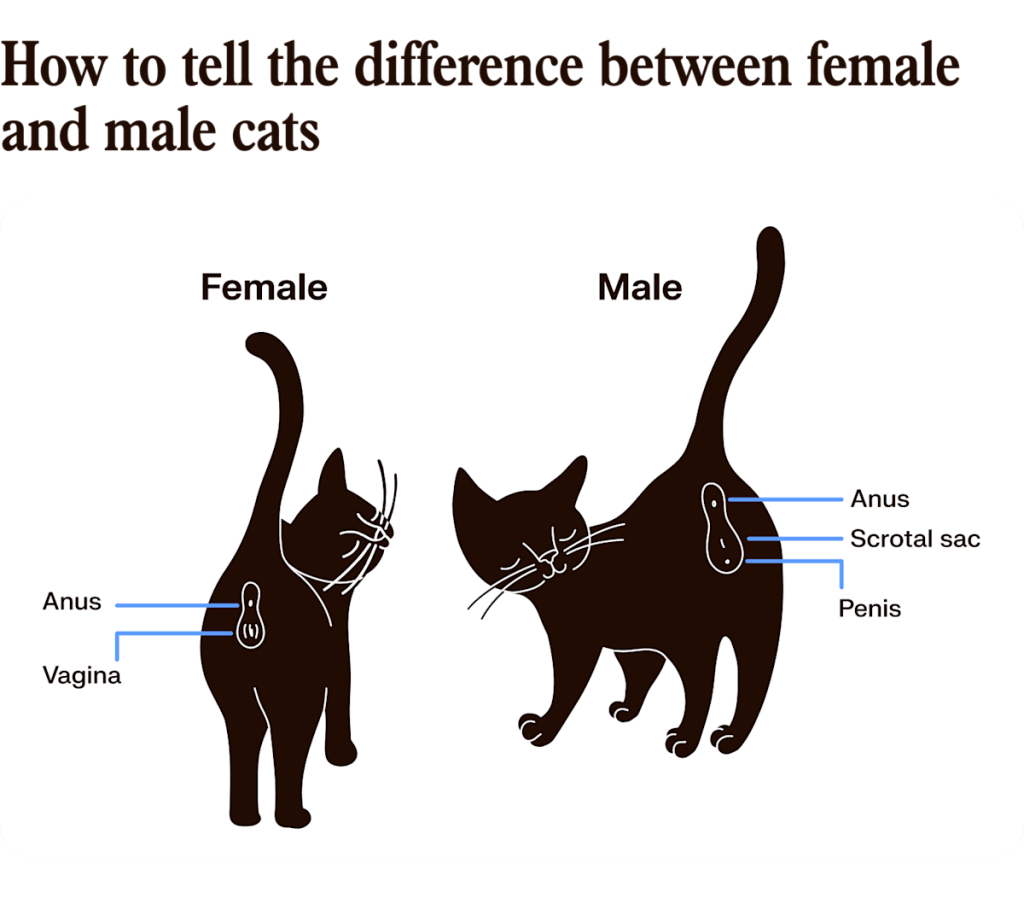
Have you ever noticed your female cat leaving little surprises around your home and wondered why she does it? You might be surprised to learn that female cats do mark their territory, just like their male counterparts.
Understanding this behavior can help you keep your home clean and your furry friend happy. You’ll discover why female cats mark their territory, what signals to watch for, and how you can manage this natural habit. Keep reading to uncover the secrets behind your cat’s mysterious actions.

Credit: www.four-paws.org
Territorial Behavior In Cats
Cats are naturally territorial animals. They use different ways to mark and protect their space. This behavior helps them feel safe and avoid conflicts with other cats.
Both male and female cats show territorial behavior. They might mark areas, patrol their space, or act defensively. Understanding these actions helps pet owners manage their cats better.
How Cats Mark Their Territory
Cats use scent to mark territory. They have scent glands on their cheeks, paws, and tails. Rubbing these areas on furniture or walls leaves their unique smell behind.
- Scratching surfaces to leave visual and scent marks
- Spraying urine to signal presence
- Rubbing their body or face on objects
Differences In Male And Female Marking
Male cats spray more often to mark large areas. Female cats also mark but less frequently. They prefer rubbing and scratching to claim smaller spaces.
Why Female Cats Mark Territory
Female cats mark territory to protect resources like food and safe spots. They want to keep other cats away. This helps them stay secure and calm.
Signs Of Territorial Behavior In Female Cats
- Rubbing their face on furniture and people
- Scratching doors or windows
- Occasional urine marking near entry points
- Following family members closely

Credit: www.petguide.com
Do Female Cats Mark Territory
Female cats do mark their territory, but their methods and reasons can differ from male cats. Understanding these behaviors helps you manage your cat’s environment better and keep your home peaceful. Let’s explore how female cats express ownership and what signs to watch for.
How Female Cats Mark Territory
Female cats often use scent glands located on their cheeks, paws, and flanks to mark territory. They rub their bodies against furniture, walls, or even you to leave their scent. This behavior is subtle compared to spraying but is a clear way to claim space.
Occasionally, female cats may spray urine, especially if they feel threatened or stressed. However, this is less common than in males. If your female cat starts spraying, it could be a sign she feels insecure in her environment.
Why Female Cats Mark Territory
Territory marking helps female cats establish a safe and familiar area, reducing stress and conflicts with other animals. It also plays a role during mating seasons, signaling their presence to male cats.
Have you noticed your cat rubbing against certain spots repeatedly? This behavior is her way of saying, “This is mine.” Respecting these zones can improve your cat’s comfort and your relationship with her.
Signs Your Female Cat Is Marking Territory
- Rubbing her face or body against objects or people
- Scratching furniture or carpets to leave scent from paw glands
- Occasional urine marking in corners or vertical surfaces
- Increased vocalization or restlessness in certain areas
Recognizing these signs early can help you address any behavioral issues before they escalate.
Managing Territorial Marking In Female Cats
Provide multiple resting spots and litter boxes to reduce territorial stress. Using pheromone diffusers can calm your cat and decrease marking behaviors.
Regular playtime and interaction also help your cat feel secure and less likely to mark. Have you tried rearranging your cat’s environment to see if it changes her marking habits?
Reasons For Marking
Female cats mark their territory for several important reasons. Understanding why your cat does this can help you address the behavior effectively. Let’s look at the main causes behind this natural instinct.
Communication
Marking is a way for female cats to send messages to other cats. They leave scent marks that convey information about their presence and boundaries. This helps avoid direct confrontations and keeps peace in their environment.
Think about your cat as a quiet communicator. Instead of loud meows or fights, she uses scent to say, “This is my space.” Have you noticed your cat rubbing or spraying in certain areas repeatedly? That’s her way of talking.
Stress And Anxiety
Stress can trigger marking behavior in female cats. Changes in the household, new pets, or even loud noises can make your cat feel insecure. Marking helps her regain a sense of control and calm.
If your cat suddenly starts marking after you move or bring home another animal, stress is likely the cause. Have you tried creating a safe space or using calming sprays? These steps can reduce anxiety and cut down marking.
Mating Signals
Female cats may mark territory as part of their mating behavior. When in heat, they release pheromones to attract male cats. This type of marking signals their reproductive status clearly.
Even if your cat is indoors, these instincts can kick in. Spaying your cat can reduce or eliminate this kind of marking. Have you noticed more marking during certain times? That timing might be linked to her reproductive cycle.
Methods Of Marking
Female cats use several clever ways to mark their territory, each serving a unique purpose in communication. Understanding these methods can help you interpret your cat’s behavior better and manage their environment effectively.
Scent Glands
Female cats have scent glands located on their cheeks, paws, and the base of their tails. When your cat rubs her face or body against furniture, walls, or even you, she leaves her unique scent behind.
This scent marking is a way to claim ownership and create a familiar environment. Have you noticed your cat cheek-rubbing on your favorite chair? She’s making it hers, and by extension, part of her safe space.
Urine Spraying
Though more common in male cats, female cats also use urine spraying to mark territory, especially if they feel threatened or stressed. This behavior involves backing up to a vertical surface and releasing a small amount of urine.
If your female cat starts spraying, it might signal that she’s trying to assert control or respond to changes in her environment. Addressing the cause quickly can prevent this habit from becoming a persistent problem.
Scratching
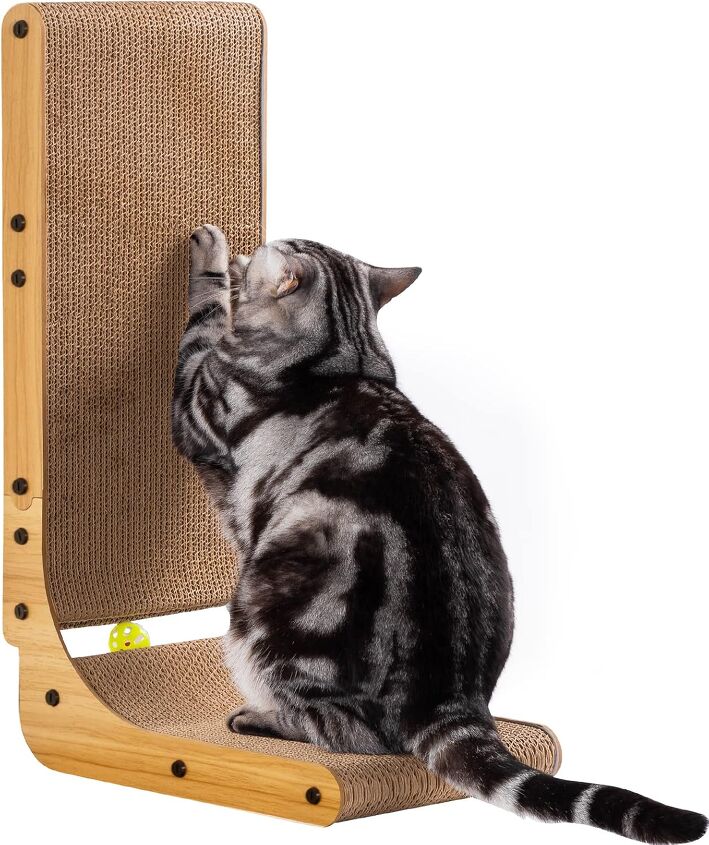
Scratching is another powerful way female cats mark their territory. Their paws have scent glands that leave a unique smell with each scratch, alongside visible marks on surfaces.
Providing proper scratching posts can satisfy this natural urge and keep your furniture safe. Have you tried different textures or locations for scratching posts to see which your cat prefers?
Factors Influencing Marking Behavior
Understanding why female cats mark their territory helps you manage their behavior better. Various factors influence this marking, and recognizing them can prevent unwanted spraying or scratching. Let’s dive into the key elements that affect a female cat’s marking habits.
Age And Maturity
Young female cats usually start marking as they approach sexual maturity. This behavior signals their readiness to mate and establishes their presence in the area.
Spaying often reduces or stops marking because it lowers hormone-driven urges. But if your adult cat is still marking, consider whether other factors might be at play.
Environment And Territory Size
Cats feel more pressure to mark in larger or unfamiliar spaces. A small, quiet home usually means less need for territorial marking.
If your cat has recently moved or if there are new smells, she might increase marking to claim her territory. You might notice more rubbing, scratching, or spraying during these times.
Presence Of Other Animals
Introducing new pets can trigger marking as your cat tries to assert dominance or defend her area. Even seeing animals outside through a window can cause stress and marking behavior.
Have you noticed your cat spraying more after a new dog or cat arrives? This reaction is her way of coping with perceived competition. Managing introductions carefully can reduce this stress-induced marking.
Credit: www.petguide.com
How To Manage Marking Behavior
Managing marking behavior in female cats can feel challenging, but understanding how to address it effectively makes a big difference. Marking is often a way for your cat to communicate or feel secure in her environment. You can take practical steps to reduce or stop this behavior while keeping your cat happy and comfortable.
Behavioral Training
Teaching your cat to use the litter box consistently is essential. Reward her with treats or gentle praise when she uses it properly. Avoid punishing her, as this can increase stress and worsen marking.
Try to identify any triggers that lead to marking, such as new pets or changes in the home. Reducing these stressors helps your cat feel more secure. You might also provide extra playtime to keep her mentally and physically engaged.
Use Of Deterrents
Certain scents can discourage marking. Citrus or lavender sprays are often effective and safe around cats. Apply these around areas your cat tends to mark.
Physical barriers like double-sided tape or aluminum foil on marking spots can also help. Cats dislike the texture and often avoid these areas. Consistency is key—keep these deterrents in place until the behavior stops.
Veterinary Consultation
If marking continues despite your efforts, consult a veterinarian. Sometimes marking signals underlying medical issues like urinary tract infections. A vet can rule out health problems and suggest medications or behavior therapies.
Discuss your cat’s environment and routine with the vet. They can offer tailored advice or recommend a pet behaviorist. Getting professional input ensures you’re addressing the root cause effectively.
Common Myths About Female Cats
Many people hold wrong ideas about female cats and their behavior. These myths can confuse cat owners and affect how they care for their pets. Understanding the truth helps create a better home for female cats.
Female Cats Do Not Spray As Much As Males
People often think female cats spray to mark territory like males. Female cats spray much less often. Their marking is usually quieter and less obvious. Spraying is more common in unspayed males.
Only Unspayed Female Cats Mark Territory
Some believe only unspayed female cats mark their space. Spayed females may still mark but less often. Hormones play a big role, but behavior varies by cat.
Female Cats Mark Only When They Feel Threatened
Marking is not always a sign of fear or threat. Female cats may mark to feel safe or to communicate. It is a natural way to show their presence.
All Female Cats Mark Their Territory
Not every female cat marks territory. Personality and environment affect marking habits. Some female cats rarely mark at all.
Frequently Asked Questions
Do Female Cats Mark Their Territory By Spraying?
Yes, female cats can spray urine to mark territory. This behavior is more common in unspayed females. It signals ownership and deters intruders.
How Do Female Cats Mark Territory Besides Spraying?
Female cats also use scent glands on their cheeks and paws. They rub or scratch surfaces to leave scent marks. This is a less aggressive marking method.
Does Spaying Stop Territorial Marking In Female Cats?
Spaying reduces hormone-driven behaviors like spraying. However, some females may still mark territory due to stress or environment. Training and environmental enrichment help manage marking.
Why Do Female Cats Mark Territory Indoors?
Indoor female cats mark territory to feel secure. They may react to new pets or changes in their space. Marking reassures them and establishes boundaries.
Conclusion
Female cats do mark their territory, but less often than males. They use scent to show where they belong. This behavior helps them feel safe and avoid fights. Not all female cats spray; some just rub or scratch. Understanding this helps you care for your cat better.
Watch her habits and provide a calm space. This keeps both your home and cat happy. Territory marking is normal and natural for female cats.
