

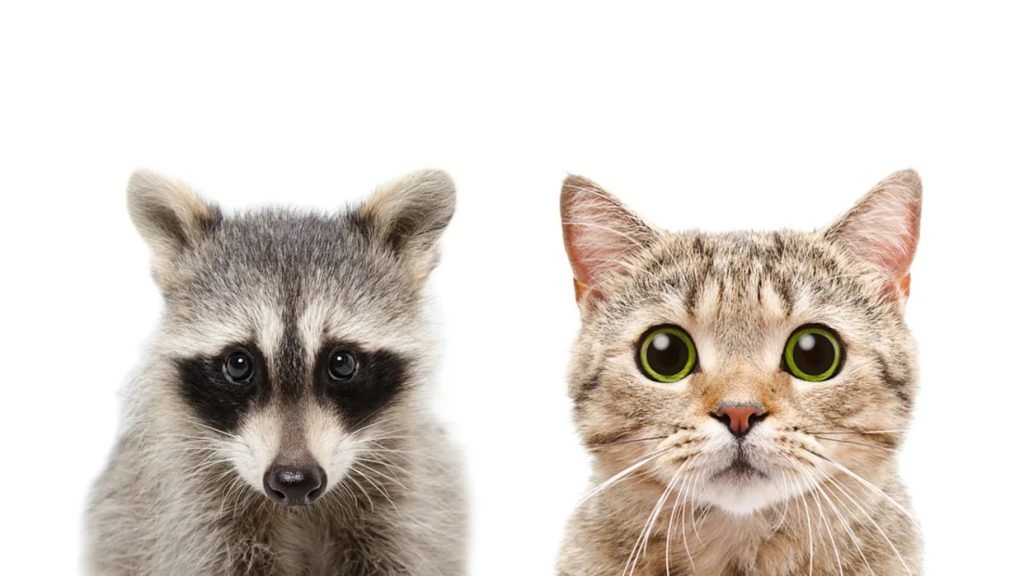
Have you ever wondered if raccoons can be a danger to your cat? If you’ve spotted raccoons near your home, you might worry about what could happen if they cross paths with your furry friend.
Understanding whether raccoons attack cats is important for keeping your pet safe. You’ll discover the truth about raccoon behavior, what risks your cat might face, and how you can protect them. Keep reading—you’ll want to know these facts to keep your cat out of harm’s way.

Credit: www.youtube.com
Raccoon Behavior And Habits
Understanding raccoon behavior and habits is key to knowing how they might interact with your cat. Raccoons are intelligent and curious creatures. Their actions are often driven by survival, food, and territory.
Raccoons’ Natural Instincts
Raccoons are mostly nocturnal, meaning they are active at night. They have sharp claws and teeth, which help them defend themselves and find food. While they usually avoid confrontation, they can become aggressive if they feel threatened or cornered.
Have you noticed raccoons rummaging through trash near your home? This behavior shows how they adapt to urban environments in search of easy meals.
Territorial Behavior Around Pets
Raccoons mark their territory using scent glands. They may see cats as competitors, especially if your cat roams outside. This can lead to defensive actions if a raccoon feels its space is invaded.
Think about your cat’s outdoor habits—do they wander into areas where raccoons frequent? This overlap can increase the chances of encounters.
Food-related Aggression
Food is a major trigger for raccoon aggression. If a raccoon spots your cat near its food source, such as pet food left outside, it may act aggressively to protect its meal. Always consider securing food to avoid unwanted face-offs.
- Store pet food indoors
- Remove fallen fruit from gardens
- Secure trash bins with tight lids
Have you ever found your cat wary after a nighttime scavenging by a raccoon? This behavior shows how food competition can spark conflict.

Credit: www.reddit.com
Raccoons And Their Natural Diet
Raccoons have a varied diet that suits their adaptable nature. They eat many types of food found in forests, cities, and near water. Understanding what raccoons naturally eat helps explain their behavior around pets like cats.
Raccoons are omnivores. They consume both plants and animals. Their diet changes with the seasons and food availability.
Common Foods In A Raccoon’s Diet
- Fruits and berries
- Nuts and seeds
- Insects and worms
- Small fish and amphibians
- Bird eggs and nestlings
- Small mammals
- Human garbage and leftovers
How Raccoons Hunt And Forage
Raccoons use their sharp claws to catch prey. They search near water for fish and frogs. They also climb trees to reach bird nests. Their strong sense of touch helps them find food in the dark.
Raccoons’ Eating Habits And Behavior
Raccoons mostly eat at night. They are nocturnal animals. They prefer easy meals but will work hard for food. Raccoons can open containers and doors to access food sources. They often scavenge in trash bins near homes.
Interactions Between Raccoons And Cats
Raccoons and cats often cross paths in neighborhoods and backyards. Both animals are curious and active at night. Their interactions can vary from peaceful to tense. Understanding how these animals behave around each other helps keep pets safe and calm.
Raccoons are wild animals. They look for food and shelter near homes. Cats defend their territory and can be wary of raccoons. These encounters sometimes lead to conflicts, but not always.
Typical Behavior Of Raccoons Around Cats
Raccoons usually avoid direct fights. They prefer to steal food rather than attack. If a cat appears aggressive, raccoons may back off. They use their sharp claws and teeth only when threatened.
Signs Of Aggression Between Raccoons And Cats
- Hissing or growling from cats
- Raccoons baring teeth or making loud noises
- Chasing or swatting at each other
- Scratches or bite marks on either animal
These signs show tension. Avoid letting pets face raccoons directly.
How Cats Usually React To Raccoons
Cats may hiss or arch their backs to scare raccoons. Some cats run away quickly. Others stand their ground and prepare to fight. Most cats want to protect their home and food.
Preventing Negative Encounters
- Keep pet food indoors at night
- Secure trash cans with tight lids
- Use motion-activated lights outside
- Supervise outdoor cats during nighttime
These steps reduce chances of conflict and keep pets safe.
Factors Leading To Aggression
Raccoons and cats may cross paths in neighborhoods or backyards. Sometimes, these meetings turn tense. Understanding what makes raccoons aggressive helps keep pets safe. Several factors can trigger aggression in raccoons toward cats.
Territorial Disputes
Raccoons defend their home area strongly. They see cats as intruders. This leads to growling, chasing, or even attacking. Raccoons mark their territory with scent to warn others. Cats entering this zone may face aggressive behavior.
Competition For Food
Both raccoons and cats hunt or scavenge for food. They often look for the same scraps or pet food outdoors. Raccoons may act hostile to protect their food source. This competition can cause fights or aggressive displays.
Defensive Reactions
Raccoons feel threatened if surprised or cornered. Sudden movements or loud noises can startle them. They respond by hissing, biting, or scratching. These defensive actions aim to scare off cats or other animals.
Signs Of Raccoon Presence
Raccoons are clever animals that often visit neighborhoods. They search for food and shelter. Knowing their signs helps protect your cat and home. Raccoons leave clear marks of their presence around your property. Spotting these signs early can prevent unwanted encounters.
Tracks And Footprints
Raccoon tracks have five long fingers, like tiny hands. Their prints often show claw marks. They leave tracks near water or soft soil. Look for these footprints in mud, sand, or snow.
Scattered Garbage
Raccoons dig through trash cans for food. You might see spilled garbage around bins. Torn bags and scattered food waste are common signs. This mess shows raccoons are nearby and searching for meals.
Scratches And Claw Marks
Raccoons climb trees and fences. They leave scratches on wood surfaces. Look for vertical claw marks on tree trunks or fences. These marks indicate raccoons are climbing or marking territory.
Unusual Noises At Night
Raccoons are mostly active at night. You may hear chattering, growling, or rustling sounds. These noises come from raccoons moving or fighting near your home. Pay attention if these sounds occur often.
Nests And Dens
Raccoons build nests in hidden places. They use attics, chimneys, or hollow trees. You might find leaves, twigs, or shredded material inside. Discovering a den means raccoons are living close by.
Protecting Cats From Raccoons
Protecting your cat from raccoons is essential, especially if your feline friend enjoys spending time outdoors. Raccoons can be unpredictable, and encounters between them and cats can sometimes lead to injuries or stress. Taking simple, practical steps can help keep your cat safe without limiting their freedom.
Securing The Yard
Start by making your yard less inviting to raccoons. Check for any gaps or holes in fences where raccoons might slip through. Adding secure fencing or mesh can create a barrier that discourages these nocturnal visitors.
Also, trim tree branches that hang near your roof or yard fence. Raccoons are excellent climbers and often use branches as bridges to access your yard. Would you want to give raccoons a free pass to your cat’s playground?
Feeding Practices
Food left outside is a strong attractant for raccoons. Avoid feeding your cat outdoors, especially overnight, to prevent drawing raccoons to your home. If you must feed outside, do it during the day and remove any leftovers promptly.
Secure your trash cans with tight-fitting lids or store them inside a garage or shed. Raccoons rummage through garbage for food, so cutting off this source makes your yard less appealing. Have you noticed raccoons visiting your bins at night?
Supervised Outdoor Time
Allow your cat to explore outside only when you can watch over them. Supervised outdoor time reduces the chances of unexpected encounters with raccoons. You might even enjoy bonding with your cat while keeping a careful eye on their safety.
Using a leash or a secure outdoor cat enclosure gives your cat freedom to roam safely. This way, you control the environment and minimize risks. How much more confident would you feel knowing your cat is safe during outdoor adventures?
What To Do In Case Of An Encounter
Encountering a raccoon near your cat can be alarming. Knowing the right steps can protect your pet from harm. Acting quickly and calmly helps reduce stress for both you and your cat. Follow these guidelines to handle such encounters safely and effectively.
Immediate Actions
- Keep your distance from the raccoon to avoid escalation.
- Call your cat inside immediately to prevent further contact.
- Avoid touching the raccoon or your cat’s wounds barehanded.
- Use a towel or gloves if you must handle your cat.
- Check your cat for visible injuries or bleeding.
- Observe your cat’s behavior for signs of pain or distress.
- Secure your pet in a safe and quiet area after the encounter.
Seeking Veterinary Care
Even minor scratches can lead to infections or diseases. Prompt veterinary care ensures proper treatment and reduces risks.
- Take your cat to the vet as soon as possible.
- Inform the vet about the raccoon encounter and any wounds.
- Follow the vet’s advice on vaccinations and wound care.
- Watch for symptoms like swelling, fever, or lethargy after the visit.
- Keep your cat indoors during the recovery period to avoid new injuries.

Credit: www.youtube.com
Myths And Misconceptions
Many people believe raccoons often attack cats. This idea causes fear and confusion among pet owners. The truth is different from what most think. Understanding facts helps protect both cats and raccoons.
Raccoons are wild animals with their own behaviors. They usually avoid conflicts. Most stories about attacks come from misunderstandings or rare cases. Let’s clear up some common myths and misconceptions.
Raccoons Are Always Aggressive Toward Cats
Raccoons do not attack cats for no reason. They are more likely to run away than fight. Aggression happens only if raccoons feel threatened or cornered.
Raccoons Carry Diseases That Make Cats Sick
Raccoons can carry some diseases, but not all are harmful to cats. Rabies is rare in raccoons in many areas. Vaccinating pets helps keep them safe from most diseases.
Raccoons Hunt Cats As Prey
Raccoons do not usually hunt cats. They eat small animals like insects, fruits, and eggs. Cats are bigger and can defend themselves well, so raccoons avoid them.
Raccoons And Cats Can’t Live Near Each Other
Raccoons and cats often share spaces without problems. Most encounters are peaceful. Keeping food indoors reduces unwanted visits from raccoons near homes.
Living Harmoniously With Wildlife
Living harmoniously with wildlife helps create a safe space for both pets and animals. Raccoons and cats share many neighborhoods. Understanding their behavior reduces conflicts and keeps everyone safe. Respecting wildlife means giving animals room and avoiding actions that provoke them.
Simple habits can prevent raccoon encounters with cats. Being aware of animal habits protects pets and wild creatures. This balance supports peaceful coexistence in shared environments.
Creating Safe Outdoor Spaces For Cats
Design outdoor areas with your cat’s safety in mind. Use secure fencing to keep cats inside. Avoid leaving pet food outside at night. This reduces attracting raccoons near your home. Provide hiding spots for cats if they feel threatened. These steps lower chances of unwanted animal meetings.
Recognizing Raccoon Behavior And Signs
Raccoons mostly avoid humans and pets. They are active at night and look for food. Signs of raccoon presence include:
- Torn garbage bags
- Footprints near water
- Scattered food remains
- Sounds like chittering or growling
Knowing these signs helps you stay alert and protect your cat better.
Preventing Conflicts Between Raccoons And Cats
Keep cats indoors during nighttime hours. Remove food sources like pet dishes or trash bins. Secure trash cans with tight lids. Do not feed raccoons or other wildlife. Train cats to avoid areas where raccoons appear. These actions reduce chances of aggressive encounters.
Frequently Asked Questions
Do Raccoons Commonly Attack Cats?
Raccoons rarely attack cats unless threatened or cornered. They usually avoid confrontation but may defend themselves if provoked.
Can Raccoons Transmit Diseases To Cats?
Yes, raccoons can carry diseases like rabies and parasites. These illnesses may spread to cats through bites or scratches.
How To Protect Cats From Raccoon Attacks?
Keep cats indoors at night and secure trash bins. Remove food sources and use motion-activated lights to deter raccoons.
What Signs Show A Raccoon Is Aggressive Towards Cats?
Growling, hissing, and lunging indicate raccoon aggression. If a raccoon displays these behaviors near your cat, keep them apart immediately.
Conclusion
Raccoons usually avoid cats but can act aggressive if threatened. Cats and raccoons sometimes fight over food or space. Keep your pets safe by watching them outside. Close windows and doors to stop raccoons from entering. Use bright lights or noise to scare raccoons away.
Knowing raccoon behavior helps protect your cat better. Stay calm and act quickly if you see a raccoon near your pet. Safety is always the best choice for both animals.
