

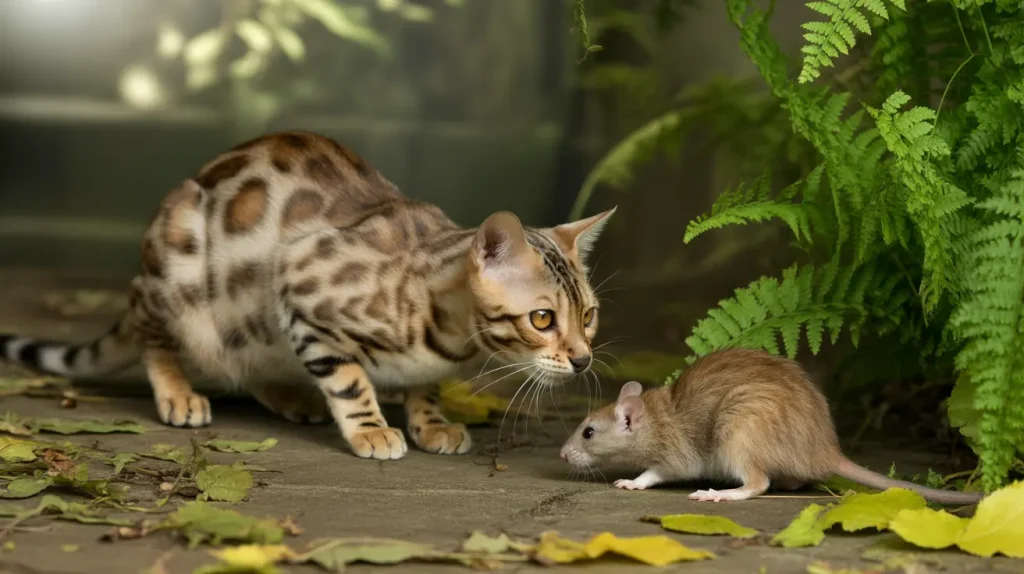
Have you ever wondered if your cat really eats mice? Maybe you’ve seen them stalking something small or caught a glimpse of a tiny, furry prize.
Understanding this behavior can tell you a lot about your cat’s instincts and needs. If you’re curious about why cats chase mice, what happens when they catch them, and whether this is good or bad for your pet, keep reading.
This article will clear up all your questions and give you insights that could change how you see your furry friend.
Natural Instincts Of Cats
Cats are natural hunters, shaped by evolution to seek out small prey like mice. Their instincts drive much of their behavior, even if they live comfortably indoors. Understanding these instincts can give you insight into why your cat might suddenly pounce on a toy or even a real mouse.
Predatory Behavior
Predatory behavior is deeply embedded in your cat’s DNA. Even well-fed cats often show signs of chasing and stalking, which are echoes of their wild ancestors’ survival tactics.
Have you noticed how your cat crouches low, eyes fixed, tail twitching? This is their hunting mode activating. It’s not just play; it’s practice for catching real prey.
Interestingly, some cats may hunt mice but not always eat them. The act of catching triggers satisfaction and mental stimulation. This shows how hunting is as much about instinct as it is about food.
Hunting Techniques
Cats use a combination of stealth, patience, and quick reflexes to catch mice. They start by quietly observing and waiting for the right moment to strike.
Once they spot their target, they move slowly, almost frozen, minimizing noise and movement. When close enough, they leap or pounce with precision.
You might find your cat practicing these skills during playtime with toys. This behavior sharpens their abilities and keeps their hunting instincts alive. Have you tried giving your cat interactive toys that mimic the movements of mice? It can satisfy their natural urges and keep them happy.

Credit: www.shutterstock.com
Do All Cats Eat Mice?
Not all cats eat mice. Cats have different habits depending on their lifestyle and personality. Some cats are natural hunters, while others prefer other foods or play instead. Understanding which cats are more likely to eat mice helps in knowing your cat better.
Domestic Cats Vs. Feral Cats
Feral cats rely on hunting for survival. They often catch mice as a primary food source. Domestic cats get fed by their owners. Many still hunt for fun or instinct, but not all catch mice regularly. Some domestic cats may never show interest in hunting.
Influence Of Breed And Personality
Some breeds are more active and curious. These cats tend to chase and catch mice more often. Personality matters too. Bold, playful cats hunt more than shy or lazy ones. Each cat is unique, so hunting habits vary widely.
Nutritional Needs And Mice
Cats are natural hunters with strong instincts to catch prey like mice. This hunting behavior plays a role in their diet and nutrition. Understanding the nutritional value of mice helps explain why cats may eat them. Mice provide essential nutrients that support a cat’s health. Still, eating mice can also bring some health risks.
Nutritional Benefits
Mice are rich in protein, which is vital for cats’ muscle growth and repair. Their meat contains amino acids cats need to stay healthy. Mice also offer fat, which provides energy and supports a shiny coat. Bones and organs in mice supply calcium and other minerals. These minerals help keep cats’ bones strong and their bodies functioning well. Eating whole mice can deliver a balanced mix of nutrients naturally.
Potential Health Risks
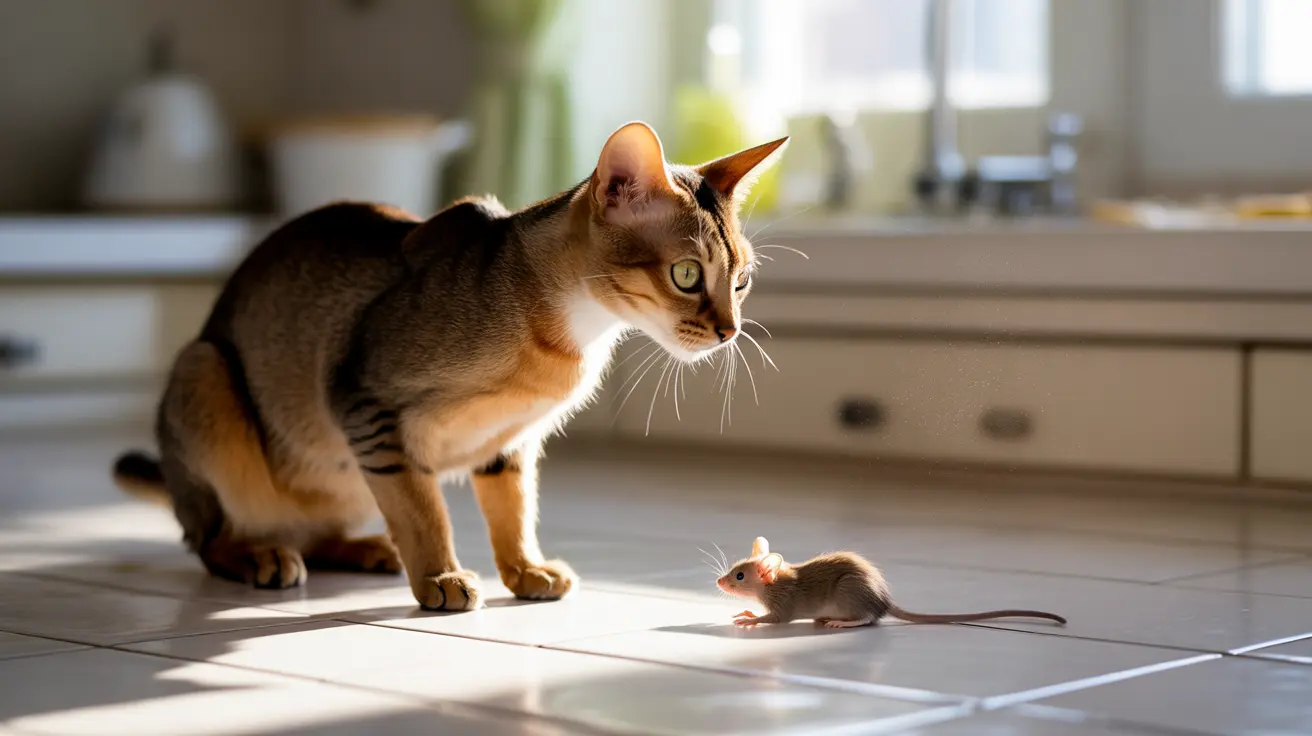
Mice may carry parasites or bacteria that harm cats. Eating wild mice can expose cats to diseases like toxoplasmosis. Some mice may have been poisoned, which poses a danger to cats. Injuries can occur if cats try to catch fast or aggressive mice. Feeding cats only mice might lack some vitamins and minerals needed for full health. Regular vet checkups can help monitor any health issues from eating mice.
Credit: www.petscare.com
Impact On Local Wildlife
The impact of cats eating mice on local wildlife is more complex than it might seem at first glance. While cats naturally hunt rodents, their presence and hunting habits can ripple through the ecosystem in unexpected ways. Understanding these effects helps you see the bigger picture of how your pet’s behavior fits into the local environment.
Ecological Implications
When cats reduce mouse populations, they can help control pests that might otherwise damage crops or spread disease. However, this predation can also disrupt the balance of the food web. In some areas, mice serve as a key food source for other native predators like owls or snakes.
If cats hunt too many mice, these native predators might struggle to find enough food. This can lead to a decline in their numbers, which then affects other species they interact with. Have you noticed changes in the wildlife around your home after introducing a cat?
Balancing Natural Behavior And Conservation
Allowing cats to hunt taps into their natural instincts, which is important for their well-being. At the same time, you might want to protect vulnerable wildlife populations in your area. The challenge lies in finding a balance between encouraging your cat’s natural behavior and conserving local biodiversity.
- Consider supervised outdoor time to limit hunting impact.
- Provide toys and playtime that mimic hunting to satisfy instincts indoors.
- Use collars with bells to warn potential prey.
By actively managing your cat’s hunting habits, you can help preserve the local ecosystem while keeping your pet happy. What steps can you take today to support both your cat and the wildlife around you?
Preventing Unwanted Hunting
Preventing unwanted hunting is essential if you want to keep both your cat and local wildlife safe. Cats have natural instincts to chase and catch prey like mice, but you can guide their behavior to reduce these tendencies. It takes patience and understanding of your cat’s habits to make a real difference.
Training And Redirection
You can teach your cat to focus on toys instead of real mice. Use interactive toys that mimic the movement of prey, like feather wands or laser pointers, to engage their hunting instincts safely.
When you see your cat stalking or pouncing on unwanted targets, gently redirect their attention. Rewarding your cat with treats or affection after playing with toys helps reinforce positive behavior.
Have you noticed how your cat reacts when you introduce a new toy? Observing their preferences can help you choose the most effective distractions and reduce hunting urges.
Providing Alternative Stimulation
Boredom often drives cats to hunt. Filling their environment with stimulating activities keeps their minds and bodies busy.
- Set up climbing trees or scratching posts to encourage exercise.
- Rotate toys regularly to maintain interest.
- Offer puzzle feeders that challenge their problem-solving skills.
Try creating safe outdoor enclosures or window perches to satisfy their curiosity without allowing them to hunt. Giving your cat different ways to explore can prevent frustration and reduce the desire to chase mice.
Cat Toys And Simulated Hunting
Cats have a natural hunting instinct. They love to chase, pounce, and catch. Cat toys mimic the movements of prey like mice. These toys keep cats active and entertained. Simulated hunting helps cats stay sharp and healthy. It also reduces boredom and stress. Providing the right toys can satisfy a cat’s need to hunt safely indoors.
Interactive Toys
Interactive toys move or make sounds to catch a cat’s attention. Toys like feather wands and laser pointers are popular. They encourage cats to jump and run. Puzzle feeders also engage cats mentally and physically. These toys stimulate hunting skills and problem-solving. Interactive play strengthens the bond between cats and owners. It keeps cats busy and happy for longer periods.
Encouraging Healthy Play
Healthy play helps cats stay fit and avoid weight gain. It improves their coordination and reflexes. Regular playtime lowers the risk of behavior problems. Cats that hunt and play feel more content and confident. Schedule short play sessions daily. Use a variety of toys to keep things fresh. Watch your cat’s response to find favorites. Safe play areas reduce injury risks during active hunting games.
Understanding Cat Behavior
Understanding your cat’s behavior is key to knowing why they might eat mice. Cats are natural hunters, and their actions often reflect instincts that date back thousands of years. Observing these behaviors can help you better connect with your pet and manage their natural urges.
Signs Of Hunting Instincts
You might notice your cat stalking shadows or pouncing on small toys with intense focus. These are clear signs of hunting instincts kicking in. Cats often practice these skills through play, sharpening their ability to catch prey like mice.
Watch for behaviors such as:
- Sudden bursts of energy and chasing motions
- Quiet, slow movements followed by quick strikes
- Carrying small objects or “gifts” to you
Have you ever seen your cat bring you a dead or injured mouse? This is their way of sharing the hunt and showing care, rooted deeply in their wild ancestry.
Communicating With Your Cat
Cats communicate through body language and sounds, which can reveal their mood and intentions. Paying attention to tail position, ear movements, and vocalizations helps you understand their needs better.
Try to respond to your cat’s cues by:
- Providing interactive play to satisfy their hunting urges
- Using toys that mimic prey to keep them engaged
- Respecting their signals when they want rest or attention
What signals does your cat give when it’s ready to play or needs space? Learning to read these signs improves your relationship and keeps your cat happy and healthy.

Credit: www.shutterstock.com
Frequently Asked Questions
Do All Cats Eat Mice Naturally?
Most cats have a natural instinct to hunt mice. However, not all cats actively hunt, especially well-fed indoor cats. Hunting behavior varies by individual cat and environment.
Why Do Cats Hunt Mice Even When Fed?
Cats hunt mice due to instinct, not hunger. Hunting provides mental stimulation and satisfies their natural predatory drive. Even well-fed cats may hunt for fun or practice.
Can Eating Mice Harm My Cat’s Health?
Eating wild mice can expose cats to parasites or diseases. It’s generally safe if your cat hunts occasionally, but regular consumption may pose health risks.
How Do Cats Catch Mice Effectively?
Cats use stealth, patience, and quick reflexes to catch mice. They stalk silently, then pounce with speed and precision to capture their prey.
Conclusion
Cats often eat mice because it is natural for them. Hunting mice helps cats stay active and healthy. Not all cats catch mice, but many do. This behavior comes from their wild ancestors. Mice provide a source of protein for cats.
Watching cats hunt can be interesting to see. Understanding this helps pet owners care better for cats. Cats eating mice is part of their natural instincts. It shows how cats connect with nature daily.
