

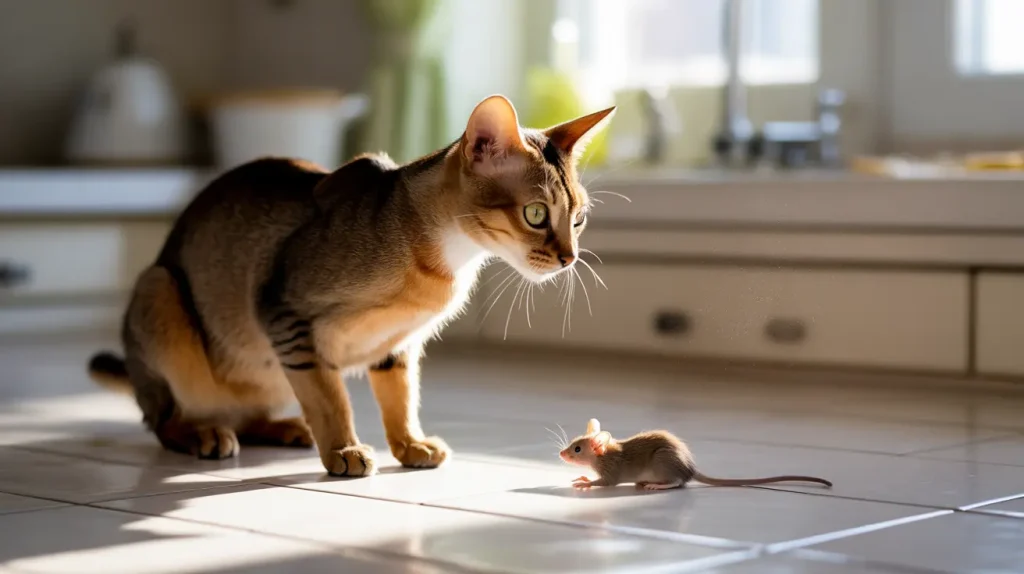
Have you ever wondered if your house cat really eats mice? You might think it’s just a myth or something from old stories.
But the truth is more interesting than you expect. Understanding what your cat does with those tiny, quick creatures can change the way you see your furry friend. Keep reading to discover surprising facts about your cat’s hunting habits and why those little mice matter more than you think.
Instincts And Behaviors
House cats often surprise their owners with sudden bursts of energy and curiosity. These moments aren’t random—they stem from deep-rooted instincts and behaviors that shape how cats interact with their environment. Understanding these instincts helps explain why cats might chase after mice or even toys that mimic prey.
Hunting Instincts
Every cat carries hunting instincts inherited from their wild ancestors. Even well-fed house cats may hunt because it’s embedded in their nature, not just out of hunger.
You might notice your cat crouching low, eyes fixed, and tail twitching—signs that their hunting mode is active. This behavior is a precise combination of patience, focus, and quick reflexes designed to catch small animals like mice.
Have you ever seen your cat silently stalking a toy or a shadow on the wall? That’s the same instinct at work, showing how deeply ingrained the need to hunt really is.
Play Vs. Prey Drive
It’s easy to confuse your cat’s playful antics with actual hunting. But there’s a difference between play and prey drive, even though they often overlap.
Play is usually lighthearted and repetitive. Your cat may bat a toy around or chase a laser pointer, enjoying the activity without the serious focus of hunting.
Prey drive, however, involves intense concentration and a clear goal: capturing and sometimes killing the target. This drive can lead cats to attack mice with precision and determination.
Think about your own cat’s behavior—does it pounce with purpose or just swat casually? Recognizing this difference can help you understand whether your cat’s interest in mice is instinctive hunting or playful curiosity.

Credit: www.discovermagazine.com
Dietary Needs
Understanding your house cat’s dietary needs is crucial if you’re wondering whether mice can be a part of their diet. Cats are natural hunters, and mice often seem like an ideal snack. But do mice provide the right nutrition your cat requires daily? Let’s break down what mice offer and why supplementing with cat food remains important.
Nutritional Content Of Mice
Mice are rich in protein and fat, essential for your cat’s energy and muscle health. A typical mouse contains:
- High-quality protein:Supports muscle repair and growth.
- Fat content:Provides a dense energy source.
- Vitamins and minerals:Includes calcium and phosphorus, important for bones.
However, mice lack certain nutrients like taurine, which cats must get from their diet. Have you noticed your cat’s hunting habits? While they may catch mice, it’s not enough to meet all their dietary needs.
Supplementing With Cat Food
Even if your cat occasionally eats mice, you should still provide balanced commercial cat food. These foods are formulated to fill nutritional gaps that natural prey can’t cover. For example:
- Cat food contains added taurine, essential for heart and eye health.
- Vitamins and minerals are balanced to support overall well-being.
- They offer consistent calorie levels to maintain healthy weight.
Does your cat prefer hunting over eating their bowl? You might find mixing a bit of fresh food with their regular diet encourages better eating habits while ensuring they get all nutrients.
Health Implications
Eating mice might seem natural for house cats, but it can affect their health. Wild mice carry risks that cats may face after hunting or eating them. Understanding these health implications helps pet owners keep their cats safe and healthy.
Potential Risks Of Eating Mice
House cats hunting mice can get hurt or sick from hidden dangers. Sharp bones or fur pieces can cause choking or stomach problems. Eating mice may also lead to digestive upset, vomiting, or diarrhea. Sometimes mice carry poisons from traps or chemicals, which can poison cats. These risks make it important to watch your cat’s behavior after they catch a mouse.
Parasites And Diseases
Mice often carry parasites that infect cats. Fleas, ticks, and worms can transfer to cats during hunting. Worm infections like tapeworms come from eating infected mice. Cats may also catch diseases such as toxoplasmosis or plague from rodents. These illnesses can cause fever, weakness, or worse health issues. Regular vet check-ups and parasite prevention help protect cats from these threats.

Credit: www.animalhumanesociety.org
Environmental Factors
Environmental factors play a key role in whether house cats eat mice. The surroundings and living conditions influence a cat’s hunting behavior. Some cats have more chances to catch mice than others. Understanding these factors helps explain why some cats hunt while others don’t.
Access To Mice
Access to mice affects a cat’s opportunity to hunt. Cats living in places with many mice often catch them. If mice are scarce, cats may not show interest in hunting. Cats in homes or buildings with poor pest control find fewer mice to catch. Areas like barns, sheds, or rural homes tend to have more mice. Cats in these places usually have higher chances to eat mice.
Indoor Vs. Outdoor Cats
Indoor cats rarely catch mice. Their environment limits contact with rodents. Indoor cats often get food from their owners. Outdoor cats roam freely and can hunt more easily. They encounter mice in gardens, fields, or alleys. Outdoor cats often rely on hunting for fun or food. This difference shapes the eating habits between indoor and outdoor cats.
Training And Behavior Modification
Training and behavior modification play a key role in managing your cat’s hunting instincts, especially if you want to reduce or stop them from chasing mice. Cats are natural hunters, but that doesn’t mean their behavior can’t be guided in a way that suits your home environment. Understanding how to discourage hunting and redirect your cat’s energy can make living with your feline friend more enjoyable for both of you.
Discouraging Hunting
To discourage your cat from hunting mice, start by making the environment less attractive for hunting. Remove easy access to mice by sealing entry points and keeping your home clean from food crumbs that attract rodents.
When your cat shows hunting behavior, gently interrupt it with a firm voice or distraction. Avoid harsh punishment as it can cause fear and damage your relationship with your pet.
Consider using deterrents like citrus scents or commercial repellent sprays near common mouse entry points. These can help reduce your cat’s interest in those areas without causing stress.
Redirecting Energy
Redirecting your cat’s energy into play is one of the most effective ways to reduce mouse hunting. Engage your cat with interactive toys like feather wands, laser pointers, or puzzle feeders.
Schedule regular play sessions, especially during dawn and dusk when cats are naturally more active. This helps satisfy their hunting drive in a positive way.
Have you noticed how your cat’s eyes light up when chasing a toy? Use that excitement to keep them busy and mentally stimulated, which lowers the urge to hunt real mice.

Credit: www.shutterstock.com
Myths And Misconceptions
Many people believe house cats are natural hunters that eat mice to keep homes pest-free. This idea has been passed down for generations. But the truth is more complex. Cats do hunt, but their eating habits vary widely. Some cats may catch mice and not eat them at all. Others might eat only parts or leave the catch behind. Understanding these myths helps pet owners know their cats better.
Cats As Natural Pest Controllers
Cats have a strong hunting instinct. They are often seen chasing small animals like mice. This behavior has led to the belief that cats control pests naturally. While cats can reduce mouse populations, they are not reliable pest controllers. Many cats hunt for fun, not food. Some cats ignore mice completely. Relying solely on cats for pest control is not effective.
Misunderstood Hunting Behavior
Cats often bring caught mice as “gifts” to their owners. This can confuse many people. Cats do not always eat their prey. Sometimes they play with it or leave it as a trophy. This behavior is linked to their wild ancestors. Hunting is more about practice and instinct than hunger. Understanding this helps clarify why cats do not always eat mice.
Frequently Asked Questions
Do House Cats Naturally Hunt And Eat Mice?
Yes, house cats have a natural hunting instinct. They often catch and eat mice as part of their diet. This behavior helps control rodent populations around homes.
Can Indoor Cats Eat Mice Safely?
Indoor cats can eat mice safely if the mice are healthy. However, wild mice may carry diseases or parasites. It’s best to monitor your cat’s health if it consumes mice.
Do All House Cats Like Eating Mice?
Not all house cats like eating mice. Preferences vary by individual cat and their exposure to hunting. Some cats may ignore mice, while others actively hunt and eat them.
How Do Cats Catch Mice Effectively?
Cats use stealth, patience, and quick reflexes to catch mice. Their sharp claws and teeth help them capture and kill rodents efficiently, making them skilled hunters.
Conclusion
House cats often eat mice because it matches their natural hunting skills. Catching mice keeps cats active and mentally sharp. Not all cats will hunt, but many do enjoy the chase. Mice can provide extra nutrition, but cats need balanced food too.
Watching a cat catch a mouse can be fascinating to see. Understanding this behavior helps pet owners care better for their cats. Cats and mice have a long history together, shaping cat instincts today. This hunting trait shows how cats stay connected to their wild roots.
