

Are you wondering how many rabies shots your cat needs to stay safe and healthy? Protecting your furry friend from rabies is crucial, but the vaccination schedule can seem confusing.
Knowing the right number of shots and when to give them can make all the difference in keeping your cat protected. You’ll discover exactly how many rabies shots your cat needs, why they are important, and what to expect during the process.
Keep reading to ensure your cat gets the best care possible.
Rabies And Its Impact On Cats
Rabies is a deadly virus that affects the nervous system of mammals, including your cat. Understanding its impact on cats helps you realize why vaccination is crucial. The disease is almost always fatal once symptoms appear, so prevention through rabies shots is key to protecting your feline friend.
What Rabies Does To Cats
Rabies attacks the brain and spinal cord, leading to severe neurological symptoms. Cats infected with rabies may show unusual behavior like aggression, excessive drooling, or paralysis. These signs can develop quickly, often within a few days after exposure.
Have you noticed sudden changes in your cat’s behavior? It could be a warning sign. Immediate veterinary attention is essential if you suspect rabies exposure.
How Cats Contract Rabies
Cats usually get rabies through bites from infected wild animals such as bats, raccoons, skunks, or foxes. Outdoor cats face higher risks because they encounter these animals more often. Even a small scratch or bite can transmit the virus.
Think about your cat’s environment. Does it roam freely or stay indoors? Limiting outdoor access reduces the chance of contact with rabid wildlife.
The Importance Of Rabies Vaccination
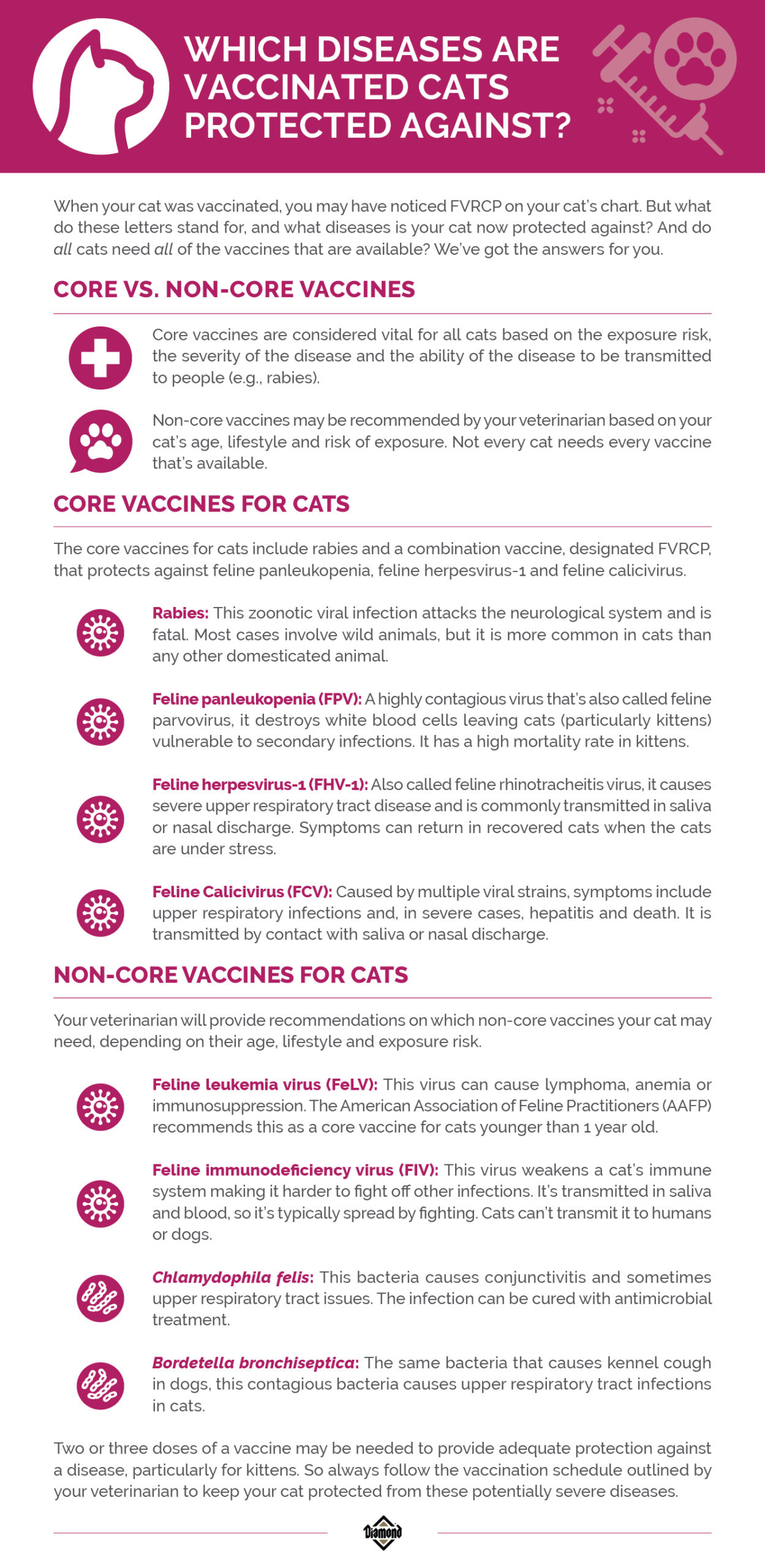
Vaccination is the most effective way to protect your cat from rabies. It not only safeguards your pet but also helps prevent the spread of this dangerous virus to humans and other animals. Many regions legally require cats to be vaccinated against rabies.
Remember, rabies shots are not one-time protection. Booster vaccines keep your cat safe over time. Have you checked your cat’s vaccination schedule recently?
Credit: www.diamondpet.com
Importance Of Rabies Vaccination
Rabies vaccination is vital for every cat’s health and safety. Rabies is a deadly virus that affects the brain and spinal cord. Once symptoms appear, it is almost always fatal. Protecting cats with rabies shots helps stop the virus from spreading to humans and other animals.
Vaccinating cats creates a shield against this dangerous disease. It keeps your cat safe from exposure to wild animals that might carry rabies. It also helps protect your family and community by reducing the risk of rabies transmission.
Protecting Your Cat From Fatal Disease
Rabies vaccination prevents a deadly infection. Without it, cats can catch rabies from wild animals like bats, raccoons, and skunks. Once infected, cats usually cannot survive. Vaccination acts as a strong defense to keep your cat healthy.
Legal Requirements For Rabies Vaccination
Many places require cats to be vaccinated against rabies by law. This rule helps control the spread of rabies in the community. Failing to vaccinate your cat can lead to fines or other penalties. Following these laws keeps everyone safer.
Protecting Humans And Other Pets
Rabies can spread from cats to humans and other pets through bites or scratches. Vaccinated cats are less likely to carry or pass the virus. This lowers the chances of rabies outbreaks and protects loved ones in your home.
Community Health Benefits
Widespread rabies vaccination in cats helps reduce cases of rabies in wildlife and stray animals. This creates a safer environment for all pets and people. Vaccinating your cat supports public health efforts to control rabies.
Vaccination Schedule For Kittens
Setting up the right vaccination schedule for kittens is key to protecting them from rabies early in life. Kittens are vulnerable to many diseases, and timely rabies shots help build their defense. Understanding when to start and how often to boost their immunity can make a big difference in their health journey.
Initial Vaccination
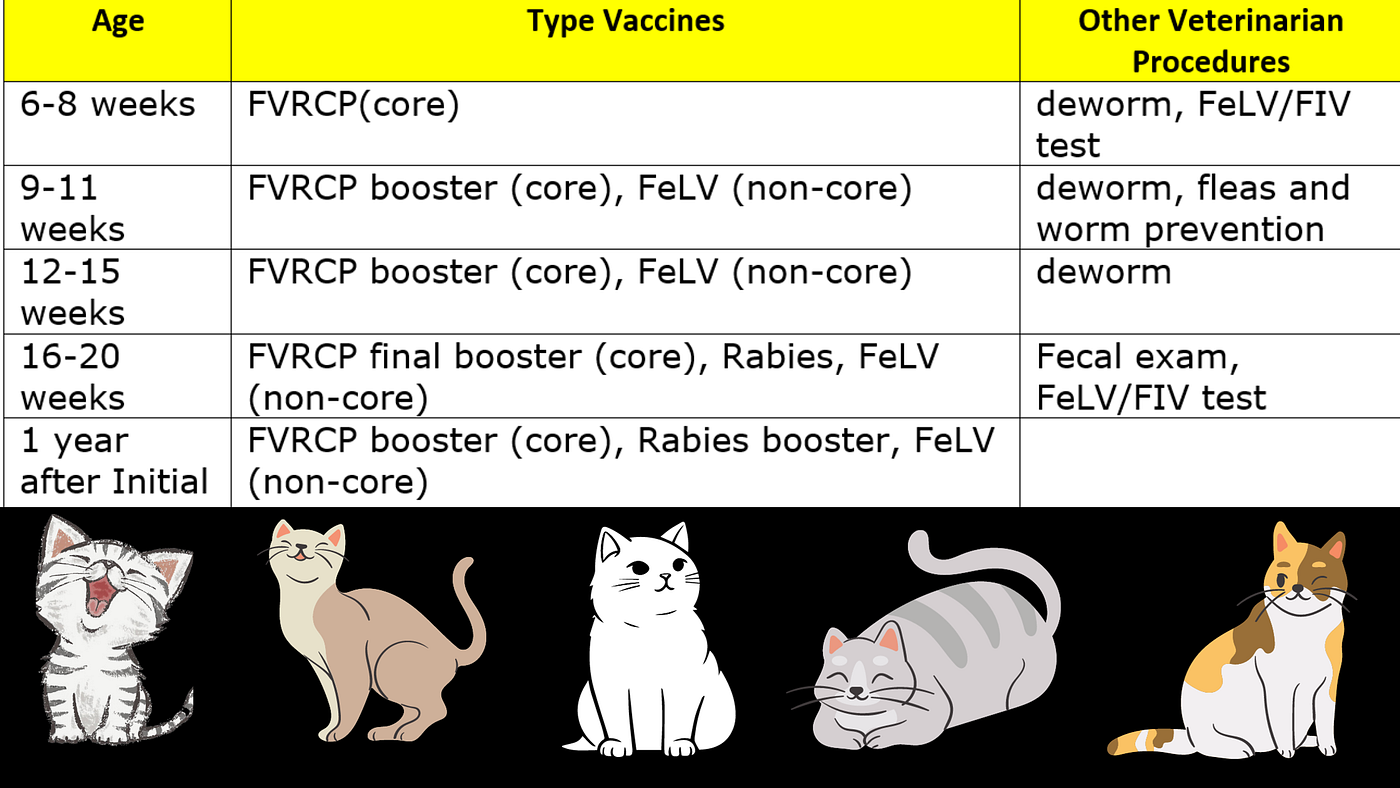
The first rabies shot is usually given when your kitten is around 12 weeks old. This timing helps ensure their immune system is mature enough to respond effectively. Some vets may recommend waiting until your kitten reaches 3 months, as this is often the legal minimum age for rabies vaccination.
Remember, the initial shot is not just a formality—it’s a critical step to safeguard your kitten from a deadly virus. Missing this window can leave your pet exposed. Have you scheduled your kitten’s first vet visit yet?
Booster Shots
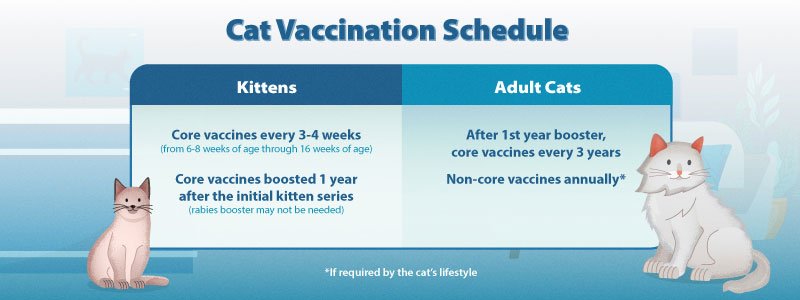
After the initial vaccination, booster shots are necessary to maintain protection. Typically, your kitten will need a booster one year after the first shot. This helps reinforce their immunity and ensures long-term defense.
Subsequent boosters are usually given every one to three years, depending on your local laws and vet’s advice. Keeping track of these dates can be challenging, but it’s essential for ongoing safety. How do you plan to remind yourself about your cat’s booster schedule?

Credit: millsanimalhospital.com
Vaccination Schedule For Adult Cats
Keeping your adult cat protected against rabies is crucial for their health and your peace of mind. Understanding the vaccination schedule helps you stay on top of their shots and avoid any lapses. Let’s look at what the typical vaccination routine looks like for adult cats.
Annual Vaccination
Most adult cats need a rabies booster shot every year or every three years, depending on the vaccine type used and local laws. Your vet will recommend the best option based on your cat’s health and risk factors.
Don’t skip these boosters—they keep your cat’s immunity strong and prevent the disease from spreading. Missing a shot could leave your cat vulnerable, especially if they ever come into contact with wild animals.
Think about your last vet visit. Did you ask about the rabies booster? If not, consider scheduling a check-up soon to keep your cat’s protection up to date.
Considerations For Indoor Cats
You might wonder if indoor cats really need rabies shots since they don’t roam outside. While indoor cats have a lower risk, vets still recommend vaccination because accidents happen—doors left open, visits to the vet, or encounters with other pets.
Some regions legally require all cats to be vaccinated regardless of lifestyle. Checking your local regulations is key to avoid fines or complications.
Vaccinating indoor cats also helps protect your family, as rabies can spread to humans. Would you want to risk that just because your cat stays inside most of the time?
Potential Side Effects Of Rabies Vaccines
Vaccinating your cat against rabies is essential for its health and safety. However, like any vaccine, rabies shots can cause side effects. Understanding these potential reactions helps you keep a close eye on your cat’s well-being after the vaccination.
Common Reactions
Most cats handle rabies vaccines well, but some may show mild side effects. You might notice:
- Soreness or swelling at the injection site
- Temporary lethargy or tiredness
- Reduced appetite for a day or two
- Sneezing or mild respiratory symptoms
These reactions usually disappear within 24 to 48 hours. If your cat seems a bit off but is still drinking water and moving around, it’s often nothing to worry about. Have you ever noticed your cat acting sleepy after a vet visit? It’s a sign the vaccine is working but your cat’s body is also reacting naturally.
When To Contact A Veterinarian
While rare, serious side effects require immediate attention. You should contact your vet if your cat experiences:
- Severe swelling or lumps that don’t go away
- Difficulty breathing or wheezing
- Repeated vomiting or diarrhea
- Unusual behavior like constant scratching or aggression
- Collapse or seizures
Don’t hesitate to reach out if you’re unsure. Your vet can guide you on the best steps to take to keep your cat safe. What would you do if your cat showed signs of an allergic reaction after vaccination?
Legal Requirements And Recommendations
Understanding the legal requirements and recommendations for rabies shots in cats is important for every pet owner. These rules protect both animals and people from the risks of rabies. Laws vary by location, and vets provide expert advice to keep your cat safe.
State And Local Laws
Every state sets its own rules about rabies vaccinations for cats. Some states require annual shots. Others allow a three-year vaccine after the first dose. Cities or counties may have extra rules too. Following these laws helps avoid fines and keeps your cat protected.
Most places require proof of vaccination to license your cat. This proof must come from a licensed vet. If a cat bites someone, rabies vaccination records become very important. Always check local laws to know the exact requirements in your area.
Veterinary Guidelines
Veterinarians recommend starting rabies shots when kittens are around 12 weeks old. The first shot is usually followed by a booster one year later. After that, cats often get vaccinated every one to three years.
Vets consider the cat’s health, lifestyle, and local risks before advising on the schedule. Outdoor cats face higher risks and may need more frequent shots. Indoor cats might have a different schedule but still require protection.
Regular vet visits ensure your cat stays up to date. Vets also check for side effects and overall health during vaccination appointments. Following their advice keeps your cat safe and healthy.
Tips For A Stress-free Vaccination Visit
Vaccination visits can be stressful for cats and their owners. A calm visit helps your cat stay relaxed and safe. Simple steps before and after the visit ease tension and support your cat’s health.
Preparing Your Cat
- Keep your cat’s carrier out a few days before the visit.
- Place a soft blanket inside the carrier for comfort.
- Use familiar toys or treats to make the carrier inviting.
- Talk to your cat gently to reduce anxiety.
- Schedule the visit during quiet times to avoid crowds.
- Drive calmly and avoid loud noises in the car.
Post-vaccination Care
- Watch your cat for any unusual behavior or swelling.
- Provide a quiet, warm place for your cat to rest.
- Offer small meals and water but do not force eating.
- Keep your cat indoors for at least 24 hours after the shot.
- Contact your vet if your cat shows signs of illness or distress.
- Give extra attention and gentle petting to comfort your cat.
Credit: medium.com
Frequently Asked Questions
How Many Rabies Shots Do Cats Usually Need?
Cats typically need one initial rabies shot followed by a booster after one year. After that, boosters are given every one to three years, depending on local laws and the vaccine type.
When Should Cats Get Their First Rabies Vaccination?
Kittens should receive their first rabies shot at around 12 to 16 weeks of age. This timing ensures their immune system responds effectively to the vaccine.
Are Rabies Boosters Mandatory For Cats?
Yes, most regions legally require rabies boosters for cats. This keeps them protected and helps prevent the spread of rabies to humans and animals.
Can Rabies Vaccines Harm My Cat?
Rabies vaccines are generally safe with rare side effects. Mild reactions like soreness or mild fever may occur but serious issues are uncommon.
Conclusion
Cats need rabies shots to stay healthy and safe. Usually, kittens get a first shot at three months old. Then, a booster follows one year later. After that, shots are given every one to three years. Check with your vet for local rules and schedules.
Keeping your cat’s rabies shots current protects them and others. It also helps avoid legal trouble. Vaccinating your cat is a small step with big benefits. Stay informed and keep your furry friend protected. Simple care can prevent serious risks.
