

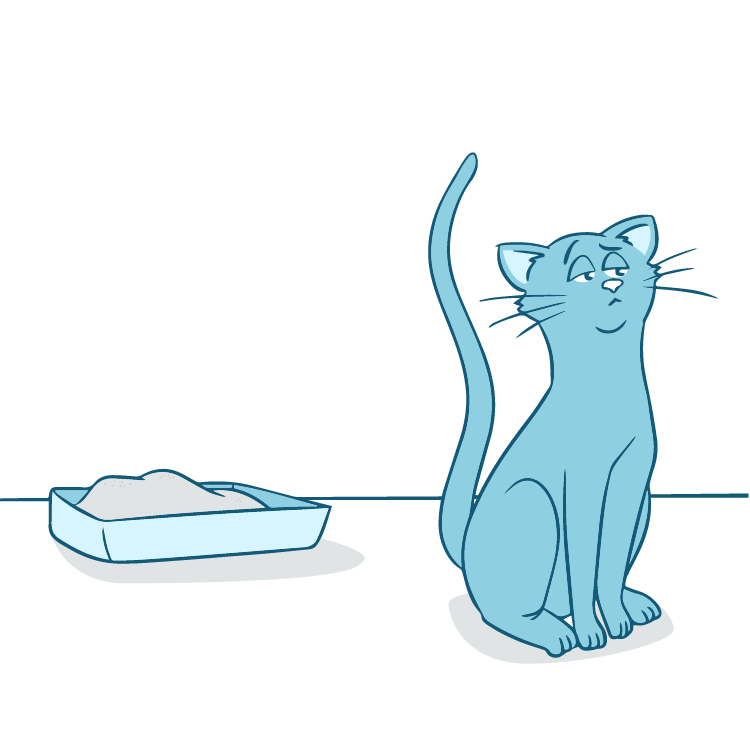
Have you ever wondered if your cat needs potty training? You might think cats just know where to go, but the truth is a bit more complex.
Understanding whether your furry friend needs some guidance can save you from unexpected messes and keep your home fresh. You’ll discover the simple secrets to helping your cat use the litter box like a pro—and why it matters for both of you.
Keep reading to find out how to make potty time stress-free and easy!

Credit: www.amazon.com
Understanding Cat Behavior
Understanding your cat’s behavior is key to answering whether they need potty training. Cats are not just tiny, fluffy creatures; they have instincts and preferences that shape their bathroom habits. Paying attention to these can save you time and frustration.
Natural Instincts
Cats have a built-in habit to bury their waste. This instinct keeps their scent hidden from predators and rivals in the wild. You might notice your cat digging in the litter box or even in soil outside—this is their nature at work.
Have you seen a cat refuse to use a dirty litter box? That’s because they prefer cleanliness to avoid attracting attention. Recognizing this instinct helps you understand why regular litter box maintenance matters so much.
Litter Box Preferences
Not all litter boxes are created equal in your cat’s eyes. Some cats prefer covered boxes for privacy, while others want an open space where they can see their surroundings. You may need to try different types to find what your cat likes best.
Texture and smell of the litter also play a big role. Cats often avoid scented litters or those with large, rough granules. Observing your cat’s reaction when you change litter can reveal their preferences.
Knowing these behaviors means you can set up the perfect potty spot that your cat will use consistently. What small changes could you make today to meet your cat’s natural needs?
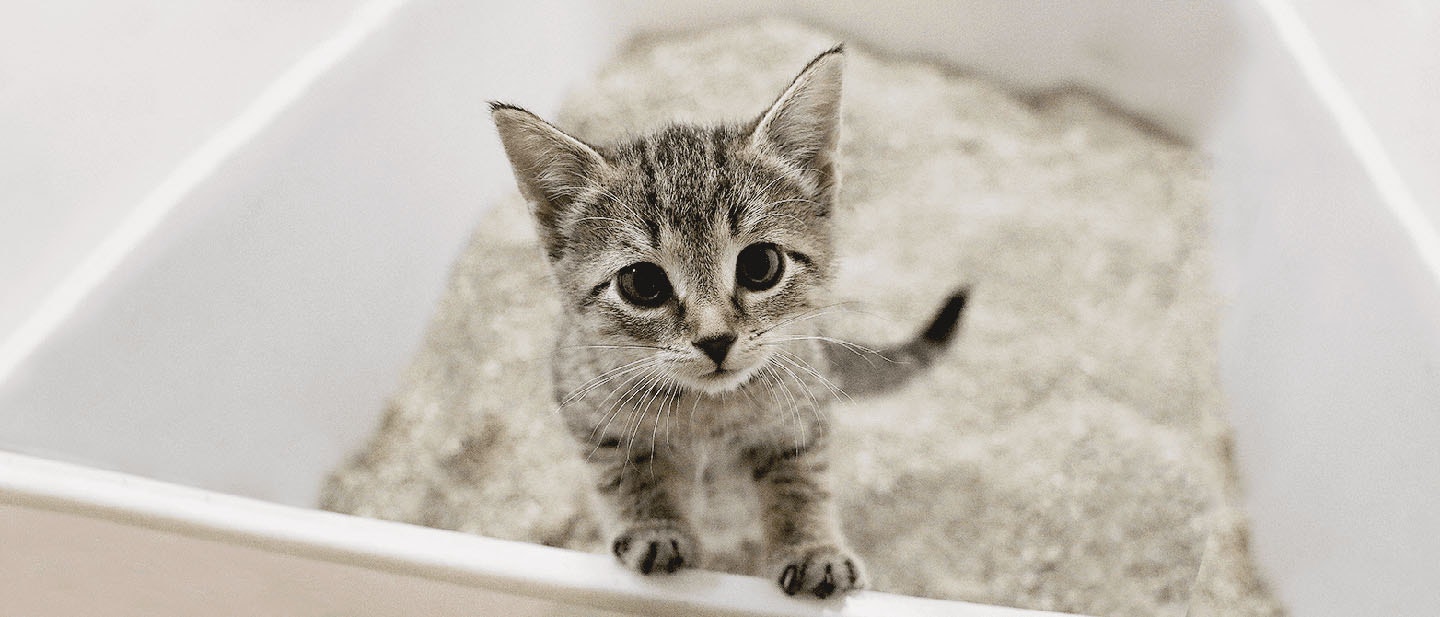
Credit: www.whiskas.com.ph
Choosing The Right Litter Box
Choosing the right litter box is a key step in helping your cat develop good potty habits. The right box makes the experience comfortable and stress-free for your cat, which encourages consistent use. It’s not just about buying the first box you see — understanding your cat’s needs will make all the difference.
Types Of Litter Boxes
There are many litter box styles, each with pros and cons depending on your cat’s personality and your home setup. Open boxes are simple and easy to clean but offer less privacy. Covered boxes provide privacy and control odor but can trap smells if not cleaned frequently.
Self-cleaning boxes reduce your chores but can scare shy cats due to noise and movement. You might want to try a traditional box first, then experiment if your cat resists using it. Have you noticed your cat’s preference for privacy or openness? That clue will guide your choice.
Optimal Box Size And Placement
Your cat needs enough space to turn around comfortably inside the box. A good rule is the box should be at least 1.5 times the length of your cat from nose to tail. Smaller boxes can cause accidents simply because your cat feels cramped.
Placement matters just as much as size. Avoid noisy or high-traffic areas — cats want a quiet spot to feel safe while they go. Near a food or water bowl is a no-go; cats naturally avoid eliminating near where they eat.
Think about your home layout. Is there a calm corner or spare bathroom that could work? Sometimes moving the box a few feet can solve litter issues you thought were behavioral problems.
Selecting The Best Cat Litter
Selecting the best cat litter plays a big role in potty training success. Cats prefer certain textures and smells. The right litter keeps your cat comfortable and the area clean. Choosing well can prevent accidents and make cleaning easier.
Clumping Vs Non-clumping
Clumping litter forms solid clumps when wet. This makes scooping simple and quick. It helps control odor by trapping waste in lumps. Non-clumping litter absorbs moisture but does not form clumps. It may need more frequent changing. Clumping litter suits cats who like digging. Non-clumping can be softer for sensitive paws.
Scented Vs Unscented Options
Scented litter masks odors with added fragrances. Some cats may dislike strong smells. Unscented litter offers a natural scent. It is better for cats with allergies or sensitivities. Unscented types allow you to detect any unusual smells from health issues. Choose based on your cat’s comfort and household needs.
Introducing Your Cat To The Litter Box
Introducing your cat to the litter box is a key step in helping them develop good bathroom habits. Cats usually take to the litter box naturally, but how you present it can make a big difference. Your approach can either encourage your cat to use it confidently or cause confusion and accidents.
Placement Strategies
Choose a quiet and accessible spot for the litter box. Avoid noisy areas or places with heavy foot traffic, as cats prefer privacy when they do their business.
Keep the box away from your cat’s food and water bowls. Cats dislike eliminating near where they eat, so separate these areas to keep them comfortable.
Consider having multiple boxes if you have more than one cat. Place them in different locations to prevent territorial disputes and give each cat its own space.
Encouraging First Use
Show your cat the litter box right away after bringing them home or setting it up. Gently place them inside and let them explore the texture and smell.
If your cat seems hesitant, try gently scratching the litter with your fingers. This mimics digging and can attract your cat’s interest.
Reward your cat with praise or a small treat when they use the box. Positive reinforcement helps them associate the litter box with good experiences.
Have you noticed how some cats instinctively cover their waste while others don’t? Watching their natural behavior can give you clues on how to support their litter box training best.
Maintaining Cleanliness
Maintaining cleanliness in your cat’s litter area is key to healthy habits. A clean space encourages your cat to use the litter box regularly. It also keeps odors under control and prevents messes around your home. Consistency in cleaning helps your cat feel comfortable and reduces stress.
Regular Scooping
Scoop out waste from the litter box at least once a day. Removing clumps keeps the box fresh and inviting. Use a scoop with holes to let clean litter fall through. Dispose of waste in a sealed bag to control smells. Daily scooping stops bacteria from growing and keeps your cat healthy.
Deep Cleaning Schedule
Empty the entire litter box and wash it once a week. Use mild soap and warm water to clean the box well. Avoid harsh chemicals that can harm your cat or leave strong smells. Dry the box completely before adding fresh litter. Deep cleaning removes stains and prevents odor buildup over time.

Credit: www.purina.com
Troubleshooting Common Issues
Troubleshooting common issues with your cat’s potty habits can feel frustrating, but many problems have simple fixes. Understanding why your cat might avoid the litter box or suddenly change behavior helps you act quickly and keep your home clean. Let’s dive into two key areas where problems often arise and how you can solve them.
Avoiding Litter Box Aversion
Sometimes cats avoid their litter box for reasons you might not expect. It could be the type of litter, the box’s location, or even how often it’s cleaned. Cats are picky about their bathroom spots—have you ever considered if the box is too close to noisy appliances or heavy foot traffic?
Try these practical tips to make the litter box more inviting:
- Use unscented, fine-grained litter that feels soft on their paws.
- Place the box in a quiet, private area away from their food and water bowls.
- Clean the box daily to keep odors minimal and the litter fresh.
One cat owner shared how switching from a covered litter box to an open one made a huge difference. The cat clearly preferred the open design, which gave her more space and better airflow. What changes can you make today to better suit your cat’s preferences?
Addressing Health Concerns
If your cat suddenly stops using the litter box, health issues could be the cause. Urinary tract infections, kidney problems, or arthritis can make it painful or difficult for your cat to use the box properly. Ignoring these signs can lead to worse problems.
Watch for symptoms like:
- Frequent attempts to urinate with little output.
- Visible discomfort or vocalizing while using the litter box.
- Sudden accidents outside the box in an otherwise trained cat.
Consult your vet promptly if you notice these signs. Early treatment can relieve your cat’s pain and restore good bathroom habits quickly. How well do you know your cat’s normal behavior, and could you spot these warning signs early?
Training Tips For Kittens
Training kittens to use the litter box is simple with the right approach. Start early to build good habits that last a lifetime. Consistency and patience are key. Kittens learn quickly, so clear guidance helps them understand where to go.
Early Training Techniques
Begin by placing the kitten in the litter box after meals and naps. This encourages natural instincts to use the box. Keep the litter box clean and in a quiet, safe spot. Avoid moving it often to prevent confusion. Use a shallow box for easy access. Show the kitten how to dig in the litter. Watch closely and gently place them back in the box if they try elsewhere.
Reward-based Methods
Praise and small treats work well to reinforce good behavior. Give a treat immediately after the kitten uses the litter box. Use soft words and gentle petting to show approval. Avoid punishment; it can cause fear or stress. Positive reinforcement helps kittens feel safe and eager to learn. Repeat rewards consistently to build a strong habit.
Adapting For Older Cats
Older cats may need special care when it comes to potty training. Their needs change as they age. Adapting to these changes helps keep them comfortable and clean. It also reduces accidents and stress for both cat and owner.
Adjusting For Mobility
Older cats might have trouble moving quickly. Arthritis or joint pain can make jumping into a litter box difficult. Use a litter box with low sides for easy access. Place the box in a quiet, reachable spot. Avoid high or narrow boxes that can cause discomfort. Soft litter helps avoid hurting sensitive paws. Check regularly for signs of strain or difficulty.
Managing Changes In Behavior
Senior cats may change how they use the litter box. They might forget or avoid it due to confusion or stress. Watch for sudden changes in bathroom habits. Clean accidents gently to avoid fear or anxiety. Keep the litter box clean and odor-free to encourage use. Patience is key as older cats adjust to new routines. Consider vet advice for behavior or health issues affecting potty use.
Frequently Asked Questions
Do Cats Naturally Use A Litter Box?
Yes, cats instinctively bury their waste. This behavior usually helps them adapt quickly to a litter box without formal training.
How Long Does Cat Potty Training Take?
Most cats learn litter box use within a few days to a week. Consistency and cleanliness speed up the process.
What Are Common Potty Training Mistakes?
Common errors include dirty litter boxes, inconsistent placement, and punishing accidents. Positive reinforcement and patience are essential.
Can Kittens Be Potty Trained Easily?
Kittens adapt quickly to litter boxes, often within days. Early introduction and gentle guidance are key for success.
Conclusion
Cats usually learn to use the litter box on their own. Some cats may need gentle guidance and patience. Clean the litter box often to keep cats comfortable. Praise your cat when they use the right spot. Avoid punishment, as it can cause fear or stress.
A calm and consistent approach works best for training. Remember, every cat is different and learns at their own pace. Helping your cat with potty habits creates a happy home. Simple steps lead to successful potty training for cats.
