

If you have a cat, you might wonder, “Do I really need two litter boxes for just one cat?” It sounds like extra work, right? But what if having two litter boxes actually makes your cat happier and your home cleaner?
Understanding why this simple change can make a big difference will help you avoid common problems like accidents and stress—for both you and your furry friend. Keep reading to discover the surprising reasons why two litter boxes could be exactly what you and your cat need.
Ideal Cat Hygiene
Ideal cat hygiene is about more than just keeping your home clean; it directly affects your cat’s health and happiness. Cats are naturally clean animals who prefer a tidy bathroom environment. Providing two litter boxes helps meet their high standards and prevents accidents around the house.
Reduces Stress And Encourages Use
Imagine having only one bathroom for your entire household. It would quickly become inconvenient and stressful. Your cat feels the same way with just one litter box, especially if it’s busy or smells unpleasant.
By offering two litter boxes, you give your cat options. This reduces stress and encourages regular use, which is essential for monitoring their health.
Prevents Litter Box Aversion
Cats may avoid a dirty or overcrowded litter box. This can lead to inappropriate elimination behaviors, like peeing outside the box. Having two boxes means one can be cleaned while the other is still available.
This simple approach keeps your cat comfortable and maintains their trust in their bathroom space.
Supports Multiple Cat Households And Territorial Needs
Even if you have only one cat, they may act territorial or prefer different locations. Two litter boxes placed in separate areas can prevent territorial disputes or anxiety.
Does your cat sometimes seem picky about where they go? Multiple boxes give them freedom to choose, which helps maintain ideal hygiene habits.

Credit: neakasa.com
Benefits Of Multiple Litter Boxes
Having more than one litter box for your cat might seem like extra work, but it brings clear benefits that improve your cat’s well-being and your home’s cleanliness. Multiple litter boxes help create a more comfortable environment and can prevent problems before they start. Let’s look at how adding a second litter box can make a big difference.
Reducing Territorial Stress
Cats are naturally territorial. When they have to share one litter box, it can cause stress and tension. By providing two boxes, you give your cat options and reduce competition for space.
This simple change can stop your cat from feeling trapped or anxious, leading to a happier, calmer pet. Have you noticed your cat avoiding the box or acting restless? Adding a second box might be the solution.
Preventing Behavioral Issues
Some cats develop unwanted habits like urinating outside the litter box when they feel crowded or stressed. Having two litter boxes can prevent this behavior by offering more opportunities to use the bathroom comfortably.
It’s easier to keep the litter clean and fresh when you have multiple boxes, which encourages your cat to use them consistently. This small step helps maintain good bathroom habits and keeps your home smelling fresh.
Enhancing Comfort And Accessibility
Think about where you place the litter boxes. If both are in separate, quiet areas, your cat can choose the spot that feels safest at any moment.
Accessibility is especially important for older cats or those with mobility issues. Two boxes mean your cat won’t have to travel far when nature calls, reducing discomfort and accidents.
Have you ever considered how your cat’s litter box location affects their willingness to use it? Multiple boxes let you experiment with different spots to find the best setup for your feline friend.
Optimal Litter Box Placement
Proper placement of litter boxes plays a big role in a cat’s comfort and health. Cats need spaces that feel safe and quiet for their bathroom habits. Placing two litter boxes correctly helps reduce stress and keeps your home cleaner.
Choosing spots that suit your cat’s natural behavior improves their willingness to use the boxes. It also prevents accidents and territorial issues. Careful placement supports the idea that two litter boxes are better than one for one cat.
Avoiding High Traffic Areas
Cats dislike crowded or noisy places for their litter boxes. Avoid spots near doors, busy hallways, or loud appliances. A calm area helps your cat feel relaxed while using the box.
High traffic zones can cause your cat to avoid the litter box. This leads to accidents or stress. Place boxes in quiet corners or rooms with little foot traffic.
Ensuring Privacy And Safety
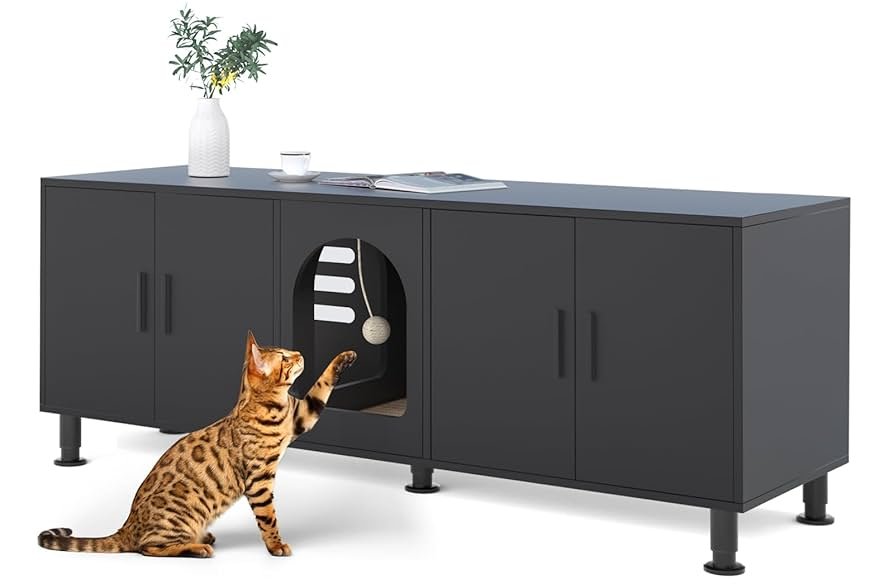
Privacy is essential for cats during bathroom time. Choose locations that offer shelter or partial enclosure. Boxes behind furniture or inside closets work well.
Safety matters too. Keep boxes away from hazards like cleaning chemicals or electrical cords. A safe and private spot encourages your cat to use both litter boxes regularly.
Addressing Common Concerns
Many cat owners wonder about the need for two litter boxes for one cat. Some common concerns include space limits and odor control. Understanding these issues helps create a better environment for both the cat and owner.
Space Constraints
Small homes or apartments may seem too tight for two litter boxes. Yet, placing two boxes in different rooms or corners can work well. Cats like privacy and separate spots for elimination. This reduces accidents outside the box. Using compact or covered litter boxes saves room. Proper placement avoids clutter and keeps the area tidy.
Managing Odor Control
One litter box can fill with odor quickly. Two boxes reduce the smell by spreading waste. Cleaning becomes easier and more effective. Change litter regularly and scoop at least once a day. Using two boxes gives the cat a fresh option. This helps prevent litter box avoidance and bad smells in the home.
Choosing The Right Litter Box
Choosing the right litter box is key to keeping your cat happy and healthy. The right box makes it easier for your cat to use and helps keep your home clean. Consider your cat’s size, habits, and preferences before buying a litter box.
Size And Design Considerations
Pick a litter box large enough for your cat to move freely. A cramped box can cause your cat to avoid using it. Look for boxes with low sides if your cat is small or elderly. High sides help contain litter scatter and odors.
Open litter boxes allow good airflow and easy access. Covered boxes offer privacy and reduce smell but may trap odors inside. Some cats prefer open designs, while others like covered ones. Watch your cat’s behavior to see what works best.
Self-cleaning Options
Self-cleaning litter boxes save time and effort. They automatically scoop waste into a separate compartment after each use. This keeps the box clean and fresh for your cat.
Not all cats accept self-cleaning boxes right away. Some may be scared by the noise or movement. Introduce the box slowly and monitor your cat’s reaction. These boxes need power and more maintenance but can improve hygiene greatly.
Maintaining Cleanliness
Maintaining cleanliness is a key reason why having two litter boxes for one cat makes a big difference. Cats are naturally clean animals, and they prefer a tidy space to do their business. By providing two boxes, you reduce the chances of your cat avoiding a messy or overcrowded litter box, which helps keep your home fresher and your cat happier.
Regular Cleaning Schedule
Keep both litter boxes clean by scooping waste at least once a day. This habit prevents odors and discourages your cat from searching for cleaner spots around your home. You might find it easier to set a daily reminder, so this task becomes part of your routine.
How often do you check your cat’s litter box? If you notice any unpleasant smell or clumps sticking to the bottom, it’s a sign you need to clean more frequently. Two boxes also mean you can alternate cleaning days, giving each box a thorough wash and fresh litter without leaving your cat without a place to go.
Litter Replacement Tips
Changing the litter completely should happen regularly to maintain a fresh environment. Depending on the type of litter you use, replace it every one to two weeks. Two litter boxes allow you to replace litter in one box while the other remains available.
Use unscented, clumping litter to make cleaning easier and more effective. Cats often dislike strong smells, so choose a gentle option to keep your cat comfortable. Remember, a clean box encourages your cat to use it consistently, preventing accidents around your home.
Signs Your Cat Needs Another Litter Box
Noticing changes in your cat’s bathroom habits can be a clear signal. Cats need comfort and privacy when using their litter box. Sometimes, one box is not enough to meet their needs. Recognizing signs early helps keep your home clean and your cat happy.
Avoidance Behavior
Your cat may start avoiding the litter box if it feels crowded or dirty. Watch for these signs:
- Reluctance to enter the box
- Waiting outside or near the box without using it
- Choosing unusual places to eliminate, like corners or under furniture
Adding a second litter box can reduce stress and give your cat options.
Frequent Accidents
Accidents outside the litter box often mean your cat needs another box. Common signs include:
- Urine or feces on carpets or floors
- Repeated accidents in the same spot
- Sudden changes in bathroom habits
Multiple boxes help prevent accidents by providing easier access and more space.

Credit: www.amazon.com
Expert Opinions And Studies
Experts and research provide strong reasons for having two litter boxes for one cat. They show how this simple step improves a cat’s health and comfort. Understanding these insights helps cat owners make better choices for their pets.
Veterinarian Recommendations
Veterinarians often advise keeping at least two litter boxes for one cat. This reduces the chance of accidents outside the box. Cats can be picky and may avoid a dirty or crowded box. Having an extra box lowers stress and keeps cats healthy.
Experts say multiple boxes help prevent urinary tract infections. Cats sometimes hold urine if the box is not clean or accessible. Two boxes mean cats have a backup option. This encourages regular use and helps maintain hygiene.
Behavioral Studies Insights
Studies on cat behavior show cats prefer having choices in their environment. Two litter boxes offer variety in location and texture. This satisfies their natural instincts and reduces anxiety.
Research reveals cats may avoid one box after a negative experience. An extra box helps them feel safe and secure. It also prevents territorial disputes in multi-cat homes, even if there is only one cat now.
Overall, studies confirm that providing two boxes supports healthy habits and happy cats.
Credit: medium.com
Frequently Asked Questions
Why Do Cats Need Two Litter Boxes?
Cats prefer separate boxes for urinating and defecating. Two boxes reduce stress and keep them clean. This helps prevent accidents outside the box and promotes healthy bathroom habits.
Can One Litter Box Cause Cat Behavior Issues?
Yes, one box can lead to territorial disputes or refusal to use it. Multiple boxes reduce anxiety and improve litter box use consistency. It also prevents litter box avoidance and related problems.
How Far Apart Should Litter Boxes Be Placed?
Place litter boxes in different quiet, accessible locations. This ensures privacy and reduces competition. Spacing helps your cat feel safe and encourages regular use of both boxes.
Does Having Two Litter Boxes Reduce Odors?
Yes, two boxes spread out waste, reducing odor concentration. Frequent cleaning is easier with two boxes. This keeps your home smelling fresher and improves your cat’s comfort.
Conclusion
Two litter boxes keep your cat happier and healthier. Cats like having choices for their bathroom needs. It helps prevent accidents and keeps odors down. Cleaning becomes easier with an extra box. Your cat feels less stressed and more comfortable.
This simple step supports good hygiene and behavior. Give your cat the space it needs. It’s a small change with big benefits. Try adding a second box today and see the difference. Your cat will thank you with purrs and smiles.
