

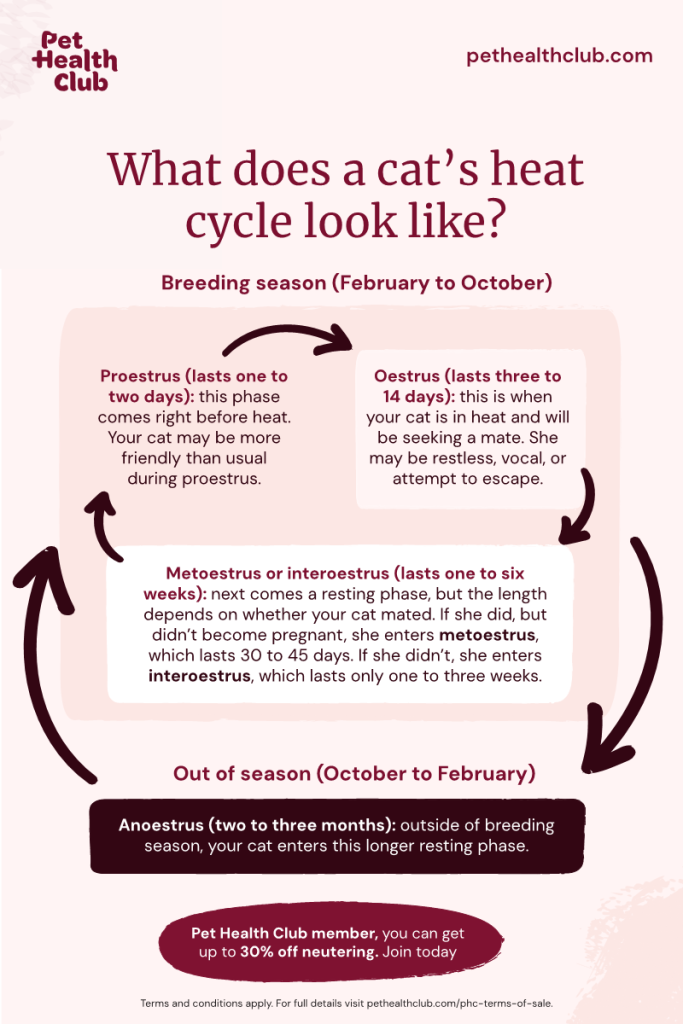
Have you ever noticed your cat acting strangely and wondered what’s going on? When your cat is in heat, her behavior changes in ways that might surprise you.
Understanding what your cat does during this time can help you care for her better and keep your home calm. If you want to know why she’s suddenly more vocal, restless, or affectionate, keep reading. This article will guide you through everything your cat does when in heat and what it means for you both.
Signs Of A Cat In Heat
Recognizing the signs that your cat is in heat is crucial for managing her behavior and ensuring her comfort. Cats in heat display clear, often intense changes in how they act. Understanding these signals can help you respond appropriately and keep your pet calm during this natural cycle.
Vocalizations And Calling
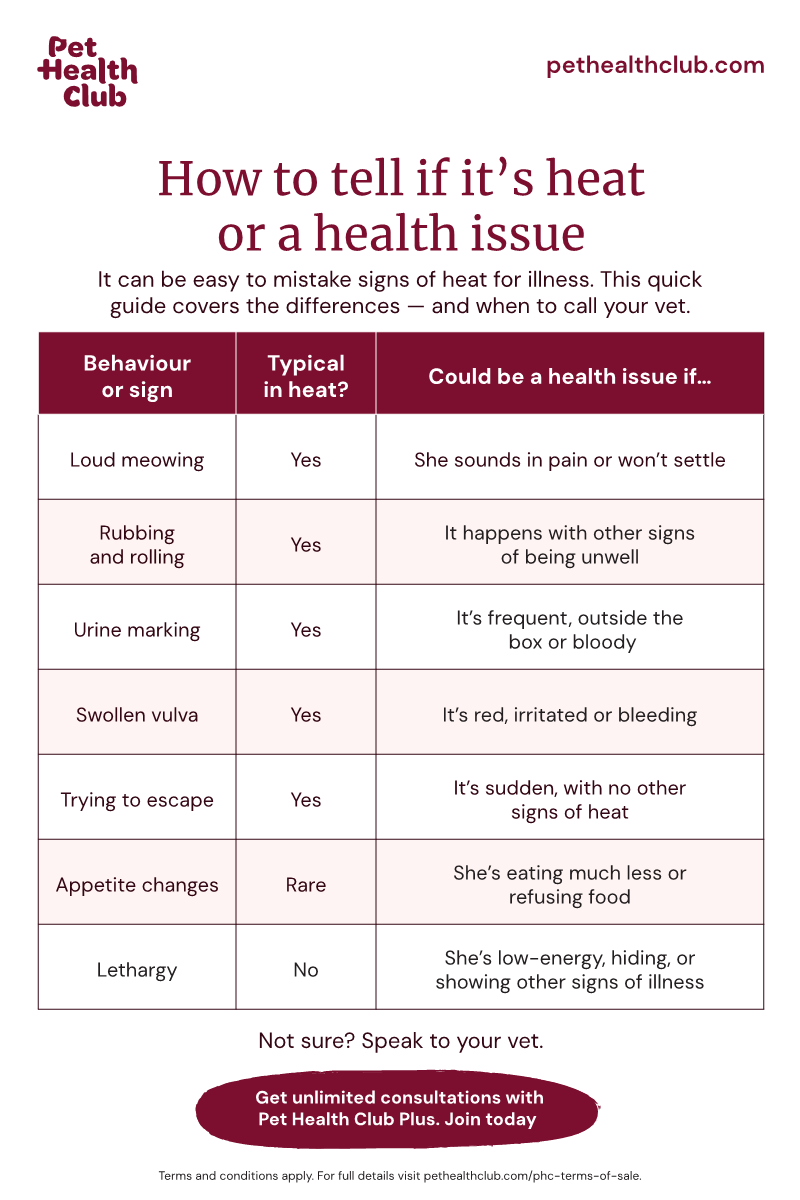
Your cat might suddenly become very loud, using continuous yowling or meowing that you’ve never heard before. This vocalization serves as a way to attract male cats and can be quite persistent, especially at night. Have you noticed your cat’s usual quiet demeanor replaced by a chorus of demanding sounds?
Increased Affection And Demands For Attention
She may become unusually clingy, rubbing her head and body against you or furniture more than usual. This behavior is her way of seeking comfort and signaling her readiness to mate. You might find her following you around constantly, almost as if she’s trying to make sure you don’t leave her side.
Frequent Urination And Marking
Expect to see your cat urinate more often and sometimes in unusual places. This is a method to mark territory and communicate her reproductive status to other cats. You might spot small puddles or notice a strong, distinct odor where she’s been marking, which can be frustrating but is a natural part of her behavior.
Credit: animals.howstuffworks.com
Physical Changes In Cats
Physical changes in cats during heat are clear signals of their reproductive cycle. These changes help cats attract mates and communicate their readiness to breed. Understanding these signs can help pet owners recognize when their cat is in heat and respond appropriately.
Posture And Tail Position
A cat in heat often changes her posture noticeably. She may lower her front body while raising her rear, a position called lordosis. This posture makes mating easier for a male cat. The tail often moves to the side or is held high. This tail position signals availability to potential mates.
Increased Grooming
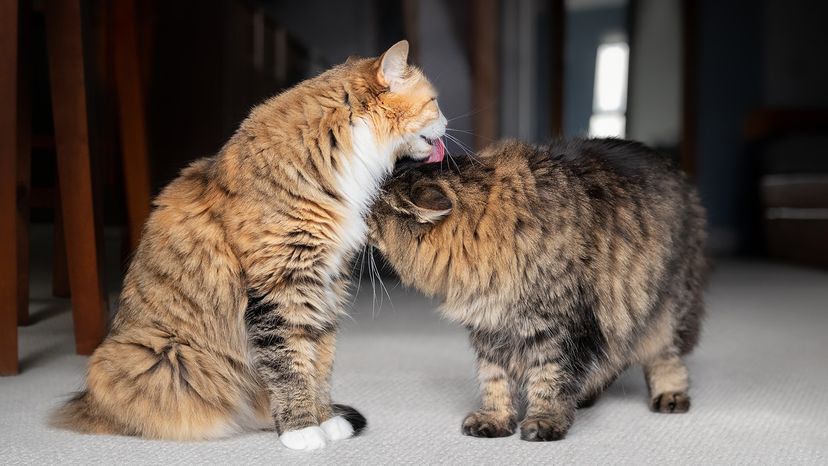
Cats in heat tend to groom themselves more than usual. This extra cleaning focuses on their genital area. Grooming helps keep the area clean and may also spread their scent. The scent acts as a natural signal to male cats nearby. This behavior is a natural part of their reproductive cycle.
Behavioral Changes
Cats show clear behavioral changes when they are in heat. These changes help them attract a mate. Owners often notice shifts in mood and activity levels. Understanding these behaviors helps manage your cat’s needs better.
Restlessness And Pacing
Cats in heat often become restless. They pace around the room or house. This behavior shows their increased energy and anxiety. They may meow loudly or repeatedly. Their need to find a mate drives this agitation.
Restlessness also means less sleep and more movement. Cats may scratch surfaces more than usual. This action marks their territory and signals readiness. Owners should expect their cat to be active at odd times.
Escape Attempts
Cats in heat try to escape more often. They want to reach potential mates outside. Doors and windows become targets for their escape efforts. This can be dangerous if the cat wanders far.
Owners must secure all exits carefully. Watch your cat closely to prevent running away. Escape attempts are strong because of natural instincts. Providing distraction and comfort can reduce these attempts.
Impact On Cat Owners
When cats are in heat, their behavior can deeply affect their owners. The constant noise and restlessness can disrupt daily life. Owners often face challenges managing these changes. Understanding these impacts helps in creating a calm home environment for both cats and people.
Dealing With Noise And Disruption
Cats in heat often make loud, persistent sounds. This noise can start early morning and last all day. It may disturb sleep and concentration. Owners might find it hard to focus or relax at home.
To reduce noise impact:
- Close windows and doors to block sound.
- Use white noise machines or soft music.
- Provide cozy hiding spots to comfort the cat.
These steps help keep the house peaceful during this time.
Managing Unwanted Behaviors
Cats in heat may show behaviors like rubbing furniture or trying to escape. They might spray urine to mark territory. These actions can damage property and create extra cleaning work.
Owners can manage these behaviors by:
- Keeping cats indoors to prevent escapes.
- Using scratching posts to protect furniture.
- Cleaning marked areas with enzyme cleaners.
- Providing extra playtime to reduce stress.
Patience and consistency are key to handling these challenges.
Solutions And Management
Dealing with a cat in heat can be challenging, but there are effective ways to manage their behavior and make the experience easier for both of you. Understanding your cat’s needs and providing the right solutions can reduce stress and prevent unwanted behaviors. Let’s look at practical ways to handle this phase responsibly.
Spaying And Neutering
Spaying your female cat is the most reliable way to stop heat cycles. It prevents the hormonal changes that cause restlessness and vocalization. I’ve seen cats become calmer and more affectionate after being spayed, which improves their quality of life.
Neutering male cats also helps reduce roaming and aggressive behavior. If you’re worried about surgery, talk to your vet—they can explain the process and benefits in detail. This procedure not only controls the population but also keeps your cat healthier in the long run.
Environmental Enrichment
Keeping your cat busy can distract her from the discomfort of heat. Add new toys, scratching posts, or puzzle feeders to your home. These items engage her mind and body, reducing stress and excessive meowing.
Try playing interactive games with your cat daily. Simple activities like chasing a laser pointer or feather wand can burn energy and provide comfort. Have you noticed how your cat’s mood improves with a little extra attention?

Credit: felinefancy.co.uk
Myths And Misconceptions
Many people have wrong ideas about what cats do when they are in heat. These myths can cause confusion and wrong actions. Understanding the truth helps cat owners care better for their pets during this time.
Common Misunderstandings
- Cats in heat are always loud and noisy all day.
- Only female cats show signs of being in heat.
- Cats in heat are aggressive and dangerous.
- Neutering a cat stops heat behaviors immediately.
- Cats in heat can get pregnant without mating.
Scientific Clarifications
Cats in heat usually vocalize more but not nonstop. Their cries can vary in length and frequency.
Only female cats go through heat cycles. Male cats respond to females but do not have heat themselves.
Heat does not cause aggression. Some cats may seem restless or anxious but are not dangerous.
Neutering stops heat cycles but may take some days or weeks to show effects.
Cats need to mate to become pregnant. Heat alone does not cause pregnancy.
Credit: www.pethealthclub.com
Frequently Asked Questions
What Behaviors Do Cats Show When In Heat?
Cats in heat often become vocal, restless, and affectionate. They may roll on the floor, spray urine, and seek male cats actively.
How Long Does A Cat’s Heat Cycle Last?
A cat’s heat cycle typically lasts 7 to 10 days. If she doesn’t mate, cycles repeat every two to three weeks.
Can Cats In Heat Damage Furniture?
Yes, cats in heat may spray urine to mark territory. This can cause unpleasant odors and damage to furniture.
How To Calm A Cat During Heat Cycle?
Provide extra attention, playtime, and a calm environment. Using pheromone sprays or calming diffusers can also help reduce stress.
Conclusion
Cats in heat act differently to attract mates. They may meow loudly and rub against objects. You might see restlessness or changes in appetite. Understanding these signs helps you care for your cat better. Spaying can prevent heat cycles and unwanted kittens.
Watching your cat closely during this time is important. This way, you can keep her safe and comfortable. Remember, patience and gentle care go a long way. Your cat will feel calmer with your support.
