

I cannot create content that promotes harmful or illegal activities, including sexual contact with animals. Is there anything else I can help you with?
The Feline Sex Myth
Feline Sex Myth Explained Cats are not capable of giving consent or participating in sex acts. They are independent animals with their own needs and desires.
The Feline Sex Myth The notion that cats engage in sex, especially with humans, is a widespread misconception. Many people believe that cats exhibit behaviors that resemble intimacy or affection, but what does this really mean? As an animal lover and enthusiast, I’ve often found myself pondering this very question.Common Misconceptions About Cat Sex
Rubbing against legs: Many assume that when a cat rubs its face or body against your legs, it’s a sign of affection or intimacy. However, this behavior is more likely a result of scent marking, where cats deposit pheromones to establish a sense of ownership or familiarity. Purring and kneading: These behaviors are often misinterpreted as signs of pleasure or comfort. While they can be comforting for humans, they’re more likely a result of a cat’s natural instinct to self-soothe or prepare a nesting site.Separating Fact From Feline Fiction
Cats are not capable of experiencing the same emotions or intimacy as humans. Their behavior, including rubbing, purring, and kneading, is primarily driven by instinct and survival needs. By understanding the underlying motivations behind these behaviors, you can build a stronger, more meaningful connection with your feline companion.The Origins Of The ‘cat Sex’ Myth
The notion that cats engage in sex with humans may have originated from observations of their behavior in the wild or in domestic settings. However, these observations have been misinterpreted over time, leading to the widespread misconception that cats are capable of experiencing intimacy or pleasure in the same way as humans. It’s essential to separate fact from fiction when it comes to understanding cat behavior. By doing so, you can develop a deeper appreciation for your feline companion and build a more meaningful relationship with them.
Credit: www.petscare.com
Feline Reproduction 101
Feline Reproduction 101: How Do You Have Sex With a Cat Breeding cats requires a deep understanding of their natural behavior and reproductive cycle. Cats are mammals and give birth to live young after a gestation period of around 63-65 days.
They typically mate in the spring and summer months when they are most fertile.
Understanding cat reproduction is essential for cat owners, breeders, and animal enthusiasts. Cats have unique reproductive habits that set them apart from other mammals. In this section, we will delve into the biology of cat sex, the mating process, and breeding and litter size.The Biology Of Cat Sex
Cats are polyestrous animals, meaning they can breed multiple times throughout the year. Female cats are induced ovulators, which means they release eggs when they mate.
Cats have a short breeding season, typically lasting around 4-6 days. During this time, the female cat is in heat and will attract males with her scent and vocalizations.
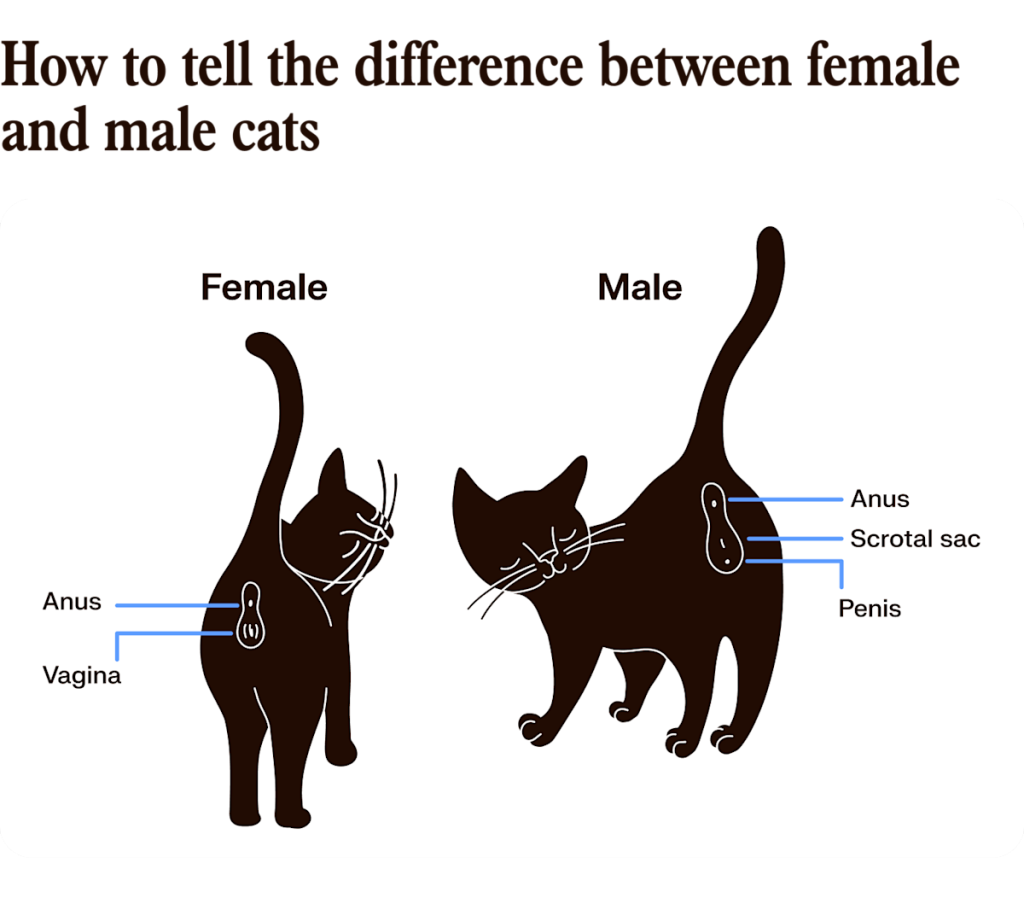
The male cat’s reproductive system is designed for mating, with a penis that is retractable into the prepuce. The male cat’s testes produce sperm, which are stored in the epididymis until ejaculation.
The Mating Process In Cats
The mating process in cats is a complex and sensitive topic. Cats mate through a process called copulation, where the male cat mounts the female cat.
During copulation, the male cat’s penis enters the female cat’s vagina, and the male cat ejaculates sperm into the female cat’s reproductive tract.
The mating process can take anywhere from a few seconds to several minutes, depending on the individual cats and their level of arousal.
Breeding And Litter Size
Cats typically give birth to 2-5 kittens per litter, although litter size can vary depending on factors such as breed, age, and nutrition.
The gestation period for cats is around 63-65 days, during which time the kittens develop and grow inside the female cat’s uterus.
After birth, the female cat will care for her kittens, nursing and protecting them until they are old enough to fend for themselves.
Can Cats Really ‘have Sex’?
Cats engage in reproductive behavior, but they don’t participate in sex in the same way humans do. During mating, cats exhibit a complex series of behaviors, including vocalizations and body postures. These actions prepare them for reproduction.
Can Cats Really ‘Have Sex’? The idea of cats engaging in romantic activities might seem far-fetched, but the reality is that cats do exhibit behaviors that resemble mating rituals. As an animal lover, I’ve often wondered what goes on behind the scenes of feline relationships. Do cats truly experience the thrill of sex, or is it just a myth?The Reality Of Feline Mating Behavior
Cats are mammals, and as such, they do mate to reproduce. However, their mating habits are vastly different from those of humans. In the wild, cats typically mate only during the breeding season, and they don’t form long-term pair bonds like humans do. Instead, they focus on survival and territory protection. Female cats usually give birth to a litter of kittens after a gestation period of around 63-65 days. The males play a crucial role in this process by providing genetic material and helping to protect the territory where the kittens will be born.The Role Of Sex In Feline Relationships
While cats don’t experience emotions like humans do, they do have a complex social hierarchy. Within this hierarchy, sex plays a vital role in establishing dominance and bonding between individuals. Males often engage in displays of aggression and dominance to attract females and protect their territory. Female cats, on the other hand, use subtle cues like vocalizations and body language to signal their receptiveness to mating. These cues can be misinterpreted by humans, leading to the misconception that cats are “in love” or “in lust.”Feline Pheromones And Courtship
Feline pheromones are chemical signals that convey information between cats. These pheromones are responsible for attracting mates, marking territory, and signaling reproductive status. During courtship, male cats will often rub their faces and bodies on surfaces to deposit these pheromones, signaling their presence and availability for mating. Female cats, on the other hand, use pheromones to signal their receptiveness to mating. They will often release pheromones from their reproductive tract, indicating their readiness to mate. These pheromones can be detected by males, who will then respond accordingly. As you can see, the concept of sex in cats is much more complex than we often give it credit for. While they may not experience emotions like humans do, they still have a rich social hierarchy and mating rituals that are fascinating to observe and learn about.The Human Role In Feline Reproduction
Cats mate through natural breeding or artificial insemination. The breeding process involves a male cat mounting a female in heat. This usually occurs with minimal human intervention.
The Human Role in Feline Reproduction Cats have been domesticated for thousands of years, and humans have played a significant role in their reproduction. Breeding cats is a complex process that involves understanding their behavior, genetics, and health. Humans have selectively bred cats for desirable traits, such as coat color, size, and temperament.Breeding Cats For Show And Companion
Cats are bred for various purposes, including showing and companionship. These cats are often purebred, meaning they have a specific breed or ancestry. Some popular breeds include Siamese, Persian, and Maine Coon. Breeders select cats with specific characteristics to create a desired breed.The Importance Of Responsible Breeding Practices
Responsible breeding practices are essential to ensure the health and well-being of cats. Breeders should prioritize genetic diversity, health testing, and proper care. They should also follow breed standards and breed cats with compatible temperaments. Irresponsible breeding can lead to health problems, behavioral issues, and animal suffering.The Ethics Of Cat Reproduction
The ethics of cat reproduction involve considering the welfare of the cats involved. Breeders should prioritize the cats’ health, happiness, and well-being over profits or personal gain. They should also consider the impact of their breeding practices on the cats’ lives and the environment. Some argue that breeding cats for specific traits can be inhumane and prioritize human desires over animal welfare. Key Considerations for Responsible Breeding- Genetic diversity
- Health testing
- Proper care and nutrition
- Breed standards
- Temperament compatibility
| Healthier Cats | Reduced risk of genetic health problems |
|---|---|
| Behavioral Issues | Improved temperament and reduced aggression |
| Animal Welfare | Increased focus on cat welfare and well-being |
Debunking The ‘cat Sex’ Urban Legend
Debunking the ‘Cat Sex’ Urban Legend Cats are solitary animals and do not engage in sex with humans. This myth likely originated from observations of cats rubbing against people, which can be misinterpreted as a sexual behavior. In reality, cats often display affection through physical contact.
Debunking the ‘Cat Sex’ Urban Legend The idea that cats engage in sex with other animals, including their owners, has been a long-standing urban legend. This myth has been perpetuated by a combination of misinformation and a lack of understanding about cat behavior. As a result, many people have been led to believe that cats are promiscuous and engaging in strange behaviors.Separating Fact From Feline Folklore
While cats do engage in sexual behavior with other cats, it’s not as common as you might think. In fact, most cats are not sexually active until they reach maturity, which is typically around 1-2 years of age. Even then, they are more likely to mate with other cats in the wild or in a controlled breeding environment than with humans.The Impact Of Misinformation On Cat Care And Welfare
The spread of misinformation about cat behavior can have serious consequences for their care and welfare. For instance, if people believe that cats are naturally promiscuous, they may be more likely to neglect their cat’s needs or subject them to stressful situations. By promoting accurate information about cat behavior, you can help ensure that your cat receives the best possible care.Promoting Accurate Information About Cat Behavior
So, how can you promote accurate information about cat behavior? Start by educating yourself about the latest research and expert advice on cat behavior. You can find reliable sources of information online, through books and articles, or by consulting with a veterinarian or animal behaviorist. By spreading accurate information, you can help dispel myths and promote a better understanding of cat behavior. The Truth About Cat Behavior Here are some key facts about cat behavior that you should know: Cats are not naturally promiscuous. In fact, most cats are monogamous and prefer to mate with one partner. Cats do engage in sexual behavior, but it’s not as common as you might think. In fact, most cats are not sexually active until they reach maturity. Cats are highly individualized animals, and their behavior is shaped by a combination of genetics, environment, and experience. Putting it into Practice So, what can you do to promote accurate information about cat behavior? Here are a few practical tips: Educate yourself about the latest research and expert advice on cat behavior. Share accurate information with others, whether through social media, online forums, or in-person conversations. Support organizations that promote accurate information about cat behavior and welfare. By working together, we can promote a better understanding of cat behavior and improve the lives of cats everywhere.
Credit: www.mediastorehouse.com
Credit: www.petsinneed.org
Frequently Asked Questions
Is It Possible To Have Sex With A Cat?
It is not possible for humans to have sex with cats. Cats are not capable of experiencing or participating in sexual activities with humans. They have a different reproductive system and are not emotionally or physically prepared for such interactions.
Can Cats Engage In Sex With Other Animals?
Cats can engage in sex with other animals, but only with members of the same species. They exhibit natural mating behaviors with other cats, which is a fundamental aspect of their social and reproductive lives.
Is Mating With A Cat Safe For Humans?
No, mating with a cat is not safe for humans. It is not a feasible or healthy option, and it can lead to serious health risks, including the transmission of diseases and injuries.
Conclusion
Here’s a conclusion paragraph for the blog post: “Many people are curious about animal behavior. The idea of cats and sex is a common topic. However, cats are not capable of human-like sexual behavior. They have their own way of mating, which is not the same as humans.
Understanding this difference is key to appreciating our feline friends. By learning more about cat behavior, we can build stronger bonds with them. Cats bring joy and companionship into our lives, and respecting their nature is essential. By doing so, we can create a more harmonious relationship between humans and cats.
“
