

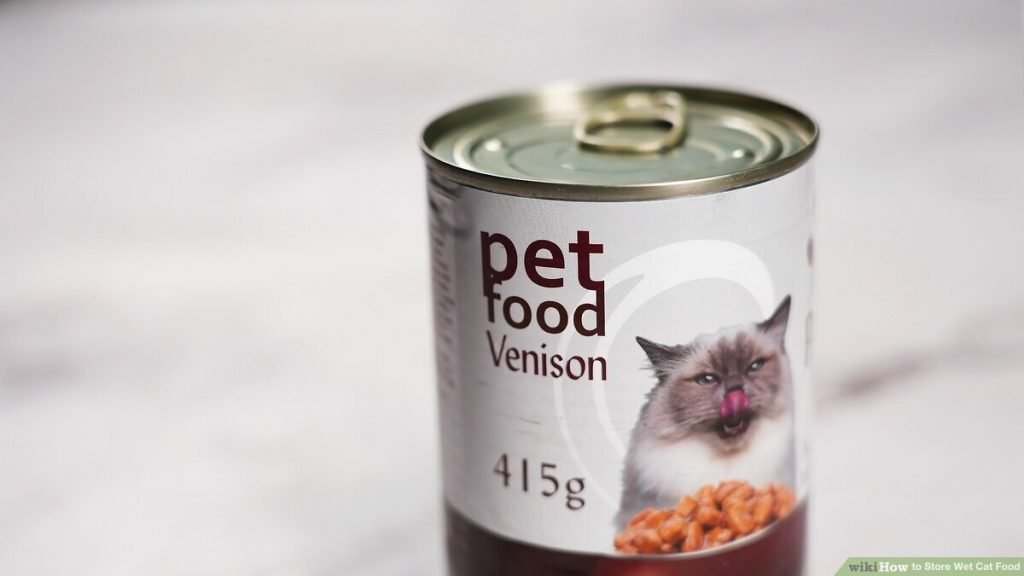
Are you wondering if your cat’s food needs to be refrigerated? You’re not alone.
Many pet owners ask this question because they want to keep their furry friend’s meals fresh and safe. But the answer isn’t always simple. Understanding when and how to store cat food can save you from wasting money and keep your cat healthy.
Keep reading to discover the best way to handle your cat’s food and avoid common mistakes that could harm your pet.

Credit: www.wikihow.com
Cat Food Types
Cats eat different types of food. Each type has its own traits and storage needs. Knowing these helps keep cat food fresh and safe.
Dry Food Characteristics
Dry cat food is crunchy and low in moisture. It lasts long without refrigeration. It is easy to store in a sealed container. Dry food helps keep cats’ teeth clean. It is usually less expensive than wet food. Cats enjoy the texture and flavor of dry food.
Wet Food Characteristics
Wet cat food contains more water. It looks like meat or pate. Wet food is soft and easy to eat. It spoils quickly once opened. Refrigeration is needed after opening. Wet food helps keep cats hydrated. It often has a stronger smell and taste.
Semi-moist Food Characteristics
Semi-moist cat food is soft and chewy. It contains some moisture but less than wet food. It comes in small, bite-sized pieces. Semi-moist food usually has preservatives. It does not need refrigeration before opening. Once open, it should be stored properly. Cats like its chewy texture and sweetness.

Credit: www.wikihow.com
Storage Basics
Proper storage of cat food plays a crucial role in maintaining its freshness and nutritional value. Understanding the basics of storage helps you keep your feline friend’s meals safe and tasty. Let’s break down the essentials you need to know to store cat food effectively.
Optimal Temperature Guidelines
Cat food, whether dry or wet, should be stored in a cool, dry place. Temperatures between 50°F and 70°F (10°C to 21°C) are ideal to prevent spoilage and maintain quality. Avoid places that get too hot, like near stoves or heaters, as heat can cause fats in the food to go rancid quickly.
Have you noticed your cat being picky about food that’s been sitting out too long? Temperature affects taste and smell, which your cat’s sensitive nose will immediately detect.
Humidity And Its Effects
Humidity is a hidden enemy when it comes to storing cat food. High moisture levels can cause dry kibble to become soft and moldy, while wet food can spoil faster if not properly sealed. Keep your cat food in airtight containers to protect it from moisture in the air.
Think about the last time you left wet food uncovered in the fridge—did you notice any change in smell or texture? That’s exactly why controlling humidity is vital.
Light Exposure Considerations
Light exposure can degrade the nutrients in cat food, especially fats and vitamins. Store food in opaque containers or dark cabinets to shield it from direct sunlight. This simple step preserves the food’s nutritional value and keeps it tasting fresh for your pet.
Have you ever found a bag of kibble faded or smelling off after sitting on a sunny countertop? Minimizing light exposure can prevent that from happening to your cat’s meals.
Refrigeration Needs
Understanding the refrigeration needs of cat food is crucial for keeping your furry friend healthy and happy. Different types of cat food have unique storage requirements that affect their freshness and safety. Let’s break down how you should store wet and dry cat food, and what signs to watch for if the food goes bad.
Wet Food Storage Requirements
Wet cat food usually comes in cans or pouches and contains a lot of moisture, making it prone to spoilage once opened. You should refrigerate any leftover wet food immediately after serving to prevent bacterial growth.
Store the opened can or pouch in an airtight container or cover it tightly with plastic wrap. Use the refrigerated wet food within 2-3 days to ensure it stays fresh and safe for your cat to eat.
Have you ever noticed a strange smell when you opened a can of wet cat food? That’s a clear signal it’s time to toss it out.
Dry Food Shelf Life
Dry cat food doesn’t need refrigeration because it contains very little moisture, which reduces the risk of bacteria and mold. Keep it in a cool, dry place away from sunlight to maintain its quality.
Once you open a bag of dry food, it’s best to use it within 4-6 weeks. Using an airtight container can help keep the food crisp and prevent exposure to air and pests.
Have you ever felt that dry food was stale or hard? That usually means it’s past its prime and less tasty for your cat.
Signs Of Spoiled Cat Food
Knowing how to spot spoiled cat food can save your pet from stomach upset or worse. Look out for:
- Unpleasant or sour smell
- Discoloration or mold spots
- Change in texture, like sliminess in wet food or clumping in dry food
If your cat suddenly refuses to eat their food or shows signs of discomfort after eating, check the food immediately. It’s better to be cautious and replace questionable food than risk your cat’s health.
Proper Sealing Techniques
Proper sealing techniques keep cat food fresh and safe. Sealing food tightly stops air and moisture from spoiling it. This helps maintain the flavor and nutrients. It also prevents pests and odors from getting inside. Different sealing options suit various types of cat food.
Using Airtight Containers
Airtight containers block air and moisture well. Choose containers made from plastic or glass. They should have a tight lid that snaps or screws on. This stops fresh food from going stale. Store the container in a cool, dry place.
Vacuum Sealing Options
Vacuum sealing removes air completely around the food. This method extends shelf life and stops spoilage. Use a vacuum sealer machine or handheld device. It works best for large amounts of wet or dry food. Store vacuum-sealed bags in the fridge or freezer for best results.
Resealable Bags For Dry Food
Resealable bags offer a simple way to keep dry food fresh. Look for bags with a strong zipper or seal. Press out as much air as possible before closing. Store these bags in a cool place away from sunlight. This method is handy for small portions or travel.
Labeling And Tracking
Keeping track of your cat food’s freshness is crucial, especially if you open multiple cans or bags regularly. Labeling and tracking help you avoid feeding spoiled food to your pet, which can cause health issues. A simple system can save you time and keep your cat’s meals safe and tasty.
Date And Time Marking
Mark the date and time you open each container of cat food. Use a permanent marker or adhesive labels on cans and bags.
This small step helps you know exactly when the food was first exposed to air, which affects how long it stays fresh. Have you ever wondered how long your cat food actually lasts after opening? This is your answer.
Rotating Stock Effectively
Always use the oldest opened food first. This prevents waste and ensures your cat gets the freshest meals possible.
Keep newer cans or bags behind older ones on your shelf or in the fridge. This simple rearrangement guarantees you don’t accidentally feed food that’s past its prime.
Using A Storage Chart
Create a storage chart to track opened food by date and type. This can be a simple notebook page or a printable sheet stuck on your fridge.
List each item, the date opened, and when it should be used by. This visual reminder keeps you organized and confident in the quality of your cat’s meals.

Credit: www.wikihow.com
Common Mistakes
Many cat owners struggle with storing cat food correctly. Mistakes can lead to spoiled food and upset tummies for your feline friend. Avoiding common pitfalls helps keep your cat’s meals fresh and safe.
Leaving Food Out Too Long
Leaving wet or opened cat food out for hours is a common error. Bacteria multiply quickly at room temperature, especially in moist food. Have you noticed your cat turning away from food left out all day? That’s often a sign it’s gone bad.
Try to serve only what your cat can eat within 20-30 minutes. If your cat takes its time, consider smaller portions to avoid waste and spoilage.
Improper Container Use
Many people store opened cat food in the original can without sealing it properly. This exposes the food to air and contaminants, speeding up spoilage. Using airtight containers or resealable bags keeps the food fresher for longer.
I once left wet food in the can overnight and found it smelled off the next day. Since switching to plastic containers with tight lids, the food stays fresh, and my cat’s meal time is stress-free.
Ignoring Expiration Dates
It’s easy to overlook expiration dates on cat food packaging. Yet, expired food can lose nutrients and develop harmful bacteria. Always check the date before serving, especially if the food has been stored for a while.
Even dry kibble has a shelf life. If your bag has been open for months, the oils can go rancid, affecting taste and safety. Do you regularly rotate your cat’s food stock to keep it fresh?
Safe Feeding Practices
Safe feeding practices help keep your cat healthy and happy. Proper food handling prevents spoilage and reduces health risks. Understanding how much and when to feed is important. Watching your cat’s behavior helps spot any issues early.
Portion Control Tips
Feed the right amount based on your cat’s age and weight. Overfeeding can cause obesity and health problems. Use a measuring cup to serve accurate portions. Divide daily food into smaller meals to avoid overeating. Check the cat food label for recommended serving sizes.
Feeding Schedule Advice
Stick to a consistent feeding routine. Cats like regular meal times and this supports digestion. Offer food twice a day for adult cats. Kittens may need three to four smaller meals daily. Avoid leaving wet food out for too long to prevent spoilage.
Observing Pet Reactions
Watch your cat during and after meals. Look for changes in appetite or eating habits. Notice any signs of discomfort or allergies like vomiting or itching. Changes in weight or energy levels can signal health issues. Consult a vet if you see unusual behavior or symptoms.
Frequently Asked Questions
Does Dry Cat Food Need Refrigeration?
Dry cat food does not require refrigeration. It should be stored in a cool, dry place. Keeping it sealed prevents moisture and pests, preserving freshness and flavor.
Should Opened Canned Cat Food Be Refrigerated?
Yes, opened canned cat food must be refrigerated. Seal it tightly and use within 3-5 days. Refrigeration prevents spoilage and harmful bacterial growth.
Can Unrefrigerated Wet Cat Food Spoil Quickly?
Yes, wet cat food left unrefrigerated can spoil in hours. Heat and air exposure promote bacterial growth. Always refrigerate leftovers promptly to keep food safe.
How Long Can Cat Food Stay Unrefrigerated?
Dry cat food can stay unrefrigerated for months if sealed. Opened wet or canned food should not exceed two hours unrefrigerated to avoid spoilage.
Conclusion
Cat food storage depends on its type. Wet food needs refrigeration after opening. Dry food stays fresh in a cool, dry place. Keep your cat’s food sealed to avoid spoilage. Always check expiration dates before feeding. Proper storage keeps food safe and tasty.
Your cat will enjoy meals that are fresh. Simple care helps protect your pet’s health. Store cat food wisely for happy, healthy cats.
