

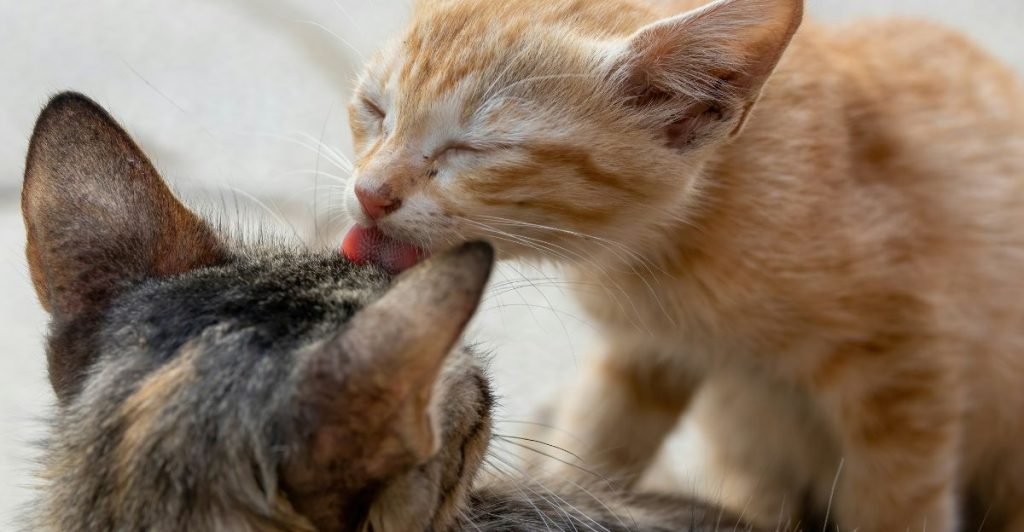
Have you ever watched your cats licking each other and wondered why they do it? It’s a common behavior, but it might leave you curious or even puzzled.
Understanding why your cats groom one another can reveal a lot about their relationship and feelings. You’ll discover the surprising reasons behind this sweet behavior and learn what it means for your furry friends. Keep reading to find out how this simple act strengthens their bond and what it tells you about their world.

Credit: www.youtube.com
Bonding And Social Behavior
Cats licking each other is a clear sign of bonding and social behavior. It helps them build trust and stay connected. This mutual grooming is common among cats that share a close relationship. It shows they feel safe and comfortable with each other.
Through licking, cats share scents. This creates a group smell that strengthens their bond. It also reduces tension and helps them relax together. Licking is a way cats express friendship and care for one another.
Mutual Grooming Builds Trust
When cats lick each other, they clean hard-to-reach places. This act helps them trust one another deeply. It shows they accept each other as part of their social group. Grooming is a peaceful way to maintain harmony.
Sharing Scents Creates Group Identity
Cats use scent to recognize friends and family. Licking mixes their scents together. This shared smell tells cats they belong to the same group. It stops fights and helps them feel united.
Licking calms cats during stressful moments. It lowers anxiety and creates comfort. Cats often groom each other after play or rest. This behavior helps them feel safe and cared for.
Grooming For Hygiene
Watching your cats lick each other might look like a simple act of affection, but it serves a crucial purpose: grooming for hygiene. This behavior helps keep your cats clean and healthy. It’s not just about appearance; it’s about maintaining their well-being.
How Grooming Removes Dirt And Parasites
Cats use their tongues like tiny brushes. Their rough tongues can remove dirt, loose fur, and even small parasites like fleas. When one cat grooms another, it reaches spots that are hard to clean alone, such as the back of the neck and behind the ears.
Have you noticed your cats licking each other’s heads or shoulders? That’s because these areas are tricky for them to reach themselves. By helping each other out, they stay cleaner and more comfortable.
Preventing Skin Problems Through Mutual Grooming
Regular grooming lowers the chance of skin infections. It removes dead skin cells and distributes natural oils that keep fur shiny and skin healthy. When cats neglect grooming, their skin can become dry or irritated.
Think about your own experience skipping a shower for a day or two. You feel uncomfortable, right? Cats feel the same. Mutual licking helps prevent those uncomfortable skin issues.
How Grooming Strengthens Social Bonds And Reduces Stress
Besides hygiene, grooming acts as a social glue. When cats lick each other, they share scents and reinforce their group identity. This reduces stress and creates a sense of security within their group.
Imagine you’re in a stressful situation. Wouldn’t a calming touch from a friend help? Cats use grooming similarly to soothe and comfort each other.
- It keeps them physically clean
- Prevents skin irritations and infections
- Builds trust and reduces anxiety
Next time you see your cats licking each other, remember it’s more than just a cute moment. It’s a vital part of their hygiene and emotional health. How often do you see your cats grooming each other, and does it seem to help them relax?
Territory And Scent Marking
Cats use licking to share their scent and mark their territory. This behavior helps build a group identity among cats living together. It creates a safe space where they feel secure. Scent marking through licking keeps other cats away from their shared area.
This action spreads their unique smell on each other. It shows they belong to the same group. The scent acts as a signal to outsiders. It says, “This is our place.”
How Licking Transfers Scent
Cats have scent glands in their skin and mouths. When one cat licks another, it spreads its scent from these glands. The saliva carries the smell that is unique to each cat. This mixing of scents helps create a group scent.
Benefits Of Shared Scent In Territory
- Strengthens bonds within the group
- Reduces fights over territory
- Makes the group smell uniform
- Helps cats recognize each other
Signs That Licking Is About Territory
- Occurs mostly between cats in the same home
- Happens after one cat enters a new area
- Increases during times of stress or new pets
- Often follows sniffing and rubbing against each other
Stress Relief And Comfort
When your cats lick each other, it’s more than just grooming. This behavior often serves as a powerful tool for stress relief and comfort. Cats use licking to calm themselves and their companions, creating a peaceful environment even during tense moments.
How Licking Helps Reduce Stress In Cats
Licking releases endorphins, the natural feel-good chemicals in a cat’s brain. This helps soothe anxiety and lowers stress levels. Have you noticed your cats licking more after loud noises or changes in their environment? It’s their way of coping with discomfort.
Providing Comfort Through Physical Touch
Physical contact like licking reassures your cats that they are safe and cared for. It mimics the comfort they felt as kittens when their mother groomed them. This simple act can strengthen their bond and make them feel secure.
Signs Your Cats Are Using Licking To Calm Each Other
- One cat gently licking another’s head or neck
- Mutual grooming sessions when they seem nervous
- Increased licking during or after stressful events
Do you see these signs between your cats? If so, they are supporting each other emotionally through licking.
What You Can Do To Support Your Cats’ Comfort
- Create quiet spaces where your cats can relax together
- Observe their licking patterns to understand when they feel stressed
- Use calming aids if you notice excessive licking, which might signal anxiety
Understanding this behavior helps you provide the right environment for your cats’ emotional well-being.
Mother-child Instincts
Mother-child instincts play a big role in why cats lick each other. This behavior often starts between a mother cat and her kittens, where licking is a form of care and bonding. It helps kittens feel safe and loved, and it teaches them how to groom themselves properly.
Even as cats grow older, the act of licking can continue to show that same nurturing connection. You might notice your cat licking a younger feline in the household. This isn’t just about cleaning—it’s a way to comfort and protect, much like a mother would with her young.
Have you ever seen a mother cat gently licking her kittens after a meal? This helps keep them clean and stimulates their bodily functions, which is critical for their health. That same instinct can carry into adulthood, especially when cats feel a strong bond with each other.
How Grooming Strengthens The Bond
Licking is more than hygiene; it’s a form of communication. When your cat licks another, it signals trust and acceptance. This shared grooming builds a social bond that can reduce stress and create a sense of family.
If you watch closely, you’ll see cats alternate licking each other’s faces, heads, and necks—areas they can’t easily reach themselves. It’s a way they care for each other, almost like a handshake of friendship.
Signs Your Cat Is Showing Care
- Licking with gentle, slow strokes
- Pausing to look at the other cat calmly
- Returning the favor by being groomed back
These signs show your cats are comfortable and happy together. If you see this behavior, it means they have a healthy social connection.
When Licking Reflects Stress Or Anxiety
Not all licking is positive. Sometimes a mother cat will lick her kittens excessively if she feels stressed or threatened. This can be a way to soothe herself or keep the kittens close.
If you notice repetitive or obsessive licking, it might be worth checking if your cats are feeling uneasy. Changes in their environment or routine can trigger this behavior.
Credit: www.discovermagazine.com
Health And Medical Checks
Watching your cats lick each other can be sweet, but it’s also a moment to consider their health. Grooming behaviors often reveal more than just affection; they can signal how your cats feel physically. Keeping an eye on these habits helps you catch potential health issues early.
Identifying Skin Problems Through Grooming
Cats often lick areas that bother them, like spots with irritation or parasites. If your cats focus their licking on one another’s specific areas, it might indicate skin problems such as fleas, mites, or allergies. You should check for redness, bumps, or hair loss where they lick the most.
Sometimes, the licking is your cat’s way of helping a friend with a sore spot. But persistent grooming on the same spot could mean a medical issue needs attention. Have you noticed if the licking happens more after outdoor play or changes in diet?
Stress And Behavioral Health Checks
Excessive licking can sometimes hide stress or anxiety in your cats. If one cat licks another obsessively, it might be a sign of emotional discomfort rather than physical pain. Pay attention to changes in their environment that could cause stress, like new pets, moving, or loud noises.
Noticing this behavior gives you a chance to improve their environment or seek advice from your vet. How often have you seen your cats’ licking habits change during stressful times?
When To Consult Your Veterinarian
If the licking leads to open wounds, swelling, or constant discomfort, it’s time to get professional help. Your vet can check for infections, allergies, or underlying conditions causing the behavior. Early medical checks prevent minor issues from becoming serious.
Don’t wait until symptoms worsen. Make a habit of observing your cats’ grooming patterns and act when something seems off. Have you ever found that a vet visit resolved a puzzling licking behavior?
Encouraging Or Discouraging Licking
Watching cats lick each other can be both adorable and puzzling. This behavior, known as allogrooming, plays an important role in their social lives. But should you encourage this licking, or step in and discourage it? Understanding when to support or limit this behavior can help maintain a happy and healthy relationship between your feline friends.
When To Encourage
Licking often strengthens bonds between cats. If your cats groom each other calmly and gently, it shows trust and friendship. You should encourage this behavior because it helps reduce stress and builds a peaceful environment.
Look for signs like relaxed body language and mutual grooming sessions. These moments help your cats feel safe and connected. When you see this, it’s a good idea to let them continue without interference.
Sometimes, licking can even help cats keep clean hard-to-reach areas. If your cat’s fur looks shiny and well-kept after these sessions, it’s a positive sign. Encouraging this natural grooming supports their health and hygiene.
When To Discourage
Not all licking is good. Sometimes it becomes excessive or aggressive, which can cause skin irritation or stress. If you notice your cats biting or one trying to escape the licking, it’s time to step in.
Watch for signs of overgrooming like bald patches, redness, or sores. This means the licking has crossed from caring to harmful. Discourage this behavior by gently separating them and distracting with toys or treats.
Also, if licking turns into obsessive behavior, it could indicate anxiety or medical issues. In such cases, consulting a vet is crucial. Don’t ignore persistent or damaging licking—it’s your cat’s way of asking for help.

Credit: www.moopetcover.com
Observing Changes In Behavior
Observing changes in your cats’ behavior can reveal a lot about why they lick each other. These subtle shifts often indicate deeper emotions or health issues that you might miss at first glance. Paying attention to these clues helps you understand your cats better and respond to their needs more effectively.
Identifying Shifts In Grooming Patterns
Have you noticed one cat suddenly grooming less or more than usual? Changes in how often your cats lick each other can signal stress, illness, or changes in their relationship. For example, if a cat stops grooming a companion, it might be feeling unwell or upset.
Spotting Signs Of Discomfort Or Aggression
Not all licking is friendly. Sometimes, it can turn into obsessive or aggressive behavior. Watch for signs like growling, swatting, or one cat trying to escape during grooming sessions. These behaviors suggest discomfort or tension, which needs your attention.
Monitoring Social Bonding And Hierarchy
Licking often reflects the social bond between your cats. Notice if the dominant cat licks the submissive one more frequently or vice versa. Changes in these patterns might show shifts in their social hierarchy or emotional state. Are your cats getting closer or drifting apart?
Recognizing Health Issues Through Behavior
Sometimes, excessive licking points to medical problems like skin allergies or parasites. If one cat persistently licks another, check for skin redness, hair loss, or sores. Early detection can prevent serious health issues and keep your cats comfortable.
Frequently Asked Questions
Why Do Cats Lick Each Other Frequently?
Cats lick each other to bond and show affection. This behavior strengthens their social connection and trust. It also helps them groom hard-to-reach areas, keeping their fur clean and healthy.
Is Mutual Licking A Sign Of Cat Friendship?
Yes, mutual licking indicates strong friendship and comfort between cats. It signals trust and peaceful coexistence, reducing stress and reinforcing their social bonds within the group.
Can Cats Lick To Establish Dominance?
Sometimes, cats lick to assert mild dominance or social order. The dominant cat may groom others more to show control, but this behavior is usually gentle and maintains harmony.
Does Licking Help Cats Communicate Emotions?
Licking is a form of non-verbal communication. It expresses care, reassurance, or submission. Cats use licking to convey positive emotions and maintain group unity.
Conclusion
Cats licking each other shows trust and friendship. It helps them stay clean and calm. This behavior builds strong bonds between your pets. Watch their licking to learn more about their feelings. Understanding why cats lick can improve their care.
It keeps them happy and healthy together. Enjoy these sweet moments with your cats. They speak a language of love without words.
