

Have you ever wondered how often your cat visits the litter box each day? Knowing this can tell you a lot about your furry friend’s health and happiness.
If your cat suddenly changes their bathroom habits, it might be a sign you shouldn’t ignore. You’ll discover the usual litter box routine for cats and what different behaviors could mean for your pet. Keep reading to learn what’s normal and when you should take action to keep your cat comfortable and healthy.
Cat Litter Box Habits
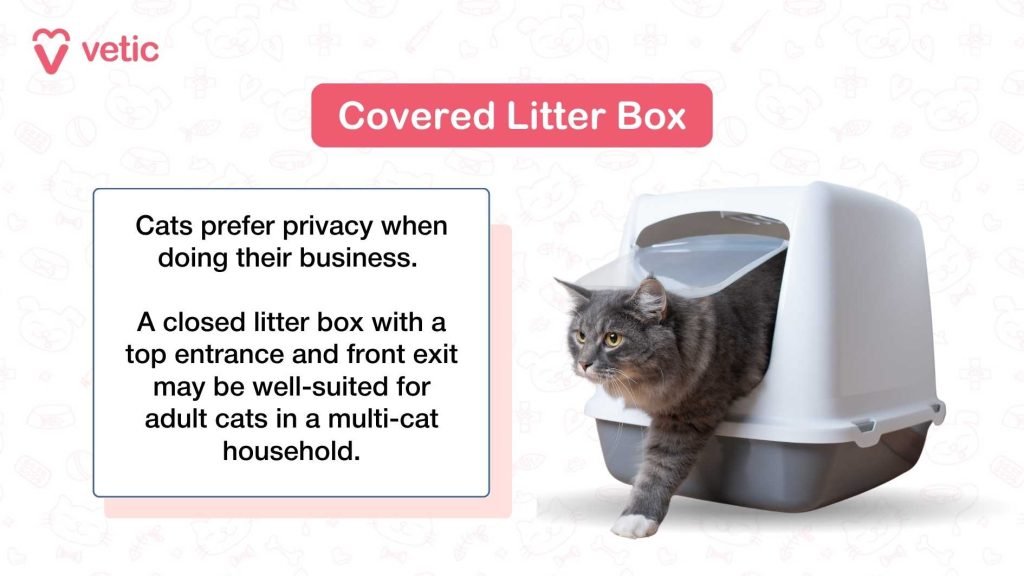
Cats have unique habits when using their litter boxes. Understanding these habits helps keep your cat healthy and your home clean. Most cats prefer a clean, quiet, and private spot for their bathroom needs.
Frequency of litter box use varies by cat. Some cats visit the box several times a day. Others might use it less often but always regularly. Monitoring these habits can show changes in health or behavior early.
Typical Frequency Of Litter Box Visits
Cats usually urinate two to four times daily. They often defecate once a day but this can vary. Kittens and older cats may visit more often. Changes in frequency can signal health issues.
Preferred Litter Box Conditions
- Cleanliness: Cats dislike dirty litter and may avoid the box.
- Size: A large enough box is important for comfort.
- Location: Quiet, low-traffic areas are preferred.
- Litter type: Many cats prefer fine, clumping litter.
Signs Of Litter Box Problems
Sudden avoidance of the litter box often means stress or illness. Cats may urinate outside the box if it is dirty or uncomfortable. Behavioral changes like scratching outside the box can signal discomfort.
Credit: vetic.in
Frequency Of Litter Box Use
Understanding how often your cat uses the litter box is key to keeping them healthy and happy. Their frequency can reveal a lot about their well-being and habits. Let’s take a closer look at what typical litter box use looks like and what might cause changes in that pattern.
Daily Patterns
Most cats typically use the litter box between two to four times a day. This usually includes both urination and defecation, though some cats may go more or less frequently depending on their size and diet. Pay attention if your cat suddenly starts using the box much more or less than usual.
Think about your cat’s daily routine. Does their litter box use align with their eating and drinking habits? For example, my cat Max tends to use his litter box right after meals, which helps me monitor his health.
Factors Affecting Frequency
Several factors can influence how often your cat uses the litter box. Diet plays a major role—wet food can increase urination, while dry food might result in less frequent trips. Water intake also matters; cats that drink more water usually urinate more.
Age and health conditions like urinary tract infections or kidney issues can change litter box habits drastically. Stress or changes in the home environment, such as a new pet or moving, may also affect your cat’s bathroom frequency.
- Multiple cats sharing one box can cause avoidance and fewer uses
- Dirty litter boxes may discourage use and cause accidents elsewhere
- Type of litter and box location can either attract or repel your cat
Have you noticed any shifts in your cat’s litter box frequency? Monitoring these patterns closely can help you catch potential health problems early and maintain a clean, comfortable space for your feline friend.
Age And Litter Box Usage
Age plays a key role in how often cats use the litter box. Different life stages bring changes in their bathroom habits. Understanding these changes helps in providing better care for your cat.
Kittens Vs. Adult Cats
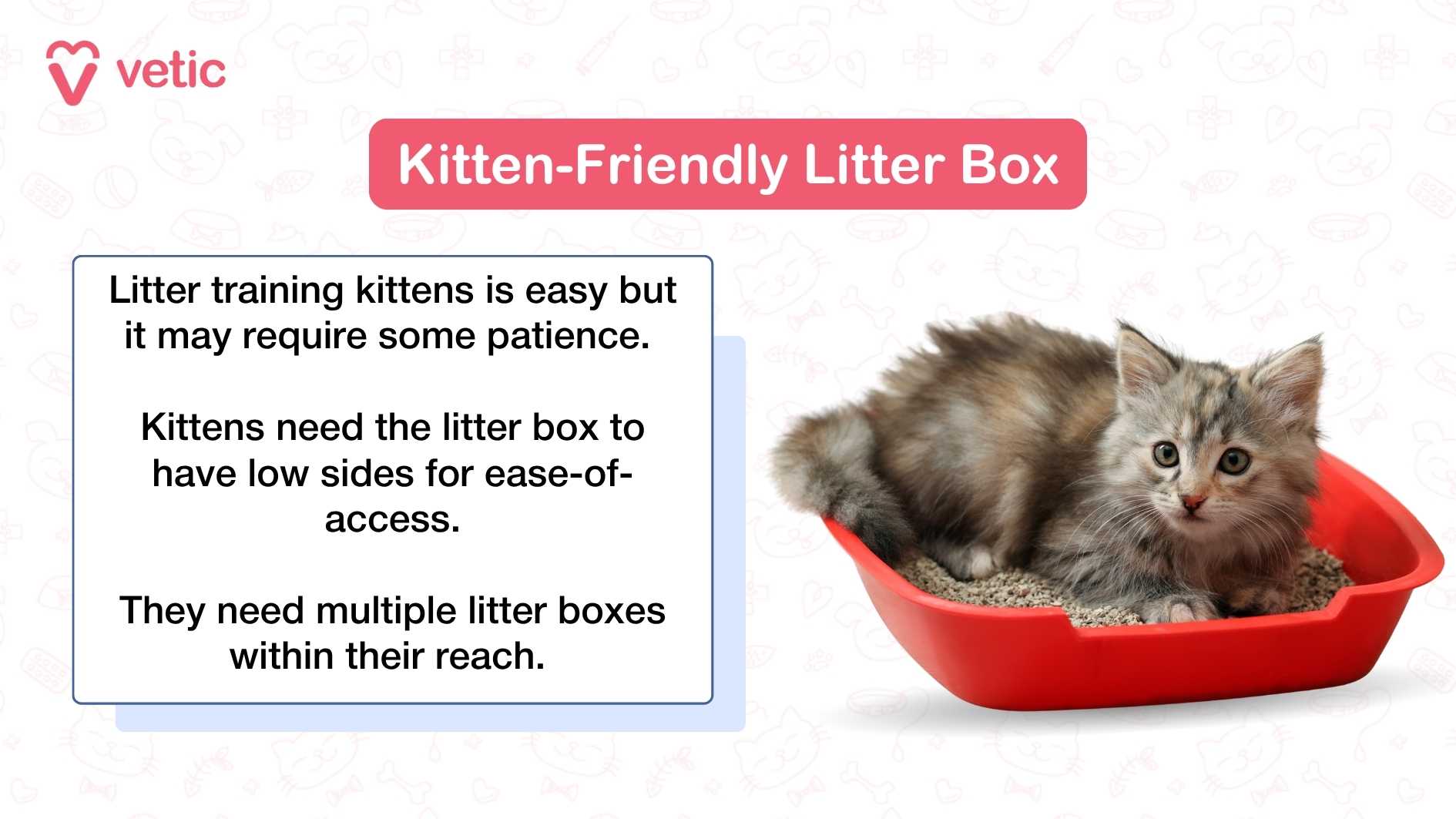
Kittens need to use the litter box more often than adult cats. Their small bladders fill up quickly. Usually, kittens go to the bathroom every one to two hours. They are still learning and may need help with litter training.
Adult cats have more control over their bathroom habits. They tend to use the litter box about two to four times a day. This depends on their diet, water intake, and health. Adult cats usually have a regular schedule and prefer a clean litter box.
Senior Cats
Senior cats may use the litter box differently from younger cats. Aging can cause changes in bladder control and mobility. Some older cats need to urinate more often due to health issues.
Arthritis or joint pain can make it hard for them to get in and out of the box. A low-entry litter box helps seniors access it easily. Watching your senior cat’s litter box habits can reveal health problems early.

Credit: www.purina.com
Health Indicators
Observing your cat’s litter box habits reveals important health information. Changes in frequency or behavior may signal health problems. Cats often hide illness, so watch their litter box use closely. Early detection helps in timely care and treatment.
Common Health Issues
Frequent or painful urination can indicate urinary tract infections. Straining or blood in the litter box is a warning sign. Constipation or diarrhea also affects litter box use. Kidney disease may cause increased urine volume and frequency. Diabetes can lead to more frequent urination and accidents. Sudden changes in litter box habits always deserve attention.
Behavioral Changes
Avoiding the litter box can mean stress or discomfort. Cats may urinate outside the box if it hurts to go. New household changes can cause anxiety and affect habits. A dirty or hard-to-access box may discourage use. Watch for signs like scratching outside the box or vocalizing. Behavioral shifts often point to underlying health or environmental issues.
Impact Of Diet On Litter Box Use
The food your cat eats directly affects how often they use the litter box. Diet influences not only the frequency but also the consistency and smell of your cat’s waste. Paying close attention to what you feed your cat can help you better understand and manage their litter box habits.
Types Of Cat Food
Dry kibble tends to have less moisture, which means cats may drink more water and urinate more often. On the other hand, wet or canned food contains high moisture content, often resulting in more frequent but smaller urinations.
Some cats prefer a mix of both, and their litter box usage may vary depending on the ratio. If you notice your cat using the litter box unusually frequently or infrequently, consider if their diet has changed recently. A sudden switch to a new type of food can affect bowel movements and urination patterns.
Hydration Levels
Hydration plays a crucial role in litter box habits. Cats that drink plenty of water usually produce more urine, leading to more frequent litter box visits.
Conversely, cats that don’t drink enough water may have concentrated urine, which can irritate their bladder and lead to health issues like urinary tract infections. Have you observed whether your cat drinks more when eating certain foods? Adjusting their diet to include more moisture-rich options can help keep them hydrated and comfortable.
Environmental Influences
The environment around your cat plays a big role in how often they use the litter box. Cats are sensitive creatures, and small changes in their surroundings can affect their bathroom habits. Paying attention to these environmental factors can help you keep your cat comfortable and prevent litter box issues.
Litter Box Location
Where you place the litter box matters a lot. Cats prefer quiet, private spots away from loud noises and heavy foot traffic. If the box is too close to their food or water bowls, your cat might avoid it.
Think about your own habits. Would you want to use a restroom in a noisy hallway? Probably not. Try moving the litter box to a calm corner or a spare room where your cat feels safe.
Have you noticed your cat hesitating before using the box? It could be because of its location. Experiment with different spots and see if your cat’s usage improves.
Litter Type And Cleanliness
Your cat’s preference for litter type can change how often they use the box. Some cats dislike scented litters or textures that feel strange on their paws. Offering a few types can help you find what your cat prefers.
Cleanliness is even more important. Cats are clean animals and may refuse to use a dirty box. Scoop waste daily and wash the box regularly to keep odors and bacteria at bay.
Think about your own bathroom habits: how would you feel if your toilet wasn’t cleaned often? Your cat feels the same way.
- Use unscented, clumping litter for easy cleaning.
- Remove waste at least once a day.
- Completely change the litter and wash the box weekly.
Have you ever tried changing your cat’s litter type or cleaning routine? Notice if their litter box visits become more regular. Small changes here can lead to big improvements.
Multiple Cat Households
Having multiple cats in your home changes the dynamics of litter box usage significantly. Each cat has unique habits and preferences, which can affect how often they use the litter box. Understanding these behaviors helps you maintain a clean and stress-free environment for your feline friends.
Sharing Litter Boxes
Cats can share litter boxes, but it’s not always ideal. Some cats are comfortable using the same box, while others prefer their own space. You should provide at least one litter box per cat, plus one extra, to reduce competition and stress.
In my experience, when I initially had two cats sharing a single box, one started avoiding it and developed accidents outside. Adding an extra box solved this quickly. It’s a simple step that prevents many problems and keeps your cats happy.
- Place litter boxes in different quiet locations.
- Keep each box clean to encourage use.
- Observe if any cat is avoiding a box and adjust accordingly.
Territorial Behavior
Cats are territorial creatures, and litter boxes can become a source of tension. Some cats mark their territory by urinating outside the box if they feel threatened by others. This behavior can increase in multiple cat households, especially if boxes are limited or placed too close together.
Have you noticed one cat blocking another from accessing a box? This is a clear sign of territorial disputes. To ease this, separate boxes across the house and create safe zones where each cat can feel secure.
- Use barriers or furniture to create private litter areas.
- Monitor interactions near the boxes and intervene if necessary.
- Consider using pheromone diffusers to reduce stress and aggression.
Training And Encouragement
Training and encouraging cats to use the litter box helps build good habits early on. Cats learn best through gentle guidance and clear signals. Patience and consistency play key roles in this process. Understanding how to support your cat can prevent accidents and stress.
Positive Reinforcement
Rewarding cats for using the litter box encourages repeated behavior. Use treats, soft praise, or petting right after they go inside the box. Keep rewards immediate to connect the action with the reward.
Positive reinforcement builds trust and makes litter box use pleasant. Avoid punishment, as it can cause fear or confusion. Instead, focus on celebrating small successes to motivate your cat.
Addressing Litter Box Aversion
Some cats avoid the litter box due to discomfort or fear. Check the box’s cleanliness, size, and location first. Cats prefer quiet, private spots and fresh litter.
Change the litter type or box style if your cat seems unhappy. Soft, unscented litter often works best. Make sure the box is easy to enter and exit.
Observe your cat’s behavior closely. Signs of aversion include sniffing around but not using the box. Adjusting the environment gently can help your cat feel safe and comfortable again.
Consulting A Veterinarian
Understanding your cat’s litter box habits is important for their health. Changes in how often a cat uses the litter box can signal health issues. Consulting a veterinarian helps ensure your cat stays healthy and comfortable. Experts can identify problems early and suggest the best care.
When To Seek Help
Notice these signs and contact a vet:
- Your cat stops using the litter box.
- Frequent or painful urination.
- Straining or crying while trying to urinate.
- Sudden increase or decrease in litter box visits.
- Blood or unusual color in urine.
These symptoms may indicate infections, blockages, or other health issues.
Professional Advice
Veterinarians perform exams and tests to find causes of litter box changes. They may check for urinary tract infections or kidney problems. Treatment plans often include medication or diet changes. Vets also provide tips to improve litter box habits. Following their advice helps your cat recover quickly and stay healthy.
Credit: intersand.com
Frequently Asked Questions
How Many Times Do Cats Use The Litter Box Daily?
Cats typically use the litter box 2 to 4 times a day. This depends on their diet, age, and health. Monitoring frequency helps detect health issues early.
What Affects A Cat’s Litter Box Usage Frequency?
Factors include diet, water intake, age, and health conditions. Stress or changes at home can also alter usage. Regular cleaning encourages consistent use.
Is It Normal For Cats To Urinate Outside The Litter Box?
Occasional accidents may occur due to stress or medical issues. Persistent avoidance indicates health problems or litter box dissatisfaction. Consult a vet if this behavior continues.
How Can I Encourage My Cat To Use The Litter Box?
Keep the litter box clean, place it in a quiet spot, and use unscented, clumping litter. Positive reinforcement helps build good habits.
Conclusion
Cats usually use the litter box several times a day. This helps keep them clean and healthy. Watch for changes in their habits. Changes might mean health problems or stress. Keep the litter box clean and in a quiet spot.
This encourages your cat to use it often. Understanding your cat’s bathroom routine helps you care better. Healthy cats feel happy and comfortable. Regular litter box use is a good sign of wellness. Pay attention, and your cat will stay content.
