


You might think your indoor cat is safe from all health risks, but have you considered heartworm disease? Many cat owners believe heartworm prevention is only necessary for dogs or outdoor pets.
However, your indoor feline friend could still be at risk. Understanding whether your cat needs heartworm prevention could save them from serious health problems. Keep reading to learn the facts that every cat owner must know to protect their beloved pet.
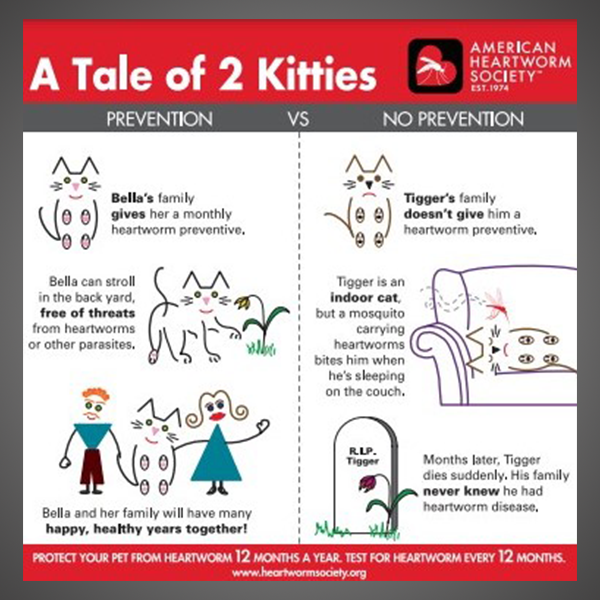
Credit: heartwormsociety.org
Heartworm Basics
Heartworm disease is a serious condition affecting cats. Many pet owners wonder if indoor cats need protection. Understanding heartworm basics helps make the right choice for your cat’s health.
Heartworms are parasites that live in the heart and lungs. They spread through mosquito bites. Even indoor cats can be at risk if mosquitoes enter the home.
What Are Heartworms?
Heartworms are tiny worms that grow inside a cat’s body. They travel through the bloodstream to the heart. Over time, they cause damage to the heart and lungs.
These worms start as larvae, passed by mosquitoes. The larvae grow into adult worms inside the cat. Adult heartworms can be several inches long.
Unlike dogs, cats usually have fewer worms. But even a small number can cause big problems.
How Heartworms Affect Cats
Heartworm infection affects a cat’s breathing and energy. The worms cause inflammation in the lungs. This leads to coughing, difficulty breathing, and tiredness.
Some cats may show no signs at first. Others may become very sick suddenly. Heartworm disease can be fatal if not treated.
There is no approved cure for heartworms in cats. Treatment focuses on managing symptoms and supporting health.

Credit: justcatsclinic.com
Transmission Of Heartworms
Understanding how heartworms are transmitted is key to protecting your indoor cat. Heartworms are parasites that can cause serious health problems, but they don’t spread the way you might think. The transmission depends largely on an intermediary host, which plays a crucial role in spreading the disease.
Role Of Mosquitoes
Mosquitoes are the main carriers of heartworms. When a mosquito bites an infected animal, it picks up microscopic heartworm larvae. These larvae develop inside the mosquito over a couple of weeks.
Once the mosquito bites your cat, it can transmit the larvae under your pet’s skin. These larvae then travel through the bloodstream and grow into adult heartworms. Without mosquitoes, heartworm transmission would not occur.
Indoor Vs. Outdoor Exposure
You might think that keeping your cat indoors completely protects them from mosquitoes and heartworms. However, mosquitoes can easily enter your home through open doors, windows, or small gaps.
Indoor cats still face some risk, especially if you live in an area with many mosquitoes. Even a single mosquito bite can transmit heartworm larvae, making prevention important regardless of your cat’s lifestyle.
Think about your home environment. Do you have screens on windows or use mosquito repellents? Taking these extra steps can reduce the chances of heartworm exposure for your indoor cat.
Risks For Indoor Cats
Many cat owners believe that indoor cats are completely safe from parasites like heartworms. However, the truth is more complex. Understanding the risks your indoor cat faces can help you make better choices about heartworm prevention.
Potential Threats Indoors
Heartworms are spread by mosquitoes, and even indoor cats are not totally shielded from them. Mosquitoes can slip inside through open windows or doors, or hitch a ride on your clothes. If a mosquito carrying heartworm larvae bites your cat, infection can occur.
Besides mosquitoes, indoor environments sometimes harbor other risks. For example, damp basements or rooms with standing water attract mosquitoes. Do you check your home for these hidden mosquito breeding spots?
Comparative Risk Analysis
| Risk Factor | Indoor Cats | Outdoor Cats |
|---|---|---|
| Exposure to Mosquitoes | Low but possible | High |
| Contact with Other Infected Animals | Rare | Common |
| Access to Preventive Care | Better control | Variable |
Although outdoor cats face greater risks, indoor cats are not risk-free. Your indoor cat’s risk depends on how well you control mosquito access and environmental factors.
Have you considered how often mosquitoes enter your home? Even a small chance of exposure can justify preventive measures.

Credit: justcatsclinic.com
Symptoms In Cats
Cats infected with heartworms may show signs that are easy to miss. Symptoms often start mild but can grow worse quickly. Watching for changes in your cat’s behavior and health helps catch problems early.
Early Warning Signs
- Coughing that lasts several days
- Less energy or reluctance to play
- Loss of appetite or weight loss
- Rapid or difficult breathing
- Occasional vomiting
These signs may seem like other common illnesses. Still, they need prompt attention from a vet.
Severe Symptoms
- Persistent coughing or gagging
- Swollen abdomen from fluid buildup
- Weakness and collapse
- Sudden fainting spells
- Severe difficulty breathing
Severe symptoms indicate serious heart or lung problems. Immediate veterinary care is critical to improve the cat’s chance of survival.
Diagnosis Methods
Diagnosing heartworm in indoor cats can be tricky but knowing the right methods helps you catch it early. Heartworm prevention often depends on accurate diagnosis, especially since indoor cats are less exposed yet not completely safe. Let’s look at how vets identify this serious condition and the challenges involved.
Veterinary Tests
Your vet will likely start with a combination of tests to detect heartworm in your cat. Blood tests are common and look for antigens or antibodies that indicate the presence of heartworms.
- Antigen testsdetect proteins from adult female heartworms.
- Antibody testsfind the cat’s immune response to heartworm larvae.
X-rays and ultrasounds may also be used to check for heart and lung changes caused by the infection. These imaging tools reveal damage that blood tests alone might miss.
Challenges In Diagnosis
Diagnosing heartworm in indoor cats is not straightforward. Unlike dogs, cats often have fewer worms and sometimes only immature ones, making blood tests less reliable.
False negatives can occur, meaning your cat might have heartworms but tests show no sign. This uncertainty can delay treatment and worsen outcomes.
Have you ever wondered if your indoor cat’s respiratory issues might be linked to heartworms despite negative tests? Regular vet check-ups combined with preventive measures remain your best defense.
Prevention Strategies
Preventing heartworm in indoor cats is more important than many pet owners realize. Even if your cat rarely steps outside, mosquitoes can find their way indoors and pose a serious risk. Adopting effective prevention strategies can protect your feline friend from this dangerous parasite.
Medication Options
There are several heartworm prevention medications designed specifically for cats. These usually come in the form of monthly topical treatments or oral pills that are easy to administer.
Talk to your vet about products that fit your cat’s lifestyle and health condition. Some popular choices include:
- Selamectin:A topical treatment that also protects against fleas and ear mites.
- Moxidectin:Another topical option with broad parasite protection.
- Milbemycin oxime:An oral medication effective against heartworms and intestinal worms.
Regular use of these medications can drastically reduce the risk of heartworm infection. Have you ever missed a dose? It’s easy to forget, but staying consistent is key.
Lifestyle Adjustments
Simple changes in your cat’s environment can reduce mosquito exposure and lower heartworm risk. Closing windows and doors during peak mosquito hours keeps pests out. Using screens or mosquito nets in windows also helps.
Consider adding fans or air conditioning in rooms where your cat spends most of their time. Mosquitoes dislike strong air currents and cooler temperatures.
If your cat enjoys brief outdoor time, limit it to daylight hours when mosquitoes are less active. Does your home have standing water nearby? Removing it can eliminate mosquito breeding grounds.
Effectiveness Of Prevention
Preventing heartworm in indoor cats is important. These medications work by killing heartworm larvae before they grow. The effectiveness depends on how well the medication is given and the type used. Regular use provides strong protection, even if cats stay inside.
Success Rates
Heartworm preventives show high success rates in stopping infection. Most cats taking the medicine monthly do not develop heartworm. The medication targets early stages of the parasite. This stops the disease from advancing inside the cat’s body.
Success depends on consistent use without missing doses. Skipping or delaying doses lowers protection. Vets recommend year-round prevention, especially in areas with mosquitoes. Indoor cats face risk if mosquitoes enter the home.
Potential Side Effects
Most cats tolerate heartworm prevention well. Side effects are rare but can occur. These may include mild vomiting or diarrhea. Some cats show slight loss of appetite or tiredness after treatment.
Severe reactions are very uncommon. Always follow vet instructions to minimize risks. Inform your vet if your cat has other health issues. Regular check-ups ensure safe and effective prevention.
Expert Opinions
Experts often have varying views on whether indoor cats need heartworm prevention. Understanding their opinions can help you make a well-informed decision for your pet’s health. Let’s look closely at what veterinarians say and clear up some common misunderstandings.
Veterinarian Recommendations
Many veterinarians suggest that indoor cats still benefit from heartworm prevention. Even if your cat rarely goes outside, mosquitoes can enter your home through open windows or doors. Since mosquitoes are the carriers of heartworm larvae, your cat is never completely safe.
Some vets recommend year-round prevention, especially in regions where heartworm is common. Others advise seasonal treatment based on mosquito activity. Discussing your local risk with a vet can help tailor the best plan for your cat.
One vet I spoke with shared a story about a strictly indoor cat who developed heartworm after a mosquito got inside. It was a rare case but powerful enough to convince me to protect my cat consistently.
Common Misconceptions
A common myth is that indoor cats don’t need heartworm prevention because they don’t face outdoor risks. This belief overlooks the simple fact that mosquitoes can easily come indoors. Ignoring this risk might leave your cat vulnerable.
Another misconception is that heartworm disease affects only dogs. While dogs are more commonly affected, cats can get heartworms too, and the disease can be even harder to detect in them. This makes prevention even more important for cats.
Do you assume your home is completely mosquito-free? Think again. A single mosquito bite can put your cat at risk. Preventing heartworm in indoor cats is not just about where your cat lives but also about controlling the environment around them.
Frequently Asked Questions
Do Indoor Cats Need Heartworm Prevention?
Yes, indoor cats can get heartworm from mosquitoes that enter your home. Prevention is recommended to protect their health.
How Do Indoor Cats Get Heartworm?
Indoor cats get heartworm through mosquito bites. Mosquitoes can enter homes and transmit heartworm larvae to cats.
What Are Heartworm Symptoms In Indoor Cats?
Symptoms include coughing, difficulty breathing, vomiting, and lethargy. Early detection is vital for effective treatment and care.
Is Heartworm Prevention Safe For Indoor Cats?
Heartworm preventatives are safe and designed for cats. Consult your vet to choose the best product for your indoor cat.
Conclusion
Indoor cats can still face heartworm risks. Mosquitoes can enter homes easily. Prevention keeps cats safe and healthy. Talk to your vet about the best options. Protecting your pet shows you care. Heartworm prevention is a simple step. It helps avoid serious health problems.
Stay informed and keep your cat protected. Prevention is better than treatment. Small efforts can save your cat’s life.
