

Is your cat looking a little too skinny lately? You might be worried and wondering why your furry friend isn’t gaining weight like they should.
When your cat needs to gain weight, it’s more than just a number on the scale—it’s about their health, energy, and happiness. You want to help, but it can be confusing to know where to start. You’ll discover simple, effective ways to safely help your cat put on the pounds and feel their best again.
Keep reading—your cat’s health depends on it.
Signs Your Cat Needs To Gain Weight
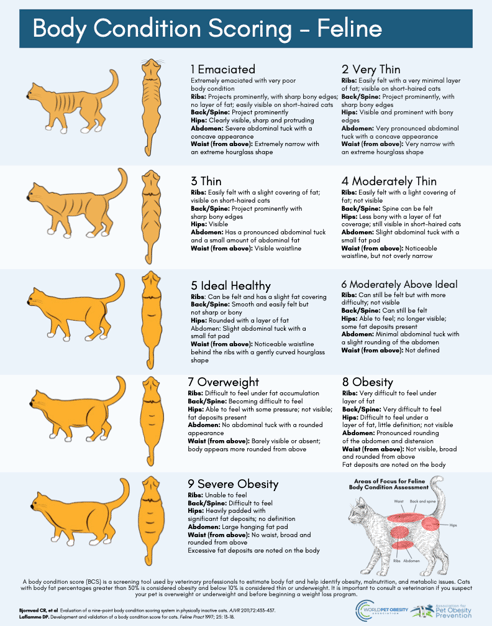
Recognizing the signs that your cat needs to gain weight is important for their health. Cats that are underweight may face risks like weak immunity and less energy. Observing changes in their body and behavior helps you act quickly. Early detection can improve your cat’s quality of life and prevent serious problems.
Visible Ribs And Spine
You can easily see your cat’s ribs and spine if they need to gain weight. Their bones will stick out without much fat covering. This is a clear sign that your cat is too thin.
Loss Of Muscle Mass
When cats lose muscle, their body looks less toned. Their legs and hips may appear smaller or weaker. Muscle loss often happens with weight loss and poor nutrition.
Decreased Energy And Activity
Underweight cats often show less interest in play or movement. They might sleep more and avoid jumping or running. Low energy levels can indicate poor health caused by low weight.
Poor Coat Condition
A cat that needs to gain weight may have a dull or rough coat. Their fur can look thin, patchy, or dry. Healthy cats usually have shiny and thick fur.
Changes In Appetite
Your cat may eat less or seem uninterested in food. Sometimes they might eat more but still lose weight. Appetite changes can signal that your cat needs better nutrition.
Credit: coastalveterinarycare.vet
Consulting A Veterinarian
Consulting a veterinarian is the best first step for a cat that needs to gain weight. A vet can find out if your cat has any health problems causing weight loss. They have tools to examine your cat thoroughly and provide the right advice.
Vets check for illnesses, parasites, and dental problems. These issues can make eating hard or reduce appetite. Finding the cause helps to treat the problem correctly.
Besides diagnosing health issues, vets can suggest proper diets and supplements. They tailor advice to your cat’s age, breed, and condition. This guidance supports safe and steady weight gain.
Health Examination And Diagnosis
Veterinarians perform a full physical exam to check your cat’s overall health. They may run blood tests or x-rays to find hidden problems. These tests help detect infections, organ issues, or other causes of weight loss.
Customized Feeding Plans
After diagnosis, vets create feeding plans made for your cat’s needs. They suggest high-calorie or nutrient-rich foods to encourage weight gain. They may also recommend feeding schedules and portion sizes.
Regular vet visits track your cat’s weight and health changes. Adjustments to diet or treatment happen as needed. Monitoring ensures your cat gains weight safely and stays healthy.
Advice On Supplements And Medications
Vets can recommend vitamins or supplements to boost nutrition. They may prescribe medications if illness affects your cat’s appetite or digestion. Proper use of supplements and medicines supports recovery and weight gain.
Choosing The Right Diet
Choosing the right diet is key to helping your cat gain weight safely. Cats need food that supports muscle growth and energy. Not all cat foods are made for weight gain. Select options that offer balanced nutrition with enough calories.
Focus on foods that encourage healthy weight gain without causing digestive issues. A diet rich in essential nutrients promotes overall well-being. Pay attention to ingredients that provide both protein and calories. This approach helps build muscle, not just fat.
High-protein Foods
Protein is vital for muscle repair and growth. Cats are natural carnivores and need meat-based protein. Choose foods with real meat like chicken, turkey, or fish listed first. Avoid fillers like corn or soy, which offer little benefit.
High-protein diets support lean body mass. This ensures your cat gains muscle instead of just fat. Wet food often contains more protein than dry food. It also helps keep your cat hydrated.
Calorie-dense Options
Foods with more calories help your cat gain weight faster. Look for options with higher fat content, as fat provides concentrated energy. Some commercial weight-gain formulas offer extra calories in small servings.
Healthy fats like omega-3 and omega-6 also improve coat and skin health. Avoid foods high in sugars or artificial ingredients. These do not support proper weight gain and may cause illness.
Feeding Techniques
Helping your cat gain weight starts with understanding the best feeding techniques that suit their needs and lifestyle. The way you present food can make a big difference in how much your cat eats. Let’s look at two common feeding approaches that can help your cat put on healthy pounds.
Scheduled Meals
Scheduled meals create a routine your cat can expect and rely on. Feeding your cat at the same times every day encourages regular eating habits. It also helps you monitor exactly how much your cat consumes, which is crucial for tracking weight gain.
Try offering smaller, more frequent meals rather than one or two large ones. This can prevent your cat from feeling overwhelmed or full too quickly. If your cat is hesitant to eat, warming the food slightly can make it more appealing.
Have you noticed your cat seems more interested in food at certain times? Use that to your advantage by scheduling meals when they are naturally more hungry. This way, you increase the chances they will eat more during those times.
Free Feeding Strategies
Free feeding means leaving food out all day so your cat can eat whenever they want. This method works well for cats that graze naturally or those who might eat better on their own schedule. However, it requires careful portion control to avoid overfeeding or food spoilage.
Use measured amounts of food and refresh it regularly to keep it fresh and appealing. You might find your cat eats little but often, which can help them gain weight gradually without stress. Be patient and observe how your cat’s eating pattern adjusts.
Do you think your cat would benefit from having constant access to food? Experiment with free feeding while keeping a close eye on their weight and appetite. Adjust the amount based on their activity level and how much they eat daily.
Incorporating Supplements
Supplements can help your cat gain weight safely and effectively. They provide extra nutrients that support growth and overall health. Choose supplements that improve digestion and boost nutrient absorption. This makes feeding easier and more productive for your cat. Always check with a vet before starting any new supplement.
Omega-3 Fatty Acids
Omega-3 fatty acids support your cat’s skin, coat, and immune system. They help reduce inflammation and promote healthy cells. These fats can improve appetite and energy levels. Sources include fish oil or specially made cat supplements. Use the recommended dose to avoid side effects. Omega-3s also help maintain a shiny coat and healthy joints.
Probiotics For Digestion
Probiotics balance good bacteria in your cat’s gut. They improve digestion and nutrient absorption. Better digestion means your cat can gain weight more easily. Probiotics reduce stomach upset and support the immune system. They are available as powders, capsules, or in some cat foods. Give probiotics regularly for the best results.
Managing Stress And Environment
Stress and environment have a strong effect on a cat’s appetite and weight. A calm and safe space helps cats feel secure and comfortable. Reducing stress encourages better eating habits and healthy weight gain. Small changes in their surroundings can make a big difference.
Creating A Calm Space
Choose a quiet area for your cat to eat and rest. Avoid loud noises and sudden movements nearby. Soft bedding and a cozy hiding spot help your cat relax. Keep their food and water bowls clean and in the same place. Consistency makes your cat feel safe and lowers stress.
Interactive Playtime
Play reduces anxiety and improves your cat’s mood. Use toys like feather wands or laser pointers to engage them. Short, frequent play sessions work best. Playtime also helps build muscle and increase appetite. A happy, active cat is more likely to eat well and gain weight.
Monitoring Progress
Keeping a close eye on your cat’s weight gain journey is essential. Monitoring progress helps you understand if the current feeding strategy is effective or if changes are needed. It also ensures your cat stays healthy and avoids sudden weight fluctuations that could cause other problems.
Regular Weight Checks
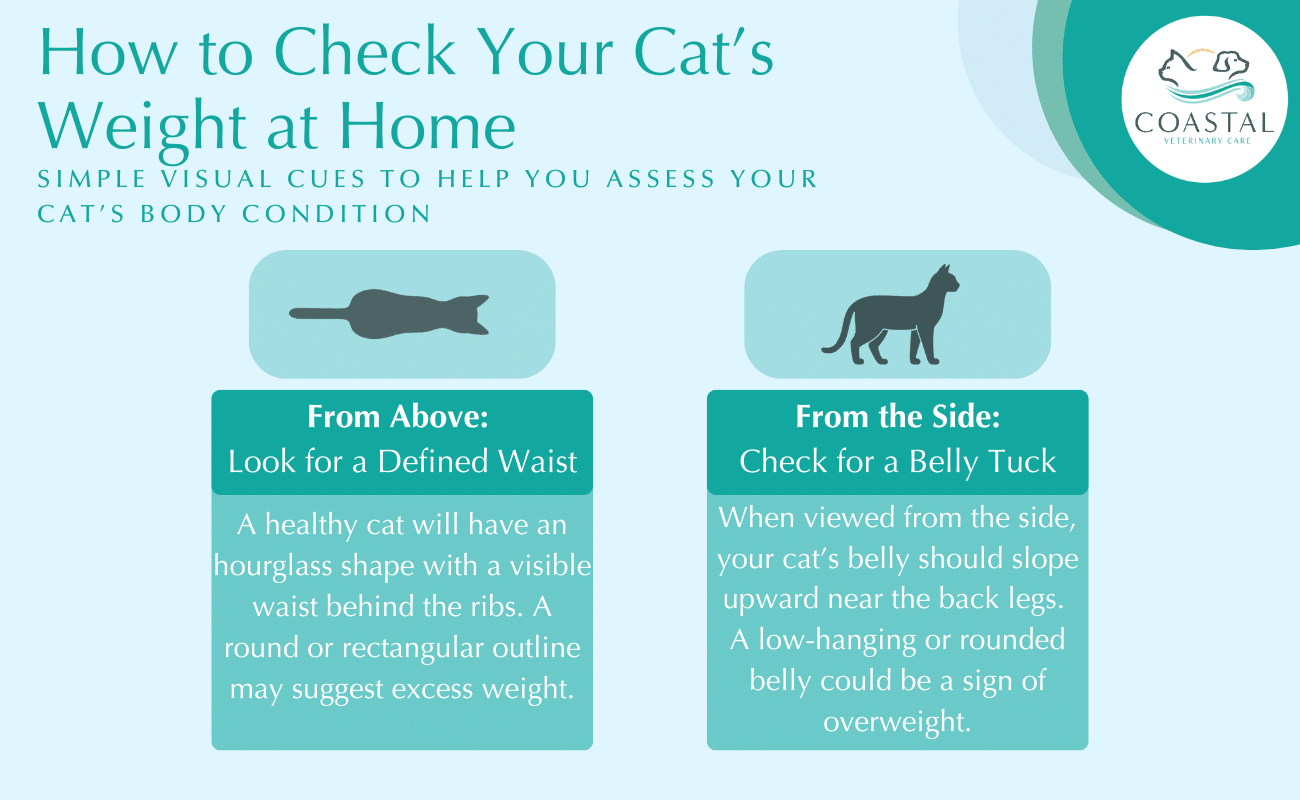
Weigh your cat at the same time every week to get consistent results. Use a kitchen scale or a pet scale for accuracy. Record the weight in a notebook or app to track trends over time.
Notice even small gains; a half-pound increase can mean a lot for a thin cat. If your cat resists being weighed, try placing them in a carrier on the scale and subtract the carrier’s weight. Have you tried different spots for weighing to reduce your cat’s stress?
Adjusting The Plan
If you don’t see steady weight gain after two weeks, it’s time to tweak the plan. Increase meal portions gradually or add high-calorie supplements your vet approves. Sometimes, switching to a more calorie-dense food makes a big difference.
Pay attention to your cat’s appetite and energy levels. Are they eating all their food or leaving some behind? This can tell you if you need to try a tastier option or feed smaller, more frequent meals.
Remember, weight gain should be gradual. Rapid changes might signal an underlying health issue or overfeeding. How often do you reassess your cat’s feeding routine to ensure it matches their changing needs?
Credit: sites.tufts.edu
Credit: coastalveterinarycare.vet
Frequently Asked Questions
Why Does My Cat Need To Gain Weight?
Cats may need to gain weight due to illness, poor diet, or high activity levels. Gaining weight helps improve their health and energy. Proper nutrition and veterinary care are essential to address weight loss effectively.
How Can I Safely Help My Cat Gain Weight?
Increase your cat’s calorie intake gradually with nutrient-rich food. Offer multiple small meals daily and include wet food for hydration. Consult a vet to rule out medical issues before changing diet.
What Foods Help Cats Gain Weight Quickly?
High-protein, high-fat foods like canned tuna, chicken, and specially formulated cat food promote weight gain. Avoid overfeeding treats and maintain balanced nutrition to ensure healthy weight gain for your cat.
When Should I See A Vet About My Cat’s Weight?
If your cat loses weight rapidly, shows signs of illness, or refuses to eat, see a vet immediately. Early diagnosis and treatment are crucial for safe weight gain and overall health.
Conclusion
Helping your cat gain weight takes time and care. Choose healthy, high-calorie foods that your cat enjoys. Feed smaller meals more often to encourage eating. Monitor your cat’s weight and behavior closely each week. Visit the vet to rule out any health problems.
Patience and consistency will make a big difference. Your cat will feel better and gain strength soon. Stay attentive and keep your cat comfortable throughout the process. Weight gain is possible with the right approach and love.
