


Have you ever wondered if your cat really needs your attention, or if they prefer to be left alone? Understanding your furry friend’s need for interaction can make a huge difference in their happiness and behavior.
If you want to build a stronger bond and keep your cat healthy and content, knowing when and how to give them attention is key. Keep reading to discover what your cat is trying to tell you and how you can meet their needs without overwhelming them.
Your cat’s well-being might depend on it.
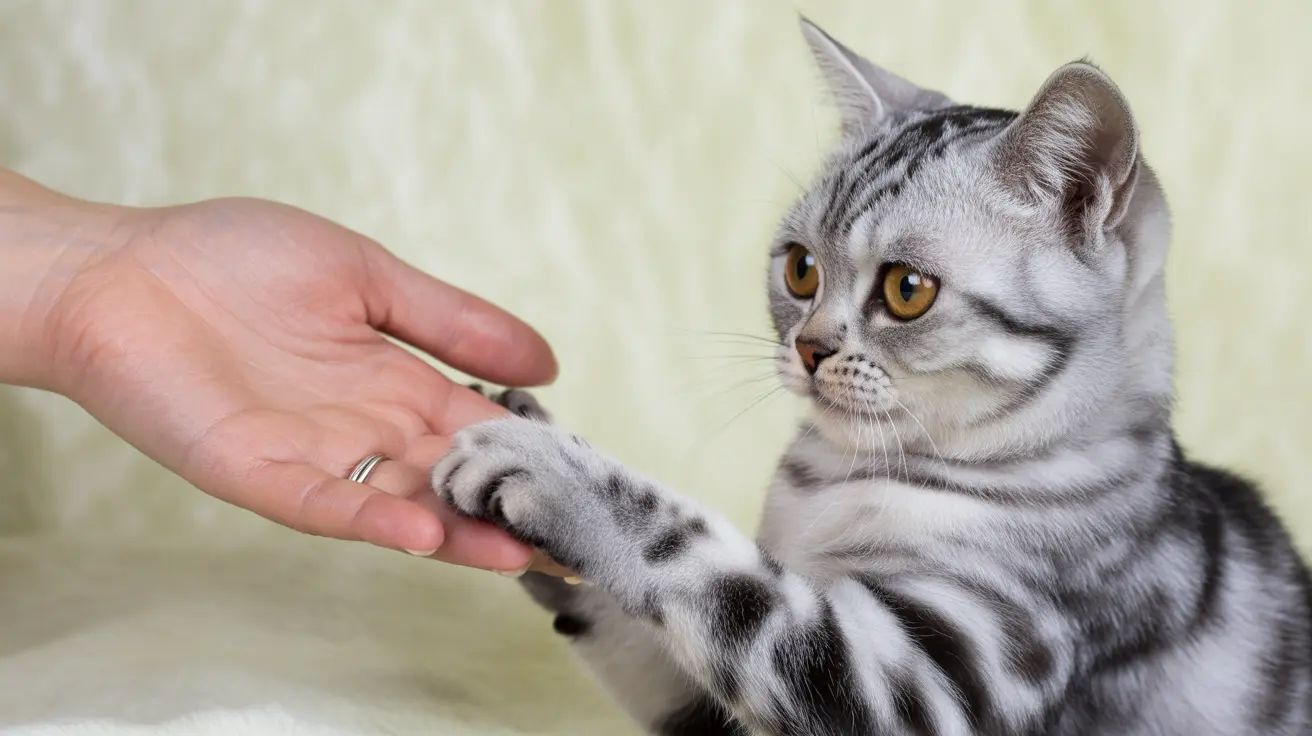
Credit: www.petscare.com
Signs Your Cat Needs Attention
Recognizing when your cat needs attention can deepen your bond and improve their well-being. Cats often show subtle signs that they want interaction, but these can be easy to miss if you’re not paying close attention. Watching for these signals helps you respond in ways your cat truly appreciates.
Increased Vocalization
Does your cat suddenly start meowing more than usual? This could be a clear sign they want your attention. Cats use different sounds to communicate, so listen carefully to changes in their tone or frequency.
One evening, my cat’s persistent, soft meows led me to realize she was lonely after a long workday. Giving her some extra playtime made a huge difference.
Following You Around
Have you noticed your cat trailing you from room to room? This behavior often means they want interaction. Your presence matters more than you might think.
When my cat follows me into the kitchen or bathroom, it’s usually a request for company or affection. Try stopping to pet them or talk softly to see if they respond.
Restlessness Or Pacing
Is your cat pacing or unable to settle down? This can indicate they need more mental or physical stimulation from you. Cats need activity and engagement to stay happy.
On days when I’m busy and less interactive, my cat paces more. Introducing a new toy or a quick play session helps calm her restlessness.
Excessive Grooming Or Licking
Over-grooming may signal stress or boredom caused by lack of attention. Watch for bald patches or sores as a sign this behavior is excessive.
After spending a weekend away, my cat groomed herself more than usual. Once I gave her extra cuddles and playtime, she relaxed and groomed less.
Seeking Physical Contact
If your cat rubs against you, kneads, or jumps on your lap frequently, they’re asking for closeness. Physical touch is a common way cats show their need for connection.
Next time your cat nudges your hand or curls up near you, take it as an invitation to engage. These moments build trust and comfort.
Common Misconceptions About Cats
Cats often get misunderstood, leading to many false beliefs about their behavior and needs. These misconceptions can affect how you care for and interact with your feline friend. Understanding the truth about cats helps you build a stronger bond and meet their real needs.
Not All Cats Are Independent To The Extreme
Many people think cats don’t need attention because they are independent animals. While cats enjoy alone time, they still crave social interaction and affection. Your cat might come to you for pets or play when they want company, showing they need connection just like any pet.
Cats Don’t Always Show Affection The Way Dogs Do
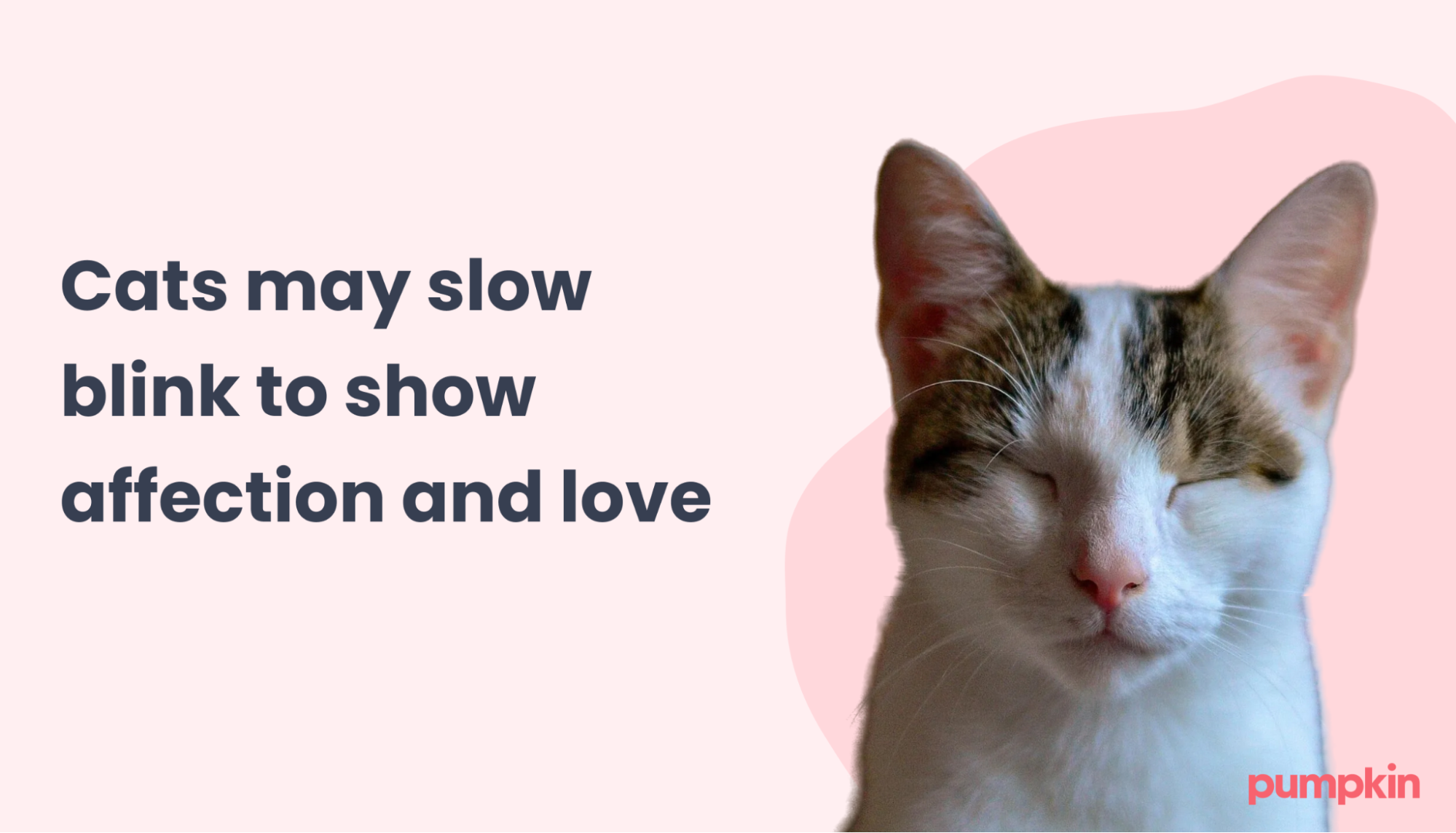
You might believe cats are aloof because they don’t wag their tails or lick you. Cats have subtle ways to show love, like purring, slow blinking, or head butting. Not noticing these signs can make you think your cat doesn’t want your attention, but they often do in quiet ways.
Cats Get Bored Without Enough Stimulation
Some think cats entertain themselves perfectly and don’t get bored. However, boredom can cause stress and bad behavior. Providing toys, playtime, and interaction keeps your cat mentally and physically healthy, showing that attention matters a lot.
Cats Can’t Be Trained Or Don’t Respond To Interaction
You might assume cats won’t learn tricks or respond to your voice. Cats can be trained to do simple commands and enjoy interactive play. Using treats and positive reinforcement proves that cats appreciate your attention and want to engage with you.
Why Do You Think Cats Are So Mysterious?
Have you ever wondered why cats seem so secretive? Reflect on your own experiences—maybe your cat has shown affection in ways you didn’t expect. Recognizing these moments helps you give your cat the attention they truly need, breaking down old myths.
Benefits Of Giving Attention To Cats
Giving attention to cats brings many benefits to their health and happiness. Cats are social animals who enjoy interaction. Spending time with them helps build a strong bond. It also supports their mental and emotional well-being.
Cats that receive regular attention tend to be less stressed and more playful. They feel safe and loved, which improves their overall behavior. Attention also encourages healthy activity and reduces loneliness.
Improves Cat’s Mental Health
Attention helps cats feel secure and calm. It lowers anxiety and fear. Talking, petting, and playing stimulate their minds. This prevents boredom and destructive habits.
Strengthens The Human-cat Bond
Time spent together builds trust. Cats become more affectionate and responsive. They learn to enjoy your company and seek comfort from you.
Promotes Physical Activity
Playing with cats keeps them active. It helps maintain a healthy weight. Exercise also improves their muscle tone and coordination.
Detects Health Issues Early
Regular attention lets owners notice changes. Skin problems, lumps, or injuries become visible sooner. Early detection means quicker treatment and better outcomes.
Reduces Behavioral Problems
Cats with attention show fewer signs of aggression. They are less likely to scratch furniture or meow excessively. Positive interaction keeps them calm and well-behaved.

Credit: www.oliverpetcare.com
Creating A Stimulating Environment
Cats need more than food and water to stay happy. They thrive in spaces that challenge their minds and bodies. Creating a stimulating environment keeps your cat active and content. It reduces boredom and prevents destructive behavior. Providing different activities helps your cat use natural hunting and climbing skills. This section explores key ways to create such an environment at home.
Interactive Toys
Interactive toys keep cats busy and sharp. Toys that move or make noise catch their attention quickly. Puzzle feeders make cats work for food, which is good exercise for their brain. Laser pointers and feather wands encourage chasing and jumping. Rotate toys often to keep your cat interested. These toys reduce stress and give your cat a fun way to play alone or with you.
Climbing Spaces
Cats love to climb and watch their surroundings from high places. Shelves, cat trees, and window perches give them safe spots to explore vertically. These spaces satisfy their natural urge to climb and jump. Climbing also helps keep their muscles strong and joints flexible. A tall cat tree with multiple levels is ideal. Make sure climbing areas are stable and placed near windows for extra entertainment.
Scratching Posts
Scratching is a natural cat behavior. It helps cats mark territory and stretch their muscles. Providing scratching posts protects furniture and carpets. Choose posts made from sisal or cardboard. Place them near favorite resting spots or where your cat often scratches. Some cats prefer horizontal scratchers, so offer both types. Encourage use by rubbing catnip on the posts or rewarding your cat with treats.
Bonding Activities With Your Cat
Spending quality time with your cat builds a strong connection that benefits both of you. Bonding activities create moments of trust and joy, helping your cat feel secure and loved. These shared experiences can deepen your relationship and improve your cat’s overall happiness.
Playtime Ideas
Engaging your cat in play is a great way to capture their attention and stimulate their mind. Use toys like feather wands or laser pointers to encourage chasing and pouncing. Notice what excites your cat the most—some love interactive toys, while others prefer solo play with balls or stuffed mice.
Try rotating toys regularly to keep play fresh. Have you ever seen your cat’s eyes light up when you bring out a new toy? That spark is a sign your bond is growing stronger through fun.
Training Tricks
Teaching your cat simple tricks can be surprisingly rewarding. Start with easy commands like “sit” or “high five” using treats as motivation. Short, positive training sessions help your cat focus and build confidence.
Training isn’t just about obedience; it’s about communication. Have you noticed how your cat reacts when you offer a reward? This interaction can make your cat more responsive and deepen your connection.
Cuddle Sessions
Physical affection strengthens your bond in a quiet, comforting way. Many cats enjoy gentle petting or being held close, but always pay attention to their body language. Respect their boundaries to keep cuddle time pleasant.
Try setting aside a few minutes each day to relax together. Does your cat nuzzle your hand or purr softly? Those small signs show they trust you and appreciate your company.
Credit: www.pumpkin.care
Understanding Your Cat’s Personality
Every cat has a unique personality. Understanding your cat’s personality helps you meet its needs better. Some cats love company and attention. Others prefer quiet and alone time. Knowing what your cat likes makes your bond stronger. It also helps you spot when your cat feels stressed or upset.
Independent Vs. Social Cats
Some cats enjoy being alone most of the time. They like to explore, nap, and play by themselves. These are independent cats. They do not need much attention but still want care and love.
Social cats want more interaction with people or other pets. They enjoy cuddles, playing, and being near you. These cats often follow you around and ask for attention.
Watch how your cat behaves to know if it is independent or social. Respect their style. Give social cats more playtime and petting. Give independent cats space and quiet.
Recognizing Stress Signals
Cats show stress in different ways. Look for signs to help your cat feel safe and calm.
- Hiding in unusual places
- Avoiding eye contact
- Excessive grooming or scratching
- Changes in eating or litter habits
- Growling, hissing, or swatting
Notice these signs early. Give your cat a quiet spot. Avoid loud noises and sudden moves. Calm and gentle talk helps reduce stress.
Balancing Attention For Multiple Cats
Balancing attention among multiple cats can feel like juggling flaming torches. Each cat has its own personality and needs, and giving each one enough love and care is essential to keep your feline family happy. But how do you make sure no one feels left out or neglected?
Understanding Each Cat’s Unique Needs
Not every cat craves the same amount or type of attention. Some enjoy long cuddle sessions, while others prefer short playtimes or quiet companionship. Watch how each cat reacts to your presence and adjust your interactions accordingly.
Does one cat often retreat when you approach? Maybe it prefers gentle petting over vigorous play. Recognizing these preferences helps you avoid stress and build trust with each cat.
Creating Individual Attention Time
Set aside a few minutes every day to spend one-on-one time with each cat. This focused attention makes them feel special and strengthens your bond. Even a simple game with a favorite toy or a quiet lap session can make a big difference.
Try rotating who gets your attention first. This small change can prevent jealousy and competition among your cats. Have you noticed how a little individual time can calm a restless kitty?
Encouraging Group Play And Interaction
While individual attention is important, group activities can help your cats enjoy each other’s company. Interactive toys like feather wands or laser pointers can engage multiple cats simultaneously. This shared playtime builds positive associations between them.
Be careful to watch for signs of stress or conflict during group play. If one cat becomes too dominant or aggressive, separate them and give some extra attention to the more timid one. How often do you see your cats playing together happily?
Using Routine To Manage Attention
Cats appreciate routine and predictability. Try to feed, play, and cuddle them at consistent times daily. This structure helps them feel secure and reduces attention-seeking behaviors.
Does your schedule allow for regular, short interactions throughout the day? Even quick moments of connection can balance attention and keep your cats content.
Role Of Routine In Feline Happiness
Routine plays a significant role in keeping your cat happy and content. Cats thrive on predictability, which helps reduce their stress and anxiety levels. When you establish a consistent daily schedule, your feline friend knows what to expect and feels more secure.
How Consistent Feeding Times Boost Comfort
Your cat’s mealtime is more than just nourishment—it’s a moment of comfort and anticipation. Feeding your cat at the same times every day builds a sense of stability. This predictability helps avoid unnecessary stress that can come from irregular feeding.
Have you noticed how your cat waits patiently around their usual feeding time? That’s their internal clock responding to your routine. Sticking to a schedule strengthens your bond and keeps your cat calm.
Play And Interaction As Part Of The Daily Rhythm
Cats need mental and physical stimulation, and regular playtimes fit perfectly into their routine. Setting specific times for interactive play gives your cat something to look forward to, reducing boredom and destructive behaviors.
Try to observe when your cat is most active during the day and plan play sessions around those periods. This approach respects their natural energy cycles and keeps them engaged and happy.
Why Sleep Patterns Matter To Your Cat’s Well-being
Cats love a good nap, but they also benefit from a steady daily routine that supports healthy sleep patterns. Consistent wake-up and quiet times help your cat feel rested and more balanced emotionally.
Disrupting their sleep with loud noises or irregular schedules can cause irritability and stress. Do you create a calm environment for your cat to rest? Small changes in your routine can make a big difference in their mood.
Incorporating Grooming And Care Into Your Schedule
Regular grooming and health checks are easier to maintain with a fixed routine. Your cat gets used to these moments, which can otherwise be stressful if unexpected.
Setting aside time each day or week for brushing or nail trimming builds trust and makes these tasks smoother. What part of your cat’s care could benefit from a more predictable schedule?
When To Seek Professional Advice
Knowing when your cat needs professional attention can save both of you from unnecessary stress. Cats may not always show clear signs of distress, so it’s important to recognize subtle changes in their behavior or health. If you notice anything unusual, don’t hesitate to reach out to a vet or animal behaviorist.
Signs Of Behavioral Changes That Need Attention
Has your usually calm cat suddenly become aggressive or withdrawn? Changes like excessive scratching, hiding, or vocalizing can signal underlying problems. These behaviors might indicate anxiety, pain, or illness that requires professional evaluation.
Physical Symptoms To Watch For
- Loss of appetite or sudden weight change
- Persistent vomiting or diarrhea
- Difficulty breathing or coughing
- Excessive grooming or bald patches
If your cat shows any of these symptoms, it’s time to consult a vet. Early diagnosis often leads to better treatment outcomes.
When Your Cat’s Attention Needs Outweigh Your Efforts
You might find yourself trying various toys, play sessions, and cuddles, but your cat still seems restless or lonely. If your attempts to engage your cat don’t improve its mood or behavior, professional advice can help. Experts can provide tailored strategies or identify if there’s a medical cause behind the restlessness.
Emergency Situations Requiring Immediate Help
Some situations require no delay—such as trauma from accidents, seizures, or difficulty moving. If your cat suddenly collapses or stops responding, seek emergency veterinary care right away. Quick action in these moments can be lifesaving.
Have you ever noticed subtle changes in your cat that you initially ignored? What happened when you finally sought help? Recognizing when to get professional advice can make a huge difference in your cat’s happiness and health.
Frequently Asked Questions
Do Cats Need Attention From Their Owners?
Yes, cats need attention to feel loved and secure. Regular interaction improves their mood and behavior. It also strengthens the bond between cats and owners.
How Much Attention Does A Cat Require Daily?
Most cats need 10-15 minutes of focused attention daily. Playtime and petting sessions keep them mentally and physically healthy. Some cats may want more based on personality.
What Signs Show A Cat Wants Attention?
Cats may meow, paw, or follow you around. Purring, rubbing, and head-butting also indicate they want interaction. Recognizing these helps meet their emotional needs.
Can Lack Of Attention Affect A Cat’s Health?
Yes, neglect can cause stress, anxiety, and behavioral issues. Cats may become withdrawn or aggressive without enough attention. Providing regular care supports their well-being.
Conclusion
Cats enjoy attention just like people do. They feel happy and safe when you spend time with them. Playing and petting help build a strong bond. But cats also need quiet time alone. Respect their space and watch their signals.
Giving the right balance keeps your cat healthy and content. Remember, a little love goes a long way. Your cat will thank you with purrs and cuddles. Care and attention make a cat’s life better every day.
