

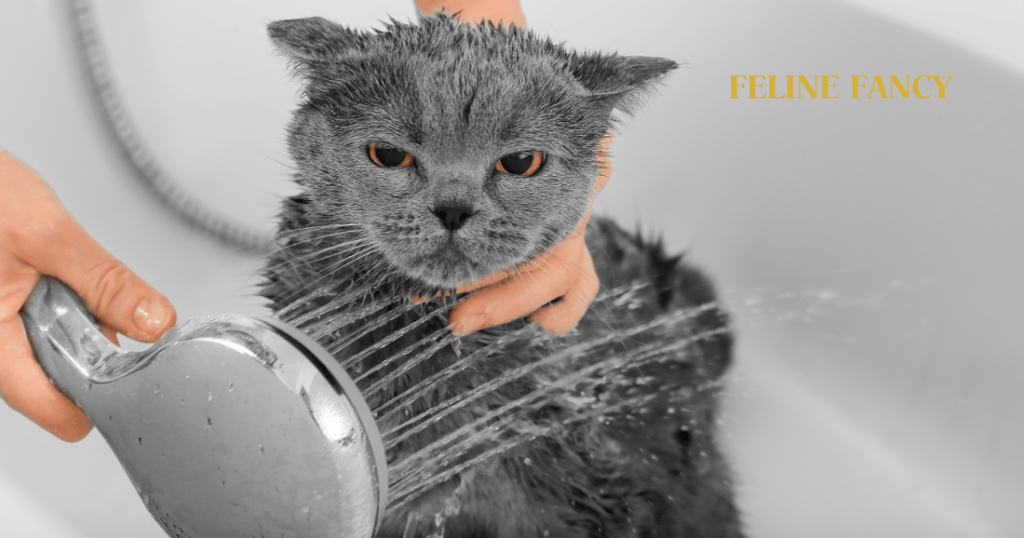
Have you ever wondered if your cat really needs a bath? You might think cats are naturally clean and can take care of themselves, but is that always true?
Understanding when and why your furry friend might need a bath can save you from stress and keep your home fresh. Keep reading to discover the surprising facts about cat baths and learn how to care for your pet the right way.
Credit: pethelpful.com
Natural Groomers
Cats are natural groomers. They spend a large part of their day cleaning themselves. Their tongues have tiny, hook-like structures. These hooks help remove dirt and loose fur.
Grooming keeps their coat shiny and healthy. It also spreads natural oils that protect their skin. This natural process helps regulate body temperature and reduce stress.
How Cats Groom Themselves
Cats use their tongues to lick their fur. They reach most body parts except the top of their heads and ears. Cats use their paws to clean these hard-to-reach areas.
Benefits Of Natural Grooming
- Removes dirt and debris
- Reduces shedding by removing loose hair
- Distributes natural oils for a healthy coat
- Helps cool the body in warm weather
- Calms and soothes the cat’s mind
When Natural Grooming Is Not Enough
Sometimes cats cannot clean themselves properly. Older cats or those with health problems may struggle. In these cases, a bath might help, but it is rarely needed.
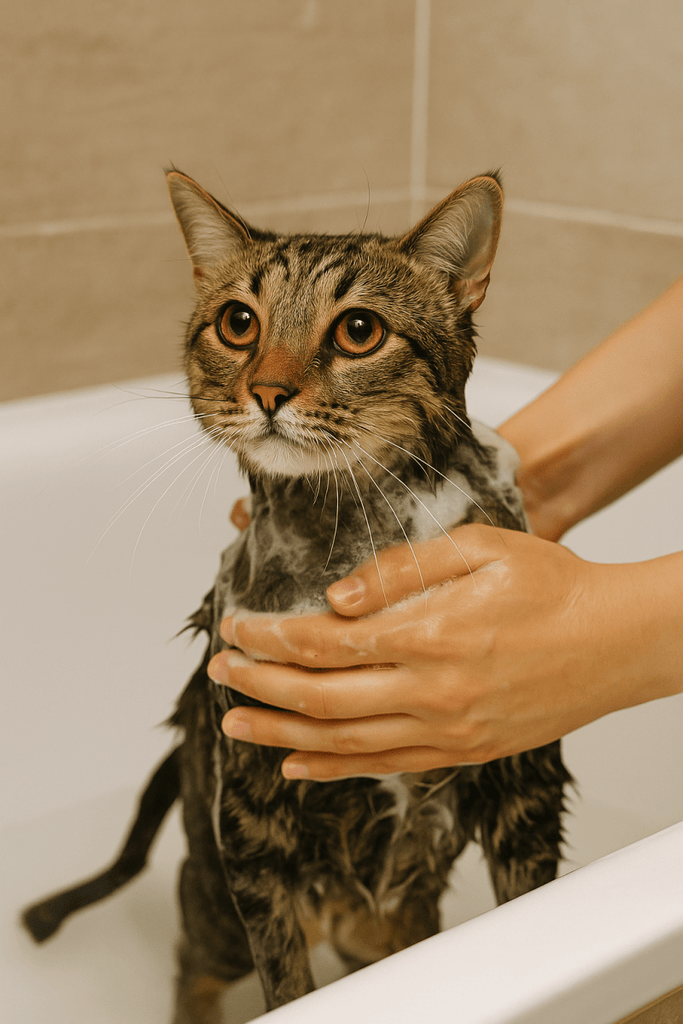
Credit: dirtbusters.co.uk
When Baths Are Necessary
Bathing cats is often seen as an unnecessary chore, but there are specific situations when a bath becomes essential. Understanding these moments can help you keep your feline friend healthy and comfortable. Let’s look at the key reasons why you might need to give your cat a bath.
Medical Conditions
Some cats develop skin problems that require regular bathing with medicated shampoos. Conditions like dermatitis or fungal infections demand gentle cleaning to soothe irritation and promote healing.
If your vet prescribes a bath, follow their instructions carefully. Ignoring these baths can worsen your cat’s condition and cause discomfort.
Flea Infestations
Fleas are more than just a nuisance—they can cause serious itching and allergic reactions. While topical treatments and oral medications are common, a bath can help remove fleas and their eggs from your cat’s fur.
Use a flea shampoo recommended by your vet, and be sure to rinse thoroughly. This not only helps your cat but also reduces the risk of fleas spreading around your home.
Toxic Substances
Cats are curious creatures and sometimes get into harmful substances like grease, paint, or chemicals. If your cat gets something toxic on their fur, a bath is the quickest way to remove it and prevent poisoning.
Act fast but gently—use lukewarm water and a mild cat shampoo. Avoid harsh scrubbing that might stress your cat further. Have you ever had to wash your cat unexpectedly? How did you handle it?
Choosing The Right Products
Choosing the right products for bathing your cat is key to a safe and gentle cleaning experience. Cats have sensitive skin and unique grooming needs. Using the wrong products can cause discomfort or harm. Select products that protect your cat’s natural oils and keep their fur healthy.
Cat-friendly Shampoos
Pick shampoos made specifically for cats. These shampoos have gentle ingredients that clean without drying out the skin. They often contain soothing agents to reduce itching and irritation. Avoid shampoos designed for humans or dogs, as their formulas can upset a cat’s skin balance.
Avoiding Harmful Ingredients
Check product labels carefully. Avoid shampoos with harsh chemicals like parabens, sulfates, and artificial fragrances. These can cause allergic reactions or damage your cat’s coat. Natural and hypoallergenic options are safer choices. A simple ingredient list usually means fewer risks for your furry friend.
Preparing For Bath Time
Preparing your cat for bath time helps the process go smoothly. Cats often dislike water, so setting up properly reduces stress. Gathering all needed items and calming the space are key steps. These preparations keep your cat safe and relaxed during the bath.
Gathering Supplies
Collect everything before you start. This saves time and avoids leaving your cat alone wet. You will need:
- Cat-friendly shampoo
- A cup or sprayer for rinsing
- A large towel for drying
- A non-slip mat for the tub or sink
- A brush for pre-bath grooming
- Optional: cotton balls for ears
Use shampoo made for cats only. Human or dog shampoos can irritate their skin.
Creating A Calm Environment
Choose a quiet room with a comfortable temperature. Close windows and doors to limit outside noise. Keep lights soft and avoid sudden movements.
Speak softly to soothe your cat. Play calming music if it helps. Have a helper if possible to gently hold your cat.
Use a non-slip mat to prevent slipping. This gives your cat secure footing and less fear.
Bathing Techniques
Bathing a cat may seem tricky, but using the right techniques makes it easier. Cats usually clean themselves well, but sometimes a bath is needed. Knowing how to bathe your cat calmly helps reduce stress for both of you. Preparing properly and following safe steps ensures a smooth experience.
Step-by-step Guide
- Gather all supplies: cat shampoo, towel, cup, and a brush.
- Brush your cat gently to remove loose fur.
- Fill a sink or tub with a few inches of warm water.
- Place your cat carefully in the water, supporting its body.
- Use a cup to wet the cat’s fur slowly, avoiding the face.
- Apply a small amount of cat shampoo and lather gently.
- Rinse thoroughly with warm water, making sure no soap remains.
- Wrap your cat in a towel and pat dry softly.
- Keep your cat in a warm, calm place until fully dry.
Safety Precautions
- Never use human shampoo; it can harm your cat’s skin.
- Check water temperature; it should feel warm, not hot.
- Avoid getting water or shampoo in your cat’s eyes and ears.
- Use a non-slip mat to prevent slipping in the sink or tub.
- Keep nails trimmed to avoid scratches during the bath.
- Speak softly and stay calm to comfort your cat.
- Have a helper hold the cat if it is very nervous.
- Stop immediately if your cat shows signs of extreme stress.
Drying And Post-bath Care
After giving your cat a bath, drying and post-bath care become crucial parts of the process. Cats are sensitive to cold and dampness, so you want to make sure they are as comfortable as possible. Paying attention to how you dry and groom your cat can make future baths easier and less stressful for both of you.
Using Towels And Dryers
Start by gently wrapping your cat in a soft, absorbent towel. Press the towel against their fur to soak up excess water instead of rubbing vigorously. Rubbing can tangle the fur and irritate your cat’s skin.
If your cat tolerates noise well, a pet-friendly hair dryer on the lowest heat setting can speed up drying. Keep the dryer moving and hold it at a safe distance to avoid overheating spots. If your cat shows signs of stress, skip the dryer and stick to towel drying.
Brushing And Grooming
Once your cat is mostly dry, brushing their fur helps prevent mats and distributes natural oils. Use a brush suitable for your cat’s coat type—slicker brushes for long-haired cats and rubber grooming gloves for short-haired ones.
Regular brushing after baths can turn into a bonding moment. Have you noticed how some cats seem to relax and even purr during grooming? This can help them associate bath time with positive experiences.
Alternatives To Bathing
Cats usually keep themselves clean by grooming. Baths can stress them out and are often not needed. There are easier ways to keep your cat fresh without water baths.
These alternatives help maintain your cat’s hygiene gently. They save time and avoid the hassle of a full bath.
Dry Shampoo
Dry shampoo is a powder or foam made for pets. It absorbs oils and dirt from the cat’s fur. You sprinkle or spray it on, then brush it out.
- Helps reduce grease and odor.
- Easy to apply and quick to use.
- Does not require water, so it avoids stress.
Choose a dry shampoo designed specifically for cats. Some ingredients can irritate sensitive skin.
Wipes And Spot Cleaning
Pet wipes are moist cloths made for cleaning cats. They remove dirt and allergens from fur and paws.
- Good for quick clean-ups after outdoor time.
- Gentle on the skin and easy to use.
- Useful for cleaning small dirty areas.
Use unscented wipes without alcohol. Spot cleaning with a damp cloth also works well for minor messes.
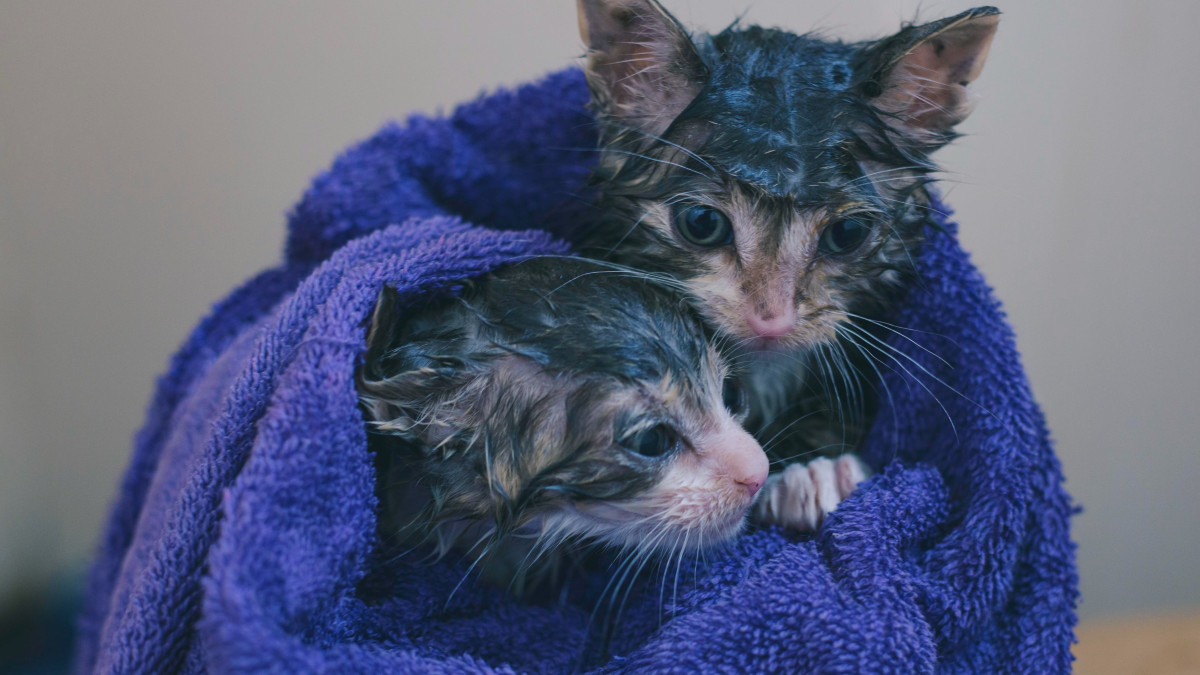
Credit: pethelpful.com
Handling Resistant Cats
Bathing a cat that resists can be a real challenge. Many cats dislike water and may become stressed or aggressive. Handling resistant cats requires patience and gentle care. The goal is to make the experience less scary for your pet. Understanding how to approach this calmly helps both you and your cat stay safe.
Desensitization Techniques
Start by slowly introducing your cat to water-related items. Let your cat explore the bath area without pressure. Use treats to create positive feelings near the sink or tub.
- Place a small amount of water in a shallow dish and let your cat sniff it.
- Gently wet your cat’s paws during playtime to build comfort.
- Gradually increase water exposure over days or weeks.
- Speak softly and praise your cat during each step.
This gradual approach reduces fear and builds trust. Never rush or force your cat into a bath. Keep sessions short and calm to avoid stress.
Seeking Professional Help
Sometimes, cats resist baths no matter what you try. Professional groomers or veterinarians have experience handling difficult cats safely. They use special tools and techniques to minimize stress and protect your cat.
- Groomers can provide full baths or spot cleaning.
- Veterinarians may offer medicated baths for skin issues.
- Professionals can advise on at-home care and products.
- They help reduce injury risk to both cat and owner.
Getting expert help can be the best choice for very resistant cats. It ensures cleanliness without harm or trauma.
Frequently Asked Questions
Do Cats Need Regular Baths?
Most cats groom themselves and rarely need baths. Only bathe if they’re dirty, smelly, or have skin issues. Overbathing can dry their skin and cause irritation.
How Often Should I Bathe My Cat?
Bathing frequency depends on your cat’s lifestyle and health. Indoor cats rarely need baths. Outdoor or dirty cats may need baths every few weeks. Consult your vet for specific advice.
Can I Use Human Shampoo On Cats?
No, human shampoo can harm your cat’s skin and coat. Use only shampoos formulated specifically for cats to avoid irritation and allergic reactions.
What Are The Signs My Cat Needs A Bath?
Signs include visible dirt, oil buildup, bad odor, or sticky fur. Also bathe if your cat has fleas, skin conditions, or after exposure to harmful substances.
Conclusion
Cats usually keep themselves clean without baths. Most cats do not need regular washing. Baths can stress some cats and cause fear. Only bathe your cat if it is very dirty or has fleas. Use gentle shampoo made for cats to protect their skin.
Regular brushing helps remove dirt and loose hair. Pay attention to your cat’s behavior and comfort. Keep grooming simple and calm. Clean cats stay healthy and happy. Trust your pet’s natural habits for cleanliness.
