

Are you wondering if your cat really needs shots? As a cat owner, you want to keep your furry friend safe and healthy.
But with so much information out there, it’s easy to feel confused or unsure. Understanding why vaccinations matter can protect your cat from serious diseases and give you peace of mind. Keep reading to find out what shots your cat needs, when to get them, and how they help your beloved pet live a longer, happier life.
Importance Of Cat Vaccinations
Vaccinations play a crucial role in keeping your cat healthy and protected. They guard against serious diseases that can be costly and heartbreaking. Without vaccines, your feline friend is at risk of infections that could be prevented with a simple visit to the vet.
I once had a cat who caught a severe illness because we delayed vaccinations. It was a tough lesson in how important timely shots really are. You want your cat to enjoy a long, happy life, and vaccines are a key part of that.
Protecting Your Cat From Serious Diseases
Vaccines shield cats from illnesses like rabies, feline leukemia, and distemper. These diseases can cause severe symptoms and even death. By vaccinating, you reduce the chance of your cat falling seriously ill.
Think about the cost and stress of treating diseases versus the small effort of getting shots. Isn’t it worth protecting your cat upfront?
Stopping The Spread Of Infections
Vaccinated cats help prevent the spread of contagious diseases to other pets and humans. This is especially important if your cat goes outdoors or interacts with other animals. Your choice to vaccinate can keep your entire community safer.
Meeting Legal And Boarding Requirements
Many places require cats to have certain vaccinations, especially rabies shots. Boarding facilities and groomers often ask for proof of vaccination before accepting your cat. Ensuring your cat’s shots are up to date avoids unnecessary hassles and keeps your plans worry-free.
How Often Should Your Cat Get Shots?
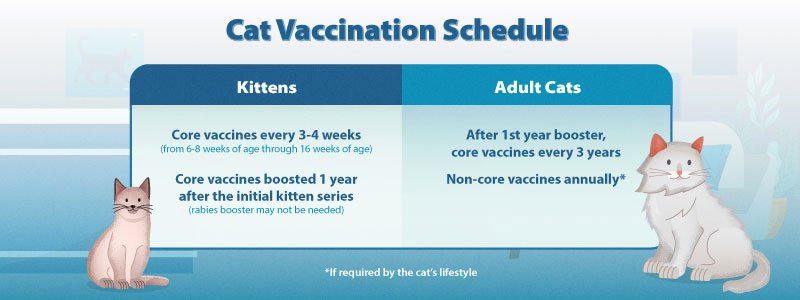
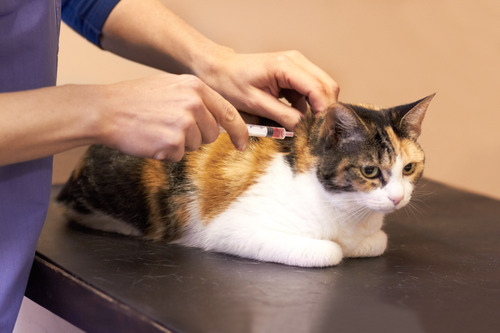
Vaccination schedules vary based on age, lifestyle, and health. Kittens usually need a series of shots, followed by booster shots yearly or every three years. Your vet will guide you on the best schedule tailored to your cat’s needs.
Have you checked your cat’s vaccination status recently? Staying on top of these shots is a simple way to show your cat you care.
Credit: triangleanimalclinic.com
Core Vaccines For Cats
Core vaccines protect cats from serious and common diseases. These vaccines are essential for every cat, regardless of their lifestyle or age. They help prevent illnesses that can cause severe health problems or even death. Protecting your cat with these vaccines is a key step in responsible pet care.
Feline Viral Rhinotracheitis
Feline Viral Rhinotracheitis is a contagious respiratory disease. It causes sneezing, eye discharge, and nasal congestion. This virus spreads easily among cats, especially in shelters or multi-cat homes. Vaccination helps reduce symptoms and the spread of this disease.
Calicivirus Vaccine
Calicivirus causes mouth ulcers, breathing problems, and limping. It also spreads quickly through saliva and nasal secretions. The vaccine lowers the chance of infection and lessens the severity of symptoms. It keeps cats healthier and more comfortable.
Panleukopenia Protection
Panleukopenia is a severe, often fatal, viral disease. It attacks the cat’s immune system and digestive tract. Symptoms include vomiting, diarrhea, and dehydration. Vaccinating your cat prevents this dangerous illness and protects their immune health.
Non-core Vaccines For Cats
Non-core vaccines for cats are not required for every feline but can be crucial depending on your cat’s lifestyle and risk factors. These vaccines target diseases that are less common or only affect cats in certain environments. Understanding these options helps you make informed decisions about your cat’s health.
Feline Leukemia Vaccine
The Feline Leukemia Virus (FeLV) can cause serious illness and weaken your cat’s immune system. If your cat spends time outdoors or interacts with other cats, this vaccine is highly recommended. It’s worth discussing with your vet whether this vaccine fits your cat’s lifestyle since indoor-only cats might not need it.
Bordetella Prevention
Bordetella is a bacterial infection that can cause respiratory problems in cats. Cats that visit boarding facilities, shelters, or groomers often face higher risks. If your cat is frequently in these settings, consider this vaccine to reduce coughing and sneezing episodes.
Chlamydia Protection
Chlamydia felis causes eye infections and respiratory issues in cats. It spreads easily in multi-cat households or shelters. Vaccinating your cat against Chlamydia can prevent discomfort and the hassle of treating recurring infections.
Vaccination Schedules For Cats
Vaccination schedules are a crucial part of keeping your cat healthy and protected from dangerous diseases. Understanding when and what vaccines your cat needs can save you from unexpected vet visits and health issues later on. Let’s break down the timing and types of vaccines for both kittens and adult cats so you can stay ahead in your cat’s care.
Kitten Vaccine Timeline
Kittens need a series of vaccines starting early in life to build strong immunity. The typical schedule begins at about 6 to 8 weeks of age, with follow-up shots every 3 to 4 weeks until they reach around 16 weeks.
- 6-8 weeks:First round of core vaccines, including protection against feline distemper and respiratory infections.
- 10-12 weeks:Second set of vaccines, reinforcing the initial protection and adding others if recommended.
- 14-16 weeks:Final kitten vaccines to complete the series, ensuring lasting immunity.
During this period, it’s normal for kittens to visit the vet multiple times. I remember my cat’s jittery visits—they hated the shots but bounced back quickly. This schedule ensures they start life shielded from common but serious illnesses.
Adult Cat Booster Shots
After the kitten shots, adult cats need booster vaccines to keep their immunity strong. These boosters typically occur once a year or every three years, depending on the vaccine type and your vet’s advice.
- Core vaccines:Usually require boosters every 1-3 years.
- Non-core vaccines:Given based on your cat’s lifestyle and risk factors, like outdoor access.
Have you checked your adult cat’s vaccine status recently? Many cat owners overlook boosters once their pet seems healthy. Staying on top of boosters can prevent sudden illnesses that are harder to treat than to prevent.
Risks And Side Effects
Vaccines play a key role in protecting cats from serious diseases. Still, vaccines can cause some risks and side effects. Understanding these helps cat owners make informed choices. Most cats handle vaccines well. A few may show mild reactions. Rarely, more serious problems can occur. Recognizing common and rare side effects is important for every cat owner.
Common Side Effects
- Mild swelling or soreness at the injection site
- Temporary tiredness or less activity
- Low-grade fever lasting a day or two
- Loss of appetite for a short time
- Sneezing or mild nasal discharge (for nasal vaccines)
These side effects usually disappear within 48 hours. They show the immune system is working. Keep your cat comfortable and watch closely during this time.
Rare Complications
- Allergic reactions such as facial swelling or hives
- Severe vomiting or diarrhea
- Difficulty breathing or wheezing
- Injection site abscess or lumps lasting more than a week
- Rare vaccine-associated sarcoma (a type of tumor)
These issues need immediate veterinary care. Early treatment can prevent serious harm. Always report unusual signs after vaccination to your vet. This ensures your cat stays safe and healthy.
Credit: spallandharveyanimalhospital.ca
Choosing The Right Vaccines
Choosing the right vaccines for your cat is important to keep them healthy. Not all cats need the same shots. It depends on where they live and how they spend their time. Vaccines protect cats from serious diseases. Picking the right ones helps avoid unnecessary shots and keeps your cat safe.
Indoor Vs Outdoor Cats
Indoor cats have less exposure to diseases. They mostly stay inside and meet fewer animals. Their vaccine needs are usually lower. Outdoor cats face more risks. They meet other animals and can catch infections easier.
- Indoor cats often need core vaccines only.
- Outdoor cats may need extra vaccines for common outdoor diseases.
- Outdoor cats need protection against parasites and viruses.
Knowing if your cat stays indoors or roams outside helps decide which vaccines they need.
Veterinary Recommendations
Your vet knows the best vaccines for your cat. They consider age, health, and lifestyle. Vets also know local disease risks. This helps choose vaccines that match your cat’s situation.
- Core vaccines protect against common and serious diseases.
- Non-core vaccines depend on your cat’s environment and habits.
- Regular vet visits keep vaccines updated and your cat protected.
Trusting your vet’s advice ensures your cat gets the right shots on time.
Myths And Misconceptions
Many people have wrong ideas about cat vaccinations. These myths can cause worry and stop cats from getting needed shots. Understanding the truth helps keep cats healthy and safe.
Vaccinations protect cats from serious diseases. Clearing up these myths is important for every cat owner.
Do Vaccines Cause Illness?
Some believe vaccines make cats sick. This is not true. Vaccines use small, safe parts of germs. These parts cannot cause illness.
Sometimes, cats might feel tired or have a mild fever after a shot. This is normal. It means the cat’s body is building protection. Serious problems are very rare.
Natural Immunity Vs Vaccination
Some think natural immunity is better than vaccines. Natural immunity happens after a cat gets sick. But the illness can be very dangerous or deadly.
Vaccines give protection without making cats sick. They prepare the cat’s body to fight real germs. This is safer than risking the disease itself.
Vaccination helps cats stay healthy and avoid pain. It also protects other cats from catching diseases.

Credit: millsanimalhospital.com
Frequently Asked Questions
Do Cats Need Vaccinations For Health?
Yes, cats need vaccinations to protect against serious diseases. Vaccines boost their immune system and prevent infections.
When Should Kittens Get Their First Shots?
Kittens usually get their first shots at 6 to 8 weeks old. Follow-up boosters are given every 3-4 weeks until 16 weeks.
What Vaccines Are Essential For Indoor Cats?
Indoor cats should get core vaccines like rabies, FVRCP, and sometimes FeLV. These protect against common contagious diseases.
Can Adult Cats Skip Vaccinations?
Adult cats still need vaccinations if not previously vaccinated or if boosters are overdue. Regular shots ensure ongoing protection.
Conclusion
Cats need shots to stay healthy and avoid serious diseases. Vaccines protect them from viruses and infections. Regular visits to the vet ensure they get the right vaccines on time. Shots help keep your cat safe and happy. Protecting your pet means fewer health problems later.
Remember, a healthy cat is a happy cat. Taking care of vaccinations shows you care about your furry friend’s life. Shots are a small step with big benefits. Keep your cat safe by staying up to date with vaccines.
