

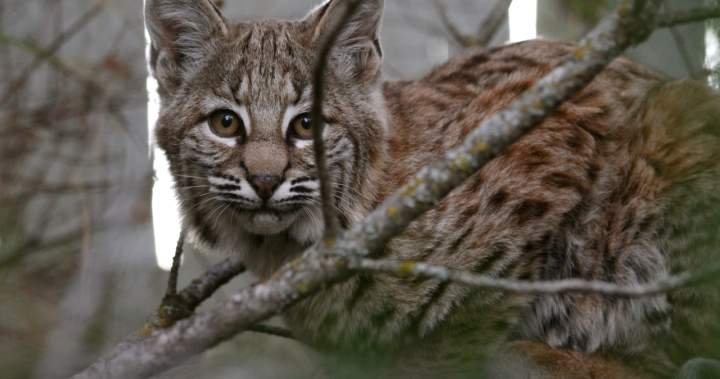
Have you ever wondered if bobcats pose a real threat to your pet cat? It’s a question that worries many cat owners, especially those living near wooded areas.
Understanding whether bobcats attack cats can help you keep your furry friend safe. You’ll discover the truth behind these wild encounters and learn what signs to watch for. Keep reading—your cat’s safety might depend on it.
Bobcats In Urban Areas
Bobcats are adapting to life closer to human neighborhoods. As cities and suburbs expand, these wild cats find new places to roam. This shift raises questions about their interactions with domestic pets, especially cats.
Why Bobcats Visit Urban Areas
Bobcats come into urban spaces mainly for food and shelter. They are attracted by small animals like rabbits, squirrels, and even outdoor cats. You might notice them near parks, green belts, and wooded backyards.
Sometimes, bobcats take advantage of quiet areas with little human activity. Nighttime is their favorite time to hunt and explore. Have you ever spotted something moving in your yard just after dusk?
Risks To Your Domestic Cats
Bobcats can see domestic cats as prey, especially if they roam outside. Small or young cats are more vulnerable. However, bobcats usually avoid confrontation unless they feel threatened or hungry.
Keeping your cat indoors or supervised outdoors reduces risks significantly. You can also secure your yard with fencing that bobcats can’t easily climb. What steps do you take to protect your pets at home?
How To Coexist With Urban Bobcats
Living near bobcats means respecting their space. Avoid leaving pet food outside, as it attracts both bobcats and other wildlife. Motion-activated lights or sprinklers can help discourage bobcats from visiting your yard.
Community efforts, like reporting sightings, help wildlife officials monitor bobcat activity. Sharing what you know creates safer environments for both people and animals. Are you part of any local wildlife watch programs?

Credit: globalnews.ca
Behavior And Habits Of Bobcats
Bobcats are fascinating creatures with unique behaviors and habits that shape their interactions with other animals, including domestic cats. Understanding their natural tendencies can help you better assess the risks and safety measures needed around your pets. Let’s take a closer look at how bobcats behave in the wild and what influences their choices in hunting and prey.
Hunting Techniques
Bobcats are patient and skilled hunters. They rely heavily on stealth, using dense cover to sneak up on their prey silently.
They typically hunt at dawn and dusk, times when their prey is most active but visibility is limited. This strategy gives them an edge.
Have you noticed how cats in your neighborhood suddenly go quiet during these hours? It’s no coincidence—bobcats are likely nearby, stalking through the shadows.
Typical Prey Preferences
While bobcats can take down animals larger than themselves, they usually prefer smaller prey that’s easier to catch and consume.
- Rabbits and hares are their favorite meals.
- They also hunt rodents like squirrels and mice.
- Birds and reptiles can be part of their diet, depending on availability.
Domestic cats are not their usual prey, but if food is scarce or a bobcat feels threatened, conflicts can arise. Have you ever wondered why your cat suddenly disappears for a day? It might be avoiding a bobcat’s territory.
Bobcats Vs. Domestic Cats
Bobcats and domestic cats share some traits but differ greatly in size and behavior. Bobcats are wild predators, while domestic cats live with humans and have different instincts. Understanding their interactions helps protect your pet and respect wildlife.
Encounters In The Wild
Bobcats roam forests and rural areas. They hunt small animals and sometimes spot domestic cats. Encounters usually happen near woods or farmlands.
Bobcats rarely attack unless threatened or very hungry. Domestic cats may run or hide when they see bobcats. Most encounters end without harm but can be risky.
Risk Factors For Domestic Cats
Outdoor cats face the highest risk of meeting bobcats. Nighttime and areas near forests increase danger. Small or young cats are more vulnerable.
- Unsupervised outdoor time raises risk
- Feeding pets outside can attract bobcats
- Dense bushes or tall grass offer hiding spots for bobcats
Keeping cats indoors or supervised reduces risk significantly. Using cat enclosures or leashes helps protect pets from wild animals.
Signs Of Bobcat Presence
Spotting signs of bobcat presence helps understand their behavior and avoid surprises. Bobcats rarely show themselves openly. They leave clues in nature, which can tell you if they are nearby.
Tracks And Scat
Bobcat tracks are small and round. They look like a large house cat’s paw but bigger. The prints often show four toes without claw marks, as bobcats retract their claws.
Scat is another key sign. Bobcat droppings are tubular and often contain fur or bones. They usually leave scat on rocks or trails to mark territory.
Nocturnal Activity
Bobcats mostly hunt at night. Their eyes reflect light, sometimes seen glowing in dark areas. Listening for rustling sounds in bushes or small animal calls can hint at their presence.
They avoid humans by staying hidden and moving quietly. Nighttime is when they are most active and hunting for food.
Protecting Pets From Bobcats
Protecting your pets from bobcats requires thoughtful preparation and consistent vigilance. Bobcats are wild predators and can view small pets, especially cats, as prey. Ensuring your pet’s safety means creating barriers and habits that reduce the chances of an encounter.
Securing Outdoor Spaces
Start by making your yard less inviting to bobcats. Install tall, sturdy fencing at least 6 feet high with a tight mesh to prevent bobcats from squeezing through. Adding an inward-facing overhang at the top of the fence can stop them from climbing over.
Remove dense brush and tall grasses where bobcats might hide. Keep pet food and water bowls indoors, as they can attract wild animals. You might also consider motion-activated lights or sprinklers to discourage nocturnal visitors.
Supervised Outdoor Time
Allow your cats or small pets outside only under your watchful eye. This limits their exposure during dawn and dusk, when bobcats are most active. Carry a whistle or noise maker to scare off any approaching wildlife quickly.
Use a harness and leash for cats to give them outdoor freedom without losing control. If you have a dog, walking them outside can also keep bobcats away, as dogs often deter wild predators by their presence and scent.
Have you ever thought about how much your pet’s outdoor routine affects their safety? A few minutes of supervision can make a big difference in preventing dangerous encounters.
Responding To A Bobcat Encounter
Encountering a bobcat can be a tense experience. Knowing how to respond keeps you and your pets safe. Calm actions reduce risks and help control the situation. Quick thinking is vital during any wildlife encounter. Follow simple rules to protect yourself and others nearby.
Safety Measures
- Stay calm and do not run. Sudden moves may provoke the bobcat.
- Make yourself look bigger by raising your arms or opening a jacket.
- Speak loudly and firmly to scare the bobcat away.
- Keep small pets and children close to you immediately.
- Slowly back away without turning your back on the bobcat.
- Do not approach or try to feed the bobcat under any circumstances.
- Use any available objects to appear more threatening, like sticks or umbrellas.
When To Contact Authorities
Call local wildlife control or animal services if the bobcat shows aggressive behavior. Report if it stays near homes or public spaces for long periods. Inform authorities after any attack on pets or humans. Early reports help prevent future incidents and protect the community. Provide clear details about the encounter location and time. Let professionals handle the situation safely and legally.
Myths And Misconceptions
Many people fear bobcats as dangerous animals that attack pets, especially cats. These fears come from myths and misunderstandings about bobcat behavior. It is important to separate facts from fiction. This helps pet owners stay calm and make smart choices.
Bobcats As Aggressive Predators
Bobcats are wild animals but not always aggressive. They usually avoid humans and pets. Bobcats hunt small animals like rabbits and rodents. They do not see domestic cats as their main food. Most attacks happen because bobcats feel threatened or cornered.
Bobcats prefer to stay hidden and avoid conflict. They are not like large predators that actively chase pets. Their main goal is survival, not hunting pets for fun. Mislabeling bobcats as aggressive predators makes people fear them unnecessarily.
Frequency Of Attacks On Pets
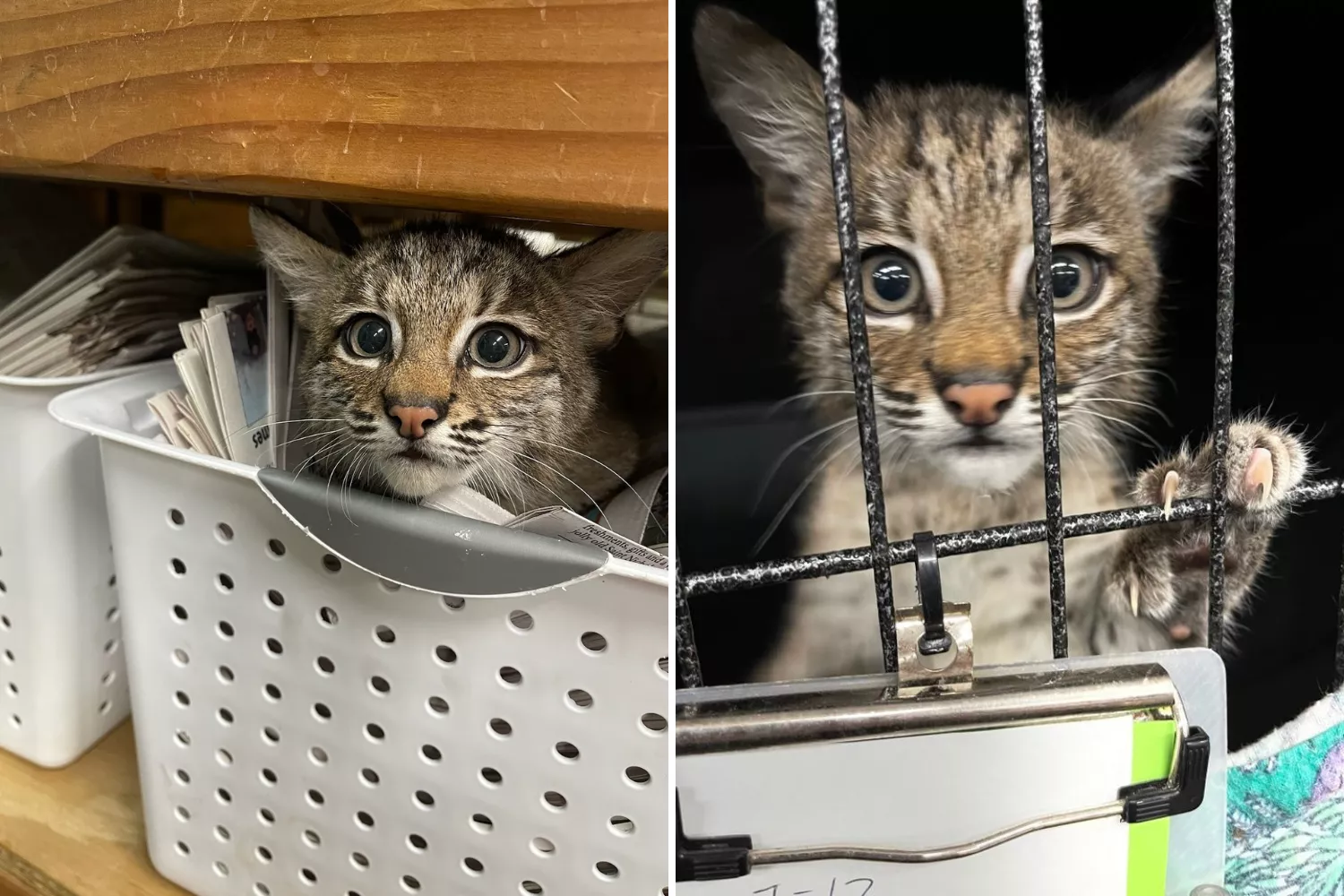
Attacks by bobcats on pets are rare. Most reported attacks involve outdoor pets left alone at night. Bobcats hunt mostly in forests and rural areas. Urban areas have fewer bobcats and fewer pet attacks.
Simple steps can reduce risks:
- Keep cats indoors, especially at night.
- Supervise pets outside.
- Remove food sources that attract bobcats.
Understanding how rare attacks are helps pet owners relax. It also encourages respect for bobcats as part of nature, not as a constant threat.
Credit: www.newsweek.com

Credit: ca.news.yahoo.com
Frequently Asked Questions
Do Bobcats Commonly Attack Domestic Cats?
Bobcats rarely attack domestic cats but may do so if hungry or threatened. They prefer wild prey and usually avoid human areas. However, pet owners should keep cats indoors to prevent possible encounters. Awareness helps reduce risks between bobcats and neighborhood cats.
How Can I Protect My Cat From Bobcat Attacks?
Keep your cat indoors, especially at dawn and dusk. Secure your yard with fencing and remove food sources that attract bobcats. Using motion-activated lights or sprinklers can also deter them. These steps minimize the chance of bobcat encounters and protect your pets.
What Attracts Bobcats To Residential Areas?
Bobcats are attracted by food sources like small rodents, birds, and outdoor pet food. Dense vegetation and shelter also draw them closer to homes. Reducing attractants and securing trash helps keep bobcats away from residential neighborhoods.
Can Bobcats Transmit Diseases To Pet Cats?
Yes, bobcats can transmit diseases such as rabies, feline leukemia, and parasites. Direct contact or bites increase the risk of transmission. Regular vet check-ups and vaccinations for your pet cats are essential for protection against wildlife diseases.
Conclusion
Bobcats can be a danger to pet cats, but attacks are rare. Most bobcats avoid humans and pets. Keeping cats indoors helps protect them. Knowing bobcat habits can reduce risks. Stay calm and watch your pets closely. Understanding wildlife keeps everyone safer and happier.
