

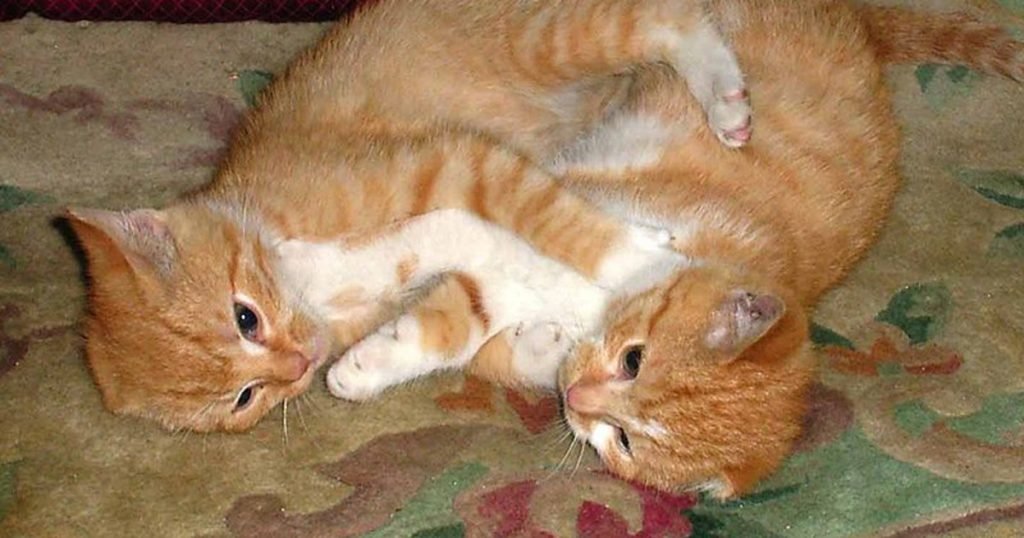
Have you ever watched your cats tumble around and wondered, “Are they just playing, or are they actually fighting?” It can be tricky to tell the difference.
Understanding their behavior helps you keep your furry friends happy and safe. You’ll discover simple signs to look for that reveal whether your cats are having fun or if it’s time to step in. Keep reading to become your cats’ best guide in their playful world.
Body Language Indicators
Understanding your cats’ body language is key to telling whether they’re playing or fighting. Their movements and posture send clear signals that reveal their true intentions. Paying close attention to these signs can help you step in if things get too heated or simply enjoy their playful moments.
Ear Position
Watch your cats’ ears closely. When they’re playing, their ears usually point forward or slightly to the side, showing curiosity and engagement. But if their ears flatten backward or sideways, it often means they feel threatened or angry.
One time, I saw my cats’ ears twitch and turn sharply backward before a scuffle started. That was my cue to separate them before it got serious. Have you noticed how quickly their ears can change during interaction?
Tail Movements
The tail is a powerful communicator for cats. A relaxed, gently swaying tail usually signals playfulness. If the tail is puffed up or thrashing side to side, it’s a warning sign of agitation or aggression.
During play, tails often move in a slow, rhythmic manner. But when fighting, tails lash out sharply or stand straight up like a flag. Next time your cats interact, try to catch those subtle differences—you’ll learn a lot about their mood.
Body Posture
Body posture is one of the clearest indicators of your cats’ mood. Playful cats tend to have loose, bouncy movements and may even roll onto their backs inviting interaction. In contrast, fighting cats hold their bodies tense, muscles tight, and often arch their backs aggressively.
Once, I noticed my cat crouching low with stiff legs while hissing at his sibling. I knew this wasn’t playtime but a real conflict. Can you spot the difference between a relaxed stance and a defensive one in your own cats?
Vocalizations And Sounds
Understanding your cat’s vocalizations is key to telling whether they’re playing or fighting. Sounds can reveal a lot about their mood and intentions. Paying close attention to these noises helps you step in if things get too rough or just enjoy their playful moments.
Playful Chirps
Playful chirps are short, soft, and often repetitive sounds. You might hear these when your cat is excited or inviting another cat to join in a game. These chirps are usually high-pitched and lighthearted, almost like a friendly call.
Think about the last time your cat made a chirping sound while chasing a toy or another cat. That’s a clear sign of play, not aggression.
Aggressive Growls
Growls are deep, guttural sounds that signal anger or discomfort. They often come with stiff body language and tense muscles. If your cats are growling at each other, it’s a strong indication they’re fighting or ready to fight.
Notice if the growl is continuous and combined with swatting or biting. That’s a red flag telling you to intervene before things escalate.
Warning Hisses
Hissing is a sharp, sudden sound cats use to warn others to back off. It’s a clear message of “stay away” and can quickly escalate to a fight if ignored. Unlike playful sounds, hisses are loud and abrupt.
If you hear hissing during a cat interaction, watch their body language closely. Are their ears flat or pupils dilated? This means tension is high and the situation is serious.
Facial Expressions
Reading a cat’s facial expressions helps you tell if they are playing or fighting. Cats show many signs through their face. Their whiskers and muscles change depending on their mood. Understanding these signals can prevent misunderstandings and keep cats safe.
Relaxed Whiskers
Whiskers that point forward or gently to the sides mean the cat feels calm. The face looks soft and open. Eyes may be half-closed or blinking slowly. The mouth stays relaxed without tension. These signs show the cat enjoys the interaction. Playful cats have this relaxed look.
Tense Facial Muscles
When a cat is upset, the face tightens. Whiskers pull back against the cheeks. Eyes widen, and pupils may get very large. The cat might bare teeth or hiss. The lips can curl or press tightly together. These signs warn of stress or anger. Fighting cats often have tense faces.

Credit: www.reddit.com
Interaction Dynamics
Understanding the interaction dynamics between cats is key to telling if they are playing or fighting. Cats communicate a lot through their body language and movements during these encounters. Paying close attention to how they move and respond to each other can give you clear clues about their intentions.
Chasing And Pouncing
In playful chases, cats often take turns being the pursuer and the one being chased. Their movements are quick but controlled, and they rarely use claws or bites that cause harm. Watch for relaxed body language and open mouths without hissing or growling.
When chasing turns aggressive, one cat may constantly corner the other, using sharp swipes or bites. If you notice stiff postures and ears pinned back, the interaction is likely a fight, not play.
Rolling And Tumbling
Playful cats often roll onto their backs and tumble around, showing their belly as a sign of trust. Their paws stay soft and they don’t dig claws into each other. You might see quick switches between roles, like one cat on top and then the other.
During fights, rolling can look more tense. The cats’ bodies stiffen, and biting or scratching is more forceful. Pay attention to whether they try to escape or if they keep coming back for more.
Pauses And Breaks
One clear sign of play is regular pauses. Cats often stop, look at each other, and even groom or nuzzle briefly before resuming. These breaks help them check in and keep the mood light.
If the pauses are missing or one cat tries to run away and the other keeps chasing aggressively, it’s a red flag. Fighting cats rarely take gentle breaks or show signs of wanting to reconnect.
Have you noticed how your cats behave after a rough tumble? Observing their body language during those quiet moments can reveal if they’re still friends or if tension is rising.
Environmental Context
Understanding whether your cats are playing or fighting often depends on the environment around them. The setting can give you vital clues about their behavior. By looking closely at where and how they interact, you can better judge if it’s friendly fun or actual conflict.
Space And Territory
Cats are territorial animals. If they have plenty of space, they tend to play more freely without feeling threatened. But in cramped areas, their interactions can quickly turn tense.
Watch how they use the space. Are they chasing each other in a wide room, or cornering one another in a tight spot? The latter often signals discomfort or aggression.
Think about your own home: have you noticed cats getting more aggressive when they’re confined to a small area? Sometimes just opening a door or moving a bed can change their mood dramatically.
Presence Of Toys
Toys can change the dynamic between cats. When toys are around, cats often redirect their energy toward play instead of fighting. They might bat at a ball or chase a feather instead of each other.
If you see cats tussling over a toy, it might look rough but could still be playful. However, if one cat aggressively guards the toy and the other backs away, that’s a sign of conflict.
Have you tried giving your cats multiple toys to reduce competition? Spreading toys out can help them focus on playing, not fighting.

Credit: www.youtube.com
Post-interaction Behavior
Observing how cats behave after they interact can reveal a lot about whether they were playing or fighting. Their post-interaction actions often show their true feelings and intentions. Paying attention to these subtle clues can help you understand your cats better and prevent misunderstandings.
Grooming Each Other
If cats are playing, they often groom each other once the activity ends. This mutual grooming is a sign of trust and affection. It’s their way of saying, “We’re friends.”
For example, I once watched two cats chase and pounce on each other wildly, but after a few minutes, they started licking each other’s heads and backs. That peaceful behavior told me it was all fun and not a real fight.
So, if you see grooming after a rough-and-tumble session, it usually means the cats enjoy each other’s company.
Avoidance Or Hiding
On the other hand, if your cats were fighting, one or both might avoid each other afterward. You might notice one cat hiding or staying away from the other for some time.
This behavior shows discomfort or fear, which doesn’t happen after friendly play. A cat that hides after a tussle might be nursing a small injury or feeling stressed.
Have you ever seen a cat suddenly disappear under the couch after a scuffle? That’s a strong hint that the interaction wasn’t all fun and games.
Intervention And Safety
Knowing when to intervene in cat interactions is key to keeping them safe. Cats often play with rough movements, but sometimes play can turn into a real fight. Recognizing signs and ensuring a safe space helps prevent injuries and stress.
When To Step In
Watch for loud yowling or hissing that sounds angry. If claws come out or cats try to bite hard, it is time to act. Sudden chasing with ears pinned back shows fear or aggression. If one cat runs away and hides, the other may be too rough.
Break up fights calmly without using your hands. Use a loud noise, a blanket, or a water spray to distract them. Give cats time to cool down before they meet again.
Creating A Safe Environment
Provide plenty of space for each cat to move freely. Multiple litter boxes, food bowls, and resting spots reduce competition. Use cat trees and shelves to create vertical territory. This helps shy cats escape and feel safe.
Keep toys and scratching posts available to reduce boredom. Rotate toys to keep cats interested and active. Avoid overcrowding your home with too many cats.

Credit: www.reddit.com
Frequently Asked Questions
How Can I Tell If Cats Are Playing Or Fighting?
Cats playing usually have relaxed bodies and take turns. Fighting cats hiss, growl, and show aggressive postures. Watch their ears and tails for signs of tension. Play is loud but lacks real harm. Fighting involves biting with intent to hurt.
What Body Language Shows Playful Cats?
Playful cats have loose, wiggly bodies and may pounce gently. Their ears are forward or relaxed, not pinned back. Tails often twitch or stand upright. They may pause and look at you or each other without aggression.
When Do Cat Sounds Mean Fighting, Not Playing?
Hissing, growling, and loud yowling usually signal a fight. Playful cats might chirp or make soft meows. Intense, continuous sounds often mean distress or anger. Observe if sounds accompany aggressive postures or attempts to escape.
Can Cats Hurt Each Other While Playing?
Yes, play can sometimes get rough, causing minor scratches or bites. However, cats usually stop before serious injury. If one cat tries to escape or shows fear, it’s not play. Supervise play to prevent escalation into real fighting.
Conclusion
Cats often show clear signs when playing or fighting. Playful cats have relaxed bodies and soft paws. Fighting cats hiss, growl, and use claws sharply. Watch their eyes and ears for clues too. Play ends quickly without injuries, while fights may cause harm.
Knowing these signals helps you keep cats safe and happy. Trust your observation to tell the difference clearly. Enjoy their playful moments and step in only if needed. Understanding cat behavior makes living with them much easier.
